
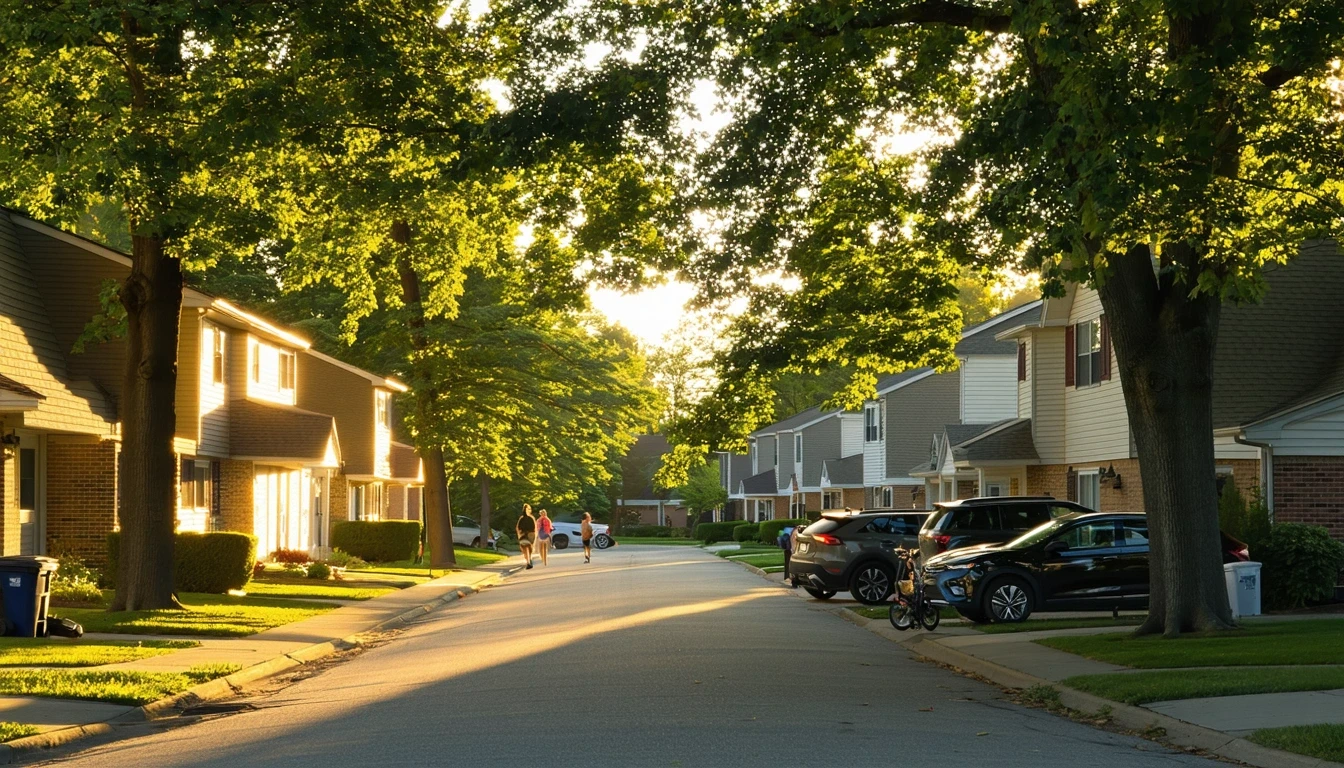
When the Martinez family started comparing suburbs in the Detroit metro, they kept circling back to the same two: Novi and Canton. Both offered the space they needed, reasonable commutes to Ann Arbor and Detroit, and that suburban Michigan feel—tree-lined streets, decent schools, and enough parks to keep the kids busy. But as they dug into the numbers and walked the neighborhoods, they realized the cost pressures showed up differently in each place. Housing entry barriers, daily errands accessibility, family infrastructure, and even the price at the pump created distinct tradeoffs that would matter for years to come.
Novi and Canton sit in the same regional price environment—both carry a regional price parity index of 98, meaning overall price levels track closely with the national baseline. But that similarity masks important structural differences. Novi’s housing market runs higher, both for buyers and renters, while Canton’s natural gas and gasoline costs introduce different kinds of exposure. For families weighing school density against park access, or singles prioritizing walkability over driving costs, these aren’t interchangeable choices. The decision hinges on which cost pressures a household can absorb—and which ones create ongoing friction.
This comparison explains where costs concentrate differently in Novi and Canton in 2026, and which households feel those differences most. It’s not about declaring one city cheaper overall; it’s about understanding how the same income feels different depending on where housing, utilities, transportation, and daily logistics apply pressure.
Housing Costs
Housing dominates the cost structure in both cities, but the entry barrier and ongoing obligations differ meaningfully. Novi’s median home value sits at $380,200, while Canton’s comes in at $329,900—a difference that translates directly into down payment requirements, mortgage principal, and property tax baselines. For first-time buyers stretching to enter the market, that gap represents months of additional saving or a larger monthly obligation that persists for the life of the loan. Renters face a similar pattern: Novi’s median gross rent reaches $1,584 per month, compared to Canton’s $1,381 per month. Over a year, that difference compounds into a meaningful chunk of discretionary income.
The housing stock in both cities leans toward single-family homes with moderate building heights, and both show mixed residential and commercial land use. But the experience of finding and affording space differs. In Novi, walkable pockets with substantial pedestrian infrastructure create neighborhoods where proximity to errands and parks adds value—and price. Canton’s walkable pockets exist too, but the lower baseline cost means families can access similar housing forms without the same front-loaded financial stretch. For households prioritizing yard space, school access, and room to grow, Canton’s housing market offers more flexibility at the entry point.
Renters in Novi gain access to neighborhoods with notable cycling infrastructure and integrated green space—park density exceeds high thresholds, and water features add to the outdoor environment. Canton renters trade some of that park density for stronger family infrastructure: both school and playground density meet thresholds, a signal that matters intensely for households with young children. The rent difference isn’t just about the unit; it’s about what the surrounding environment demands in terms of car dependency, convenience spending, and time budget.
Housing takeaway: First-time buyers and cost-sensitive renters face lower entry barriers in Canton, while Novi’s higher housing costs buy access to denser park networks and more walkable pockets. Families prioritizing school and playground proximity may find Canton’s infrastructure offsets the appeal of Novi’s green space. Households where housing affordability determines everything else—car ownership, savings rate, discretionary spending—will feel Novi’s higher baseline as ongoing pressure, not a one-time hurdle.
Utilities and Energy Costs
Utility costs in both cities respond to Michigan’s long heating season and the energy demands of suburban single-family homes. Electricity rates run nearly identical—19.52¢/kWh in Novi and 19.94¢/kWh in Canton—so baseline usage for lighting, appliances, and summer cooling creates similar exposure. But natural gas, the dominant heating fuel in the region, shows a clearer difference: Novi’s rate sits at $10.24 per MCF, while Canton’s reaches $11.89 per MCF. That gap matters most during the coldest months, when furnaces run daily and heating becomes non-negotiable.
For households in older, less-insulated homes, natural gas exposure scales with square footage and building envelope quality. A family heating a 2,000-square-foot home in Canton faces higher per-unit costs than the same household in Novi, and that difference repeats every billing cycle from November through March. Newer construction with better insulation dampens the impact, but the rate difference persists regardless of efficiency improvements. Apartments and townhomes, with shared walls and smaller footprints, experience less volatility overall, but single-family homeowners—especially those in older housing stock—feel the heating cost difference more acutely in Canton.
Cooling costs, driven by electricity, don’t differentiate the two cities meaningfully. Michigan summers bring warm, humid stretches, but the season is shorter and less intense than in southern climates. Air conditioning represents a smaller share of annual utility spending than heating, so the near-identical electricity rates mean summer bills track closely. The real distinction lies in winter predictability: Novi households gain slightly more control over heating expenses through the lower natural gas rate, while Canton households face higher per-unit costs that are harder to mitigate through behavioral changes alone.
Utility takeaway: Canton’s higher natural gas rate creates more winter cost exposure, especially for families in larger or older homes. Novi’s lower heating costs offer more predictability during the coldest months, a difference that matters for households managing tight budgets year-round. Renters in apartments experience less volatility in both cities, but single-family homeowners in Canton should expect heating bills to represent a larger, less flexible line item from late fall through early spring.
Groceries and Daily Expenses
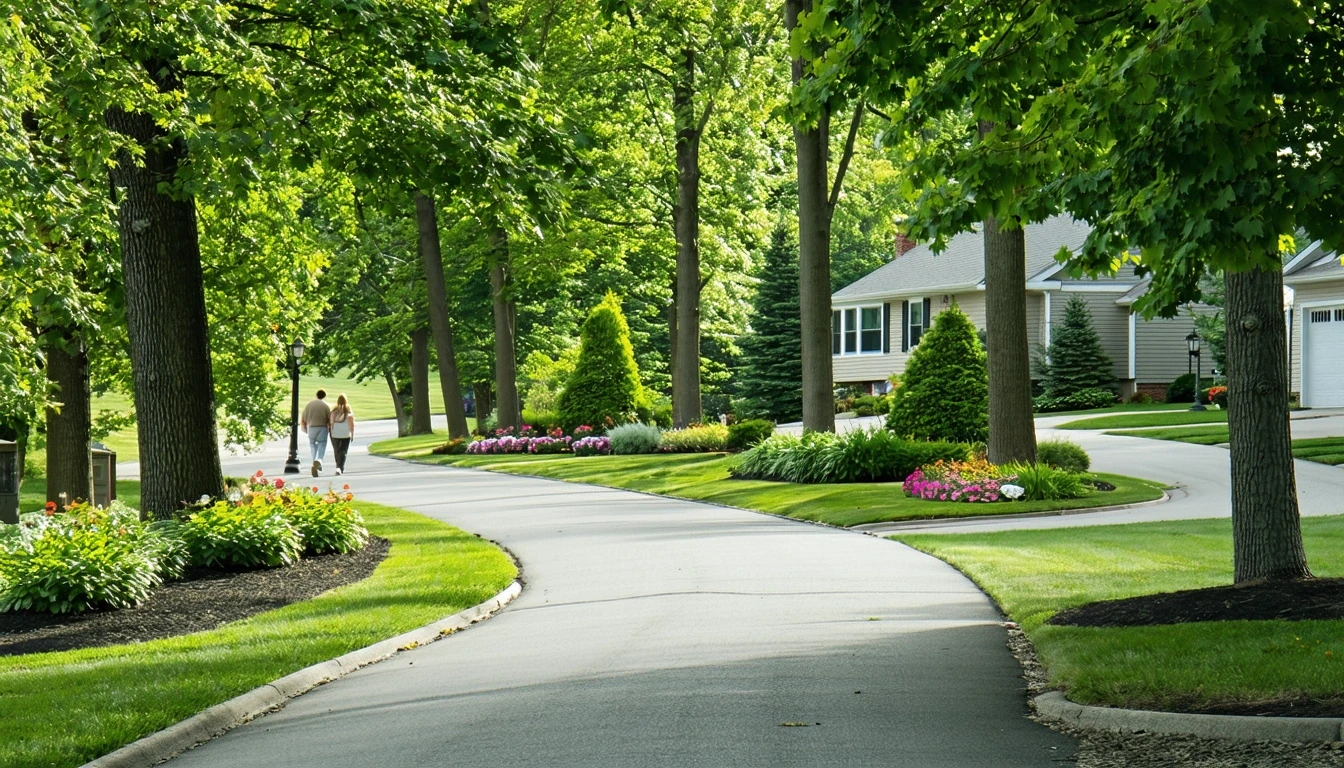
Both Novi and Canton share the same regional price parity index, so grocery staples—bread, milk, eggs, chicken—cost roughly the same at the register. But how households experience daily spending pressure depends on access patterns, store concentration, and the friction involved in running errands. In both cities, food and grocery establishments cluster along corridors rather than spreading evenly across neighborhoods. That means some households enjoy short, predictable trips to familiar stores, while others face longer drives or fewer nearby options, adding time and fuel costs to every shopping run.
Novi’s notable cycling infrastructure and walkable pockets suggest that some residents can handle light grocery trips—picking up a few items, grabbing takeout, stopping for coffee—without driving. But the corridor-clustered pattern means larger weekly shopping trips still require a car for most households. Canton shows similar corridor clustering, but with less cycling infrastructure, car dependency for errands runs higher across more of the city. For families managing multiple trips per week—school pickups, grocery runs, pharmacy stops—the difference in walkability and bike access translates into time budget and fuel consumption, even if the groceries themselves cost the same.
Dining out and convenience spending—coffee shops, quick lunches, prepared meals—add up differently depending on how accessible those options are. In both cities, mixed land use means commercial and residential areas overlap, so restaurants and cafes exist within reach. But households in Novi’s more walkable pockets can fold those stops into daily routines without driving, reducing the friction and cost of spontaneous spending. Canton households, more reliant on cars for errands, face a slightly higher barrier to convenience spending, which can either protect the budget or create frustration depending on lifestyle preferences.
Grocery and daily expense takeaway: Price sensitivity matters less than access friction. Families running frequent errands in Canton should expect higher car dependency and fuel costs, even though grocery prices mirror Novi’s. Singles and couples in Novi’s walkable pockets gain flexibility to handle light errands on foot or bike, reducing transportation pressure. Households prioritizing budget predictability may find Canton’s higher errand friction a hidden cost that shows up in fuel spending and time, not just at the checkout.
Taxes and Fees
Property taxes, the largest recurring tax obligation for homeowners in both cities, scale with home value and local millage rates. Novi’s higher median home value means property tax bills start from a higher assessed base, even if millage rates were identical. Canton homeowners, entering at a lower home value, face a smaller initial property tax obligation, though the rate structure and any special assessments can shift the picture over time. For households planning to stay several years, property taxes represent a predictable, escalating cost that compounds with home value appreciation—or, in slower markets, remains stubbornly high relative to equity gains.
Beyond property taxes, both cities layer in fees for services that vary by housing type and neighborhood. Trash collection, water, sewer, and stormwater fees appear as separate line items or roll into property tax bills, depending on local practice. Homeowners associations, common in newer subdivisions, bundle services like landscaping, snow removal, and shared amenities, but those fees add a recurring obligation that renters avoid entirely. In both Novi and Canton, HOA prevalence depends on neighborhood age and housing form, but the fees themselves—often several hundred dollars per month—can rival or exceed utility costs for some households.
Sales taxes apply uniformly across Michigan, so daily purchases, dining out, and retail spending carry the same tax burden in both cities. The difference in tax exposure comes down to property ownership and housing form. Renters avoid property taxes directly, though landlords pass some of that cost through in rent. Homeowners face the full weight of property taxes and any HOA or special assessment fees, making the choice between Novi and Canton partly a question of how much front-loaded and ongoing tax obligation a household can absorb.
Tax and fee takeaway: Novi’s higher home values create higher baseline property tax exposure, a cost that persists and grows over time. Canton homeowners start with a lower property tax base, offering more breathing room for households managing multiple fixed obligations. Renters in both cities sidestep property taxes but should account for potential pass-through costs in rent. HOA fees, where present, add a significant recurring cost in both cities, and households should verify those obligations before committing to a neighborhood.
Transportation & Commute Reality
Transportation costs in Novi and Canton hinge on car dependency, commute distance, and fuel prices—and the fuel price difference between the two cities is substantial. Novi’s gas price sits at $4.05 per gallon, while Canton’s comes in at $2.95 per gallon. For households commuting daily, that $1.10 per gallon gap translates into ongoing exposure that compounds with every fill-up. A household driving frequently—whether for work, errands, or shuttling kids—feels that difference weekly, and it adds up over months and years without any clear mitigation path beyond driving less or switching vehicles.
Novi offers bus service, providing some transit option for residents whose routes align with coverage areas. But the pedestrian-to-road ratio and walkable pockets suggest that transit serves more as a supplement than a primary commute mode for most households. Canton shows no transit signal in the data, meaning car ownership is effectively non-negotiable for work commutes, errands, and family logistics. The absence of bus service removes a fallback option that, while limited, can reduce car dependency for some households in Novi.
Cycling infrastructure differs between the two cities as well. Novi’s bike-to-road ratio exceeds high thresholds, meaning dedicated bike lanes or paths exist throughout parts of the city, offering a realistic option for short trips, errands, or recreation. Canton’s cycling infrastructure exists but in more limited areas, reducing the viability of biking as a transportation mode for daily needs. For households trying to reduce car trips—whether to save on fuel, avoid parking hassles, or simply build activity into the day—Novi’s cycling network offers more practical support.
Transportation takeaway: Canton’s lower gas price creates a meaningful ongoing advantage for car-dependent households, especially those commuting long distances or driving frequently. Novi’s higher fuel costs combine with better transit and cycling infrastructure to offer more flexibility for households willing to reduce car trips. Families in Canton should expect transportation costs to concentrate in fuel and vehicle maintenance, with fewer alternatives to driving. Singles or couples in Novi’s walkable, bikeable areas can offset some of the higher gas prices by driving less, but that flexibility depends on neighborhood and lifestyle fit.
Cost Structure Comparison
Housing pressure dominates the cost experience in both cities, but it shows up differently. Novi’s higher home values and rents create a steeper entry barrier and a larger ongoing obligation, one that claims a bigger share of gross income from the start. Canton’s lower housing costs free up cash flow earlier, allowing households to absorb other expenses—utilities, transportation, groceries—without the same financial stretch. For first-time buyers or renters operating near their budget ceiling, that difference determines whether other cost categories feel manageable or become sources of ongoing stress.
Utilities introduce more winter volatility in Canton due to the higher natural gas rate, a cost that repeats every heating season and scales with home size and age. Novi households gain slightly more predictability in heating expenses, which matters for families managing fixed budgets where unexpected spikes create cascading problems. The electricity rate difference is negligible, so cooling costs track closely, but the heating gap persists as a structural difference that favors Novi during the coldest months.
Transportation patterns matter more in Canton, where the absence of transit and limited cycling infrastructure make car ownership and frequent driving unavoidable. The lower gas price offsets some of that dependency, but households driving extensively still face higher cumulative transportation costs than those in Novi who can walk, bike, or occasionally use bus service for errands. For families running multiple trips daily—school, work, activities, shopping—the transportation difference isn’t just about fuel price; it’s about time, convenience, and the flexibility to reduce car trips when it makes sense.
Daily living costs—groceries, dining, convenience spending—don’t differ in price, but access friction does. Novi’s walkable pockets and cycling infrastructure reduce the friction of running errands without a car, which can lower transportation costs and make spontaneous trips feel less burdensome. Canton’s corridor-clustered errands and higher car dependency mean more planning, more driving, and less flexibility to fold errands into daily routines without adding time and fuel costs.
The better choice depends on which costs dominate the household. Households sensitive to housing entry barriers and ongoing rent or mortgage obligations may prefer Canton’s lower baseline, accepting higher winter heating costs and car dependency as tradeoffs. Households prioritizing walkability, park access, and the ability to reduce car trips may find Novi’s higher housing costs worth the flexibility and infrastructure. For families, the decision often hinges on whether school and playground density (Canton’s strength) or integrated green space and cycling infrastructure (Novi’s strength) better supports daily logistics and quality of life.
How the Same Income Feels in Novi vs Canton
Single Adult
Housing becomes the first non-negotiable cost, and the rent difference between Novi and Canton determines how much flexibility remains for everything else. In Canton, lower rent leaves more room for transportation, dining out, and building savings, but car dependency means fuel and maintenance costs claim a larger share of what’s left. In Novi, higher rent tightens the budget from the start, but walkable pockets and cycling infrastructure reduce the need to drive everywhere, creating flexibility in how transportation dollars get spent. The tradeoff is front-loaded housing pressure versus ongoing car dependence, and which one feels more restrictive depends on commute distance and lifestyle preferences.
Dual-Income Couple
With two incomes, housing costs in either city become more manageable, but the difference in rent or mortgage still shapes how much cash flow remains for discretionary spending, savings, and long-term goals. In Novi, higher housing costs combine with higher gas prices to create more pressure on households commuting separately or driving frequently, but better transit and cycling options offer ways to reduce car trips for errands and recreation. In Canton, lower housing costs and cheaper gas ease the budget, but the lack of transit and limited cycling infrastructure mean car ownership and driving become unavoidable, locking in transportation as a fixed, recurring expense. Flexibility exists in both cities, but it shows up in different categories—housing versus transportation—and the better fit depends on which cost a couple can more easily absorb or reduce.
Family with Kids
Housing, transportation, and family logistics all become non-negotiable, and the cost structure differences between Novi and Canton matter intensely. In Canton, lower home prices and rent create more breathing room for families entering the market or upgrading to larger space, and the presence of both schools and playgrounds meeting density thresholds reduces the friction of managing kids’ daily routines. But higher natural gas costs during winter and the absence of transit mean heating bills and car dependency claim a larger share of the budget, with fewer ways to reduce those expenses. In Novi, higher housing costs front-load the financial pressure, but integrated park access, notable cycling infrastructure, and bus service offer more flexibility for families trying to reduce car trips, manage errands on foot or bike, and access outdoor space without driving. The tradeoff is upfront affordability versus long-term flexibility, and for families planning to stay several years, the decision hinges on whether housing entry barriers or ongoing transportation and utility costs create more stress.
Decision Matrix: Which City Fits Which Household?
| Decision factor | If you’re sensitive to this… | Novi tends to fit when… | Canton tends to fit when… |
|---|---|---|---|
| Housing entry + space needs | You’re stretching to afford rent or a down payment and need lower baseline costs | You prioritize walkable neighborhoods and park access over entry price | You need to minimize upfront housing costs and can accept fewer walkable pockets |
| Transportation dependence + commute friction | You drive frequently and want lower fuel costs or need transit as a backup option | You value cycling infrastructure and bus service to reduce car dependency | You drive extensively and benefit from lower gas prices despite no transit options |
| Utility variability + home size exposure | You’re heating a large or older home and want more predictable winter bills | You prioritize lower natural gas rates to reduce heating cost volatility | You can absorb higher per-unit heating costs in exchange for lower housing entry barriers |
| Grocery strategy + convenience spending creep | You want to reduce car trips for errands and fold shopping into daily routines | You value walkable errands access and cycling infrastructure for light trips | You plan grocery trips in advance and don’t mind driving for most errands |
| Fees + friction costs (HOA, services, upkeep) | You want to minimize recurring fees and predictable ongoing obligations | You accept higher baseline housing costs but want flexibility in other categories | You prioritize lower property tax baselines due to lower home values |
| Time budget (schedule flexibility, errands, logistics) | You need to manage kids’ activities, school, and errands without constant driving | You value integrated parks and cycling infrastructure for family logistics flexibility | You prioritize school and playground density over walkability and park access |
Lifestyle Fit
Novi and Canton both offer suburban Michigan living—tree-lined streets, single-family homes, and access to the Detroit metro’s job centers—but the daily experience of getting around, managing errands, and accessing amenities differs in ways that shape lifestyle and indirectly affect costs. Novi’s walkable pockets and notable cycling infrastructure mean some neighborhoods support errands, recreation, and short trips without driving, reducing fuel costs and making spontaneous outings feel less burdensome. Park density in Novi exceeds high thresholds, with water features adding to the outdoor environment, so families and active adults gain easy access to green space for exercise, play, and relaxation. Canton’s park density sits in the moderate range, still present but less integrated into daily life, and the limited cycling infrastructure means most trips require a car.
For families, the infrastructure differences matter intensely. Canton shows strong family infrastructure—both school and playground density meet thresholds—making it easier to manage kids’ routines, school access, and outdoor play without long drives or complicated logistics. Novi’s family infrastructure rates as limited in the data, with school and playground density below thresholds, though the integrated park access and walkable pockets offer alternative ways to keep kids active and engaged. Canton also has a hospital present, providing more comprehensive healthcare access locally, while Novi offers clinics and pharmacies but no hospital facility, meaning some medical needs require travel to nearby communities.
Both cities show mixed building heights and a blend of residential and commercial land use, so neighborhoods feel suburban without being isolated from shopping, dining, and services. Novi’s bus service adds a transit option for residents whose routes align, while Canton’s absence of transit makes car ownership non-negotiable for nearly all households. The cultural and recreational scenes in both cities lean toward family-oriented activities, local parks, and community events, with proximity to Ann Arbor and Detroit offering access to larger cultural institutions, sports, and entertainment when desired. Novi’s higher gas prices and better cycling infrastructure create a tradeoff: households willing to bike or walk more can offset fuel costs, while Canton’s lower gas prices ease the burden of car dependency but offer fewer alternatives to driving.
Frequently Asked Questions
Is Novi or Canton more affordable for renters in 2026?
Canton offers lower baseline rent—median gross rent sits at $1,381 per month compared to Novi’s $1,584 per month—which creates more breathing room for renters managing tight budgets. But affordability depends on more than rent alone. Novi’s walkable pockets and cycling infrastructure can reduce transportation costs for renters who don’t need to drive everywhere, while Canton’s car dependency and lack of transit mean renters there should expect higher fuel and vehicle expenses. The better choice depends on whether housing cost or transportation flexibility matters more for your budget.
How do utility costs differ between Novi and Canton for families heating larger homes?
Electricity rates run nearly identical in both cities, so cooling costs track closely. But natural gas, the primary heating fuel, costs more in Canton—$11.89 per MCF compared to Novi’s $10.24 per MCF. For families heating larger or older single-family homes during Michigan’s long winter, that difference repeats every billing cycle from late fall through early spring. Novi households gain more predictability in heating expenses, while Canton families face higher per-unit costs that are harder to mitigate through efficiency improvements alone.
Which city is better for families prioritizing school and playground access in 2026?
Canton shows stronger family infrastructure, with both school and playground density meeting thresholds, making it easier to manage kids’ routines, outdoor play, and school access without long drives. Novi’s family infrastructure rates as more limited in those categories, though the city offers integrated park access with density exceeding high thresholds, providing ample green space for recreation and family activities. The tradeoff is structured family amenities versus expansive park networks, and the better fit depends on whether proximity to schools and playgrounds or abundant outdoor space matters more for your household’s daily logistics.
Does the gas price difference between Novi and Canton add up for daily commuters?
Yes, the $1.10 per gallon difference—$4.05 in Novi versus $2.95 in Canton—creates ongoing exposure for households driving frequently. For daily commuters or families running multiple car trips each week, that gap compounds with every fill-up, adding meaningful cost over months and years. Canton’s lower gas price eases the burden of car dependency, while Novi’s higher fuel costs combine with better transit and cycling infrastructure to offer more flexibility for households willing to reduce car trips. The impact depends on how much you drive and whether alternatives to driving fit your lifestyle and commute patterns.
How does healthcare access differ between Novi and Canton for families planning to stay long-term?
Canton has a hospital present along with clinics and pharmacies, providing more comprehensive local healthcare access for routine and urgent needs. Novi offers clinics and pharmacies but no hospital facility, meaning some medical situations require travel to nearby communities. For families with young children, aging parents, or chronic health conditions, Canton’s hospital presence reduces the friction and time cost of accessing care, while Novi households should plan for occasional trips outside the city for more intensive medical services.
Conclusion
The Martinez family eventually chose Canton. The lower home price meant they could afford the space they needed without stretching their budget to the breaking point, and the presence of both schools and playgrounds within easy reach simplified the daily logistics of managing two kids. They accepted the higher natural gas costs and the reality that nearly every trip would require driving, but the savings on housing and the lower gas price gave them enough flexibility to handle those tradeoffs without constant financial stress. Novi’s parks and cycling infrastructure appealed to them, but the higher rent and home values would have left them feeling squeezed from the start.
For other households, the decision tips differently. Singles or couples prioritizing walkability, park access, and the ability to reduce car trips may find Novi’s infrastructure worth the higher housing costs, especially if their commute patterns or lifestyle allow them to drive less. Families where housing affordability determines everything else—savings rate, discretionary spending, long-term flexibility—will likely find Canton’s lower entry barriers and stronger family infrastructure a better fit, even with higher winter heating costs and more car dependency. The right choice depends on which cost pressures a household can absorb, which tradeoffs align with daily routines, and which city’s structure supports the life you’re actually trying to build in 2026.
How this article was built: In addition to public economic data, this article incorporates location-based experiential signals derived from anonymized geographic patterns—such as access density, walkability, and land-use mix—to reflect how day-to-day living actually feels in Novi, MI.