
Novi’s housing market operates on a different financial baseline than much of Michigan. The median home value of $380,200 reflects decades of commercial development, school district reputation, and proximity to Detroit-area employment centers. For newcomers, the surprise isn’t just the purchase price—it’s the ongoing exposure to property taxes, maintenance cycles on suburban housing stock built primarily between 1980 and 2010, and utility volatility driven by Michigan’s heating season. Median rent sits at $1,584 per month, positioning Novi as a market where both renting and owning require household incomes well above state averages. The median household income here is $110,588 per year, and that’s not accidental: housing costs have shaped who can afford to stay.
What catches people off guard is how property tax assessments and HOA governance layer onto the base home price, creating cost structures that shift year over year. In older subdivisions, special assessments for road repair or infrastructure upgrades can arrive without warning. In newer developments, HOA fees cover landscaping and amenity access but also introduce governance rules that affect resale flexibility. Renters avoid these exposures but face lease renewal increases tied to regional demand rather than individual property condition. The choice between renting and owning in Novi isn’t about lifestyle preference—it’s about which cost volatility you’re willing to manage and which household logistics you prioritize.
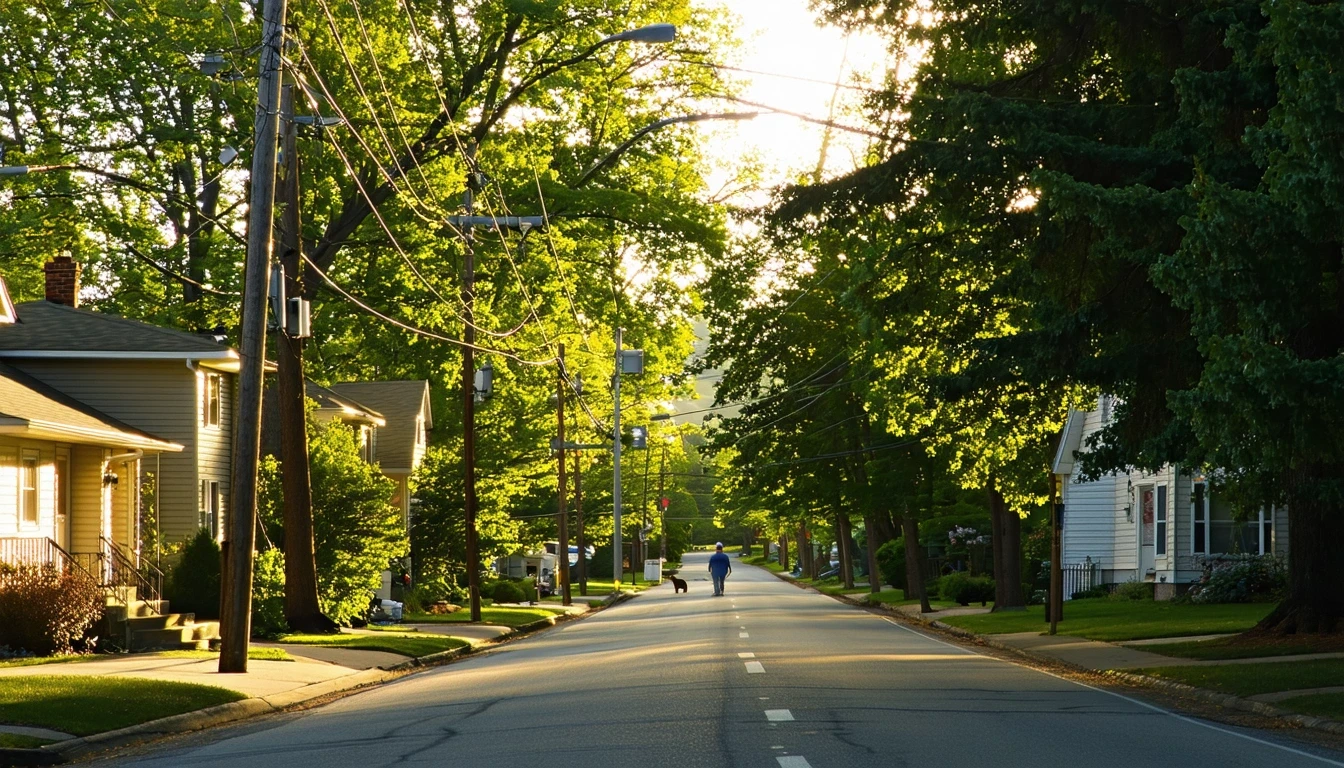
The Housing Market in Novi Today
Novi’s housing market is shaped by its role as a commuter suburb with strong commercial tax base and limited walkable density. The city developed in waves: older neighborhoods near Twelve Mile Road and Novi Road feature single-family homes from the 1980s and early 1990s, while areas near M-5 and along Grand River Avenue include newer construction and mixed-use development. This creates a tiered market where home age, lot size, and proximity to commercial corridors determine both purchase price and ongoing cost exposure. The median home value of $380,200 reflects demand from dual-income households seeking access to Detroit-area employment without urban density.
What distinguishes Novi from peer suburbs is the combination of high home values and relatively modest regional price parity (98, nearly identical to the national baseline). This means the cost of groceries, utilities, and services tracks close to national averages, but housing itself commands a premium driven by school district reputation, commercial amenities, and highway access. Buyers pay for location and infrastructure, not for a lower cost of living. The unemployment rate of 3.6% signals a stable local economy, but it also means competition for housing remains consistent—homes don’t linger on the market, and sellers hold pricing power.
For newcomers unfamiliar with metro Detroit’s suburban structure, Novi reads as expensive but not exclusive. It’s not Birmingham or Bloomfield Hills, but it’s also not priced for first-time buyers on single incomes. The housing stock skews toward three- and four-bedroom single-family homes on quarter- to half-acre lots, with a smaller but growing supply of townhomes and apartments concentrated near commercial corridors. This distribution creates a market where renters and owners occupy different parts of the city, and monthly expenses vary significantly based on housing type and location within Novi’s boundaries.
Renting in Novi
Median gross rent of $1,584 per month positions Novi’s rental market above state averages but in line with other Detroit-area suburbs that offer similar school access and commercial amenities. Rental housing clusters along Grand River Avenue, near Twelve Mile Road, and in mixed-use developments near I-96 and M-5 interchanges. This corridor-based distribution reflects the city’s development pattern: apartments and townhomes locate near retail and highway access, while single-family neighborhoods remain predominantly owner-occupied. Renters gain flexibility and avoid property tax exposure, but they also face geographic constraints—rental options don’t distribute evenly across Novi’s neighborhoods.
The rental experience here depends heavily on where you’re willing to live and how you move through the city. Apartments near commercial corridors put grocery stores, pharmacies, and chain restaurants within a short drive, but walkable access remains limited outside specific pockets. Bus service exists, but most renters rely on personal vehicles for commuting and errands. This car dependency doesn’t lower rent, but it does add a secondary cost layer that shapes the true monthly burden. Renters in Novi aren’t paying for urban walkability—they’re paying for suburban access and the infrastructure that supports it.
Lease renewals in Novi follow regional demand cycles rather than individual property performance. When metro Detroit’s employment market tightens and household formation increases, landlords raise rents at renewal. When demand softens, increases moderate but rarely reverse. Renters don’t control this volatility, and unlike owners, they can’t offset increases through equity accumulation or tax deductions. The tradeoff is mobility: renters can leave when lease terms end, avoiding the transaction costs and time horizons that lock owners into multi-year commitments. For households uncertain about long-term plans or unwilling to manage property maintenance, renting in Novi offers stability without the exposure that comes with ownership.
Owning a Home in Novi
The median home value of $380,200 establishes the entry threshold, but ownership costs extend well beyond the purchase price. Property taxes in Michigan are governed by Proposal A, which caps assessment increases for existing owners but resets taxable value to sale price upon transfer. This means new buyers face immediate tax exposure based on current market value, while long-term owners benefit from capped assessments that lag behind appreciation. The result is a two-tier system where neighbors in identical homes pay different annual taxes depending on how long they’ve owned. Newcomers absorb the highest tax burden, and that burden doesn’t decrease unless home values decline.
Maintenance exposure in Novi reflects the age and construction quality of the housing stock. Homes built in the 1980s and 1990s are now entering major replacement cycles: roofs, HVAC systems, water heaters, and appliances all reach end-of-life within overlapping windows. Subdivision homes built on crawl spaces or basements face sump pump maintenance and foundation settling common to Michigan clay soils. Exterior maintenance—siding, windows, driveways—accelerates due to freeze-thaw cycles and winter road salt exposure. These aren’t surprises, but they’re also not optional. Deferred maintenance reduces resale value and increases the risk of emergency repairs that cost more than planned replacements.
HOA governance varies widely across Novi’s subdivisions. Some neighborhoods operate with minimal fees covering only entrance landscaping and streetlight maintenance. Others enforce architectural guidelines, manage private roads, and maintain amenities like pools, playgrounds, or walking paths. Monthly or annual HOA fees add a fixed cost layer that persists regardless of home value or household income. More importantly, HOAs introduce governance structures that can impose special assessments for capital projects, restrict exterior modifications, and regulate everything from fence height to holiday decorations. Buyers who ignore HOA documents during closing often discover these constraints only after they conflict with household preferences.
Ownership in Novi also means exposure to Michigan’s heating season and the utility costs it drives. Natural gas prices of $10.24 per MCF and electricity rates of 19.52¢/kWh establish the baseline, but actual costs depend on home size, insulation quality, and thermostat discipline. Older homes with original windows and minimal attic insulation consume significantly more energy than newer construction with modern efficiency standards. Heating season runs from October through April, and cold snaps in January and February can double or triple monthly utility bills compared to summer baselines. Owners control these costs through upgrades—programmable thermostats, insulation improvements, furnace replacements—but those upgrades require upfront capital that renters never deploy.
Apartment vs House in Novi — Cost Behavior Comparison
| Expense Category | Apartment | House |
|---|---|---|
| Heating Season Exposure | Shared walls and smaller square footage reduce heating load; landlord controls equipment efficiency | Full building envelope exposed to Michigan winter; owner responsible for furnace efficiency and insulation quality |
| Property Tax | Embedded in rent; landlord absorbs assessment increases until lease renewal | Direct annual bill; new buyers pay tax on current market value, long-term owners benefit from capped assessments |
| Maintenance Cycles | Landlord handles HVAC, roof, appliances; tenant avoids capital replacement costs | Owner funds all replacements; homes built 1980–2010 now entering major system end-of-life |
| Governance & Fees | Lease terms and building rules set by landlord; no HOA exposure | HOA fees and covenants vary by subdivision; special assessments possible for roads, infrastructure |
| Mobility & Exit | Lease-term commitment; can relocate without transaction costs | Sale requires agent fees, closing costs, and market timing; equity position offsets costs only if appreciation occurs |
Why these categories matter in Novi: The city’s suburban housing stock, Michigan’s heating season, and Proposal A tax structure create cost differences that aren’t just about monthly payment size—they’re about who controls volatility and who absorbs risk. Apartments insulate tenants from maintenance cycles and tax resets but offer no equity accumulation. Houses expose owners to heating costs, infrastructure assessments, and replacement cycles but allow control over upgrades and long-term cost management. Categories like groceries, commuting, and insurance were excluded because they don’t vary meaningfully by housing type in Novi’s context—car dependency and regional pricing affect renters and owners equally.
Utilities & Upkeep Differences
Utility exposure in Novi is dominated by heating season intensity. Michigan winters are long and cold, with extended periods below freezing and occasional deep cold snaps that stress heating systems. Natural gas furnaces are standard in most single-family homes, and monthly gas bills during January and February can reach several hundred dollars depending on home size and insulation quality. Apartments benefit from shared walls and smaller square footage, which reduce heating load. Renters also avoid the cost of furnace maintenance and replacement—when a system fails, the landlord funds the repair. Owners carry that exposure directly, and a mid-winter furnace failure can force emergency replacement at premium pricing.
Electricity costs in Novi follow a different seasonal pattern. Summer air conditioning load is moderate compared to southern climates, but electricity rates of 19.52¢/kWh mean that central air usage during July and August heat waves still produces noticeable bill increases. The larger cost driver is year-round baseload: lighting, appliances, water heating, and electronics. Older homes with electric water heaters and inefficient appliances consume more power than newer construction with Energy Star–rated equipment. Owners can reduce this exposure through upgrades, but the payoff timeline is measured in years, not months. Renters have no incentive to fund efficiency improvements, and landlords rarely invest beyond minimum functionality.
Exterior maintenance in Novi is shaped by freeze-thaw cycles, road salt exposure, and clay soil movement. Driveways crack and heave as ground freezes and thaws. Concrete walkways settle unevenly due to soil shifts. Wood siding, trim, and decks deteriorate faster in climates with high humidity and temperature swings. Homeowners in subdivisions with HOA covenants may face pressure to maintain exterior appearance on timelines that don’t align with household budgets. Apartment renters avoid all of this—exterior maintenance is the landlord’s responsibility, and tenants face no penalties for deferred cosmetic work. The tradeoff is lack of control: renters can’t choose contractors, materials, or project timing.
Rent vs Buy: Long-Term Exposure in Novi
The decision to rent or buy in Novi is fundamentally a choice about which cost volatility you’re willing to manage and over what time horizon. Renters face lease renewal increases tied to regional demand, but they avoid property tax resets, maintenance cycles, and the transaction costs of selling. Owners lock in a mortgage payment (if financed at a fixed rate) but accept exposure to assessment increases, HOA fee changes, and the unpredictable timing of major repairs. Neither path is cheaper in all scenarios—each trades one form of risk for another.
Over time, ownership in Novi builds equity if home values appreciate, but appreciation isn’t guaranteed and doesn’t eliminate ongoing costs. Property taxes, insurance, maintenance, and utilities continue regardless of equity position. Owners who stay long enough to pay off a mortgage eventually eliminate the payment itself, but they still carry taxes, insurance, and upkeep. Renters never eliminate the monthly payment, but they also never absorb a roof replacement, furnace failure, or special assessment. The financial outcome depends on how long you stay, how home values move, and how much you spend on maintenance and improvements that may or may not increase resale value.
Renters in Novi retain mobility and flexibility that owners sacrifice. Lease terms typically run 12 months, and breaking a lease is cheaper than selling a home. Owners face agent commissions, closing costs, and the time required to prepare and market a property. In a strong market, these costs are offset by appreciation. In a flat or declining market, selling can mean a financial loss even after years of ownership. For households uncertain about career trajectory, family size, or long-term location preferences, renting preserves options. For households confident in their plans and willing to manage property, ownership offers control and the potential for equity accumulation.
The comparison isn’t about which choice is universally better—it’s about which risks and tradeoffs align with your household’s financial position and time horizon. Novi’s housing market rewards owners who stay long enough to benefit from equity growth and tax assessment caps, but it punishes those who buy at the wrong time or underestimate maintenance costs. Renters avoid the worst downside risks but also forgo the upside potential. The decision hinges on how much certainty you need, how much volatility you can absorb, and whether you’re optimizing for flexibility or long-term cost control.
FAQs About Housing Costs in Novi
What drives the median home value of $380,200 in Novi?
Novi’s home values reflect school district reputation, proximity to Detroit-area employment centers, commercial tax base, and highway access via I-96 and M-5. The housing stock skews toward single-family homes on suburban lots, and demand remains strong due to household incomes well above state averages. Home values here aren’t driven by urban density or walkability—they’re driven by infrastructure, amenities, and access.
How does property tax work for new buyers versus long-term owners in Novi?
Michigan’s Proposal A caps annual assessment increases for existing owners, but taxable value resets to sale price when a home changes hands. New buyers pay property tax based on current market value, while long-term owners benefit from capped assessments that lag behind appreciation. This creates a two-tier system where neighbors in identical homes pay different annual taxes depending on ownership tenure.
Is renting in Novi cheaper than owning over the long term?
Neither renting nor owning is universally cheaper—it depends on how long you stay, how home values move, and how much you spend on maintenance. Renters avoid property tax resets, major repairs, and transaction costs, but they build no equity and face lease renewal increases. Owners gain equity if values appreciate, but they absorb taxes, insurance, maintenance, and the risk of selling at a loss if they move too soon. The decision is about which cost structure fits your time horizon and risk tolerance.
What maintenance costs should I expect on a home built in the 1980s or 1990s in Novi?
Homes from this era are entering major replacement cycles: roofs (15–25 year lifespan), HVAC systems (15–20 years), water heaters (10–15 years), and appliances (10–15 years). Freeze-thaw cycles accelerate exterior deterioration—driveways, siding, windows—and clay soil movement can affect foundations and walkways. Budget for both planned replacements and emergency repairs, and expect higher costs if prior owners deferred maintenance.
Does Novi’s rental market offer walkable neighborhoods, or is a car required?
Most of Novi requires a car for commuting and errands, though some pockets near commercial corridors support short walking trips to nearby retail. Rental housing clusters along Grand River Avenue and near highway interchanges, where bus service exists but remains limited. Walkability here is the exception, not the rule—renters should plan for vehicle ownership and the fuel, insurance, and maintenance costs that come with it.
Making Housing Choices in Novi
Housing costs in Novi operate on a different financial structure than much of Michigan, shaped by strong household incomes, suburban development patterns, and proximity to Detroit-area employment. The median home value of $380,200 and median rent of $1,584 per month reflect demand from dual-income households seeking access and amenities, not affordability. Ownership exposes you to property taxes, maintenance cycles, and utility volatility driven by Michigan’s heating season. Renting avoids those risks but offers no equity accumulation and limits neighborhood choice to corridor-based apartment clusters.
The decision between renting and owning isn’t about which option costs less—it’s about which cost structure you can manage and which tradeoffs align with your household’s time horizon. Owners who stay long enough to benefit from equity growth and tax assessment caps can build wealth, but they also absorb the risk of maintenance surprises, special assessments, and market timing. Renters preserve mobility and avoid capital risk, but they face lease renewal increases and never eliminate the monthly payment. Neither path is wrong; both require understanding cost structure and accepting the exposure that comes with it.
For households evaluating Novi, the housing market rewards those who understand how property taxes reset, how maintenance cycles align with home age, and how heating season intensity affects utility bills. It punishes those who underestimate ongoing costs or assume that home values always rise. The city offers strong schools, commercial amenities, and highway access, but it doesn’t offer low housing costs. If your household income supports the entry threshold and you’re prepared to manage the volatility that comes with ownership—or accept the constraints that come with renting—Novi’s housing market is navigable. If you’re stretching to afford the median home or median rent, the cost structure will remain a persistent pressure point, and understanding that reality before committing is the most important decision you’ll make.
How this article was built: In addition to public economic data, this article incorporates location-based experiential signals derived from anonymized geographic patterns—such as access density, walkability, and land-use mix—to reflect how day-to-day living actually feels in Novi, MI.