
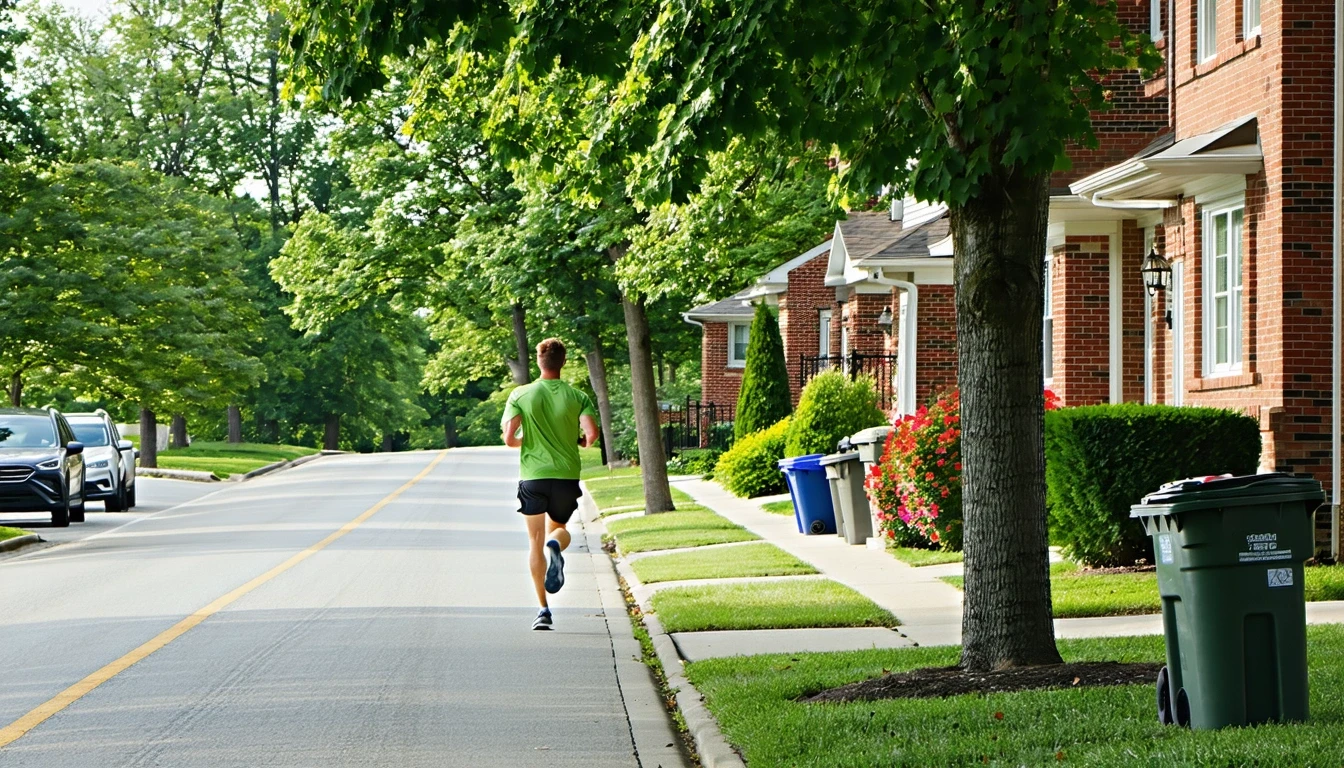
Most people assume Farmington Hills is cheaper than Novi because home values run lower—and they’re half right. The housing entry barrier is real, but the cost difference between these two Oakland County suburbs isn’t about one being universally more affordable. It’s about where financial pressure concentrates and which households feel it most. Both cities sit in the Detroit metro, share nearly identical utility rates and regional price levels, and offer mixed-use neighborhoods with bus service. The decision in 2026 comes down to whether you’re more exposed to housing entry costs, transportation fuel spending, or the logistics of managing a family without dense school and playground infrastructure.
Novi and Farmington Hills attract overlapping demographics—professionals commuting to Detroit or Ann Arbor, families seeking suburban space, and retirees drawn to quieter neighborhoods with healthcare access. But the cities diverge in meaningful ways: Novi offers better park density and cycling infrastructure, while Farmington Hills provides hospital access and stronger family amenities. Neither city is a clear winner on total cost. The better choice depends on which cost pressures dominate your household and how much flexibility you have around housing type, commute patterns, and daily errands.
This comparison explains how cost structure differs between Novi and Farmington Hills in 2026—not which city saves you more money, but where each city’s costs show up, how predictable they are, and which households feel the difference most acutely.
Housing Costs
Housing is where the two cities diverge most clearly. Novi’s median home value sits at $380,200, while Farmington Hills comes in at $319,000—a substantial difference in entry barrier for buyers. Median gross rent follows the same pattern: $1,584 per month in Novi versus $1,401 per month in Farmington Hills. These aren’t small gaps, and they matter most for households trying to enter the market or manage fixed incomes. The difference isn’t about quality or space—it’s about which neighborhoods you can access and how much flexibility remains after housing costs lock in.
For renters, the $183 monthly difference between median rents translates to ongoing budget pressure, especially for single adults or couples without dual incomes. Novi’s rental market tends to reflect newer construction and proximity to commercial corridors, while Farmington Hills offers a broader mix of older apartment stock and single-family rentals. Buyers face a steeper climb in Novi, where the higher median home value means larger down payments, higher monthly mortgage obligations, and greater exposure to property tax assessments. Farmington Hills provides more entry points for first-time buyers, though the tradeoff may be older housing stock with higher maintenance and utility exposure.
Both cities show mixed building heights and residential-commercial land use, meaning housing options range from low-rise apartments to single-family homes. But the price floor differs. In Novi, even modest housing options carry premium pricing due to demand and location. In Farmington Hills, the lower entry cost opens access to more households, but it doesn’t eliminate housing pressure—it just shifts where that pressure appears. Families prioritizing space may find Farmington Hills more accessible, while those prioritizing newer construction and integrated green space may accept Novi’s higher entry barrier.
| Housing Type | Novi | Farmington Hills |
|---|---|---|
| Median Home Value | $380,200 | $319,000 |
| Median Gross Rent | $1,584/month | $1,401/month |
The housing takeaway: Novi imposes a higher entry barrier for both renters and buyers, concentrating cost pressure upfront. Farmington Hills offers lower entry costs but may shift pressure to maintenance, utilities, and commute logistics depending on housing age and location. Households with tight budgets or single incomes feel the difference most acutely. Those prioritizing predictability and newer housing stock may accept Novi’s premium, while those seeking lower monthly obligations and broader housing access may prefer Farmington Hills.
Utilities and Energy Costs
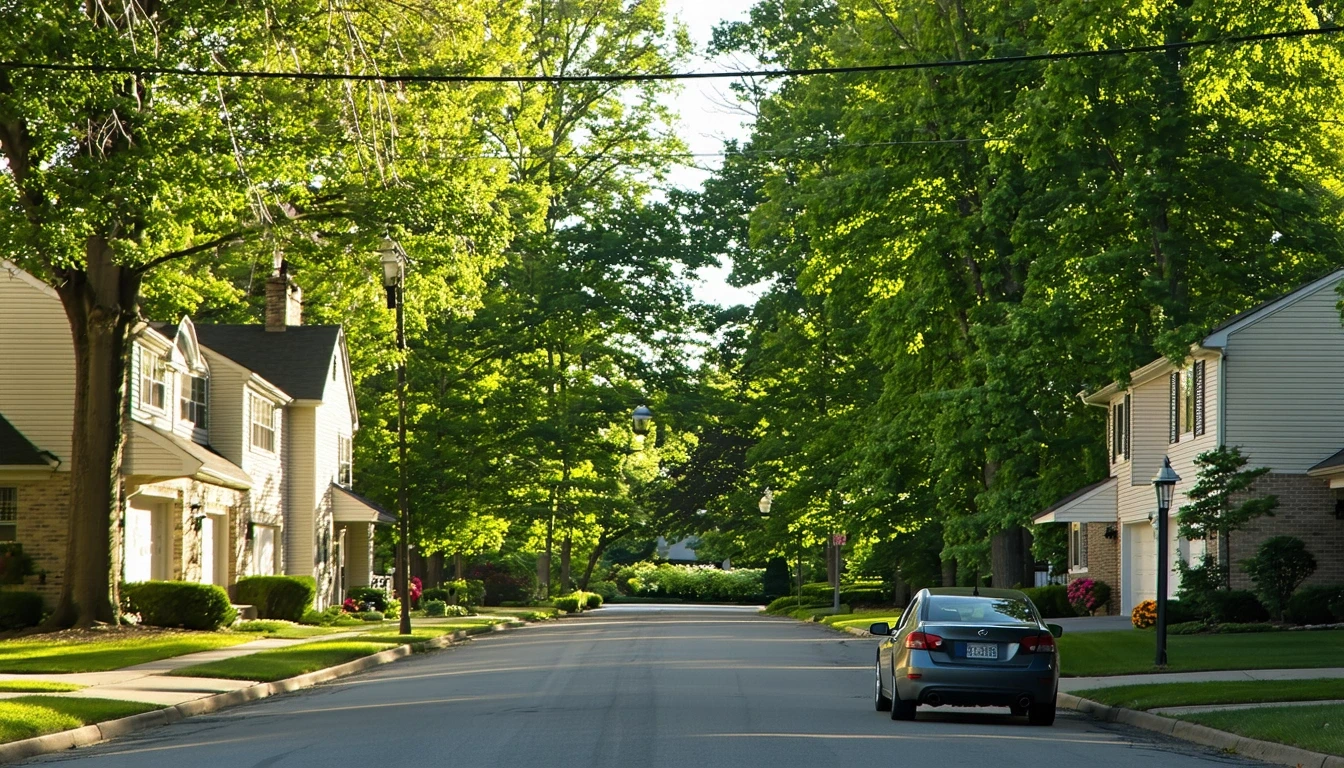
Utility costs in Novi and Farmington Hills are nearly identical in structure. Both cities face electricity rates around 19.5¢/kWh and natural gas prices at $10.24/MCF, reflecting shared regional infrastructure and energy markets. The cost difference doesn’t come from rates—it comes from how much energy households use, which depends on housing age, size, and insulation quality. Older homes in Farmington Hills may experience higher heating exposure during Michigan’s long winters, while newer construction in Novi may offer better efficiency but larger square footage that offsets savings.
Heating dominates utility costs in both cities. Natural gas usage spikes from November through March, and households in older single-family homes face more volatility than those in newer apartments or townhomes with shared walls. Cooling costs remain moderate compared to southern climates, but summer air conditioning still adds seasonal pressure. The key variable isn’t the rate—it’s the housing stock. Farmington Hills has more older homes, which tend to have less efficient HVAC systems and weaker insulation. Novi’s newer construction generally performs better, but larger homes mean more space to heat and cool, which can erase efficiency gains.
Utility exposure varies most by household size and housing type. Single adults in small apartments face predictable, low baseline costs in both cities. Families in larger single-family homes experience more volatility, especially during extreme cold snaps when heating demand surges. Households in Farmington Hills may face slightly higher heating costs due to older housing stock, while those in Novi may see higher baseline usage due to larger home sizes. Neither city offers a clear advantage—the difference is whether you’re more exposed to inefficiency or to scale.
The utility takeaway: Both cities impose similar energy cost structures, but exposure differs by housing type and age. Farmington Hills households in older homes face more heating volatility, while Novi households in larger, newer homes face higher baseline usage. Families and larger households feel seasonal swings more acutely. Renters in smaller units experience the least volatility in both cities. The decision isn’t about which city has cheaper utilities—it’s about which housing stock fits your tolerance for predictability versus scale.
Groceries and Daily Expenses
Grocery costs in Novi and Farmington Hills reflect the same regional price parity index (98), meaning baseline food prices don’t differ meaningfully between the two cities. Both offer corridor-clustered food and grocery access, with options concentrated along major commercial routes rather than distributed evenly across neighborhoods. The cost difference comes from shopping habits, access to discount retailers, and how much convenience spending creeps into weekly routines. Households that plan trips around big-box stores face similar costs in both cities. Those relying on neighborhood markets or frequent takeout feel more pressure.
Novi’s grocery infrastructure leans toward larger-format stores and chain options, which support bulk buying and price comparison. Farmington Hills offers a similar mix but with slightly higher grocery density, meaning more options within shorter distances for some households. Neither city forces reliance on premium specialty stores, but convenience spending—coffee shops, prepared foods, quick-service dining—adds up differently depending on commute patterns and daily routines. Households with longer commutes or less schedule flexibility tend to spend more on convenience, regardless of city.
The real difference shows up in how grocery shopping fits into daily logistics. In Novi, cycling infrastructure is more developed, but grocery stores still require car trips for most households. In Farmington Hills, similar patterns hold, though slightly higher grocery density may reduce trip frequency for some. Families managing larger volumes face similar costs in both cities if they shop strategically. Single adults and couples with flexible schedules can minimize costs by avoiding convenience spending, but those with tight time budgets face more pressure in both locations.
The grocery takeaway: Baseline food costs don’t differ between Novi and Farmington Hills, but convenience spending and trip logistics do. Households with time constraints or long commutes face more pressure to spend on prepared foods and quick meals. Families managing larger grocery volumes see similar costs if they plan around bulk shopping. The decision isn’t about which city has cheaper groceries—it’s about how much control you have over shopping frequency, trip planning, and convenience spending habits.
Taxes and Fees
Property taxes and local fees in Novi and Farmington Hills follow Oakland County’s assessment structure, but the cities differ in how those costs translate to household budgets. Novi’s higher home values mean higher property tax bills for owners, even if millage rates are comparable. Farmington Hills’ lower home values reduce that exposure, though the gap narrows over time as assessments adjust. Both cities rely heavily on property taxes to fund services, meaning homeowners carry more of the burden than renters, who see taxes embedded in rent but don’t face direct assessment volatility.
Local fees—trash collection, water, sewer—vary by provider and housing type. Single-family homeowners in both cities typically pay these separately, while apartment renters often see them bundled into rent. HOA fees appear more frequently in Novi’s newer developments, where associations manage landscaping, snow removal, and shared amenities. Farmington Hills has fewer HOA-governed neighborhoods, meaning lower recurring fees but more individual responsibility for maintenance and upkeep. The tradeoff is predictability versus control: HOA fees are fixed and non-negotiable, while self-managed maintenance costs fluctuate.
The tax and fee structure affects different households unevenly. Long-term homeowners in Farmington Hills face lower property tax exposure due to lower home values, but they may spend more on maintenance and services that HOAs cover in Novi. New buyers in Novi face higher upfront tax obligations, but bundled services reduce friction and surprise costs. Renters in both cities see taxes and fees indirectly, though Novi’s higher rents reflect those embedded costs more visibly.
The tax and fee takeaway: Novi imposes higher property tax exposure due to higher home values, but HOA fees in newer developments bundle services and reduce maintenance volatility. Farmington Hills offers lower tax bills but shifts more responsibility to individual homeowners. Long-term owners and those prioritizing control may prefer Farmington Hills, while households seeking predictability and bundled services may accept Novi’s higher recurring costs. Renters feel the difference indirectly through rent levels, with Novi’s higher rents reflecting embedded taxes and fees.
Transportation and Commute Reality
Transportation costs in Novi and Farmington Hills diverge sharply at the fuel pump. Novi’s gas price sits at $4.05/gal, while Farmington Hills comes in at $3.24/gal—a meaningful difference for households driving daily. Both cities rely heavily on cars for commuting and errands, with bus service present but limited in reach and frequency. Farmington Hills reports an average commute time of 25 minutes, with nearly 40% of workers facing long commutes. Novi lacks specific commute data in the feed, but both cities share similar regional employment patterns, with many residents commuting to Detroit, Ann Arbor, or other Oakland County job centers.
The fuel cost gap matters most for households driving frequently. A typical commuter covering 25 miles round trip daily feels the difference between $4.05 and $3.24 per gallon over time, especially when combined with errands, school drop-offs, and weekend trips. Novi’s higher fuel costs add pressure to car-dependent households, while Farmington Hills offers some relief at the pump. Neither city eliminates car dependence—both show walkable pockets and bus service, but daily errands and commutes still require driving for most residents.
Cycling infrastructure differs between the two cities. Novi shows notable bike-to-road ratios, meaning cycling is more viable for some trips, though practical use depends on distance, weather, and personal comfort. Farmington Hills has cycling infrastructure in limited pockets, making it less reliable as a car alternative. Both cities offer pedestrian infrastructure in certain areas, but neither supports car-free living for most households. The transportation decision comes down to fuel exposure and how much flexibility you have around commute timing and trip consolidation.
The transportation takeaway: Farmington Hills offers lower fuel costs, reducing ongoing pressure for car-dependent households. Novi’s higher gas prices add friction for frequent drivers, though better cycling infrastructure may offset some trips for certain households. Neither city eliminates car dependence, but Farmington Hills reduces the cost of that dependence. Households with long commutes or frequent driving feel the fuel gap most acutely. Those able to consolidate trips or work from home face less exposure in both cities.
Cost Structure Comparison
Housing dominates the cost experience in both Novi and Farmington Hills, but the pressure shows up differently. Novi imposes higher entry barriers and ongoing obligations for both renters and buyers, concentrating cost exposure upfront and in monthly housing payments. Farmington Hills offers lower entry costs, making it more accessible for households with tighter budgets or single incomes, but the lower price point may come with older housing stock that shifts pressure to maintenance and utilities. For households prioritizing predictability and newer construction, Novi’s premium may feel justified. For those seeking lower monthly obligations and broader housing access, Farmington Hills reduces the entry barrier without eliminating cost pressure.
Utilities introduce similar exposure in both cities, with rates and seasonal patterns nearly identical. The difference comes from housing stock: older homes in Farmington Hills face more heating volatility, while larger, newer homes in Novi face higher baseline usage. Neither city offers a clear advantage—the decision depends on whether you’re more exposed to inefficiency or to scale. Families in larger homes feel seasonal swings more acutely, while single adults and couples in smaller units experience the least volatility in both cities.
Transportation patterns matter more in Novi due to higher fuel costs. Farmington Hills’ lower gas prices reduce ongoing pressure for car-dependent households, though neither city eliminates the need for driving. Novi’s better cycling infrastructure offers some flexibility for shorter trips, but most households still rely on cars for commuting and errands. Households with long commutes or frequent driving feel the fuel gap most acutely, while those able to consolidate trips or work from home face less exposure in both cities.
Daily living costs—groceries, dining, convenience spending—don’t differ meaningfully between the two cities in baseline pricing, but logistics and time constraints drive spending patterns. Households with tight schedules or long commutes face more pressure to spend on convenience in both locations. Families managing larger grocery volumes see similar costs if they plan strategically, while single adults and couples with flexible schedules can minimize costs by avoiding convenience spending.
The decision between Novi and Farmington Hills isn’t about which city costs less overall—it’s about which cost pressures dominate your household. Households sensitive to housing entry barriers and fuel costs may prefer Farmington Hills, where lower home values and cheaper gas reduce ongoing obligations. Those prioritizing newer construction, integrated green space, and cycling infrastructure may accept Novi’s higher costs in exchange for predictability and amenity access. For families, Farmington Hills offers stronger school density and hospital access, while Novi provides superior park access but limited family infrastructure. The better choice depends on which costs you can control and which you can’t avoid.
How the Same Income Feels in Novi vs Farmington Hills
Single Adult
Housing becomes the first non-negotiable cost, and the difference between $1,584 and $1,401 in median rent determines how much flexibility remains for everything else. In Novi, higher rent and fuel costs leave less room for discretionary spending, though better cycling infrastructure may reduce some transportation pressure for shorter trips. In Farmington Hills, lower rent and cheaper gas create more breathing room, but older housing stock may introduce maintenance friction or higher utility bills. Flexibility exists in grocery planning and convenience spending, but car dependence limits how much control you have over transportation costs. The role of commute friction matters less if you work from home or have flexible hours, but frequent driving amplifies the fuel cost gap.
Dual-Income Couple
Housing costs still dominate, but dual incomes provide more capacity to absorb Novi’s higher entry barrier if newer construction and amenities justify the premium. In Farmington Hills, lower housing costs free up budget for other priorities, though older homes may shift pressure to upkeep and seasonal utility spikes. Flexibility appears in how much you prioritize predictability versus lower monthly obligations—Novi’s HOA fees and newer stock reduce maintenance surprises, while Farmington Hills offers more control but less predictability. Transportation exposure depends on whether both partners commute and how much driving factors into daily routines. Time costs versus cash costs become the central tradeoff: Novi’s higher fuel prices add friction for frequent drivers, while Farmington Hills reduces that pressure but may require longer trips to access certain amenities.
Family with Kids
Housing form and family infrastructure become non-negotiable. Farmington Hills offers stronger school density and hospital access, reducing the logistics burden of managing healthcare and education. Novi provides superior park access but limited school and playground density, meaning families face longer trips for routine needs. Flexibility disappears quickly when managing multiple schedules, and car dependence becomes unavoidable in both cities. The role of commute friction compounds when coordinating drop-offs, pickups, and errands, making Farmington Hills’ lower fuel costs and better family infrastructure more valuable for households with tight time budgets. Front-loaded costs in Novi—higher housing entry, higher fuel prices—compete with ongoing logistical friction in Farmington Hills, where lower costs may come with more trip planning and coordination.
Decision Matrix: Which City Fits Which Household?
| Decision factor | If you’re sensitive to this… | Novi tends to fit when… | Farmington Hills tends to fit when… |
|---|---|---|---|
| Housing entry + space needs | Down payment size, monthly rent or mortgage obligation, housing stock age | You prioritize newer construction and can absorb higher upfront and ongoing costs | You need lower entry barriers and broader access despite older housing stock |
| Transportation dependence + commute friction | Fuel costs, daily driving frequency, cycling viability for short trips | You can consolidate trips and benefit from better cycling infrastructure | You drive frequently and lower fuel costs reduce ongoing pressure |
| Utility variability + home size exposure | Seasonal heating spikes, baseline usage in larger homes, housing efficiency | You accept higher baseline usage in exchange for newer, more efficient construction | You can manage older housing stock and prefer lower entry costs despite heating volatility |
| Grocery strategy + convenience spending creep | Time constraints, trip planning, reliance on prepared foods or quick meals | You have schedule flexibility and can plan around bulk shopping | You value slightly higher grocery density and shorter trip distances |
| Fees + friction costs (HOA, services, upkeep) | Predictability versus control, bundled services versus individual responsibility | You prefer bundled HOA services and predictable recurring costs | You want more control over maintenance and lower recurring fees |
| Time budget (schedule flexibility, errands, logistics) | Coordinating multiple schedules, managing family infrastructure, healthcare access | You prioritize park access and can manage longer trips for schools and healthcare | You need stronger family infrastructure and hospital access to reduce logistics friction |
Lifestyle Fit
Novi and Farmington Hills share similar suburban character—mixed building heights, residential-commercial land use, and bus service—but diverge in amenity access and infrastructure. Novi offers integrated park density and water features, making outdoor recreation more accessible for households prioritizing green space. Cycling infrastructure is more developed, with bike-to-road ratios exceeding high thresholds, though practical use depends on trip distance and weather. Farmington Hills provides hospital access and stronger family infrastructure, with school density meeting thresholds and healthcare facilities present. For families managing healthcare needs or coordinating school schedules, Farmington Hills reduces logistical friction. For households prioritizing outdoor access and cycling, Novi offers better infrastructure despite higher costs.
Both cities show walkable pockets, meaning certain neighborhoods support pedestrian activity, but car dependence remains the norm for most residents. Food and grocery options cluster along commercial corridors in both cities, requiring intentional trip planning rather than walkable daily errands. Neither city offers rail transit, and bus service, while present, doesn’t eliminate the need for car ownership. The lifestyle decision comes down to which amenities matter most: Novi’s superior park access and cycling infrastructure appeal to outdoor-oriented households, while Farmington Hills’ hospital access and family infrastructure reduce friction for households managing healthcare and education logistics.
Commute patterns in Farmington Hills average 25 minutes, with nearly 40% of workers facing long commutes, reflecting the regional employment landscape. Novi likely mirrors these patterns, though specific data isn’t available. Both cities serve as commuter suburbs for Detroit and Ann Arbor, meaning work-from-home flexibility or off-peak schedules reduce transportation pressure more than city choice. Cultural and recreational amenities don’t differ dramatically—both cities offer suburban dining, shopping, and entertainment options without dense urban walkability or rural isolation.
Novi offers park density exceeding high thresholds and notable cycling infrastructure. Farmington Hills provides hospital access and school density meeting family infrastructure thresholds.
Frequently Asked Questions
Is Farmington Hills cheaper than Novi for renters in 2026?
Farmington Hills offers lower median rent at $1,401 per month compared to Novi’s $1,584, reducing ongoing housing pressure for renters. The difference matters most for single adults or couples on fixed incomes, where the $183 monthly gap affects discretionary spending. Novi’s higher rent reflects newer construction and proximity to amenities, while Farmington Hills provides broader access to older rental stock. Neither city eliminates housing pressure, but Farmington Hills reduces the entry barrier and ongoing obligation for renters.
Which city has lower transportation costs, Novi or Farmington Hills, in 2026?
Farmington Hills has lower fuel costs at $3.24/gal compared to Novi’s $4.05/gal, reducing ongoing pressure for car-dependent households. Both cities rely heavily on cars for commuting and errands, with bus service present but limited. Novi offers better cycling infrastructure, which may reduce some transportation costs for shorter trips, but most households still drive daily. Farmington Hills’ lower gas prices provide more relief for frequent drivers, while Novi’s fuel costs add friction for households with long commutes or high driving frequency.
Do Novi and Farmington Hills have similar utility costs in 2026?
Yes, both cities face nearly identical electricity rates around 19.5¢/kWh and natural gas prices at $10.24/MCF. The cost difference comes from housing stock and size, not rates. Older homes in Farmington Hills may experience higher heating exposure during winter, while larger, newer homes in Novi face higher baseline usage. Families in single-family homes feel seasonal swings more acutely in both cities, while renters in smaller apartments experience the least volatility. The decision depends on whether you’re more exposed to inefficiency or to scale.
Which city is better for families with kids, Novi or Farmington Hills, in 2026?
Farmington Hills offers stronger family infrastructure, with school density meeting thresholds and hospital access present, reducing logistics friction for families managing healthcare and education. Novi provides superior park density and integrated green space, appealing to families prioritizing outdoor access, but school and playground density fall below thresholds. Families with tight time budgets or healthcare needs may prefer Farmington Hills, while those prioritizing outdoor recreation and willing to manage longer trips for schools may accept Novi’s infrastructure gaps.
Are grocery costs different between Novi and Farmington Hills in 2026?
No, baseline grocery costs don’t differ meaningfully—both cities share the same regional price parity index (98). The difference comes from shopping habits and convenience spending. Both cities show corridor-clustered grocery access, requiring car trips for most households. Farmington Hills has slightly higher grocery density, potentially reducing trip frequency for some residents. Households with time constraints or long commutes face more pressure to spend on prepared foods and quick meals in both cities, while those with flexible schedules can minimize costs through strategic planning.
Conclusion
The cost difference between Novi and Farmington Hills in 2026 isn’t about one city being universally cheaper—it’s about where financial pressure concentrates and which households feel it most. Farmington Hills offers lower housing entry barriers, cheaper fuel costs, and stronger family infrastructure, making it more accessible for households with tight budgets, frequent drivers, or families managing healthcare and education logistics. Novi imposes higher housing costs and fuel prices but provides superior park access, better cycling infrastructure, and newer construction that may reduce maintenance and utility volatility. Neither city eliminates cost pressure; they distribute it differently.
The decision comes down to which costs dominate your household and how much control you have over those pressures. Households sensitive to housing entry barriers and transportation fuel costs will find Farmington Hills more manageable, while those prioritizing predictability, outdoor access, and newer housing stock may accept Novi’s premium. Families with kids face a clear tradeoff: Farmington Hills reduces logistics friction with better school density and hospital access, while Novi offers more park space but requires longer trips for routine family needs. Single adults and couples without children may prioritize lower rent and fuel costs in Farmington Hills or newer construction and cycling infrastructure in Novi, depending on lifestyle priorities. Both cities offer suburban stability and access to the Detroit metro—the better choice depends on which cost pressures you can absorb and which you need to minimize.
How this article was built: In addition to public economic data, this article incorporates location-based experiential signals derived from anonymized geographic patterns—such as access density, walkability, and land-use mix—to reflect how day-to-day living actually feels in Novi, MI.