
‘We moved to Novi for the schools, but stayed for the neighbors.’
That sentiment captures something essential about life in Novi, MI — a city where the promise of suburban comfort meets the reality of tradeoffs that aren’t always spelled out in the brochures. Novi sits in Oakland County, part of the Detroit metro, and carries a reputation as a family-friendly, upwardly mobile suburb. But the emotional experience of living here depends heavily on what you’re trading in, what you’re hoping to gain, and whether the structure of daily life matches your expectations.
For some, Novi delivers exactly what it advertises: safe streets, housing pressure that reflects desirability, green space woven into neighborhoods, and a sense of order. For others, it feels like a place that requires constant driving, where convenience is unevenly distributed, and where the “family suburb” label doesn’t quite align with the density of schools and playgrounds you might expect. Understanding Novi’s vibe means understanding who tends to feel at home here — and who ends up restless.
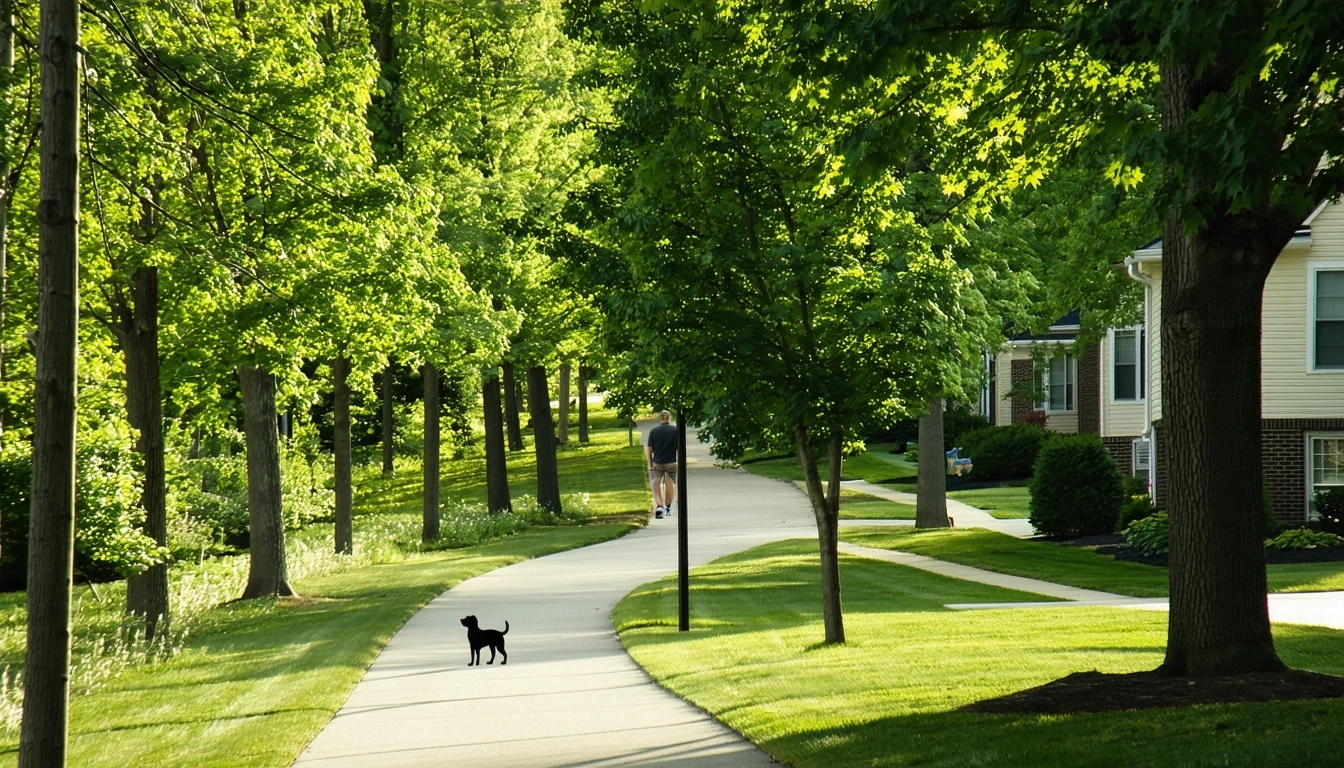
What Novi Feels Like: The Emotional Landscape
Novi’s tone is shaped by a few defining tensions. It’s a suburb with pockets of walkability, but you’re still reaching for your keys most days. It’s green and park-rich, but family infrastructure — schools, playgrounds, youth-oriented spaces — doesn’t blanket the city the way some newcomers assume. It’s affluent enough to support a polished retail and dining scene, but that same affluence creates a cost-of-entry anxiety for households stretching to get in.
The city’s pedestrian-to-road ratio is high in certain areas, and cycling infrastructure is notably present. If you’re someone who values the option to walk or bike recreationally, Novi offers that in ways many car-dependent suburbs don’t. But daily errands — groceries, pharmacies, quick stops — tend to cluster along commercial corridors rather than distribute evenly across neighborhoods. That means your experience of convenience depends heavily on where you land within the city.
Public transit exists in the form of bus service, but it’s not a primary mobility tool for most residents. Novi is a place where car ownership is assumed, and households without reliable vehicles face friction. For professionals working remotely or commuting to nearby job centers, that’s manageable. For families juggling school drop-offs, activities, and errands, it’s a daily logistical load.
Green space access is one of Novi’s genuine strengths. Parks are integrated throughout the city, and water features add texture to the landscape. If your household prioritizes outdoor time, trail access, and recreational space, Novi delivers. But if you’re expecting a neighborhood where your kids can walk to school, meet friends at a nearby playground, and move independently, the infrastructure doesn’t support that as robustly as the “family suburb” reputation might suggest.
Social Media Buzz in Novi
Online discussion about Novi tends to revolve around a few recurring themes: pride in the city’s upkeep and amenities, frustration with traffic and corridor congestion, and ongoing debate about what kind of growth the city should embrace.
Residents who feel aligned with Novi often emphasize its cleanliness, safety, and access to shopping and dining. There’s a protective tone when comparisons come up — a sense that Novi has “made it” in ways other suburbs are still chasing. But that pride coexists with fatigue over crowding, especially along major commercial routes, and concern that rapid development is outpacing infrastructure.
“It’s a great place to raise kids if you can afford it, but don’t expect them to bike to school or walk to a friend’s house.”
“We love the parks and trails, but I wish we didn’t have to drive everywhere for groceries.”
“Novi feels polished, but sometimes it feels like polish is all there is — not much grit or character.”
The tone isn’t hostile, but it’s not uncritical either. People who thrive here tend to accept the car-dependent structure as a reasonable tradeoff for space, safety, and amenities. People who chafe against it often wish for more walkable texture or independent mobility for their kids.
Local News Tone
Coverage of Novi tends to frame the city through the lens of growth, development, and community identity. The tone is generally optimistic but occasionally cautious, reflecting a city that’s still negotiating what it wants to become.
- “New Retail and Dining Options Arrive as Novi Expands”
- “Residents Weigh Convenience Against Traffic Concerns”
- “Community Debates What Growth Should Look Like”
- “Parks and Trails Draw Families Seeking Outdoor Access”
- “Novi’s Appeal Grows, But Housing Costs Rise in Step”
The framing reflects a city that’s desirable and evolving, but not without tension. Growth brings amenities, but it also brings congestion and cost pressure. The city’s identity as a family suburb is reinforced, but the infrastructure to support that identity — particularly for independent child mobility — doesn’t always keep pace with the narrative.
Review-Based Public Perception
Public reviews of Novi — whether on Google, Yelp, or neighborhood platforms — tend to cluster around a few predictable themes. Praise centers on safety, cleanliness, park quality, and retail variety. Complaints focus on traffic, cost, and a perceived lack of walkable neighborhood character.
People who moved to Novi seeking suburban comfort with access to amenities tend to feel satisfied. The city delivers on that promise. People who moved expecting a tight-knit, walkable neighborhood where kids roam freely often feel let down. The infrastructure supports car-based convenience, not pedestrian independence.
“Great parks, great schools, but you’re driving everywhere. Plan accordingly.”
“It’s clean and safe, but it doesn’t feel like a ‘neighborhood’ — more like a collection of subdivisions.”
“If you want suburban comfort and don’t mind driving, Novi is solid. If you want walkability or transit, look elsewhere.”
Newer planned areas tend to feel more uniform and amenity-rich, while older pockets offer more architectural variety and established trees. But even in older sections, daily errands still require a car. The city’s mixed building character and land-use diversity create visual interest, but they don’t eliminate the fundamental car dependency that shapes monthly expenses and daily routines.
Comparison to Nearby Cities
| Dimension | Novi | Farmington Hills | Northville |
|---|---|---|---|
| Overall Vibe | Polished suburban comfort with pockets of walkability | Established, diverse, slightly grittier | Quaint downtown charm, higher cost of entry |
| Walkability | Walkable pockets, car-dependent overall | More walkable corridors, older infrastructure | Downtown walkable, rest car-dependent |
| Family Feel | Family-oriented reputation, limited infrastructure density | Family-friendly with more established school access | Strong family infrastructure, premium pricing |
| Retail & Dining | Abundant, corridor-clustered | Solid variety, less polished | Boutique-heavy, downtown-focused |
| Green Space | Integrated parks, high access | Good park access, older facilities | Excellent trails and nature access |
Novi sits between Farmington Hills’ established diversity and Northville’s boutique charm. If you prioritize polish, newer amenities, and don’t mind driving, Novi fits. If you want more walkable texture or a tighter downtown core, Northville might feel more aligned — but you’ll pay for it. If you want a slightly grittier, more affordable suburban experience with good school access, Farmington Hills offers that without Novi’s premium.
None of these cities eliminate car dependency, but they offer different flavors of suburban life. Novi’s flavor is clean, green, and amenity-rich, but it requires you to drive to access most of what it offers.
What Locals Are Saying
“We love the parks and the sense of safety, but I didn’t realize how much time I’d spend in the car. Every errand is a drive.”
“Novi is perfect if you’re established and can afford it. If you’re stretching to get in, the cost pressure is real.”
“The schools are good, but I wish there were more playgrounds and places for kids to walk to. It’s not as ‘family-friendly’ as I expected in that sense.”
“I work remotely and love the trails. For me, Novi is ideal. But if I had to commute daily or relied on transit, I’d feel trapped.”
“It’s clean, it’s safe, it’s convenient — but it doesn’t have much personality. Everything feels a little too planned.”
“We moved here from a denser suburb and miss being able to walk to coffee or groceries. Novi has everything, but it’s all spread out.”
“If you’re looking for suburban comfort and outdoor access, Novi delivers. Just know you’re trading walkability for space.”
Does Novi Feel Like a Good Fit?
Novi works well for households that value suburban order, green space, and access to amenities — and who accept car dependency as the cost of entry. It’s a strong fit for professionals, remote workers, and families who prioritize safety and outdoor recreation over walkable neighborhood texture. The city’s integrated parks, notable cycling infrastructure, and walkable pockets offer more than many car-dependent suburbs, but they don’t eliminate the need to drive for daily errands.
Novi tends to frustrate households expecting dense family infrastructure, walkable daily errands, or transit viability. The “family suburb” reputation is real in terms of safety and income levels, but the density of schools, playgrounds, and youth-oriented spaces doesn’t match what that label often implies. If your household needs independent child mobility or transit access, Novi will feel limiting.
The city’s emotional profile is one of polished comfort with uneven convenience. If that tradeoff aligns with your priorities, Novi delivers. If you’re hoping for a neighborhood where you can walk to most of what you need, or where your kids can roam independently, the structure of daily life here may not match your expectations.
For more insight into how these tradeoffs play out financially and logistically, explore what ‘enough’ actually means in Novi or dig into the details of where money goes each month.
How this article was built: In addition to public economic data, this article incorporates location-based experiential signals derived from anonymized geographic patterns—such as access density, walkability, and land-use mix—to reflect how day-to-day living actually feels in Novi, MI.
The perspectives shown reflect commonly expressed local sentiment and recurring themes in public discussion, rather than individual accounts.