
What does it actually feel like to live in National City? According to a composite sentiment analysis, 74 out of 100 residents say they’re happy in National City—but that number only tells part of the story. The real question isn’t whether people are satisfied on average; it’s whether the city’s rhythm, tradeoffs, and daily texture align with what you need from a place.
National City sits in the heart of San Diego County, just south of downtown San Diego and minutes from the bay. It’s a working-class city with deep roots, evolving infrastructure, and a strong sense of community identity. For some, it’s an affordable gateway to the region’s opportunities and amenities. For others, it’s a place where convenience and practicality sometimes come at the expense of polish and variety. Understanding who thrives here—and who feels restless—requires looking past the score and into the lived experience.
The Emotional Landscape of National City
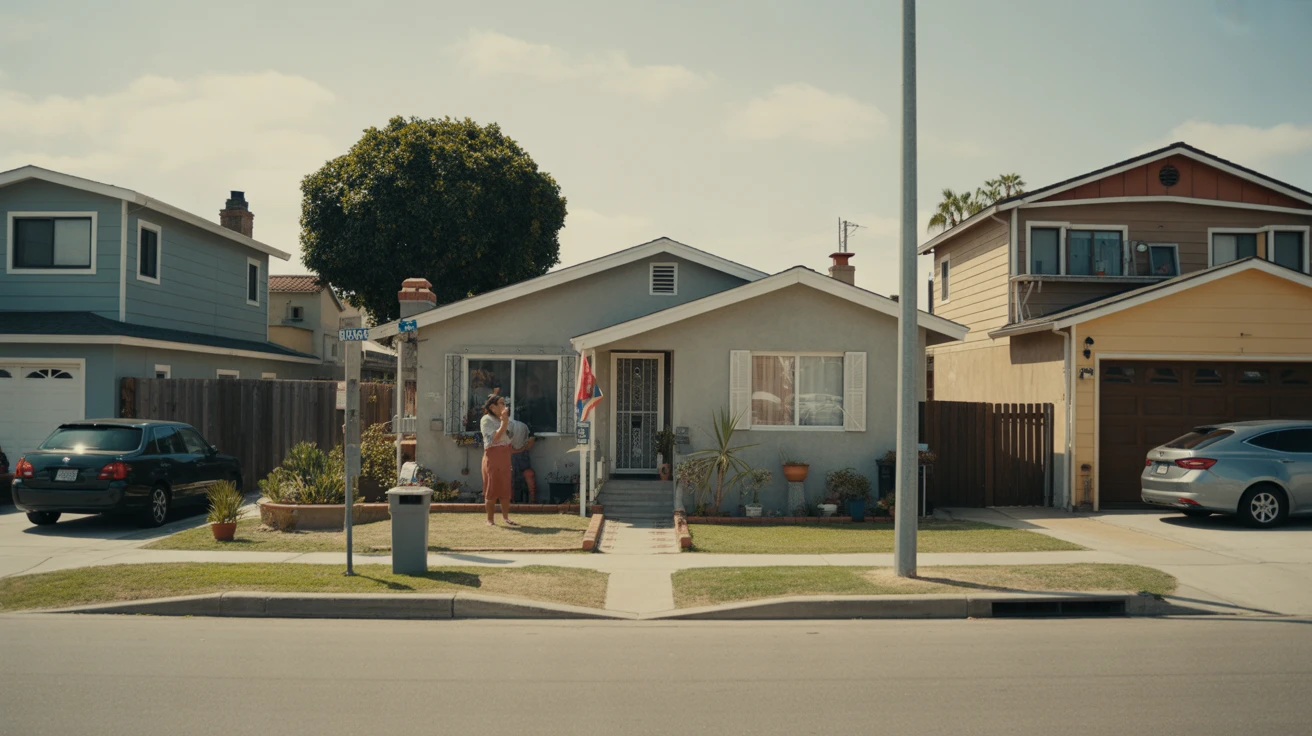
National City tends to reward people who value proximity, practicality, and unpretentious community life. It’s a place where you can access San Diego’s job market, coastline, and cultural offerings without paying downtown prices. Residents often describe it as a city that “gets the job done”—close to freeways, close to work, close to family, and full of familiar faces.
But that practicality comes with tradeoffs. National City doesn’t offer the walkable downtown districts, boutique retail corridors, or nightlife scenes that draw people to nearby neighborhoods like North Park or Little Italy. It’s not a place where you stumble upon new restaurants every weekend or find curated third-wave coffee shops on every corner. For people who crave spontaneity, aesthetic variety, or a strong sense of “scene,” National City can feel limiting.
The city’s identity is rooted in working families, multi-generational households, and long-term residents who’ve watched the area change over decades. Newcomers who arrive expecting suburban tranquility or urban energy often find themselves recalibrating. National City is neither—it’s a dense, busy, practical city with pockets of charm and a lot of in-between space.
What People Are Talking About Online
In cities like National City, locals often describe the vibe as grounded but evolving. On platforms like Reddit, Facebook groups, and neighborhood forums, recurring themes include pride in affordability, frustration with congestion, and cautious optimism about redevelopment efforts.
“It’s not fancy, but it’s real. You can actually afford to live here and still be part of the San Diego region.”
“Traffic on the 5 is brutal, and it feels like every street is under construction. But at least things are moving forward.”
“People complain, but they don’t realize how much access you get for the price. We’re ten minutes from downtown, fifteen from the beach, and our rent is half what it would be in Point Loma.”
The tone is rarely celebratory, but it’s also rarely defeated. Residents tend to frame National City as a pragmatic choice—a place where you trade aesthetic appeal and walkability for affordability and regional access. There’s a protective streak in local discussions, especially when outsiders dismiss the city as “just a pass-through.” Long-time residents push back on that narrative, pointing to strong schools, family-friendly parks, and a sense of neighborhood cohesion that’s harder to find in trendier areas.
How Local Coverage Frames the City
Local news and community coverage tend to focus on growth, change, and identity. National City is often framed as a city in transition—balancing its working-class roots with new development, infrastructure investment, and shifting demographics. The tone is rarely alarmist, but it’s also rarely triumphant. Instead, coverage reflects the tension between progress and preservation, convenience and character.
Common headline themes include:
- “Community Debates What Growth Should Look Like”
- “New Amenities Arrive as Neighborhood Identity Evolves”
- “Residents Weigh Convenience vs Quiet”
- “Longtime Locals Reflect on Decades of Change”
- “Infrastructure Upgrades Bring Disruption and Hope”
These aren’t reports of specific incidents—they’re recurring frames that shape how people think about living here. The city is rarely portrayed as stagnant, but it’s also not framed as a destination. Instead, it’s depicted as a place where people build lives, raise families, and make practical decisions about housing tradeoffs.
What Reviews and Public Perception Reveal
On platforms like Google Reviews, Yelp, and Nextdoor-style forums, National City’s public perception reflects a mix of appreciation, mild frustration, and recalibrated expectations. People who arrive expecting suburban serenity or urban vibrancy often feel disappointed. People who arrive expecting affordability, access, and unpretentious community life tend to feel satisfied.
Positive themes include:
- Affordability relative to the rest of San Diego County
- Proximity to jobs, freeways, and regional amenities
- Strong sense of neighborhood and multi-generational community
- Access to parks, schools, and family-friendly infrastructure
Common complaints include:
- Limited walkability and car dependency
- Traffic congestion, especially near freeway interchanges
- Lack of dining variety and nightlife options
- Aesthetic inconsistency—some blocks feel well-kept, others feel neglected
Neighborhood variation matters here. Newer planned areas near the bay tend to feel more polished and family-oriented, while older pockets closer to commercial corridors can feel denser and more worn. But even within those distinctions, the city’s overall character remains practical and unpretentious. It’s not a place that tries to impress—it’s a place that works.
How National City Compares to Nearby Cities
| Aspect | National City | Chula Vista | Imperial Beach |
|---|---|---|---|
| Overall Vibe | Practical, working-class, evolving | Suburban, family-oriented, sprawling | Coastal, laid-back, small-town feel |
| Walkability | Limited, car-dependent | Very limited, designed for driving | Moderate, especially near the pier |
| Dining & Nightlife | Functional, not diverse | Growing, chain-heavy | Casual, beach-focused |
| Community Feel | Tight-knit, multi-generational | Suburban, family-centric | Close-knit, coastal identity |
| Housing Pressure | Moderate, still affordable | Higher, especially in newer areas | Moderate, limited inventory |
National City occupies a middle ground between Chula Vista’s sprawling suburban character and Imperial Beach’s coastal small-town feel. If you prioritize affordability and regional access over walkability and dining variety, National City tends to deliver. If you want more space, newer construction, and a stronger suburban identity, Chula Vista might feel like a better fit. If you crave coastal proximity and a slower pace, Imperial Beach offers that—but with less access to jobs and services.
None of these cities is objectively “better.” The question is which tradeoffs align with your daily life. National City works best for people who need to be close to work, close to family, and close to the region’s opportunities—without paying a premium for aesthetic polish or walkable urbanism.
Voices from the Community
“We moved here from North County because we couldn’t afford to buy there. It’s not as pretty, but we’re ten minutes from my husband’s job and our kids go to a great school. We’re not trying to impress anyone—we’re just trying to build something.”
“I’ve lived here my whole life. People from outside always talk about what’s wrong with National City, but they don’t see the community. Everyone knows each other. We look out for each other. That’s worth more than fancy restaurants.”
“It’s fine for now, but I don’t see myself staying long-term. There’s just not much to do here. If I want to go out, I’m driving to downtown or North Park. It gets old.”
“The traffic is honestly the worst part. Getting on and off the freeway during rush hour is a nightmare. But once you’re home, it’s quiet. We have a yard, good neighbors, and we’re not drowning in rent.”
“I work remotely, and I thought living here would be a good compromise—affordable, close to the city, close to the beach. But I feel isolated. There’s no coffee shop culture, no co-working vibe. It’s just not built for people like me.”
“We’re retired and we love it. We don’t need nightlife or trendy shops. We need a safe neighborhood, a park to walk in, and a grocery store nearby. National City gives us that, and we’re not spending our whole pension on housing.”
“It’s not perfect, but it’s honest. You get what you see. No one’s pretending it’s something it’s not.”
Does National City Feel Like a Good Fit?
National City tends to work for people who prioritize affordability, regional access, and unpretentious community life over walkability, aesthetic variety, and urban amenities. It’s a city that rewards practicality and punishes expectations of polish. If you need to be close to work, close to family, and close to the broader San Diego region—and you’re willing to drive for dining, entertainment, and spontaneity—National City delivers.
It tends to frustrate people who crave walkable neighborhoods, diverse dining scenes, or a strong sense of “place identity.” It’s not a city where you stumble upon new experiences or feel immersed in a distinct cultural vibe. It’s a city where you build routines, manage day-to-day costs, and make practical decisions about time, money, and proximity.
The 74-out-of-100 sentiment score reflects that reality. Most people aren’t thrilled, but most people aren’t miserable either. They’ve made a tradeoff, and for many, it’s the right one. The question isn’t whether National City is “happy”—it’s whether the city’s rhythm, tradeoffs, and daily texture align with what you need from a place. If you’re still exploring what that means for you, consider looking into quality of life factors that shape how “enough” actually feels here.
How this article was built: In addition to public economic data, this article incorporates location-based experiential signals derived from anonymized geographic patterns—such as access density, walkability, and land-use mix—to reflect how day-to-day living actually feels in National City, CA.
The perspectives shown reflect commonly expressed local sentiment and recurring themes in public discussion, rather than individual accounts.