
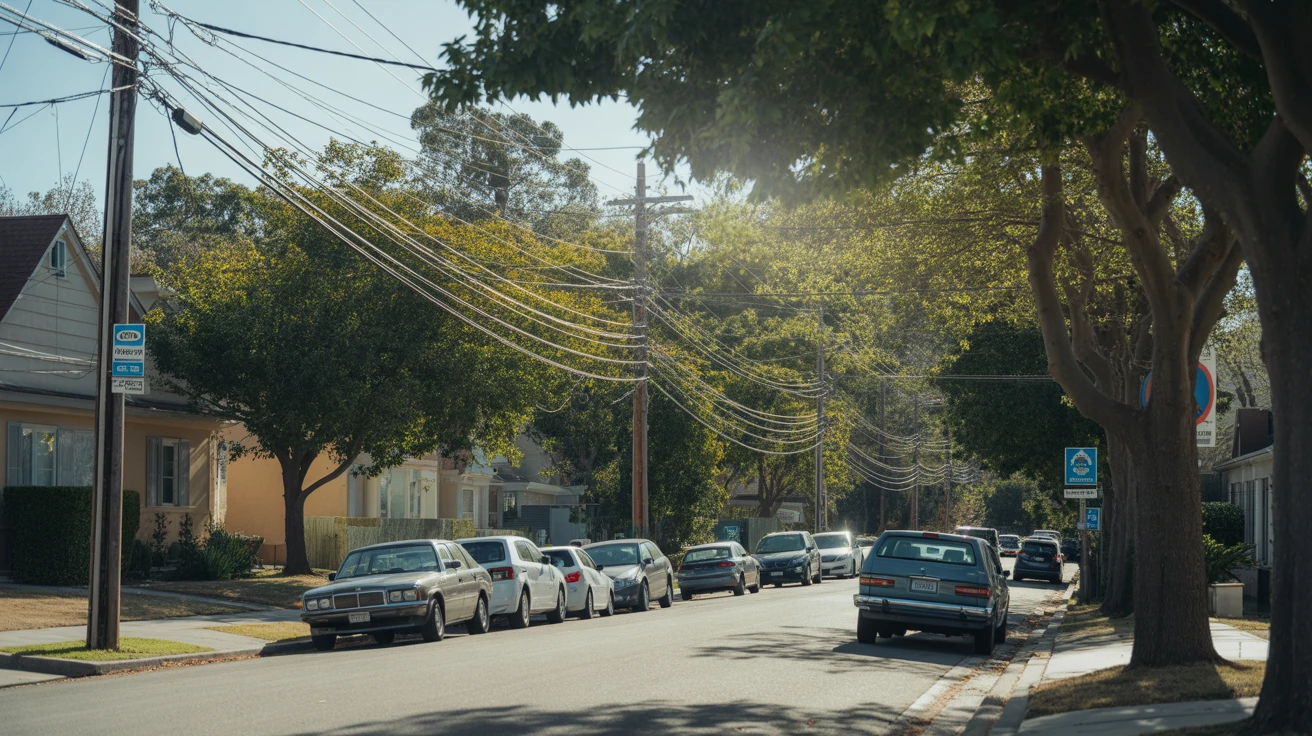
National City and Oceanside sit in the same San Diego metro, but their cost structures pull in opposite directions. National City offers lower housing entry costs and dense, walkable errands access with rail transit and integrated parks—but comes with higher gas prices and a steeper regional price environment. Oceanside delivers more walkable pockets, notable bike infrastructure, and hospital access, but asks households to absorb higher rents, longer commutes, and a housing market that skews toward single-family homes. The decision isn’t about which city costs less overall—it’s about which cost pressures your household can absorb and which tradeoffs feel manageable in 2026.
For renters prioritizing proximity to daily errands and lower monthly obligations, National City’s structure may feel more predictable. For families valuing hospital access, bike-friendly zones, and outdoor recreation despite higher housing entry, Oceanside’s layout may justify the premium. Both cities share rail service and mixed land use, but the texture of daily life—how you move, where you shop, what you pay at the pump—differs enough to reshape how the same income feels month to month.
This comparison explains where cost pressure concentrates in each city, how different households experience those differences, and why the better fit depends on what dominates your budget and your schedule.
Housing Costs
National City’s median home value sits at $505,800, while Oceanside’s reaches $644,600. That gap represents more than price—it reflects different housing stock, different buyer competition, and different entry barriers. National City’s lower median suggests a market with more accessible entry points for first-time buyers and smaller households, though availability and competition for single-family homes can still create friction. Oceanside’s higher median reflects a market tilted toward larger homes, coastal proximity, and neighborhoods built around car ownership and yard space.
Renters face a similar split. National City’s median gross rent stands at $1,504 per month, while Oceanside’s reaches $2,078 per month. That difference compounds over a year, but the comparison isn’t just about the dollar figure—it’s about what that rent buys. National City’s rental market includes more apartments and attached housing, often closer to transit and errands. Oceanside’s rental market skews toward single-family homes and larger units, often requiring a car and longer commutes but offering more space and access to parks and schools.
For renters, National City’s lower monthly obligation leaves more room for transportation, utilities, and discretionary spending, but may mean less space and older housing stock. Oceanside’s higher rent buys more square footage and access to hospital services and bike-friendly zones, but front-loads housing pressure and reduces flexibility elsewhere. For buyers, National City’s lower entry cost makes ownership more accessible, but Oceanside’s market offers more stability and resale predictability for households planning to stay long-term.
Housing takeaway: National City fits households prioritizing lower entry costs, rental affordability, and proximity to dense errands access. Oceanside fits households willing to absorb higher housing costs in exchange for more space, hospital access, and bike-friendly infrastructure. The difference isn’t about which city is cheaper—it’s about whether your household can absorb front-loaded housing pressure or needs to preserve flexibility in other categories.
Utilities and Energy Costs
Electricity rates differ slightly: National City charges 30.29¢/kWh, while Oceanside charges 31.91¢/kWh. Natural gas prices reverse: National City pays $22.96/MCF, Oceanside pays $21.94/MCF. These differences are narrow, but they interact with housing stock, climate exposure, and household size in ways that shift where utility pressure shows up. National City’s slightly lower electricity rate matters more for households in apartments or smaller homes running air conditioning during warm months. Oceanside’s slightly lower gas rate benefits households in larger, older single-family homes that rely on gas heating during cooler evenings.
Both cities experience mild coastal climates, but Oceanside sits closer to the ocean and benefits from more consistent marine layer cooling, reducing peak cooling demand. National City sits slightly inland, experiencing warmer afternoons and more pronounced summer heat, which drives higher air conditioning usage in homes without insulation upgrades. For renters in older apartments, National City’s cooling exposure can create unpredictable summer bills. For homeowners in Oceanside’s larger homes, baseline gas usage and water heating create steadier, more predictable utility obligations year-round.
Household size amplifies these differences. Single adults in National City’s smaller apartments face lower baseline usage but higher per-square-foot cooling costs during summer. Families in Oceanside’s larger homes face higher baseline gas and electric usage but more predictable seasonal patterns. Older housing stock in both cities increases exposure, but National City’s denser apartment stock concentrates that risk among renters, while Oceanside’s single-family stock spreads it across homeowners with more control over efficiency upgrades.
Utility takeaway: National City’s utility exposure tilts toward cooling volatility in smaller, older apartments, affecting renters most. Oceanside’s exposure tilts toward baseline usage in larger homes, affecting families and homeowners with steadier but higher obligations. Households sensitive to summer spikes may prefer Oceanside’s marine cooling; households prioritizing lower baseline costs may prefer National City’s smaller housing footprint.
Groceries and Daily Expenses
National City’s regional price parity index sits at 179, while Oceanside’s sits at 111. That gap signals a meaningful difference in how far a dollar stretches on everyday purchases—groceries, household goods, dining out, and convenience spending. National City’s higher index reflects denser commercial activity, more specialty retailers, and proximity to urban San Diego, which raises baseline prices but also increases access. Oceanside’s lower index reflects a more suburban retail environment with big-box stores, chain groceries, and fewer premium options, which lowers prices but may require more driving to comparison-shop.
National City’s experiential signals show broadly accessible food and grocery density, meaning households can walk or take short drives to multiple options. That access reduces time cost but doesn’t eliminate price pressure—staples like bread, cheese, and eggs still reflect the higher regional price environment. Oceanside’s corridor-clustered food and grocery pattern means households often drive to one or two main shopping zones, which lowers prices but increases transportation friction and limits spontaneous errands.
For single adults, National City’s dense errands access reduces the need for bulk shopping and car trips, but higher prices per item add up over time. For families managing larger grocery volumes, Oceanside’s lower prices and big-box access create savings opportunities, but require more planning, more driving, and more time. Couples splitting errands may find National City’s walkable density more convenient, while families with kids may find Oceanside’s lower prices and larger stores more practical despite the commute.
Grocery takeaway: National City fits households prioritizing errands convenience and walkable access despite higher prices. Oceanside fits households willing to drive for lower prices and bulk shopping. The difference isn’t about total grocery spending—it’s about whether your household values time savings or price savings, and whether you can absorb higher per-item costs in exchange for denser access.
Taxes and Fees

Both National City and Oceanside sit in San Diego County, so property tax rates and sales tax structures overlap significantly. However, city-specific fees, special assessments, and HOA prevalence differ in ways that reshape ongoing obligations. National City’s denser, older housing stock includes more apartments and condos with lower property tax bases but higher prevalence of shared maintenance fees and special assessments for aging infrastructure. Oceanside’s single-family housing stock carries higher property tax obligations tied to higher home values, but fewer shared fees and more direct control over maintenance timing.
For renters, these differences show up indirectly. National City landlords may pass through higher maintenance fees or special assessments as rent increases, creating less predictable year-over-year costs. Oceanside landlords face higher property taxes but more stable fee structures, which can translate to steadier rent renewals. For homeowners, National City’s lower property tax base reduces ongoing obligations but increases exposure to HOA fee volatility and special assessments. Oceanside’s higher property tax base creates larger annual obligations but more predictable long-term cost structures.
Sales taxes apply equally, but spending patterns differ. National City’s denser retail environment and higher price levels mean households pay more sales tax on the same basket of goods. Oceanside’s lower price levels reduce sales tax exposure, but longer commutes and car dependence increase gas tax and vehicle registration costs. Households planning to stay several years should consider whether they prefer lower property tax bases with higher fee volatility (National City) or higher property tax bases with more predictable structures (Oceanside).
Tax and fee takeaway: National City fits households prioritizing lower property tax bases and shorter-term stays despite higher fee volatility. Oceanside fits households valuing predictable long-term tax structures and direct control over maintenance timing. The difference isn’t about total tax burden—it’s about whether your household can absorb unpredictable fee increases or prefers higher but steadier obligations.
Transportation & Commute Reality
Both cities offer rail transit service, but the texture of daily mobility differs. National City’s mixed pedestrian infrastructure and broadly accessible errands density mean many households can walk or take short trips for daily needs, reducing car dependence for errands even if commutes still require driving. Oceanside’s walkable pockets and notable bike infrastructure create more options for car-free trips in certain neighborhoods, but the corridor-clustered errands pattern means most households still drive for groceries and services.
Gas prices tell part of the story: National City’s rate sits at $5.89/gal, while Oceanside’s sits at $4.38/gal. That gap compounds over time for households driving daily, but it interacts with commute distance and frequency. Oceanside’s average commute time reaches 29 minutes, with 44.6% of workers facing long commutes and only 11.4% working from home. National City lacks commute data in the feed, but its denser layout and proximity to urban San Diego suggest shorter average trips for those working locally, though households commuting north may face similar or longer drives.
For single adults working locally, National City’s rail access and dense errands reduce car dependence and offset higher gas prices. For dual-income couples commuting in opposite directions, Oceanside’s lower gas prices help, but longer average commutes and car dependence increase time cost and vehicle wear. For families managing school drop-offs and errands, National City’s denser layout reduces daily driving, while Oceanside’s bike-friendly zones offer alternatives for older kids but still require cars for most household logistics.
Transportation takeaway: National City fits households prioritizing errands walkability and shorter local trips despite higher gas prices. Oceanside fits households willing to drive more and absorb longer commutes in exchange for lower gas prices and bike-friendly zones. The difference isn’t about total transportation spending—it’s about whether your household values time savings and car-free options or can absorb longer commutes and higher driving frequency.
Cost Structure Comparison
Housing dominates the cost experience in both cities, but the pressure shows up differently. National City’s lower entry costs and rental rates create more flexibility for households prioritizing access to dense errands, rail transit, and integrated parks. Oceanside’s higher housing costs buy more space, hospital access, and bike-friendly infrastructure, but front-load financial pressure and reduce flexibility in other categories. Households sensitive to housing entry barriers may prefer National City; households valuing space and healthcare access may prefer Oceanside.
Utilities introduce more volatility in National City, where older apartment stock and warmer inland exposure drive unpredictable summer cooling costs. Oceanside’s steadier marine climate and larger single-family homes create more predictable utility patterns, though baseline usage runs higher. Households in smaller apartments or older rentals may feel utility spikes more acutely in National City; families in larger homes may prefer Oceanside’s steadier seasonal rhythm.
Groceries and daily expenses reflect National City’s higher regional price environment but denser access, versus Oceanside’s lower prices but corridor-clustered shopping. Households prioritizing walkable errands and time savings may absorb National City’s higher per-item costs; households managing larger volumes and willing to drive may capture savings in Oceanside. Transportation patterns matter more in Oceanside, where longer commutes and car dependence interact with lower gas prices but higher time costs. National City’s denser layout and rail access reduce driving frequency, offsetting higher gas prices for households working locally.
The better choice depends on which costs dominate your household. For renters prioritizing lower monthly obligations and walkable access, National City’s structure may feel more manageable. For families valuing hospital access, bike infrastructure, and outdoor space despite higher housing costs, Oceanside’s layout may justify the premium. Neither city is universally cheaper—each concentrates cost pressure differently, and the fit depends on what your household can absorb and what tradeoffs feel sustainable.
How the Same Income Feels in National City vs Oceanside
Single Adult
In National City, lower rent and walkable errands access mean more flexibility for discretionary spending, but higher grocery prices and gas costs chip away at that margin. Utilities become non-negotiable during summer months, especially in older apartments without efficient cooling. In Oceanside, higher rent front-loads financial pressure, but lower grocery prices and gas costs create breathing room if you’re willing to drive for errands. Flexibility exists in transportation choices—bike infrastructure and walkable pockets reduce car dependence in certain neighborhoods—but longer commutes for work eliminate time savings. The difference isn’t about total cost; it’s about whether you prioritize lower rent and dense access or can absorb higher rent for more space and lower everyday prices.
Dual-Income Couple
In National City, lower housing costs leave room for two-car households or one partner working remotely, but higher gas prices and regional price levels reduce purchasing power on groceries and dining out. Rail transit helps if both partners work along the same corridor, but commuting in opposite directions increases driving frequency and fuel costs. In Oceanside, higher rent or mortgage payments dominate the budget, but lower gas prices and grocery costs ease pressure if both partners commute or shop strategically. Hospital access and bike-friendly zones add convenience, but longer average commutes reduce schedule flexibility and increase time cost. The tradeoff is front-loaded housing pressure versus ongoing transportation and errands friction.
Family with Kids
In National City, lower housing entry costs and integrated parks create more accessible family living, but older housing stock increases utility volatility and maintenance exposure. School density and playground access are strong, reducing driving for family activities. Higher grocery prices and gas costs add up with larger household volumes, but dense errands access reduces time spent shopping. In Oceanside, higher housing costs buy more space and hospital access, but front-load financial pressure and reduce flexibility elsewhere. Playground density is high, and bike infrastructure offers options for older kids, but corridor-clustered errands require more driving and planning. The difference is whether your family can absorb higher housing costs for more space and healthcare access or needs to preserve flexibility in utilities, groceries, and transportation.
Decision Matrix: Which City Fits Which Household?
| Decision factor | If you’re sensitive to this… | National City tends to fit when… | Oceanside tends to fit when… |
|---|---|---|---|
| Housing entry + space needs | You need lower rent or home prices to preserve flexibility in other categories | You prioritize lower monthly obligations and can accept smaller spaces or older housing stock | You value more space, hospital access, and bike infrastructure despite higher entry costs |
| Transportation dependence + commute friction | You want to reduce driving frequency or absorb longer commutes with lower fuel costs | You work locally or value rail access and walkable errands despite higher gas prices | You can absorb longer commutes and car dependence in exchange for lower gas prices and bike-friendly zones |
| Utility variability + home size exposure | You want predictable seasonal bills or can manage cooling spikes in smaller spaces | You live in a smaller apartment and can manage summer cooling volatility with lower baseline usage | You prefer steadier utility patterns in a larger home with marine cooling despite higher baseline usage |
| Grocery strategy + convenience spending creep | You prioritize walkable errands access or need lower per-item prices for bulk shopping | You value dense access and time savings despite higher per-item prices | You can drive to corridor-clustered stores and capture lower prices with bulk shopping |
| Fees + friction costs (HOA, services, upkeep) | You want lower property tax bases or prefer predictable long-term fee structures | You accept higher fee volatility and special assessments in exchange for lower property tax bases | You prefer higher property taxes with more predictable fee structures and direct control over maintenance |
| Time budget (schedule flexibility, errands, logistics) | You need to minimize driving time or can absorb longer commutes for lower everyday costs | You prioritize shorter errands trips and rail access despite higher prices at the pump | You can absorb longer commutes and driving frequency in exchange for bike infrastructure and hospital access |
Lifestyle Fit
National City’s mixed pedestrian infrastructure and broadly accessible errands density create a rhythm where daily life happens within a smaller radius. Rail service connects to downtown San Diego and the broader metro, reducing car dependence for work or entertainment. Integrated park access and water features offer outdoor recreation close to home, and strong school and playground infrastructure support family routines without long drives. The urban form mixes residential and commercial land use, meaning coffee shops, groceries, and services sit within walking distance in many neighborhoods. For households valuing convenience and shorter trips, National City’s layout reduces time cost and driving frequency, even if higher gas prices and regional price levels increase per-trip expenses.
Oceanside’s walkable pockets and notable bike infrastructure create more options for car-free trips in certain zones, but the low-rise character and corridor-clustered errands pattern mean most households still drive for groceries and services. Rail service provides access to San Diego and North County, and hospital presence adds healthcare convenience that National City lacks. Moderate park density and water features support outdoor activity, and high playground density makes family outings easier. Longer average commutes and higher car dependence increase time cost, but lower gas prices and grocery costs ease financial pressure for households willing to drive. For families valuing space, hospital access, and bike-friendly zones, Oceanside’s layout justifies the higher housing entry and commute friction.
Both cities benefit from mild coastal climates, but Oceanside sits closer to the ocean and experiences more consistent marine layer cooling, reducing summer heat exposure. National City sits slightly inland, experiencing warmer afternoons that drive higher air conditioning usage in older housing stock. Neither city is a college town or retirement hub, but both attract families, young professionals, and commuters balancing San Diego metro access with more affordable housing than coastal neighborhoods. The lifestyle difference isn’t about culture or recreation—it’s about how daily logistics unfold, where time cost shows up, and whether your household prioritizes dense access or lower everyday prices.
National City median household income: $59,850 per year. Oceanside median household income: $86,701 per year. These figures reflect different household compositions and employment patterns, but they don’t determine affordability—they signal which cost structures different income levels can absorb. National City’s lower income median aligns with lower housing entry costs and denser rental stock; Oceanside’s higher income median aligns with higher housing costs and single-family homeownership. The fit depends on how your household’s income interacts with each city’s cost structure, not on whether you match the median.
Frequently Asked Questions
Is National City or Oceanside cheaper for renters in 2026?
National City offers lower median rent at $1,504 per month compared to Oceanside’s $2,078 per month, but the comparison isn’t just about the monthly payment. National City’s rental market includes more apartments and attached housing with walkable errands access and rail transit, which reduces transportation costs but exposes renters to higher grocery prices and utility volatility in older units. Oceanside’s higher rent buys more space, hospital access, and bike-friendly zones, but requires more driving and longer commutes. Renters prioritizing lower monthly obligations and dense access may prefer National City; renters valuing space and lower everyday prices may prefer Oceanside despite higher rent.
How do grocery costs compare between National City and Oceanside in 2026?
National City’s regional price parity index sits at 179, while Oceanside’s sits at 111, signaling that everyday prices run higher in National City. However, National City’s broadly accessible food and grocery density means households can walk or take short trips to multiple stores, reducing transportation costs and time spent shopping. Oceanside’s corridor-clustered grocery pattern requires more driving but offers lower per-item prices and big-box access. Households managing larger volumes and willing to drive may capture savings in Oceanside; households prioritizing walkable access and time savings may absorb National City’s higher prices.
Which city has better transportation options, National City or Oceanside, in 2026?
Both cities offer rail transit service, but the texture of daily mobility differs. National City’s mixed pedestrian infrastructure and dense errands access reduce car dependence for daily trips, though gas prices sit at $5.89/gal. Oceanside’s walkable pockets and notable bike infrastructure create car-free options in certain neighborhoods, and gas prices sit lower at $4.38/gal, but average commutes reach 29 minutes with 44.6% of workers facing long commutes. Households working locally and valuing walkable errands may prefer National City; households willing to drive more and absorb longer commutes may prefer Oceanside’s lower gas prices and bike infrastructure.
Does Oceanside or National City have better healthcare access in 2026?
Oceanside has hospital presence with pharmacies, offering full-service healthcare access within city limits. National City has clinics but no hospital, meaning households needing emergency or inpatient care must travel to nearby facilities. For families with young kids, older adults, or anyone managing chronic conditions, Oceanside’s hospital access reduces friction and travel time. For healthy adults needing only routine care, National City’s clinic access may suffice. The difference matters most for households prioritizing healthcare convenience and emergency preparedness.
Which city is better for families with kids, National City or Oceanside, in 2026?
Both cities show strong family infrastructure, but the tradeoffs differ. National City offers lower housing entry costs, integrated park access, and high school density, making family living more accessible despite higher grocery prices and utility volatility. Oceanside offers hospital access, high playground density, and bike-friendly zones, but requires higher housing costs and more driving for errands. Families prioritizing lower monthly obligations and walkable parks may prefer National City; families valuing hospital access and outdoor space despite higher entry costs may prefer Oceanside. Neither city is universally better—it depends on what your family can absorb and what tradeoffs feel sustainable.
Conclusion
National City and Oceanside offer different cost structures within the same San Diego metro, and the better fit depends on which pressures your household can absorb. National City’s lower housing entry costs, walkable errands access, and rail transit create flexibility for renters and first-time buyers, but higher gas prices, regional price levels, and utility volatility in older housing stock increase ongoing exposure. Oceanside’s higher housing costs buy more space, hospital access, and bike-friendly infrastructure, but front-load financial pressure and require longer commutes and more driving for daily errands. Neither city is cheaper overall—each concentrates cost pressure differently.
For single adults and couples prioritizing lower rent and dense access, National City’s structure may feel more manageable despite higher per-item costs. For families valuing hospital access, playground density, and outdoor space, Oceanside’s layout may justify the higher housing entry and commute friction. The decision isn’t about which city costs less—it’s about which cost pressures dominate your budget, which tradeoffs feel sustainable, and how your household’s income and priorities interact with each city’s structure. Both cities offer rail transit, mixed land use, and family infrastructure, but the texture of daily life—how you move, where you shop, what you pay at the pump—differs enough to reshape how the same income feels month to month in 2026.
How this article was built: In addition to public economic data, this article incorporates location-based experiential signals derived from anonymized geographic patterns—such as access density, walkability, and land-use mix—to reflect how day-to-day living actually feels in National City and Oceanside.