
What You’ll Spend on Transit in Morgan Hill
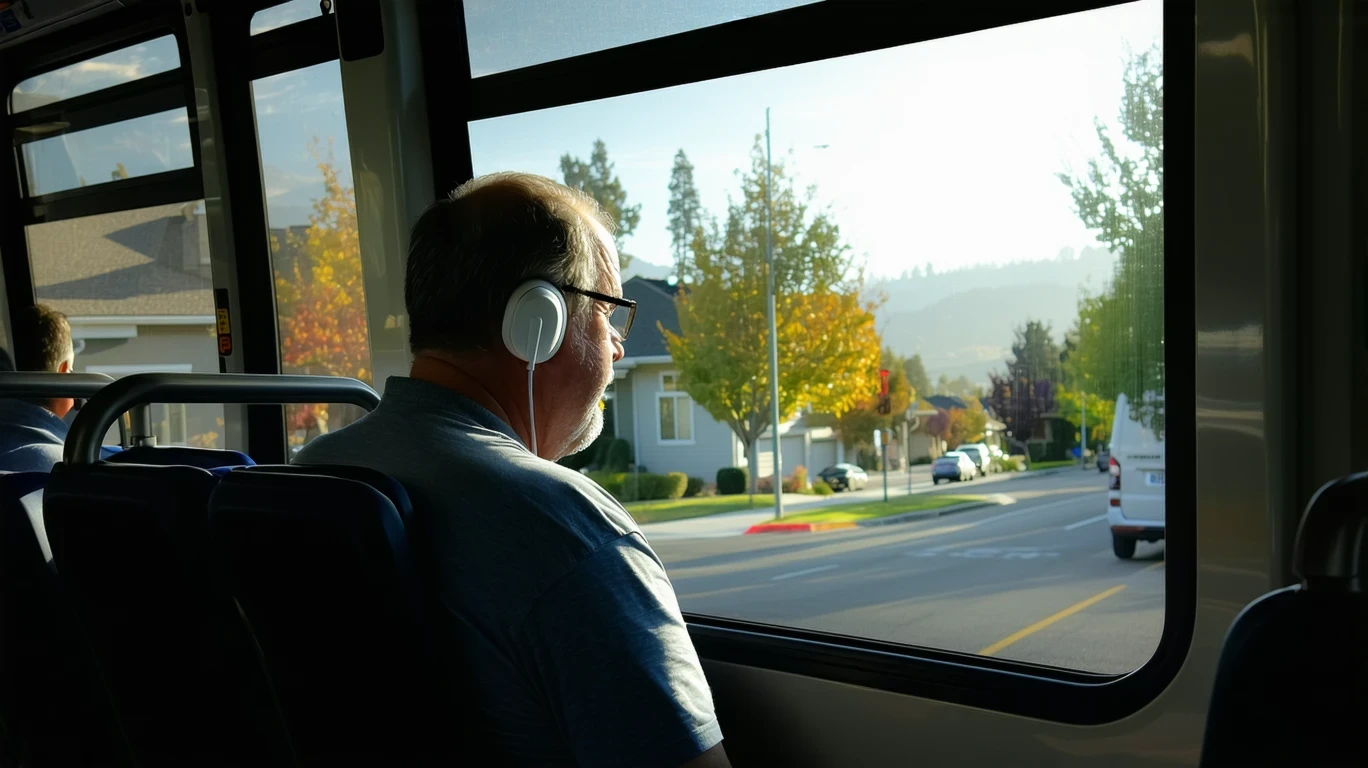
As Bianca stepped onto the morning bus, she swiped her transit card and settled into a window seat. The familiar rhythm of her daily commute through Morgan Hill had begun. Public transportation costs in Morgan Hill are on par with many midsize U.S. cities, with a standard bus fare running around $2.00 per ride. For frequent riders, investing in a monthly pass can bring significant savings. A 30-day bus pass in Morgan Hill typically costs between $60 and $80.
With a cost of living index of 187.4, overall expenses in Morgan Hill trend above the national average, which often extends to transit and commuting. However, for those who rely on public transportation daily, the costs can still be manageable with some smart budgeting and planning.
Getting Around on Transit in Morgan Hill
While Morgan Hill doesn’t have an extensive light rail network, the city is served by a reliable bus system operated by the Santa Clara Valley Transportation Authority (VTA). Riders can connect to regional express routes and nearby Caltrain stations for longer commutes. Some of the key transit options include:
- Local VTA bus routes serving downtown and residential areas
- Express buses connecting to San Jose and other Silicon Valley hubs
- Caltrain park & ride lots for commuters heading to San Francisco or the Peninsula
For those living and working within Morgan Hill, the local bus network provides solid coverage. However, commuters traveling to tech campuses or larger cities nearby will likely need to factor in additional time and transfers.
Budgeting for Your Monthly Commute
The amount you’ll spend on public transit in Morgan Hill can vary significantly based on your commuting habits and route. Let’s break down some common scenarios:
| Rider Profile | Estimated Monthly Cost |
|---|---|
| Weekday commuter (5 days/week) | $80 (monthly pass) |
| Weekend rider (8 trips/month) | $16 (single ride fares) |
| Daily commuter (7 days/week) | $80 (monthly pass) |
Estimates reflect 2025 fares for standard adult riders. Actual costs may vary depending on discounts, pass types, and commuting frequency.
Weighing Transit vs. Driving Costs
For many Morgan Hill residents, the decision between public transit and driving often comes down to cost and convenience. With an average one-way bus commute of around 35 minutes, using transit can be a time-efficient option during peak hours. However, those with longer or more complex commutes may find the multiple transfers and wait times less appealing.
When comparing the costs of car ownership—including monthly expenses like parking, gas, insurance, and maintenance—public transportation often emerges as the more affordable choice. With gas prices hovering near $4.50 per gallon, even a modest transit habit can lead to significant savings over time. Of course, the calculus can shift for those who only commute occasionally or have free parking at work.
Ultimately, the choice between transit and driving in Morgan Hill depends on your specific budget, schedule, and lifestyle priorities. For some, the savings and simplicity of a monthly bus pass make it a clear winner. Others may prefer the flexibility and speed of driving, even with the added costs.
Saving on Transit Fares in Morgan Hill
If you’re looking to trim your transportation spending, there are several ways to save on transit in Morgan Hill:
- Purchase a monthly pass if you ride frequently—it’s often cheaper than paying per trip
- Check if you qualify for discounted fares (seniors, students, disabled, veterans)
- See if your employer offers subsidized transit passes or pre-tax commuter benefits
- Take advantage of free transfers between VTA buses and light rail
🏆 Pro tip: Choosing a monthly pass over daily fares can save regular Morgan Hill commuters up to 20% each month.
Your Morgan Hill Transit Questions, Answered
What’s the most affordable way to get around Morgan Hill using transit?
For most riders, purchasing a monthly VTA pass offers the best value. At $80 for unlimited rides, it’s a cost-effective option if you use transit daily. Seniors, students, and low-income riders may qualify for further discounted passes.
How does the cost of public transit in Morgan Hill compare to driving?
While Morgan Hill gas prices are higher than the national average, transit fares are largely in line with other U.S. cities of its size. For frequent commuters, using transit instead of driving can lead to hundreds in savings each year, especially when factoring in parking and car maintenance costs.
Is public transportation reliable enough for commuting in Morgan Hill?
VTA buses and regional light rail connections offer reasonably reliable service for those commuting within Morgan Hill or to nearby cities. However, riders with longer commutes may face more variables in transit schedules and traffic delays compared to driving.
What transit discounts are available in Morgan Hill in 2025?
VTA offers reduced fares for youth (5-18), seniors (65+), disabled riders, and Medicare cardholders. Low-income riders may also qualify for subsidized passes. Some employers provide pre-tax commuter benefits that can be used for transit expenses.
Are there park-and-ride options for commuters in Morgan Hill?
Yes, there are several park-and-ride lots located near Morgan Hill, including Caltrain stations with connecting shuttle service. These are popular with commuters who live further from major bus routes or who prefer to drive partway.
Riding Smarter in Morgan Hill
As Bianca exited the bus after another smooth commute, she reflected on the savings and simplicity that public transit afforded her. By planning ahead and using a monthly pass, she was able to keep her transportation costs well below what she’d spend on gas and parking alone.
For most Morgan Hill residents, budgeting around $80 per month for transit should suffice if you’re a daily rider, or less if you only ride occasionally. And with gas prices continuing to climb, even an imperfect transit system beats the expenses of driving for many.
Of course, everyone’s commuting calculus is different. But by weighing your options and taking advantage of pass discounts and employer benefits, you can find a public transit rhythm that works for your routine and your wallet.