
“I rely on the bus to get to work every day,” says Tanya, a longtime Miramar resident. “It’s affordable, but you have to plan around the schedule.” Like many in this South Florida suburb, Tanya depends on public transportation to navigate daily life. So what can you expect to spend on transit in Miramar? Here’s a breakdown of the costs for buses, trains, and passes in 2025.
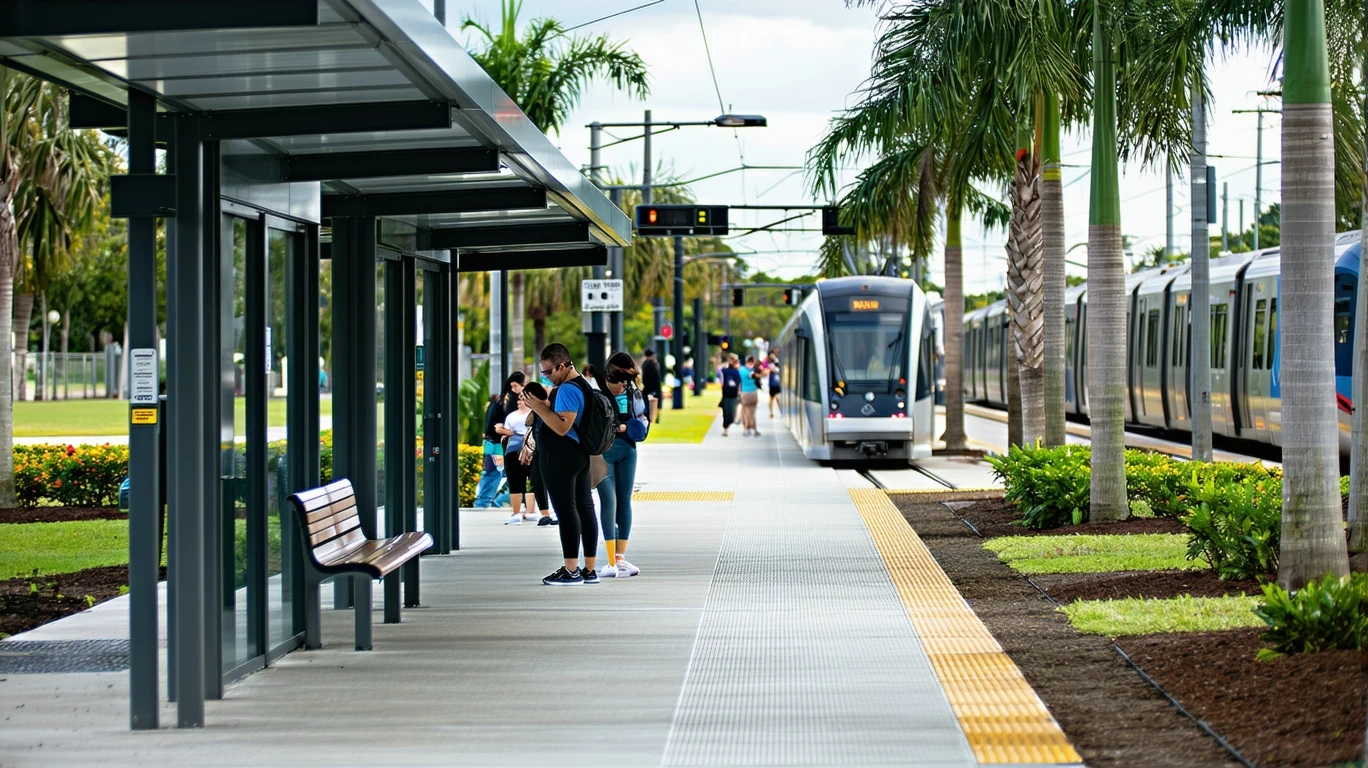
What You’ll Spend on Transit in Miramar
In Miramar, a standard one-way bus fare typically runs around $2.00, on par with many midsize U.S. cities. A 30-day unlimited bus pass costs about $70, providing savings for regular commuters compared to paying per ride. With a cost of living index of 123.4, Miramar trends slightly above the national average, which can extend to transportation expenses like gas and transit passes.
For those relying on public transportation daily, budgeting $70-100 per month is wise to cover fares and any “first mile/last mile” costs like rideshares or bikeshares. Occasional riders can likely get by with less, paying per trip. Can you afford to live in Miramar? Take a look at our monthly budget breakdown to see how transit factors in.
Miramar’s Transit Options
Miramar is primarily served by Broward County Transit (BCT), which operates buses across the region. BCT provides local routes within the city as well as express lines connecting to downtown Miami, Fort Lauderdale, and other employment hubs. Key options include:
- Local buses serving major corridors like Miramar Parkway and FL-823
- Express routes to Miami Airport, Aventura Mall, and Pembroke Pines
- Paratransit service for riders with disabilities
Miramar does not have its own light rail or subway system. However, the Tri-Rail commuter train links the region, with a stop at the Miramar Town Center station. Tri-Rail connects Miramar to Miami, Fort Lauderdale, and West Palm Beach.
Comparing Monthly Commuting Costs
How much you’ll spend on transit each month depends on your commuting habits. Let’s look at three common scenarios:
| Commuter Type | Commuting Costs |
|---|---|
| Weekday rider (5 days/week) | $80 (monthly bus pass) |
| Weekend-only rider | $16 (8 one-way trips) |
| Daily rider (7 days/week) | $100 (monthly pass + occasional Tri-Rail) |
| Car commuter | $200+ (gas, parking, maintenance) |
Estimates reflect 2025 fares for standard adult riders. Actual costs may vary depending on discounts, pass types, and commuting frequency.
Is Transit Worth It in Miramar?
With gas prices around $3.50 per gallon, relying on public transportation can mean significant savings for Miramar commuters. The average bus trip in Miramar takes 35-45 minutes, while driving averages 25 minutes. However, transit is often more reliable during peak times, with dedicated bus lanes on some routes.
Miramar’s walkability varies by neighborhood, with some areas scoring better than others. Where you live impacts the convenience of using transit vs. driving. Overall, Miramar’s public transportation is relatively affordable and usable for many commutes, but not comprehensive. Riders may still need a car for certain trips.
Ways to Save on Miramar Transit
Looking to trim your transportation budget? Consider these tips:
- Buy a monthly pass vs. paying per ride if you use transit regularly
- See if your employer offers subsidized passes or pre-tax transit benefits
- Use free transfers between BCT buses to complete your trip
- Check if you qualify for discounted fares as a student, senior, or eligible resident
🏆 Pro tip: Purchasing a monthly pass instead of paying for individual trips can save daily Miramar commuters around 30% per month.
FAQs About Miramar Transit Costs
What’s the cheapest way to get around Miramar?
For many trips within Miramar, BCT buses are the most affordable option at $2 per ride or $70 for a monthly pass. Biking or walking may be feasible for short distances, depending on your location.
Are there discounts on Miramar transit for students, seniors, or low-income riders?
Yes, BCT offers reduced fares for youth, college students, seniors (65+), Medicare recipients, and eligible low-income residents. Riders with disabilities may also qualify for paratransit or discounted fares.
How much does a typical Miramar commuter spend on transit each month in 2025?
Miramar bus commuters relying on transit 5 days a week typically spend around $70-80 per month on passes or fares. Those who drive spend $200+ on average for gas, parking, and vehicle costs.
Does Miramar have any park-and-ride or express transit options?
Yes, BCT operates several express bus routes connecting Miramar with regional hubs like Miami Airport and downtown Fort Lauderdale. Some routes have park-and-ride lots for easy connections.
Getting Around Miramar on a Budget
For many Miramar residents, public transportation is an affordable alternative to driving, especially with today’s gas prices. Expect to budget around $70-100 per month if you use transit daily, or less if you only ride occasionally. Students, seniors, and low-income residents can take advantage of discounted fares to save even more.
Of course, the best way to get around Miramar depends on your unique commuting needs and budget. Weigh the costs and benefits of transit vs. driving to find the right fit. And don’t forget to explore our other resources on living costs and budgeting in Miramar to see how transportation fits into the bigger picture.