
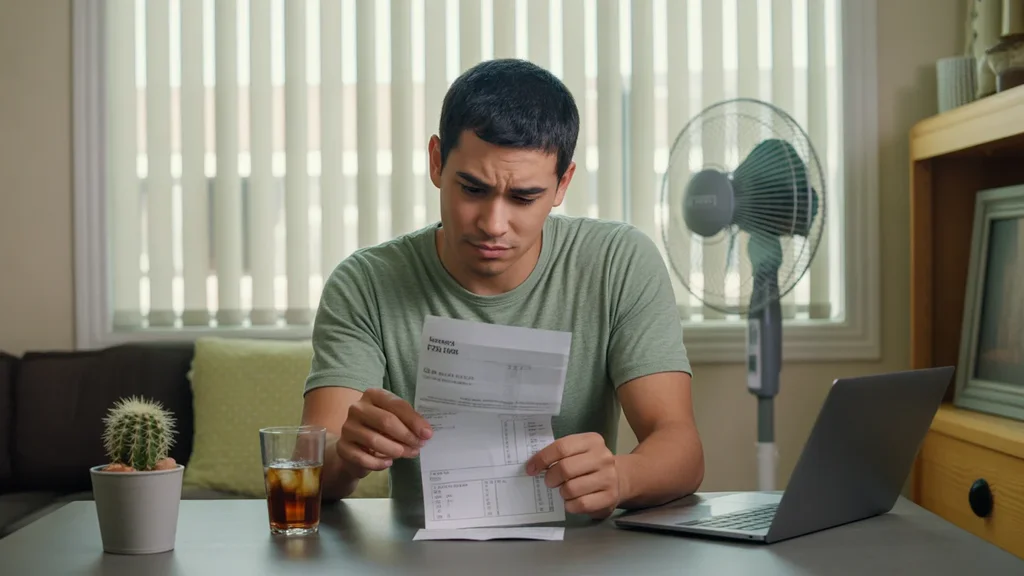
In Maricopa, summer electricity bills can swing to nearly triple what households pay during the mild spring months, driven almost entirely by air conditioning demand in a climate where triple-digit heat is the norm for much of the year.
Understanding Utilities in Maricopa
When planning a household budget in Maricopa, understanding how utilities cost in Maricopa behave throughout the year is essential. Utilities typically represent the second-largest monthly expense after housing, and in a desert climate like Maricopa’s, seasonal swings can be dramatic. Unlike rent or a mortgage payment, which remain fixed, utility bills fluctuate based on weather, household size, home efficiency, and usage patterns.
Core utilities in Maricopa generally include electricity, water, natural gas, trash collection, and recycling. For most single-family homes, these services are billed separately, though some newer developments bundle water, trash, and recycling into homeowner association (HOA) fees. Renters in apartments may find that water and trash are included in rent, but electricity and gas are almost always the tenant’s responsibility. Understanding what you’ll pay directly—and what’s already covered—is a critical first step for anyone moving to Maricopa.
Because Maricopa sits in the low desert of central Arizona, cooling costs dominate the utility picture. The extended cooling season, which can stretch from April through October, means that air conditioning isn’t optional—it’s a baseline cost of living. Winter heating needs are comparatively modest, but natural gas or electric heating systems still see use during occasional cold snaps. For households relocating from regions with more balanced seasonal utility loads, Maricopa’s summer-heavy cost structure can come as a surprise.
Utilities at a Glance in Maricopa
The table below shows how core utility costs typically behave for a mid-size household in a single-family home in Maricopa. Where city-level prices are available in the data feed, they are shown directly. When exact figures are not provided, categories are described qualitatively to reflect how costs are structured and what drives variability.
| Utility | Cost Structure |
|---|---|
| Electricity | 16.03¢/kWh; usage-sensitive, cooling-dominant |
| Water | Tiered pricing; usage-dependent |
| Natural Gas | $17.24/MCF; winter heating exposure |
| Trash & Recycling | Often bundled with water or HOA fees |
| Total | Seasonal variability driven by electricity and heating |
This table reflects utility cost structure for a mid-size household in a single-family home in Maricopa during 2026. Where exact figures are not provided in the IndexYard data feed, categories are described directionally to reflect how costs behave rather than a receipt-accurate total.
Electricity is billed per kilowatt-hour at 16.03¢/kWh in Maricopa, and usage can vary widely depending on home size, insulation quality, thermostat settings, and the efficiency of the cooling system. In a climate where outdoor temperatures regularly exceed 100°F during summer months, electricity is typically the most exposure-sensitive utility in Maricopa, driven more by climate and home efficiency than by base rates. Households with older HVAC systems or poor insulation face significantly higher bills than those with newer, energy-efficient equipment.
Water costs in Maricopa are typically structured with tiered pricing, meaning that the more you use, the higher the per-unit rate climbs. This pricing model is common in desert communities where water conservation is a policy priority. Outdoor irrigation, pools, and larger households push usage into higher tiers, making water bills more variable than many newcomers expect. In some neighborhoods, water service is bundled with trash collection under a single municipal or HOA bill.
Natural gas is priced at $17.24 per thousand cubic feet (MCF) and is primarily used for heating, water heating, and cooking. Because Maricopa’s winters are mild, natural gas bills remain low for much of the year, spiking only during the coldest months when furnaces run more frequently. Homes that rely on electric heating or heat pumps may not use natural gas at all, shifting that exposure back to the electric bill.
Trash and recycling services in Maricopa are often bundled with water billing or included in HOA fees, particularly in newer master-planned communities. Standalone trash service, when billed separately, is typically a fixed monthly fee and represents one of the most predictable components of the utility budget. Recycling is widely available, though the specifics of what’s collected and how often can vary by provider and neighborhood.
How Weather Impacts Utilities in Maricopa
Maricopa’s desert climate creates a utility cost structure that is heavily skewed toward summer. From late spring through early fall, daytime temperatures routinely climb into triple digits, and nighttime lows often remain in the 70s or 80s. Air conditioning runs nearly continuously during these months, and electricity usage can double or triple compared to the mild winter and spring periods. For a household using 1,000 kWh per month during cooler months, summer usage can easily reach 2,000 to 3,000 kWh as cooling systems work to maintain indoor comfort.
Winter in Maricopa is comparatively gentle. Freezing temperatures are rare, and heating demand is modest. Natural gas furnaces or electric heat pumps may run during morning and evening hours in December and January, but the heating season is short and far less intense than the cooling season. Many Maricopa households experience noticeably higher electric bills during peak summer compared to spring, with the gap driven almost entirely by air conditioning load.
One regional quirk worth noting is the role of monsoon season, which typically arrives in July and August. While monsoon storms bring brief periods of cooler temperatures and cloud cover, they also increase humidity, which can make air conditioning systems work harder to remove moisture from indoor air. The result is that even on days when outdoor temperatures dip slightly, cooling costs may not drop as much as expected. Additionally, dust storms and high winds can coat outdoor AC units, reducing efficiency and increasing runtime if filters and coils aren’t cleaned regularly.
How Place Structure Shapes Utility Exposure in Maricopa
Maricopa’s layout and infrastructure play a significant role in how households experience utility costs. The city is characterized by low-rise, single-family residential development spread across a car-oriented street network. Because daily errands like grocery shopping or picking up prescriptions require driving rather than walking, households spend more time at home than they might in a denser, more walkable environment. That means more hours of air conditioning, more frequent use of appliances, and greater overall electricity exposure.
The low-density form also means that most households are responsible for their own utility systems rather than sharing costs through apartment or condo associations. Single-family homeowners pay for their own HVAC maintenance, water usage, and trash service, with no opportunity to spread fixed costs across multiple units. In neighborhoods with homeowner associations, some services like landscaping irrigation or community pool heating may be shared, but individual home cooling and heating remain the dominant cost drivers. This structure rewards efficiency upgrades and penalizes deferred maintenance more directly than in multifamily settings.
How to Save on Utilities in Maricopa
Because electricity represents the largest and most variable utility expense in Maricopa, strategies that reduce cooling costs deliver the most meaningful savings. Upgrading to a high-efficiency air conditioning system, sealing ductwork, and improving attic insulation all reduce the amount of electricity required to maintain indoor comfort. Smart thermostats allow households to raise temperatures slightly during unoccupied hours and pre-cool before peak rate periods, smoothing out both usage and cost.
Many utility providers in the Maricopa area offer time-of-use rate plans, which charge lower rates during off-peak hours and higher rates during peak afternoon and evening periods. Households that can shift heavy electricity use—such as running dishwashers, laundry, or pool pumps—to late-night or early-morning hours can reduce their effective cost per kilowatt-hour. Some providers also offer budget billing programs that average costs across the year, eliminating the shock of triple-digit summer bills in exchange for slightly higher payments during cooler months.
Additional strategies to consider include:
- Installing solar panels to offset daytime electricity usage, particularly valuable given Maricopa’s abundant sunshine and high summer rates
- Planting shade trees on the west and south sides of the home to reduce direct solar heat gain
- Replacing older appliances with ENERGY STAR-rated models that use less electricity and water
- Using ceiling fans to improve air circulation, allowing thermostats to be set a few degrees higher without sacrificing comfort
- Checking for utility rebates on AC tune-ups, duct sealing, or insulation upgrades
- Installing low-flow showerheads and faucet aerators to reduce both water usage and the energy required to heat water
🏆 Tip: Check if your provider in Maricopa offers rebates for energy-efficient AC units or heating systems. Many Arizona utilities provide incentives for upgrades that reduce peak summer demand, and the payback period can be shorter than in regions with milder climates.
FAQs About Utility Costs in Maricopa
Why are utility bills so high in Maricopa during the summer?
Maricopa’s desert climate drives extended air conditioning use from late spring through early fall, with outdoor temperatures regularly exceeding 100°F. Cooling a home in this environment requires significant electricity, and usage can double or triple compared to milder months, making summer the dominant cost period for most households.
What is the average monthly electric bill for an apartment in Maricopa compared to a single-family home?
Apartments typically have lower electric bills than single-family homes because they have smaller square footage and often share walls with neighboring units, which reduces heat gain and cooling load. Single-family homes, especially those with poor insulation or older HVAC systems, face higher exposure due to larger conditioned space and greater surface area exposed to outdoor heat.
Do HOAs in Maricopa usually include trash or water in their fees?
In many newer master-planned communities in Maricopa, HOA fees bundle trash collection, recycling, and sometimes water or sewer service. Older neighborhoods or areas without HOAs typically require residents to contract directly with municipal or private providers, with costs billed separately.
How does seasonal weather affect monthly utility bills in Maricopa?
Summer heat drives the majority of utility cost variability in Maricopa, with electricity bills peaking during the months when air conditioning runs nearly continuously. Winter heating needs are modest, so natural gas or electric heating costs remain low. The result is a cost structure that is heavily summer-weighted, with spring and fall representing the lowest-cost months.
Does Maricopa offer incentives for solar panels or energy-efficient appliances?
Arizona utilities and state programs periodically offer rebates and incentives for solar panel installation, high-efficiency HVAC systems, and energy-efficient appliances. Federal tax credits for solar installations are also available, and the combination of incentives and high summer electricity costs makes solar particularly attractive in Maricopa’s climate.
How Utilities Fit Into the Cost Structure in Maricopa
Utilities in Maricopa are best understood as a seasonal cost driver rather than a fixed monthly expense. Electricity dominates the picture, particularly during the extended summer cooling season, while water, natural gas, and trash represent smaller but still meaningful components of the household budget. The volatility of utility costs—driven primarily by weather and usage patterns—makes them one of the more controllable elements of where your money goes in Maricopa, especially for households willing to invest in efficiency upgrades or adjust usage behavior.
For households planning a move to Maricopa, understanding this seasonal swing is critical. A budget that works in March may feel tight in July if summer cooling costs aren’t anticipated. Similarly, renters comparing apartments should ask whether utilities are included and, if not, request usage history from the landlord to avoid surprises. Homebuyers should factor in the age and efficiency of HVAC systems, insulation quality, and window treatments when evaluating properties, as these features directly affect long-term utility exposure.
Utilities are just one piece of what a budget has to handle in Maricopa, but they’re a piece that households can actively manage through efficiency improvements, rate plan selection, and usage timing. For a complete view of how housing, transportation, groceries, and other costs interact in Maricopa, explore the full suite of cost-of-living resources available through IndexYard. Understanding the structure of utility costs—and the levers available to control them—helps households build budgets that remain stable even as temperatures climb.
How this article was built: In addition to public economic data, this article incorporates location-based experiential signals derived from anonymized geographic patterns—such as access density, walkability, and land-use mix—to reflect how day-to-day living actually feels in Maricopa, AZ.