
Understanding what you’ll pay for utilities in Maricopa means accounting for desert climate realities, seasonal cooling demands, and how water scarcity shapes billing structures across the region.
Understanding Utilities in Maricopa
Utilities cost in Maricopa reflects the city’s position in Arizona’s Sonoran Desert, where extreme summer heat drives household energy consumption and water conservation remains a year-round priority. For most households, utilities represent the second-largest monthly expense after housing, and unlike rent or mortgage payments, these costs fluctuate significantly with weather patterns and usage behavior.
Core utility categories typically include electricity, water, natural gas, trash collection, and recycling services. Electricity dominates summer budgets when air conditioning runs continuously through triple-digit heat, while natural gas plays a smaller role limited primarily to winter heating and year-round water heating. Water bills in desert communities like Maricopa often use tiered pricing structures that penalize higher consumption, reflecting regional scarcity and conservation goals.
For those moving to Maricopa, utility responsibility varies considerably by housing type. Single-family home residents typically manage all utility accounts directly, giving them full control over usage and provider selection where options exist. Apartment dwellers may find water, trash, and sometimes gas included in rent, though electricity almost always remains the tenant’s responsibility. Townhome and HOA communities sometimes bundle certain services into association fees, creating a hybrid model that trades individual control for simplified billing.
Utilities at a Glance in Maricopa
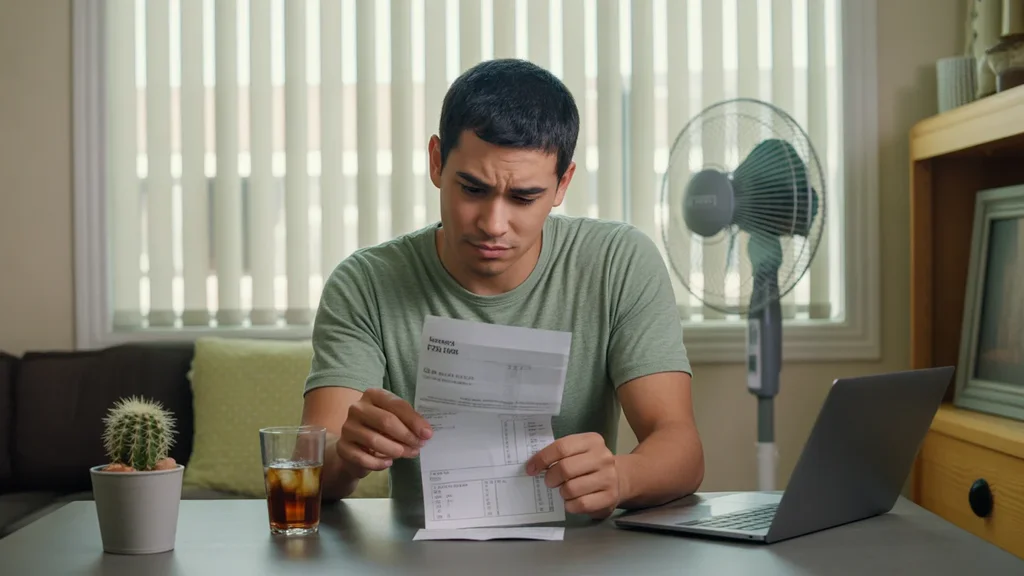
The table below shows how core utility costs typically behave for a mid-size household in a single-family home in Maricopa. Where city-level prices are available in the data feed, they are shown directly. When exact figures are not provided, categories are described qualitatively to reflect how costs are structured and what drives variability.
| Utility | Cost Structure | Primary Driver |
|---|---|---|
| Electricity | Usage-dependent; highly seasonal | Cooling demand during extended summer |
| Water | Tiered pricing; conservation-focused | Household size and outdoor irrigation |
| Natural Gas | Winter-driven; heating-dependent | Water heating and occasional space heating |
| Trash & Recycling | Fixed monthly or bundled with water | Service level and provider |
| Total | Seasonal variability driven by electricity and cooling exposure | |
This table reflects utility cost structure for a mid-size household in a single-family home in Maricopa during 2026. Where exact figures are not provided in the IndexYard data feed, categories are described directionally to reflect how costs behave rather than a receipt-accurate total.
Electricity carries the highest seasonal volatility in Maricopa, with summer bills often running two to three times higher than spring or fall months. The extended cooling season—typically May through September—means air conditioning operates as a necessity rather than occasional comfort, and older homes with less efficient HVAC systems or poor insulation face the steepest exposure. Time-of-use rate structures, where available, can shift costs based on when power is consumed, rewarding households that run major appliances during off-peak evening hours.
Water billing in desert communities typically uses tiered rate structures that increase per-unit costs as consumption rises, creating a progressive pricing model designed to discourage waste. Base-tier usage covers essential indoor needs—showers, laundry, dishwashing—while higher tiers capture outdoor irrigation and pool maintenance. Households with desert landscaping or drought-tolerant yards face lower bills than those maintaining grass lawns, which require frequent watering during the hottest months.
Natural gas plays a secondary role in Maricopa’s utility landscape, primarily heating water year-round and providing space heating during the brief winter season when overnight temperatures occasionally dip near freezing. Unlike northern climates where gas bills spike dramatically in winter, Maricopa’s mild cold season keeps heating costs modest. Homes with gas ranges or dryers add incremental usage, but overall consumption remains relatively stable across the year.
Trash and recycling services in Maricopa are typically billed as a fixed monthly fee, either directly from a waste hauler or bundled with water service depending on the provider and neighborhood. Some HOA communities include trash collection in association dues, simplifying billing but removing individual control over service frequency or container size. Recycling is generally included in standard service, though bulky item pickup or additional containers may carry separate charges.
Electricity is typically the most exposure-sensitive utility in Maricopa, driven more by climate and home efficiency than by base rates.
How Weather Impacts Utilities in Maricopa
Maricopa’s desert climate creates a utility cost pattern dominated by summer cooling rather than winter heating, reversing the seasonal expense curve familiar to residents of colder regions. Triple-digit temperatures arrive in May and persist through September, forcing air conditioning systems to run nearly continuously during afternoon and evening hours. Homes with west-facing windows, minimal shade, or older insulation absorb more heat, translating directly into higher electricity consumption as HVAC systems work harder to maintain comfortable indoor temperatures.
Many Maricopa households experience noticeably higher electric bills during peak summer compared to spring, when mild temperatures allow windows to stay open and air conditioning to remain off for days at a time. The transition months of April and October offer the lowest utility costs, with comfortable weather reducing both cooling and heating needs to near zero. Winter heating costs remain modest by national standards—Maricopa’s rare freezing nights require only occasional furnace use, and daytime temperatures often climb back into the comfortable range without mechanical assistance.
Desert nights cool significantly even during summer, dropping temperatures by twenty to thirty degrees from afternoon highs. This diurnal temperature swing allows strategic households to flush hot air with evening ventilation, reducing overnight cooling loads. However, the intensity and duration of Maricopa’s heat season means that even efficient homes face sustained electricity exposure that dwarfs the modest savings available during the mild winter months.
How to Save on Utilities in Maricopa
Reducing utility costs in Maricopa starts with managing cooling exposure, the dominant driver of household energy consumption. Programmable or smart thermostats allow temperature setbacks during unoccupied hours, reducing runtime without sacrificing comfort when residents are home. Ceiling fans create air movement that makes higher thermostat settings feel comfortable, cutting compressor cycles while using a fraction of the electricity. Window treatments—particularly on west- and south-facing glass—block solar heat gain during peak afternoon hours, lowering the thermal load that air conditioning must overcome.
Water conservation strategies align financial savings with regional environmental priorities. Low-flow showerheads and faucet aerators reduce hot water consumption, cutting both water and energy costs simultaneously. Desert landscaping with native plants eliminates or dramatically reduces outdoor irrigation needs, often the largest component of residential water use. Fixing leaks promptly prevents waste that compounds across billing cycles, and many households find that simply being mindful of irrigation schedules—watering during cooler morning hours to minimize evaporation—lowers bills without sacrificing plant health.
- Enroll in time-of-use electricity plans if available, shifting major appliance use to off-peak evening hours when rates drop
- Add insulation to attics and seal air leaks around doors and windows to reduce cooling system runtime
- Plant shade trees on the west and south sides of homes to block afternoon sun, though benefits take years to mature
- Upgrade to ENERGY STAR-rated appliances when replacing old units, focusing on refrigerators and washing machines that run continuously
- Install solar panels where roof orientation and shading allow, taking advantage of Arizona’s strong sunlight and available incentive programs
- Replace traditional grass lawns with xeriscaping or artificial turf to eliminate irrigation costs
- Use pool covers to reduce evaporation and heating costs for households with swimming pools
🏆 Tip: Check if your provider in Maricopa offers rebates for energy-efficient AC units or heating systems—Arizona utilities frequently run programs that offset upgrade costs for high-efficiency equipment.
FAQs About Utility Costs in Maricopa
Why are utility bills so high in Maricopa during summer? Maricopa’s extended cooling season and triple-digit heat force air conditioning systems to run nearly continuously from May through September, creating electricity consumption that often doubles or triples compared to mild spring months. Homes with older HVAC systems, poor insulation, or significant west-facing window exposure face the steepest bills.
What is the average monthly electric bill for an apartment in Maricopa compared to a single-family home? Apartments typically carry lower electricity costs than single-family homes due to smaller square footage, shared walls that reduce heat transfer, and less exterior surface area exposed to direct sun. However, top-floor units with roof exposure and west-facing windows can approach single-family consumption during peak summer, while ground-floor units with shade stay cooler naturally.
Do HOAs in Maricopa usually include trash or water in their fees? Many HOA communities in Maricopa bundle trash collection into monthly dues, and some include water for common areas or even individual units in townhome configurations. Single-family homes within HOAs typically manage water accounts individually, though the association may handle landscaping irrigation for shared spaces separately from resident billing.
How does seasonal weather affect monthly utility bills in Maricopa? Summer drives the highest bills through cooling costs, spring and fall offer the lowest expenses with minimal heating or cooling needed, and winter remains modest due to Maricopa’s mild cold season. The swing between peak summer and mild spring can represent a two-to-threefold difference in total utility spending, with electricity accounting for most of that variation.
Does Maricopa offer incentives for solar panels or energy-efficient appliances? Arizona utilities and state programs periodically offer rebates and tax incentives for solar installations, high-efficiency air conditioning upgrades, and water-saving appliances. Federal tax credits for residential solar remain available through at least 2026, and some local providers run seasonal promotions that reduce upfront costs for efficiency improvements, though specific program availability and eligibility requirements change over time.
How Utilities Fit Into the Cost Structure in Maricopa
Utilities represent a significant but variable component of household expenses in Maricopa, with seasonal swings creating budget pressure that differs fundamentally from fixed costs like rent or car payments. Electricity dominates the utility landscape, particularly during the extended summer cooling season when bills can surge well above baseline levels. Water costs remain steady but carry conservation implications that reward efficient households and penalize heavy users through tiered pricing. Natural gas plays a supporting role, primarily heating water year-round with minimal space heating during the brief winter.
Understanding how utilities behave helps households anticipate cost structure fluctuations and identify control points where behavior changes yield meaningful savings. Unlike housing costs that lock in at lease signing or mortgage closing, utility expenses respond directly to usage decisions, thermostat settings, and efficiency investments. This variability creates both risk—unexpectedly high summer bills—and opportunity for households willing to adjust habits or upgrade equipment.
For a complete picture of how utilities interact with housing, transportation, and other expenses, explore the full monthly budget breakdown for Maricopa. IndexYard’s metro-wide analysis provides the comparative context needed to evaluate whether Maricopa’s utility costs align with your household priorities and financial constraints, helping you make informed decisions about where to live and how to manage ongoing expenses.