
Most people assume Kent is the more affordable option simply because home values are lower. But that myth collapses the moment you look at rent, commute patterns, and how daily costs actually stack up for different households. Lynnwood and Kent sit in the same Seattle metro area, share similar access to jobs and amenities, yet deliver completely different cost experiences depending on whether you’re renting or buying, commuting by car or rail, and how much control you need over monthly volatility.
The decision between these two cities in 2026 isn’t about which one costs less overall—it’s about where cost pressure concentrates for your household. Lynnwood offers lower rent and stronger walkability but demands a higher entry price for ownership and exposes homeowners to higher utility rates. Kent delivers lower home values and higher household incomes but extracts that affordability through longer commutes, higher rent, and a car-dependent daily rhythm. The right choice depends entirely on which tradeoffs you’re equipped to manage and which costs hit hardest in your budget.
This comparison explains how housing, utilities, transportation, and daily expenses behave differently in each city, and which households feel those differences most acutely. No universal winner exists here—only better fits for specific situations.
Housing Costs
Lynnwood’s median home value sits at $596,200, while Kent’s comes in at $478,400—a substantial gap that shapes the entire ownership conversation. That difference creates a higher entry barrier in Lynnwood, requiring larger down payments, higher closing costs, and more equity to access the market. For first-time buyers stretching to enter ownership, Kent’s lower home values reduce the upfront cash burden and may open doors that remain closed in Lynnwood. But ownership cost isn’t just about entry price—it’s about what you’re buying into, and Lynnwood’s higher values often reflect newer housing stock, stronger walkability, and proximity to rail transit that reduces car dependence over time.
Renters face the opposite pressure. Lynnwood’s median gross rent is $1,611 per month, compared to Kent’s $1,742 per month. That $131 monthly difference adds up to more than $1,500 annually in ongoing obligations, and it shifts the cost equation for households prioritizing flexibility over ownership. Renters in Lynnwood gain lower monthly housing costs and access to neighborhoods with higher pedestrian-to-road ratios and better cycling infrastructure, which can reduce transportation expenses and time costs. Kent renters pay more each month but often land in areas with more single-family rental options and larger floor plans, which matters for families needing space without the commitment of ownership.
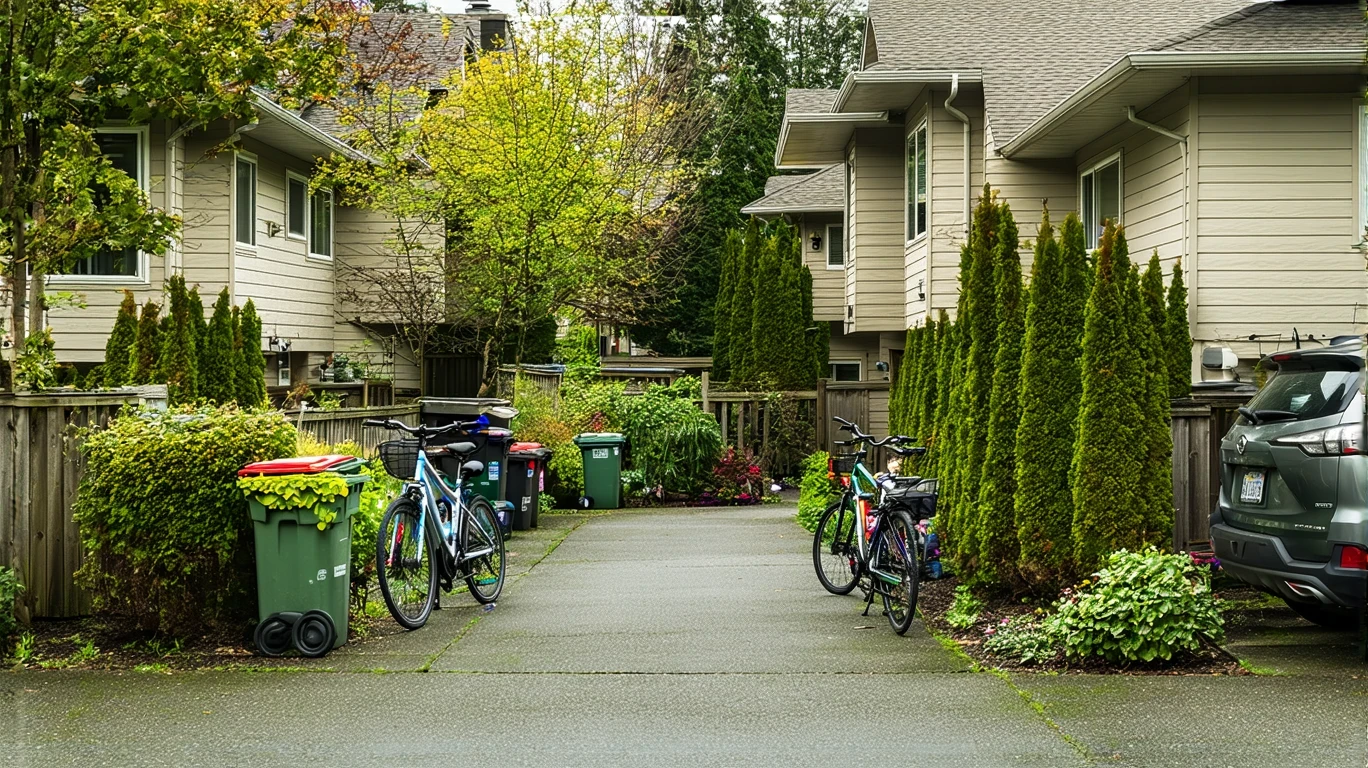
The housing stock itself behaves differently in each city. Lynnwood leans toward mixed-height development with both residential and commercial land use integrated throughout, creating pockets where errands, transit, and housing sit close together. Kent shows similar mixed-use presence but with a building profile that skews toward lower-density single-family homes, which increases space per household but also increases reliance on cars for daily errands. For families prioritizing yard space, garage storage, and separation from neighbors, Kent’s housing form delivers more of that. For households prioritizing walkability, transit access, and lower transportation friction, Lynnwood’s denser pockets offer more flexibility.
| Housing Type | Lynnwood | Kent |
|---|---|---|
| Median Home Value | $596,200 | $478,400 |
| Median Gross Rent | $1,611/month | $1,742/month |
| Ownership Entry Barrier | Higher upfront, newer stock | Lower entry, more single-family options |
| Renter Pressure | Lower monthly obligation | Higher monthly rent, more space options |
First-time buyers sensitive to down payment size and closing costs will find Kent more accessible, though they trade that entry advantage for longer commutes and higher car dependence. Renters prioritizing lower monthly obligations and walkable access gain ground in Lynnwood, while those needing larger units or single-family rentals may find better inventory in Kent despite the higher rent. Families buying for the long term need to weigh Lynnwood’s higher entry cost against its stronger family infrastructure (schools and playgrounds both meet density thresholds) and transit options that reduce the need for multiple cars. The housing decision here isn’t about cheaper or more expensive—it’s about whether you’re more exposed to upfront barriers or ongoing obligations, and whether the housing form matches how you actually move through daily life.
Utilities and Energy Costs
Utility cost behavior splits along predictable lines: Lynnwood exposes homeowners to higher rates, while Kent’s lower rates come with longer heating seasons and larger single-family homes that increase total consumption. Lynnwood’s electricity rate is 13.81¢/kWh compared to Kent’s 13.33¢/kWh, and natural gas prices follow the same pattern—$17.38/MCF in Lynnwood versus $15.51/MCF in Kent. Those differences might seem minor on paper, but they compound over time, especially in older homes with poor insulation or households running high baseline usage from multiple occupants, home offices, or electric heating.
The Pacific Northwest’s mild, wet climate means heating dominates energy costs during fall and winter months, while cooling remains negligible compared to hotter regions. Both cities experience similar seasonal exposure, but the housing stock determines how much that exposure costs. Lynnwood’s mixed building heights and denser development often mean smaller units, shared walls, and newer construction with better insulation, all of which reduce heating needs. Kent’s single-family homes, especially older stock, lose heat faster, require more energy to maintain comfort, and expose households to higher consumption even at lower rates. A family in a 1980s ranch in Kent may burn more total energy than a household in a newer Lynnwood townhome, even though Kent’s per-unit rates are cheaper.
Apartment dwellers in both cities enjoy lower utility exposure overall due to smaller square footage and shared walls that buffer temperature swings. Single-family homeowners face the opposite—higher baseline usage, more volatile seasonal bills, and less predictability. In Lynnwood, that volatility gets amplified by higher rates, meaning a cold snap or an inefficient furnace can spike bills faster. In Kent, lower rates provide some cushion, but larger homes and longer heating seasons mean the total exposure remains significant. Households sensitive to month-to-month budget swings may prefer Kent’s lower rates, while those prioritizing smaller, more efficient housing stock may find Lynnwood’s denser options reduce consumption enough to offset the rate difference.
Utility cost volatility increases with home age and size, not just rates. Renters in newer apartment buildings face the most predictable utility costs in both cities, while single-family homeowners in older stock face the highest exposure. Lynnwood’s higher rates hit hardest when consumption is high, making energy efficiency upgrades and insulation improvements more valuable. Kent’s lower rates provide more breathing room for households in larger homes, but the baseline consumption in single-family stock still drives significant seasonal swings. The takeaway: utility pressure in Lynnwood concentrates in the rate structure, while in Kent it concentrates in the housing form and consumption patterns.
Groceries and Daily Expenses
Grocery cost pressure behaves differently in Lynnwood and Kent, not because prices vary wildly between the two cities, but because the structure of access, store density, and shopping habits shifts depending on where you live. Lynnwood’s regional price parity index sits at 151, indicating prices run higher than the national baseline, while Kent’s RPP of 113 suggests a lower general price level. That gap shows up most clearly in grocery staples, prepared foods, and the convenience spending that accumulates when errands require extra trips or less efficient routing.
Both cities show broadly accessible food and grocery density, meaning residents in either location can reach supermarkets, discount grocers, and specialty stores without long drives. But the texture of that access differs. Lynnwood’s walkable pockets and higher pedestrian-to-road ratios mean some households can handle weekly grocery runs, coffee stops, and pharmacy pickups on foot or by bike, reducing the friction cost of errands. Kent’s car-oriented layout and moderate bike infrastructure mean most grocery trips require a vehicle, adding time, fuel, and the mental load of coordinating multiple stops. For single adults or couples without kids, that difference might feel minor. For families managing school pickups, work schedules, and weekly grocery hauls, the cumulative time cost in Kent can rival the price difference in Lynnwood.
Dining out and convenience spending follow similar patterns. Lynnwood’s mixed land use and denser commercial corridors create more opportunities for quick meals, takeout, and grab-and-go options within walking distance of residential areas. That accessibility can increase spending if households lean on convenience more often, but it also reduces the need to plan every meal or stock up in bulk. Kent’s lower density and more spread-out commercial zones mean fewer impromptu dining options and more reliance on planned grocery trips, which can lower convenience spending but increases the planning burden and the risk of multiple trips when something gets forgotten.
Grocery strategy matters more than price differences for most households. Families in Kent who batch errands, buy in bulk, and minimize trips can offset the lower RPP and reduce total spending, even with higher transportation friction. Households in Lynnwood who prioritize walkability and convenience may spend more on groceries and prepared foods but save on transportation costs and time. Single adults and couples in Lynnwood gain the most flexibility, with access to discount grocers, farmers markets, and quick meal options all within tighter geographic bounds. Families in Kent gain more space to store bulk purchases and the ability to drive to big-box stores, but they pay for that access in time and fuel.
Taxes and Fees
Washington State’s tax structure leans heavily on sales taxes and property taxes, with no state income tax to absorb the difference. Both Lynnwood and Kent operate under this same framework, but the way those taxes hit households depends on home values, consumption patterns, and the prevalence of fees that layer on top of base costs. Property taxes in Lynnwood apply to higher assessed home values, meaning homeowners pay more in absolute terms even if rates remain similar. Kent’s lower home values reduce that baseline obligation, creating more breathing room for homeowners managing long-term ownership costs.
Sales taxes apply uniformly across the region, so the difference between cities comes down to how much households spend and where. Lynnwood’s higher RPP means the same cart of goods costs more, which amplifies sales tax exposure for households with high consumption. Kent’s lower RPP reduces that compounding effect, making sales taxes feel less punitive on everyday purchases. For families buying groceries, household goods, and clothing regularly, that difference accumulates over time, even though the tax rate itself doesn’t change.
Fees introduce another layer of variability. Homeowners in both cities may encounter HOA fees, special assessments, and utility connection charges, but the prevalence and structure differ by neighborhood. Lynnwood’s denser development and mixed-use areas often come with HOA fees that bundle landscaping, shared amenities, and exterior maintenance, which can increase predictability but also lock in ongoing costs. Kent’s single-family neighborhoods may have lower HOA prevalence, giving homeowners more control over maintenance spending but also more exposure to unexpected repair costs and upkeep variability.
Renters face fewer direct tax and fee obligations, but those costs still filter through in the form of higher rent. Lynnwood’s lower rent may reflect less fee burden passed through by landlords, while Kent’s higher rent may include embedded costs from property taxes, HOA fees, and utility markups. Long-term homeowners in Kent benefit from lower property tax baselines and more control over discretionary fees, while those in Lynnwood face higher ongoing obligations but gain access to neighborhoods with stronger infrastructure and transit that reduce other costs. The tax and fee picture here isn’t about one city being cheaper—it’s about whether you’re more exposed to property-based obligations or consumption-based taxes, and whether predictability or control matters more to your household budget.
Transportation & Commute Reality
Commute patterns and car dependence create some of the starkest differences between Lynnwood and Kent, and those differences ripple through household budgets in ways that go beyond fuel costs. Kent’s average commute clocks in at 30 minutes, with 48.3% of workers facing long commutes—a signal that many residents are traveling significant distances to reach jobs in Seattle, Bellevue, or other regional employment centers. Only 12.0% of Kent workers report working from home, meaning the vast majority are on the road daily, burning time and fuel in a rhythm that compounds over weeks and months.
Lynnwood lacks explicit commute data in the available feed, but the experiential signals tell a different story. The city shows a high pedestrian-to-road ratio, rail transit presence, and notable cycling infrastructure, all of which suggest that some households can reduce car dependence for daily errands and commuting. That doesn’t mean everyone in Lynnwood walks or bikes to work—many still drive—but the infrastructure creates optionality that simply doesn’t exist in Kent’s more car-oriented layout. For households with one car or those trying to avoid the cost and complexity of maintaining multiple vehicles, Lynnwood’s transit and bike presence offers meaningful flexibility.
Gas prices reinforce the transportation cost gap. Lynnwood’s gas price sits at $5.39/gal, while Kent’s is $5.26/gal—a small per-gallon difference that becomes significant for households driving long distances daily. A Kent commuter covering 25 miles round trip five days a week burns roughly 5 gallons weekly in a typical sedan, translating to more than $26 per week in fuel costs at Kent’s rate, or over $1,350 annually. Lynnwood households with shorter commutes or the ability to use transit for some trips reduce that exposure, even at the higher per-gallon rate.
Commute time costs often exceed fuel costs for car-dependent households. Kent’s 30-minute average commute means many workers lose an hour daily to travel, which compounds into 250+ hours annually—time that can’t be redirected to childcare, errands, or rest. Lynnwood’s rail access and walkable pockets allow some households to reclaim that time, either by shortening commutes or by handling errands on foot without separate car trips. For dual-income families managing school pickups and tight schedules, that time flexibility can matter more than the dollar difference in rent or home values. Single adults and couples in Kent face fewer logistical constraints, but they still absorb the fuel and time costs of car dependence in ways that Lynnwood’s transit infrastructure helps mitigate.
Cost Structure Comparison
Housing dominates the cost experience in both cities, but the pressure point shifts depending on whether you’re renting or buying. Lynnwood renters face lower monthly obligations and gain access to walkable neighborhoods with strong transit, reducing transportation friction and the need for multiple cars. Kent renters pay more each month but often secure larger units and single-family options that deliver more space per dollar. For buyers, Lynnwood’s higher home values create a steeper entry barrier, requiring more upfront cash and equity to access ownership, while Kent’s lower values reduce that hurdle but expose households to longer commutes and higher car dependence that erode the savings over time.
Utilities introduce more volatility in Lynnwood due to higher electricity and natural gas rates, but the city’s denser housing stock and newer construction often reduce total consumption enough to offset the rate difference. Kent’s lower rates provide more cushion, but the prevalence of older single-family homes increases baseline usage and seasonal swings, especially during heating months. Apartment dwellers in both cities enjoy the most predictable utility costs, while single-family homeowners face the highest exposure. Households sensitive to month-to-month budget swings may prefer Kent’s lower rates, while those prioritizing smaller, more efficient housing stock may find Lynnwood’s options reduce consumption enough to matter more than the rate gap.
Transportation patterns matter more in Kent, where nearly half of all workers face long commutes and car dependence shapes daily logistics. The time cost of commuting—an hour daily for many households—compounds into lost flexibility for errands, childcare, and rest. Lynnwood’s rail presence and walkable pockets allow some households to reduce car trips, reclaim commute time, and avoid the friction of coordinating multiple stops by vehicle. For families managing tight schedules, that time flexibility can rival the financial difference in housing or utility costs.
Daily living costs, including groceries and convenience spending, reflect Lynnwood’s higher regional price parity but also its denser access to stores, dining, and services. Households in Lynnwood can handle more errands on foot or by bike, reducing transportation friction but potentially increasing convenience spending. Kent’s lower RPP and car-oriented layout favor households who batch errands, buy in bulk, and minimize trips, but the planning burden and time cost of driving to multiple locations can offset the price advantage. For single adults and couples, Lynnwood’s walkability reduces friction without requiring bulk storage or vehicle coordination. For families, Kent’s space and big-box access support bulk buying, but the transportation and time costs remain significant.
The better choice depends entirely on which costs dominate your household. Renters sensitive to monthly obligations may prefer Lynnwood’s lower rent and transit access, while those needing space and single-family options may accept Kent’s higher rent for more square footage. Buyers with cash for a larger down payment may find Lynnwood’s higher home values deliver long-term access to walkability and transit that reduce car dependence, while those prioritizing lower entry costs may choose Kent and absorb the commute and transportation burden. Households sensitive to time costs and schedule flexibility will feel Kent’s long commutes and car dependence more acutely, while those with flexible schedules or remote work options can take advantage of Kent’s lower home values without the daily commute penalty. For families managing school, work, and errands, the difference is less about price and more about predictability, time flexibility, and whether the housing form supports the daily rhythm you’re trying to build.
How the Same Income Feels in Lynnwood vs Kent
Single Adult
For a single adult, housing becomes the first non-negotiable cost, and Lynnwood’s lower rent creates immediate breathing room compared to Kent’s higher monthly obligation. Flexibility exists in transportation—Lynnwood’s rail and bike infrastructure allow some single adults to avoid car ownership entirely, eliminating insurance, maintenance, and fuel costs that Kent’s car-oriented layout makes nearly unavoidable. Grocery and convenience spending can creep higher in Lynnwood due to walkable access to cafes and takeout, but the ability to handle errands on foot reduces the time cost and planning burden that Kent’s spread-out layout imposes. The same gross income feels more flexible in Lynnwood if you can avoid car ownership, but more stable in Kent if you already own a vehicle and prioritize space over transit access.
Dual-Income Couple
Dual-income couples face a different calculus, where commute friction and time costs start to rival housing expenses in importance. Kent’s long commutes and car dependence mean both partners likely need vehicles, doubling transportation costs and reducing schedule flexibility for errands or shared responsibilities. Lynnwood’s transit and walkable pockets allow some couples to function with one car or reduce commute time, freeing up hours weekly for meal prep, exercise, or rest. Housing costs in Lynnwood favor renters, while Kent’s lower home values make ownership more accessible for couples ready to buy. Utility costs remain predictable in both cities for apartment dwellers, but couples buying single-family homes in Kent face higher consumption and seasonal volatility despite lower rates. The same income feels tighter in Kent if both partners commute long distances, but more stable in Lynnwood if transit access reduces car dependence and reclaims time.
Family with Kids
Families with kids face the most complex cost structure, where housing, transportation, and time costs all compete for priority. Lynnwood’s higher home values create a steeper entry barrier for ownership, but the city’s strong family infrastructure—schools and playgrounds both meet density thresholds—reduces the need to drive kids to parks or activities. Kent’s lower home values make ownership more accessible, and the prevalence of single-family homes delivers yard space and storage that families need, but the car-dependent layout and long commutes extract a time cost that compounds with school pickups, grocery runs, and extracurriculars. Grocery spending in Lynnwood may run higher due to the regional price parity, but the ability to handle errands on foot or by bike reduces the logistical burden of coordinating multiple stops by car. Kent’s lower grocery prices and big-box access favor families who can batch errands and buy in bulk, but the time cost of driving to multiple locations and managing long commutes reduces the flexibility to handle unexpected schedule changes. The same income feels more stretched in Kent if both parents work and commute long distances, but more stable in Lynnwood if transit access and walkable errands reduce the need for multiple cars and reclaim time for family logistics.
Decision Matrix: Which City Fits Which Household?
| Decision Factor | If You’re Sensitive to This… | Lynnwood Tends to Fit When… | Kent Tends to Fit When… |
|---|---|---|---|
| Housing entry + space needs | Down payment size, upfront cash, or need for yard space | You’re renting and prioritize lower monthly obligations with walkable access | You’re buying and need lower home values or single-family space despite higher rent |
| Transportation dependence + commute friction | Commute time, car ownership costs, or schedule flexibility | You can use transit or bike for commuting and want to avoid multi-car dependence | You already own a vehicle and can absorb long commutes without schedule conflicts |
| Utility variability + home size exposure | Seasonal bill swings, heating costs, or energy efficiency | You prefer smaller, newer housing stock that reduces consumption despite higher rates | You want lower per-unit rates and can manage larger home consumption and volatility |
| Grocery strategy + convenience spending creep | Price sensitivity, bulk buying, or walkable access to daily errands | You value walkable access to groceries and can manage higher prices with less driving | You can batch errands, buy in bulk, and prefer lower prices despite car dependence |
| Fees + friction costs (HOA, services, upkeep) | Predictability vs control over maintenance and discretionary spending | You accept HOA fees for bundled services and predictable ongoing costs | You want more control over maintenance spending and fewer mandatory fees |
| Time budget (schedule flexibility, errands, logistics) | Daily commute hours, errand coordination, or family schedule complexity | You need to reclaim time for childcare, errands, or rest and can use transit or walk | You have flexible schedules or remote work and can absorb commute time without strain |
Lifestyle Fit
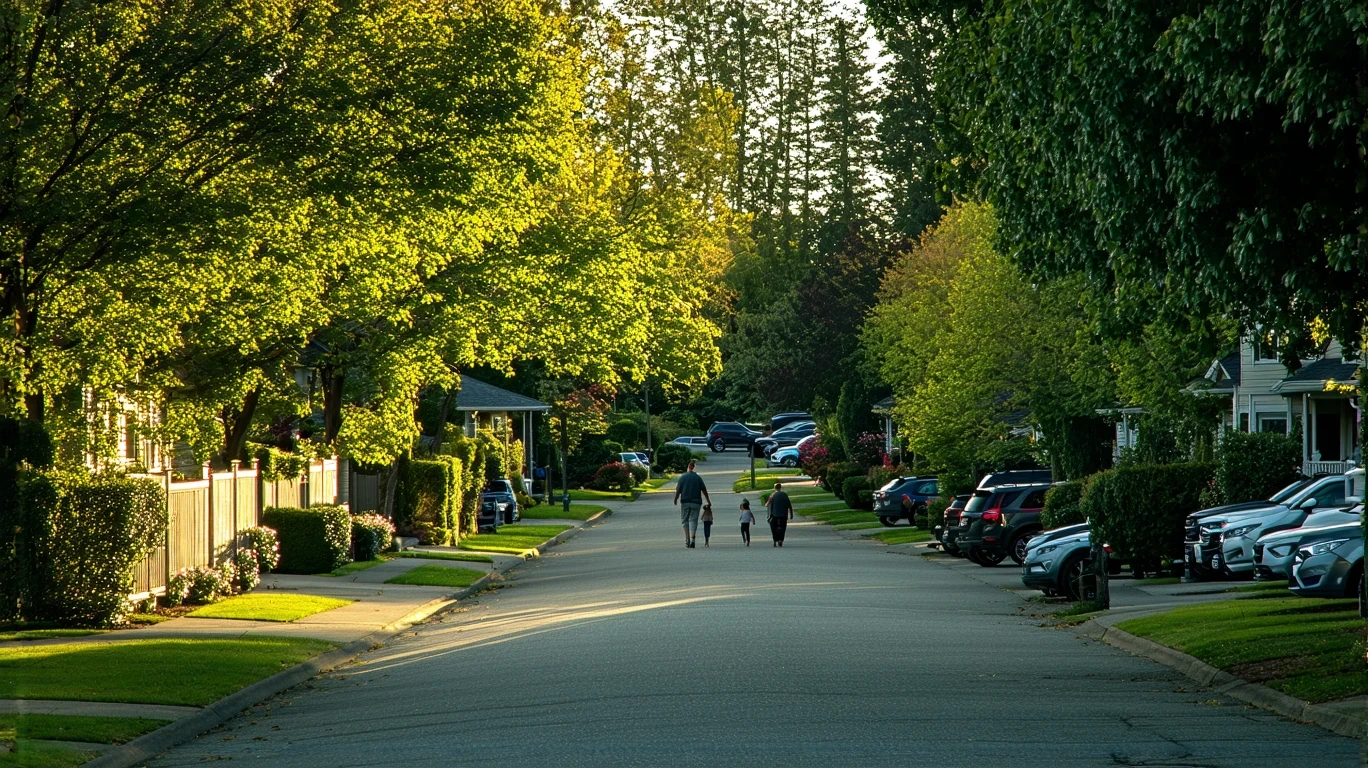
Lynnwood and Kent both sit in the Seattle metro area, but the daily rhythm of life in each city feels distinct due to differences in infrastructure, density, and how households move through space. Lynnwood’s walkable pockets and rail transit presence create neighborhoods where errands, dining, and recreation sit within tighter geographic bounds, reducing the need to drive for every task. The city’s notable cycling infrastructure and high pedestrian-to-road ratio mean some residents can handle grocery runs, coffee stops, and park visits on foot or by bike, which shifts the texture of daily life toward more spontaneous, less car-dependent routines. Families benefit from strong infrastructure for schools and playgrounds, both of which meet density thresholds, meaning kids can access parks and activities without long drives.
Kent’s lifestyle leans more toward car-oriented suburban rhythms, where single-family homes, larger lots, and more spread-out commercial zones create a different kind of flexibility. The city’s moderate bike infrastructure and walkable pockets exist but don’t dominate the daily experience the way they do in Lynnwood. Instead, Kent households gain space—yards for kids, garages for storage, and floor plans that accommodate growing families. The tradeoff comes in the form of longer commutes and more time spent coordinating errands by car, which can feel burdensome for dual-income families managing tight schedules but less restrictive for households with flexible work arrangements or stay-at-home parents.
Both cities offer integrated green space access, with park density exceeding high thresholds and water features present, meaning outdoor recreation remains accessible regardless of where you live. Lynnwood’s denser development and mixed land use create more opportunities for impromptu park visits or evening walks without needing to drive, while Kent’s larger residential lots and quieter streets appeal to households prioritizing privacy and separation from neighbors. Healthcare access in both cities remains at the routine local level, with clinics and pharmacies present but no hospital facilities, meaning serious medical needs require travel to nearby regional centers. Both cities show mixed building height profiles, balancing low-rise residential areas with denser commercial corridors. Lynnwood’s regional price parity of 151 signals higher general costs, while Kent’s 113 suggests more breathing room on everyday purchases.
Frequently Asked Questions
Is Kent cheaper than Lynnwood for renters in 2026?
No, Kent’s median gross rent is $1,742 per month compared to Lynnwood’s $1,611 per month, meaning renters in Kent face higher monthly housing costs. Lynnwood offers lower rent and access to walkable neighborhoods with rail transit, which can reduce transportation expenses and the need for multiple cars. Kent renters pay more but often gain access to larger units and single-family rental options that deliver more space per dollar.
Which city has lower home prices, Lynnwood or Kent, and does that make it more affordable?
Kent has lower median home values at $478,400 compared to Lynnwood’s $596,200, reducing the upfront cash burden for first-time buyers. However, affordability depends on more than entry price—Kent’s longer commutes, higher car dependence, and elevated rent for those not buying can erode the savings over time. Lynnwood’s higher home values often reflect stronger walkability, transit access, and family infrastructure that reduce ongoing transportation and time costs.
Do utilities cost more in Lynnwood or Kent in 2026?
Lynnwood has higher electricity rates (13.81¢/kWh vs 13.33¢/kWh) and natural gas prices ($17.38/MCF vs $15.51/MCF), but total utility costs depend on housing type and consumption patterns. Lynnwood’s denser housing stock and newer construction often reduce total energy usage, offsetting the higher rates. Kent’s lower rates provide more cushion, but the prevalence of older single-family homes increases baseline consumption and seasonal volatility, especially during heating months.
Is commuting easier in Lynnwood or Kent for people working in Seattle?Related