
The Ramirez family has been renting in San Diego proper for three years, but with two kids now in elementary school, they’re looking east for more space and stability. Their shortlist has narrowed to two San Diego County neighbors: Lemon Grove and Chula Vista. Both offer suburban calm within reach of downtown jobs, both sit along the trolley line, and both promise parks, schools, and a slower pace. But the cost structure—and how that structure affects day-to-day household logistics—differs in ways that matter more than the map distance suggests.
Lemon Grove and Chula Vista share a metro area, a climate, and a regional price environment. What separates them isn’t affordability in the abstract, but where cost pressure concentrates and how predictably it arrives. For families managing tight schedules, single adults weighing commute tradeoffs, or couples planning for homeownership, understanding these differences means knowing which expenses will dominate your budget, which will stay stable, and which will demand constant adjustment. In 2026, the decision between these two cities hinges less on which is “cheaper” and more on which cost behavior fits the household you’re running.
This comparison explains how where money goes differs between Lemon Grove and Chula Vista—not by calculating totals, but by showing where each city applies pressure, where it offers flexibility, and what that means for households with different sensitivities and constraints.
Housing Costs
Chula Vista’s housing market operates with documented structure: the median home value sits at $647,100, and median gross rent reaches $2,035 per month. These figures reflect a mature suburban market with a mix of single-family subdivisions, townhome communities, and apartment complexes serving a population of nearly 280,000. The entry barrier for ownership is high, but the rental market offers range—older complexes near transit corridors, newer builds in master-planned communities, and everything in between. For renters, this means choice but also competition; for buyers, it means navigating a market where down payments and closing costs represent substantial front-loaded expense.
Lemon Grove’s housing market, by contrast, lacks the same documented pricing benchmarks in the available data, but its structure is distinct. As a smaller, older suburb with a population under 30,000, Lemon Grove skews toward single-family homes on modest lots, many built in the postwar decades. The rental stock is thinner, dominated by smaller apartment buildings and converted single-family units rather than large complexes. This creates a different kind of pressure: less competition for rentals in absolute terms, but fewer options when turnover is low. For buyers, the housing stock tends toward older construction, which can mean lower entry costs but higher ongoing maintenance exposure.
The difference in housing form matters beyond price. In Chula Vista, newer construction and larger apartment communities often bundle amenities—covered parking, fitness centers, sometimes even utilities—into rent. In Lemon Grove, renters more commonly pay separately for utilities, handle their own yard maintenance if renting a house, and navigate older infrastructure. Homeowners in Chula Vista may face HOA fees in planned communities, adding predictability but also a recurring obligation; in Lemon Grove, HOA prevalence is lower, but so is the infrastructure those fees typically cover.
| Housing Type | Lemon Grove | Chula Vista |
|---|---|---|
| Median Home Value | Data not available; older single-family stock dominates | $647,100 |
| Median Gross Rent | Data not available; smaller rental market | $2,035 per month |
| Typical Housing Form | Older single-family homes, small apartment buildings | Mix of single-family, townhomes, large apartment complexes |
| HOA Prevalence | Lower; fewer planned communities | Higher in newer subdivisions and townhome communities |
For first-time buyers, Chula Vista’s documented pricing reflects a market where entry requires substantial savings and stable income documentation. The tradeoff is access to newer homes, established neighborhoods, and amenities that reduce other costs (e.g., parks, recreation centers, transit). Lemon Grove’s older housing stock may offer lower entry barriers in practice, but buyers inherit deferred maintenance, older systems (HVAC, plumbing, electrical), and less neighborhood infrastructure. Renters in Chula Vista face higher baseline rent but gain predictability and often bundled services; renters in Lemon Grove may find lower nominal rent but shoulder more responsibility for utilities, upkeep, and logistics.
Housing takeaway: Households prioritizing predictability, newer construction, and bundled amenities will find Chula Vista’s structure easier to navigate, despite higher documented costs. Households willing to manage older housing stock, handle maintenance directly, and accept thinner rental options may find Lemon Grove’s market less front-loaded. The primary difference isn’t price—it’s whether housing pressure arrives as a high entry barrier (Chula Vista) or as ongoing maintenance and logistics exposure (Lemon Grove).
Utilities and Energy Costs
Utility costs in both cities reflect San Diego County’s broader energy market, but the rates and the housing stock that consumes them differ in ways that shape monthly volatility. Lemon Grove’s electricity rate sits at 34.71¢/kWh, slightly higher than Chula Vista’s 33.60¢/kWh. Natural gas pricing follows a similar pattern: Lemon Grove pays $23.78/MCF, while Chula Vista pays $21.94/MCF. These differences are modest in isolation, but they compound when applied to older housing stock with less efficient insulation, single-pane windows, and aging HVAC systems—conditions more common in Lemon Grove’s postwar housing inventory.
Cooling dominates summer utility exposure in both cities, as inland San Diego County sees extended stretches of heat from June through October. But the way that cooling load translates into bills depends heavily on housing age and form. In Chula Vista, newer single-family homes and apartment complexes built in the past two decades often include double-pane windows, improved insulation, and more efficient central air systems. In Lemon Grove, older homes may rely on window units, lack adequate attic insulation, or run HVAC systems installed decades ago. The result: similar outdoor temperatures can produce meaningfully different indoor comfort costs, even when rate differences are small.
Household size and housing type interact with these structural differences. A single adult in a Chula Vista apartment may see utilities bundled into rent or benefit from shared-wall insulation that reduces cooling needs. A family in a Lemon Grove single-family home faces full exposure: higher rates applied to higher usage in a less efficient envelope. Couples in townhomes or duplexes fall somewhere in between, but in Lemon Grove, even attached housing tends to predate modern energy codes. Winter heating exposure is lower in both cities due to mild coastal-influenced winters, but natural gas costs still matter for households running older furnaces or water heaters.
Time-of-use billing structures, common among San Diego County utilities, reward households that can shift usage to off-peak hours—running dishwashers at night, pre-cooling homes in the morning, avoiding late-afternoon laundry. This flexibility is easier to manage in newer homes with programmable thermostats and efficient appliances, more common in Chula Vista’s housing stock. In Lemon Grove, older infrastructure and manual systems make time-shifting harder, leaving households more exposed to peak-rate periods.
Utility takeaway: Households in newer Chula Vista housing face lower baseline utility exposure due to construction efficiency, despite similar climate. Households in older Lemon Grove housing face higher rates applied to higher usage, creating more volatility and less control. The primary driver isn’t weather—it’s whether the housing stock insulates you from rate swings or amplifies them. Families managing larger homes and single adults in older units feel this difference most acutely.
Groceries and Daily Expenses
Grocery and everyday spending pressure in Lemon Grove and Chula Vista reflects both regional pricing (both cities share the same Regional Price Parity index of 111) and the structure of access. Derived grocery estimates for both cities fall within narrow bands—bread around $2.03–$2.05 per pound, ground beef near $7.42–$7.48 per pound, eggs between $2.78–$3.01 per dozen—but the way households experience these prices depends on where they shop, how often, and what alternatives exist nearby. Derived estimate based on national baseline adjusted by regional price parity; not an observed local price.
Lemon Grove’s experiential signals show broadly accessible food and grocery density, meaning households can reach multiple grocery options without long drives or complex routing. This accessibility reduces the friction cost of comparison shopping, last-minute trips, or splitting errands across stores. In Chula Vista, grocery density is corridor-clustered, concentrated along major thoroughfares rather than distributed evenly. For households living near those corridors, access is fine; for those in residential pockets between them, grocery runs require more intentional planning and longer drives, which adds time cost even when prices are similar.
The difference in access structure affects spending behavior. In Lemon Grove, the ability to walk or make quick trips to nearby stores reduces reliance on bulk shopping and lowers the penalty for running out of staples mid-week. In Chula Vista, corridor clustering encourages larger, less frequent trips—more planning, more bulk purchases, and more reliance on having a car and the time to drive. For single adults and couples, this may mean slightly higher convenience spending in Lemon Grove (more frequent small trips, more impulse purchases) versus slightly higher upfront grocery volume in Chula Vista (buying more to avoid return trips).
Dining out and prepared food access follows a similar pattern. Chula Vista’s larger population and mixed land use support more restaurant density and chain options, but they cluster along commercial strips. Lemon Grove’s smaller footprint means fewer total options, but those that exist are more evenly distributed. For families managing tight schedules, the question isn’t which city has cheaper groceries—it’s whether your household benefits more from distributed access (Lemon Grove) or from concentrated choice along predictable routes (Chula Vista).
Grocery takeaway: Households that value walkable errands, frequent small trips, and distributed access will find Lemon Grove’s structure easier to navigate. Households that prefer one-stop shopping, bulk purchases, and don’t mind driving to concentrated retail corridors will find Chula Vista’s layout more efficient. Price sensitivity matters less than access friction and how your household manages time versus convenience.
Taxes and Fees
Property taxes in both Lemon Grove and Chula Vista operate under California’s Proposition 13 framework, which caps assessed value increases at 2% per year and limits the base rate to 1% of assessed value, plus voter-approved local bonds and assessments. For homeowners, this creates predictability: your property tax burden grows slowly and is largely locked in at purchase. But the initial assessed value—and the local add-ons—differ between the two cities in ways that affect long-term cost structure.
In Chula Vista, the documented median home value of $647,100 establishes a baseline property tax obligation in the range of $6,471 annually before local assessments, which can add another 0.1% to 0.3% depending on the neighborhood’s Mello-Roos districts and school bonds. Newer subdivisions in eastern Chula Vista often carry higher Mello-Roos fees to finance infrastructure built in the past two decades—roads, parks, schools—creating a higher ongoing obligation for recent buyers. Older neighborhoods closer to the city center carry lower or no Mello-Roos, but home values in those areas have appreciated more over time, so the Prop 13 advantage depends on when you bought.
Lemon Grove’s property tax structure follows the same statewide rules, but the city’s older housing stock and smaller scale mean fewer Mello-Roos districts and lower infrastructure financing obligations. For long-term homeowners who bought decades ago, Prop 13’s cap has kept taxes well below what current market values would suggest. For new buyers, the absence of Mello-Roos can mean lower initial tax bills, but older infrastructure also means the city has less capacity to fund services through bonds, which can translate into higher fees for things like street maintenance, stormwater, or parks.
Sales tax in both cities is identical, set at the county level. Recurring fees—trash collection, water, sewer—vary by provider and housing type. In Chula Vista, many newer communities bundle trash and landscaping into HOA fees, creating predictability but also a fixed monthly cost that doesn’t adjust with usage. In Lemon Grove, fewer HOAs mean households pay these fees directly, which offers more control but also more variability. For renters, these distinctions matter less, as landlords typically handle property taxes and many fees, but HOA costs in Chula Vista often get passed through as higher rent.
Tax and fee takeaway: Homeowners in Chula Vista face higher initial property tax exposure due to higher home values and more prevalent Mello-Roos, but gain predictability and infrastructure funded by those assessments. Homeowners in Lemon Grove face lower initial tax bills and fewer special assessments, but inherit older infrastructure and more direct responsibility for service fees. Long-term residents in both cities benefit from Prop 13’s cap, but recent movers feel the difference most acutely.
Transportation and Commute Reality
Transportation costs in Lemon Grove and Chula Vista split into two distinct pressures: the cost of fuel for those who drive, and the time cost of commuting for everyone. The fuel price difference is stark—Lemon Grove’s gas price sits at $5.76 per gallon, while Chula Vista’s is $4.21 per gallon. For households driving regularly, this gap compounds quickly, even without calculating monthly totals. A household making daily trips for work, errands, and school runs will feel that $1.55 per gallon difference in every fill-up, every week, all year.
But fuel cost is only part of the equation. Chula Vista’s documented commute data shows an average of 29 minutes each way, with 44.4% of workers facing commutes long enough to be classified as “long” by census definitions. Only 9.0% of Chula Vista workers work from home, meaning the vast majority are on the road daily. Lemon Grove lacks comparable commute data in the feed, but its location and size suggest similar patterns: most residents commute out of the city for work, either to downtown San Diego, nearby employment centers, or farther afield. Both cities sit along the San Diego Trolley’s Orange Line, offering rail transit as an alternative to driving, but the viability of that alternative depends on where you work and how close you live to a station.
Experiential signals show both cities have mixed mobility texture and rail transit presence, meaning pedestrian infrastructure exists but doesn’t eliminate car dependence for most households. In Lemon Grove, broadly accessible grocery and errands density means some daily trips—picking up milk, dropping off dry cleaning—can happen without driving. In Chula Vista, corridor-clustered errands density means those same trips more often require a car, even if you live near a trolley stop. The result: Lemon Grove households may drive less for errands but pay more per gallon when they do; Chula Vista households drive more often but pay less per gallon.
For single adults with flexible schedules and jobs near trolley lines, transit can meaningfully reduce transportation costs in both cities. For families managing school drop-offs, after-school activities, and weekend errands, car dependence is near-universal, and the fuel price difference becomes a recurring, non-negotiable expense. Couples with one partner working from home can reduce commute frequency, but the household still needs a car for the partner who commutes, and that car still needs gas at the local rate.
Transportation takeaway: Households driving frequently face higher per-gallon costs in Lemon Grove, but may drive less often due to better errands accessibility. Households in Chula Vista pay less per gallon but drive more often due to corridor-clustered services and similar commute distances. The primary difference isn’t distance—it’s whether your household can reduce trip frequency (favoring Lemon Grove) or benefits more from lower fuel prices despite higher trip volume (favoring Chula Vista).
Cost Structure Comparison
Housing pressure dominates the cost experience in both cities, but the form that pressure takes differs. In Chula Vista, housing cost arrives as a high entry barrier—documented home values above $600,000 and median rent above $2,000—but that entry buys predictability, newer construction, and bundled amenities. In Lemon Grove, housing cost is less front-loaded but more diffuse: older housing stock means lower entry barriers in practice, but higher ongoing exposure to maintenance, utilities, and logistics. Renters in Chula Vista face higher baseline rent but fewer surprise costs; renters in Lemon Grove may find lower rent but shoulder more responsibility for utilities and upkeep.
Utilities introduce more volatility in Lemon Grove due to the combination of slightly higher rates and older, less efficient housing stock. Households in Chula Vista benefit from newer construction that insulates them from rate swings, even though the climate and cooling season are identical. For families in larger homes or single adults in older units, this difference compounds over the year, creating more month-to-month unpredictability in Lemon Grove and more stable, lower bills in Chula Vista.
Daily living costs—groceries, errands, convenience spending—reflect access structure more than price. Lemon Grove’s broadly accessible food and grocery density reduces the friction cost of running errands, making it easier to comparison shop or handle last-minute needs without long drives. Chula Vista’s corridor-clustered density requires more intentional planning and driving, but offers more total choice once you reach those corridors. For households sensitive to time cost and schedule flexibility, Lemon Grove’s structure feels easier; for households prioritizing one-stop shopping and variety, Chula Vista’s layout works better.
Transportation patterns matter more in how they interact with household logistics than in raw fuel cost. Lemon Grove’s higher gas prices sting at every fill-up, but better errands accessibility means fewer trips. Chula Vista’s lower gas prices ease the per-gallon burden, but corridor-clustered services and similar commute distances mean more frequent driving. For households with one car and tight schedules, the difference is less about total fuel cost and more about whether the city’s layout lets you consolidate trips or forces you to drive separately for work, errands, and family logistics.
The better choice depends on which costs dominate your household’s sensitivity. Households prioritizing predictability, newer housing, and lower utility volatility will find Chula Vista’s structure easier to manage, despite higher documented housing costs. Households willing to manage older housing, accept more utility variability, and value walkable errands will find Lemon Grove’s cost structure less front-loaded and more flexible. For families, the difference often comes down to whether you’d rather pay more upfront for stability (Chula Vista) or accept more ongoing variability in exchange for lower entry barriers (Lemon Grove).
How the Same Income Feels in Lemon Grove vs Chula Vista
Single Adult
For a single adult, housing becomes the first non-negotiable cost, and in Chula Vista that means navigating a rental market where median gross rent exceeds $2,000 per month. Flexibility exists in choosing a smaller unit or an older complex, but the baseline is high. In Lemon Grove, the rental market is thinner, but the absence of large apartment complexes can mean lower rent in exchange for managing utilities separately and accepting older infrastructure. Transportation costs hit differently: in Lemon Grove, higher gas prices matter less if you can walk to errands and work near a trolley stop, but car dependence still dominates for most jobs. In Chula Vista, lower gas prices ease the sting of frequent driving, but corridor-clustered errands mean more trips. The same income feels tighter in Chula Vista if rent consumes a large share, but more predictable due to bundled services and newer housing.
Dual-Income Couple
For a couple, the non-negotiable costs expand to include two commutes, higher utility usage in a larger unit, and the logistics of managing two schedules. In Chula Vista, higher baseline rent or mortgage payments front-load the cost structure, but newer housing and bundled amenities reduce ongoing surprises. In Lemon Grove, lower entry costs for housing free up income for other categories, but older housing stock means more exposure to utility swings and maintenance needs. Flexibility emerges in different places: Chula Vista offers more dining and entertainment options along commercial corridors, but requires driving to reach them; Lemon Grove’s distributed errands accessibility makes daily logistics easier, but limits variety. The same income feels more stable in Chula Vista if both partners commute and value predictability, but more flexible in Lemon Grove if one works from home and the household prioritizes walkability over amenities.
Family with Kids
For families, non-negotiable costs multiply: housing large enough for multiple bedrooms, school-related transportation, higher utility usage, and constant errands for groceries, activities, and household needs. In Chula Vista, higher housing costs buy access to newer schools, established parks, and family-oriented infrastructure, but the cost structure is front-loaded and ongoing obligations (HOA fees, higher rent) are less flexible. In Lemon Grove, lower housing entry costs and strong family infrastructure (schools and playgrounds meet density thresholds) offer more breathing room, but older housing stock means higher utility exposure and more maintenance responsibility. Transportation becomes a daily logistics puzzle in both cities, but Lemon Grove’s better errands accessibility reduces the number of separate car trips needed each week. The same income feels more stretched in Chula Vista if housing consumes a large share, but more predictable due to newer infrastructure and bundled services. In Lemon Grove, the same income offers more flexibility and lower entry barriers, but demands more active management of utilities, maintenance, and older systems.
Decision Matrix: Which City Fits Which Household?
| Decision factor | If you’re sensitive to this… | Lemon Grove tends to fit when… | Chula Vista tends to fit when… |
|---|---|---|---|
| Housing entry + space needs | You need to minimize upfront costs or avoid high baseline rent | You’re willing to manage older housing stock and accept thinner rental options in exchange for lower entry barriers | You prioritize newer construction, bundled amenities, and predictable ongoing costs despite higher documented rent or home values |
| Transportation dependence + commute friction | You drive frequently and fuel costs compound quickly | You can reduce trip frequency through walkable errands and accept higher per-gallon costs when you do drive | You drive often for work and errands but benefit from lower per-gallon costs despite corridor-clustered services requiring more trips |
| Utility variability + home size exposure | You want stable, predictable monthly bills and minimal seasonal swings | You’re comfortable managing older systems and accept higher rates applied to less efficient housing in exchange for lower rent or purchase price | You value newer construction that insulates you from rate volatility and reduces cooling costs through better building efficiency |
| Grocery strategy + convenience spending creep | You want to avoid long drives for errands and value frequent small trips | You benefit from broadly accessible grocery and food density that lets you walk or make quick trips without complex routing | You prefer one-stop shopping along commercial corridors and don’t mind driving to reach concentrated retail options with more variety |
| Fees + friction costs (HOA, services, upkeep) | You want to avoid recurring fees or prefer direct control over service costs | You’re willing to manage services separately and handle maintenance directly in exchange for fewer HOA obligations and lower fixed fees | You value predictability and bundled services even if it means higher HOA fees and less control over individual service choices |
| Time budget (schedule flexibility, errands, logistics) | You manage tight schedules and need to consolidate trips efficiently | You benefit from distributed errands accessibility that reduces the need for separate car trips and supports walkable daily logistics | You can plan larger, less frequent trips and prefer concentrated commercial corridors with more total options despite longer drives |
Lifestyle Fit
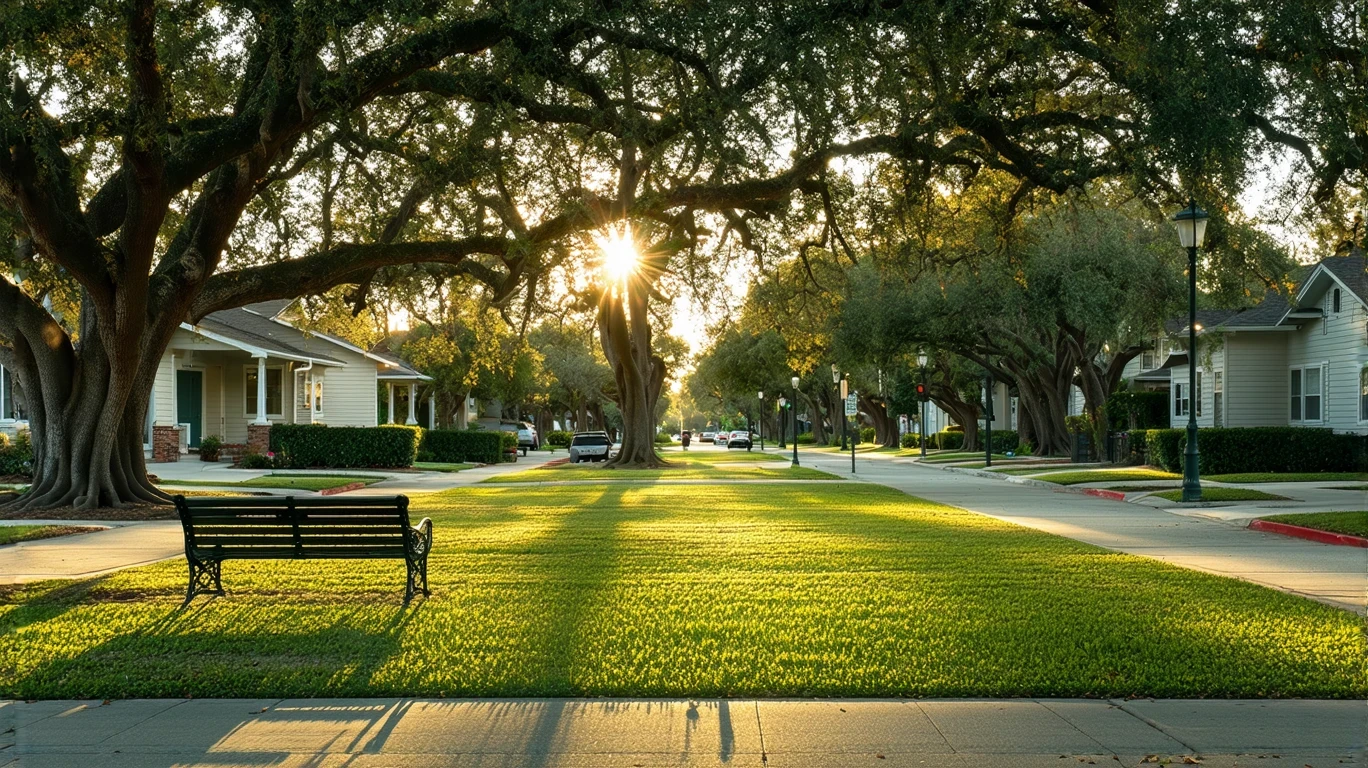
Lemon Grove and Chula Vista both offer suburban calm within the San Diego metro, but the texture of daily life differs in ways that indirectly shape costs. Lemon Grove is a small, older suburb with a population under 30,000, where residential streets are quiet, parks are plentiful (park density exceeds high thresholds), and the pace feels slower. The city’s compact footprint means most destinations are close, even if you’re driving, and the presence of rail transit (San Diego Trolley Orange Line) connects residents to downtown and nearby job centers without requiring freeway navigation. For households that value a tight-knit community feel and don’t need constant access to big-box retail or entertainment, Lemon Grove delivers a low-key lifestyle that reduces the temptation to spend on convenience or dining out.
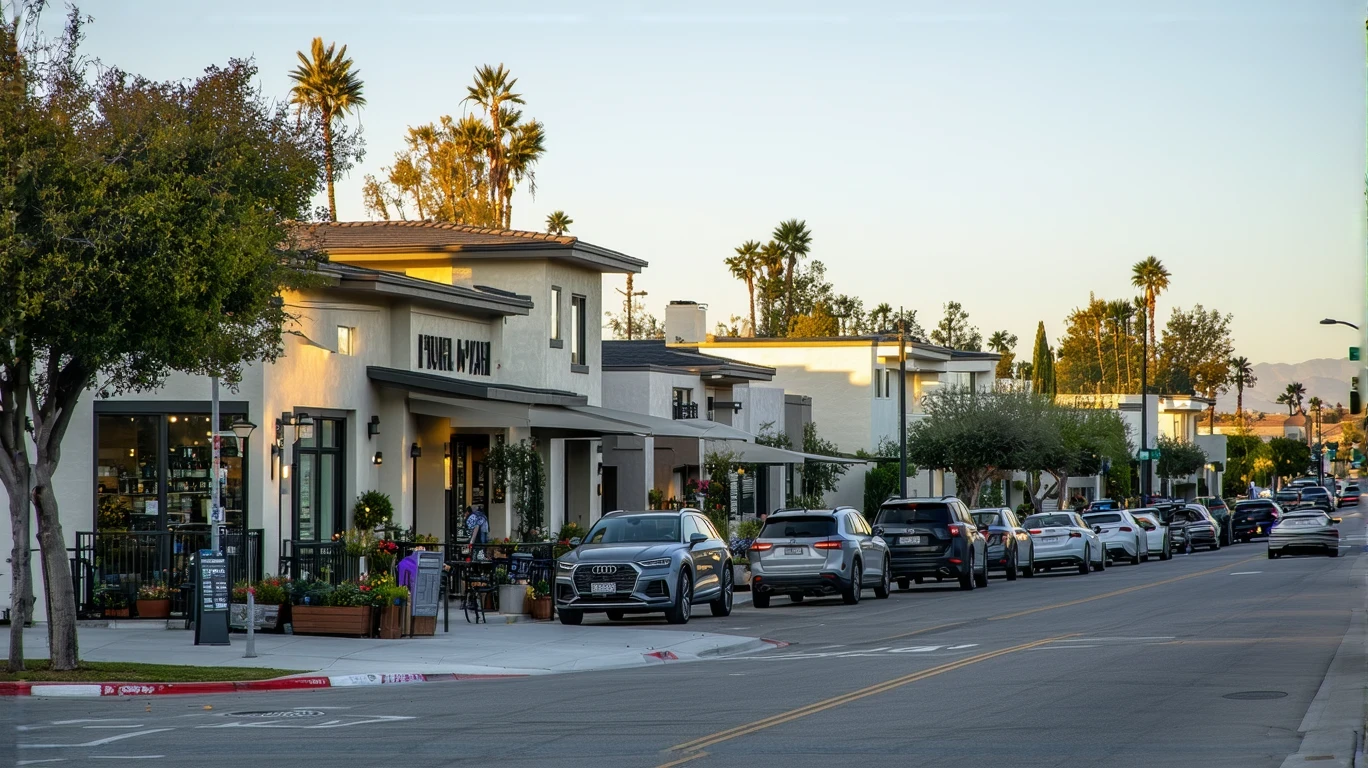
Chula Vista, by contrast, is a much larger city—nearly 280,000 residents—with a more varied landscape. Western neighborhoods near the bay feel older and more established, while eastern subdivisions built in the past two decades offer newer homes, planned communities, and family-oriented amenities like recreation centers and sports complexes. The city’s size supports more dining options, shopping variety, and entertainment venues, but those amenities cluster along major corridors (Broadway, Third Avenue, eastern commercial districts), requiring intentional trips rather than spontaneous walks. For households that prioritize access to variety and don’t mind driving to reach it, Chula Vista’s scale offers more options; for those seeking walkable spontaneity, the layout can feel car-dependent despite mixed land use.
Commute times in Chula Vista average 29 minutes, and nearly half of workers face long commutes, reflecting the city’s role as a bedroom community for San Diego proper and nearby employment hubs. Lemon Grove’s commute patterns likely mirror this, given its similar location and transit access, but the smaller size and older housing stock attract a different demographic—more long-term residents, fewer new families moving into master-planned subdivisions. This affects the social fabric: Lemon Grove feels more stable and less transient, while Chula Vista’s growth and turnover create a more dynamic, less rooted community feel.
Outdoor access is strong in both cities. Lemon Grove’s park density exceeds high thresholds, and water features add recreational variety. Chula Vista also shows integrated green space access, with large regional parks (like Otay Valley Regional Park) and bay access in western neighborhoods. For families, both cities offer strong family infrastructure—schools and playgrounds meet density thresholds—but Chula Vista’s larger scale means more total options, while Lemon Grove’s compact size means shorter distances to reach them. Healthcare access differs: Lemon Grove shows limited hospital and clinic presence, meaning residents often travel to nearby cities for routine care, while Chula Vista has clinics present locally, reducing the friction cost of medical appointments.
Lemon Grove’s average building height stays low-rise, reinforcing the quiet, residential character.