
Choosing between renting and buying in Lemon Grove means understanding how this small San Diego County city’s housing market behaves—not just what it costs today, but how ownership and rental exposure differ over time. Lemon Grove sits in a region where price pressure runs about 11% above the national baseline (RPP index: 111), rail transit connects residents to the broader metro, and the low-rise suburban form creates distinct tradeoffs between flexibility and long-term control. Without median home values or rent figures in the current data, this article focuses on how housing costs behave here, which expenses are predictable, and which household types fit best in each arrangement.
The Housing Market in Lemon Grove Today
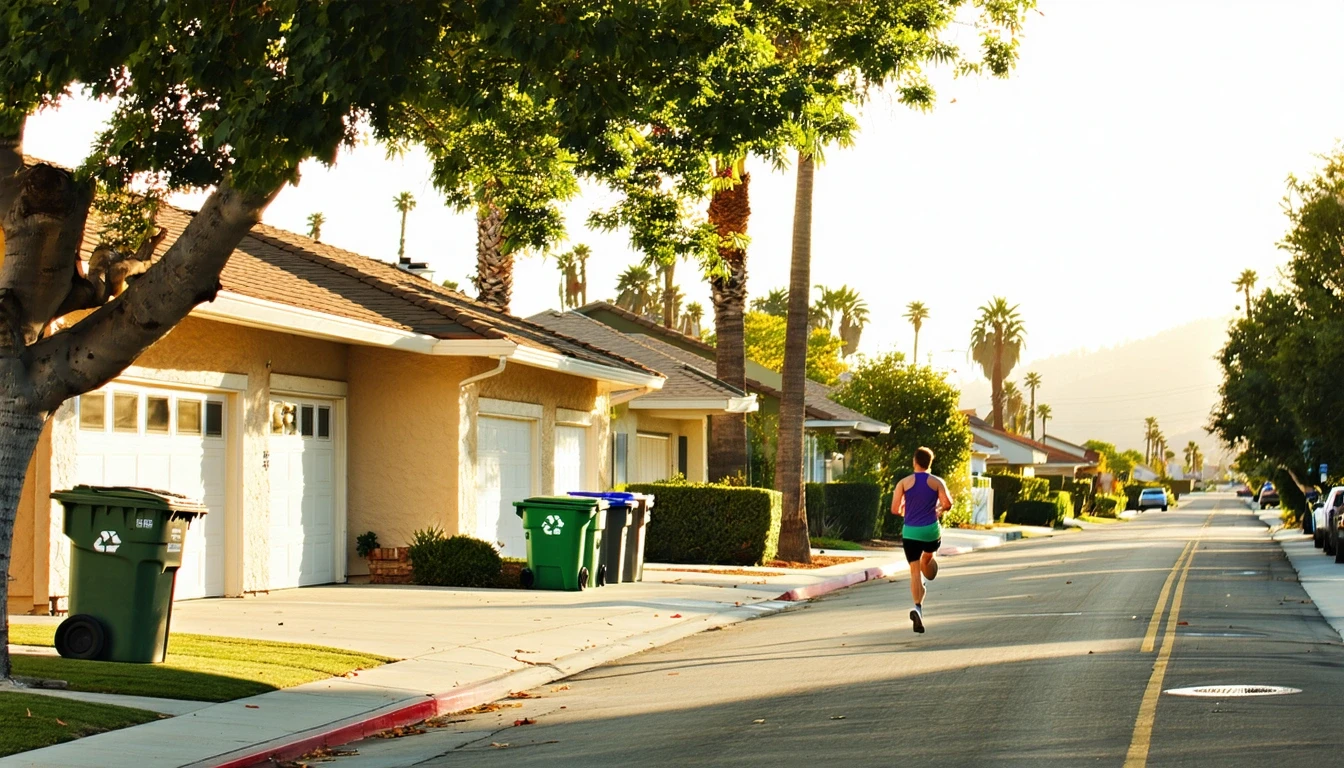
Lemon Grove’s housing market reflects its role as an accessible suburb within the San Diego metro. Regional price pressure shapes baseline costs across both rental and ownership markets, but the city’s structure—low-rise residential neighborhoods, rail service, and strong errands accessibility—creates a distinct experience compared to more car-dependent or vertically dense communities nearby. Newcomers often underestimate how much the combination of California’s regulatory environment, climate-driven utility exposure, and proximity to employment centers influences long-term housing costs, even when initial prices seem manageable.
The presence of rail transit and broadly accessible food and grocery options (both exceeding high-density thresholds) means that daily logistics are less car-dependent than in many suburban markets, which affects the true cost of living in an apartment versus a house. At the same time, limited healthcare infrastructure—no hospital or clinics detected locally—means that certain household types may face additional travel or service access considerations that don’t show up in housing prices alone.
Renting in Lemon Grove
Renting in Lemon Grove offers flexibility and lower exposure to maintenance, property tax, and long-term capital risk. The city’s mixed pedestrian texture and rail access mean renters can reduce car dependency more easily than in purely auto-oriented suburbs, which helps offset transportation costs even as gas prices reach $5.76 per gallon. Broadly accessible errands—high food and grocery density throughout the city—further reduce the friction of daily life without a car or with a single vehicle.
Rental markets in the San Diego metro tend to experience pressure from employment growth, housing supply constraints, and regional demand, but Lemon Grove’s smaller scale and suburban character may offer more stability than denser urban cores. Renters here avoid property tax exposure, HOA governance, and the maintenance burden that comes with California’s aging housing stock and climate-driven wear (heat, sun exposure, and occasional Santa Ana wind events). However, they also lack control over rent adjustments at lease renewal and remain exposed to landlord decisions about upgrades, utilities, and occupancy terms.
For households prioritizing mobility, lower upfront costs, or uncertainty about long-term plans, renting in Lemon Grove provides a lower-risk entry point with access to strong family infrastructure (schools and playgrounds both meet density thresholds) and integrated green space (park density exceeds high thresholds).
Owning a Home in Lemon Grove
Ownership in Lemon Grove shifts cost exposure from monthly rent volatility to property tax, insurance, maintenance, and long-term capital risk. California’s property tax structure (Proposition 13) limits annual assessment increases for existing owners, which creates predictability over time—but new buyers pay taxes based on purchase price, and insurance, utilities, and upkeep remain exposed to inflation, climate, and regulatory changes.
Lemon Grove’s low-rise character means most ownership involves single-family homes or small multifamily properties, which carry higher maintenance responsibility than apartments. Electricity costs (34.71¢ per kWh) and natural gas prices ($23.78 per MCF) are above national norms, and the region’s warm, dry climate drives cooling costs during extended summer months. Owners also absorb the cost of exterior maintenance, landscaping (relevant in a city with integrated parks and visible green space), and any HOA fees if applicable.
The advantage of ownership here is stability: fixed-rate mortgages lock in principal and interest, property tax growth is capped, and owners control timing of maintenance and upgrades. For families drawn to Lemon Grove’s strong school and playground infrastructure, ownership offers a stable base without the risk of displacement. However, limited healthcare access means families with ongoing medical needs may face additional travel, which should factor into long-term fit.
Apartment vs House in Lemon Grove — Cost Behavior Comparison
| Expense Category | Apartment | House |
|---|---|---|
| Cooling & Heating | Lower exposure; shared walls reduce surface area and heat gain | Higher exposure; standalone structure with full sun exposure and larger conditioned space |
| Exterior Maintenance | Landlord or HOA responsibility; renter avoids cost and labor | Owner responsibility; includes roof, siding, landscaping, and pest control in warm climate |
| Parking & Storage | May be limited or assigned; storage often constrained | Typically includes garage or driveway; more flexibility for vehicles and equipment |
| Outdoor Access | Shared or limited; city’s integrated park density (high threshold) provides nearby alternatives | Private yard; relevant in low-rise suburban form with visible green space culture |
Why these categories? Lemon Grove’s low-rise suburban form, warm climate, and integrated green space create meaningful differences in cooling exposure, maintenance responsibility, and outdoor access. Categories like water/sewer or trash are often structured similarly across housing types here and were excluded. The comparison reflects how housing structure and climate interact, not generic apartment-versus-house assumptions.
Utilities & Upkeep Differences
Utility and maintenance exposure in Lemon Grove is shaped by California’s high electricity costs, warm and dry climate, and the age and construction of the local housing stock. Apartments benefit from shared walls and smaller conditioned spaces, which reduce cooling loads during the extended summer season. Houses, by contrast, face full sun exposure on all sides, larger square footage, and often older HVAC systems that drive higher electricity usage during peak months.
Electricity at 34.71¢ per kWh makes cooling a dominant cost driver for homeowners, especially in standalone structures without shade or insulation upgrades. Natural gas, priced at $23.78 per MCF, plays a smaller role here than in colder climates, but it still affects water heating and any gas appliances. Renters in apartments typically see lower utility bills due to structural efficiency, while homeowners absorb the full cost of conditioning and maintaining larger spaces.
Maintenance differences are also climate-driven. Lemon Grove’s dry heat, sun exposure, and occasional wind events accelerate exterior wear—paint fades faster, roofs age more quickly, and landscaping requires consistent irrigation. Apartment renters avoid these costs entirely, while homeowners must budget for periodic exterior work, HVAC servicing, and yard upkeep. The city’s integrated parks and visible green space culture also mean that curb appeal and landscaping carry social weight, adding to the upkeep expectations for homeowners.
Rent vs Buy: Long-Term Exposure in Lemon Grove
The choice between renting and owning in Lemon Grove is less about monthly payment comparison and more about which risks and responsibilities fit your household. Renters face lease renewal volatility and lack control over rent adjustments, but they avoid property tax, insurance increases, and the unpredictable cost of maintenance in an aging housing stock. Owners gain stability and control—fixed-rate mortgages lock in principal and interest, and California’s Proposition 13 caps property tax growth—but they absorb the full cost of utilities, upkeep, and long-term capital risk.
Over time, ownership in Lemon Grove rewards households that value predictability and can manage maintenance exposure. Cooling costs remain elevated each summer, exterior work becomes necessary on a multi-year cycle, and insurance adjusts with regional risk trends. Renters, by contrast, remain exposed to rent increases but retain flexibility to move without transaction costs, which matters in a region where employment, family needs, or healthcare access (limited locally) may shift.
For families drawn to Lemon Grove’s strong school and playground infrastructure, ownership provides a stable base and control over housing quality. For younger professionals, commuters using rail transit, or households uncertain about long-term plans, renting offers lower risk and faster adaptation to changing circumstances. Neither path is universally better—each fits different timelines, risk tolerance, and priorities.
FAQs About Housing Costs in Lemon Grove
How does Lemon Grove’s housing market compare to nearby San Diego communities?
Lemon Grove sits within the San Diego metro’s regional price pressure (RPP index: 111), meaning baseline costs run about 11% above the national average. Its low-rise suburban form, rail access, and strong errands accessibility create a distinct profile compared to denser urban cores or more car-dependent suburbs. Without specific home value or rent data, direct comparisons remain directional, but Lemon Grove generally offers a more accessible entry point than coastal or central San Diego neighborhoods while maintaining transit connectivity.
What drives utility costs for homeowners in Lemon Grove?
Electricity at 34.71¢ per kWh and an extended cooling season make air conditioning the dominant utility expense for homeowners. Low-rise, standalone homes face full sun exposure and larger conditioned spaces, which increase cooling loads. Natural gas at $23.78 per MCF affects water heating and any gas appliances, but cooling drives the majority of seasonal volatility. Apartment renters see lower utility bills due to shared walls and smaller square footage.
Does Lemon Grove’s rail access reduce the need for car ownership?
Rail service is present and connects residents to the broader San Diego metro, which reduces car dependency for commuters and errand-runners. However, the city’s mixed pedestrian texture and low-rise suburban form mean that most households still benefit from vehicle access, especially given limited local healthcare infrastructure. Gas at $5.76 per gallon makes transit use more cost-effective for regular commutes, but daily flexibility still favors car ownership for many residents.
What makes Lemon Grove a good fit for families considering homeownership?
Lemon Grove offers strong family infrastructure—both schools and playgrounds meet density thresholds—and integrated green space with park density exceeding high thresholds. Ownership provides stability in a community with visible outdoor culture and access to quality public amenities. However, limited healthcare access (no hospital or clinics detected) means families with ongoing medical needs should plan for travel to nearby facilities.
How does maintenance exposure differ between renting and owning in Lemon Grove?
Renters avoid exterior maintenance, HVAC servicing, and landscaping costs, which are handled by landlords or HOAs. Homeowners absorb these responsibilities in full, and Lemon Grove’s warm, dry climate accelerates wear—paint fades faster, roofs age more quickly, and irrigation is necessary for landscaping. The city’s integrated parks and green space culture also create curb appeal expectations that add to upkeep for homeowners.
Making Housing Choices in Lemon Grove
Housing costs in Lemon Grove are shaped by regional price pressure, California’s regulatory and climate environment, and the city’s low-rise suburban structure with strong transit and errands access. Renters gain flexibility and avoid maintenance exposure, while owners gain stability and control at the cost of property tax, insurance, and upkeep responsibility. The city’s strong family infrastructure, integrated parks, and rail connectivity make it a solid fit for families and commuters, but limited healthcare access and elevated utility costs require careful planning.
Understanding where money goes in Lemon Grove means looking beyond monthly payments to the full structure of housing exposure—predictability versus volatility, control versus flexibility, and how climate, infrastructure, and regional position shape long-term costs. For more detail on how housing fits into broader monthly expenses, see A Month of Expenses in Lemon Grove. And if you’re planning a move, see our 2025 moving company picks for logistics support.
How this article was built: In addition to public economic data, this article incorporates location-based experiential signals derived from anonymized geographic patterns—such as access density, walkability, and land-use mix—to reflect how day-to-day living actually feels in Lemon Grove, CA.