
Is it possible to live in Laguna Niguel without a car? For most households, the honest answer is no—but the reality is more textured than a simple car-dependent suburb label suggests. Laguna Niguel sits in southern Orange County with a layout that blends suburban residential neighborhoods with pockets of walkable, mixed-use corridors. While bus service exists and bike infrastructure is more present than many comparable cities, the structure of daily life here still centers around driving for most people. Understanding how transportation actually works—where transit helps, where it falls short, and who ends up relying on a car—shapes everything from where you choose to live to how you structure your day.
How People Get Around Laguna Niguel
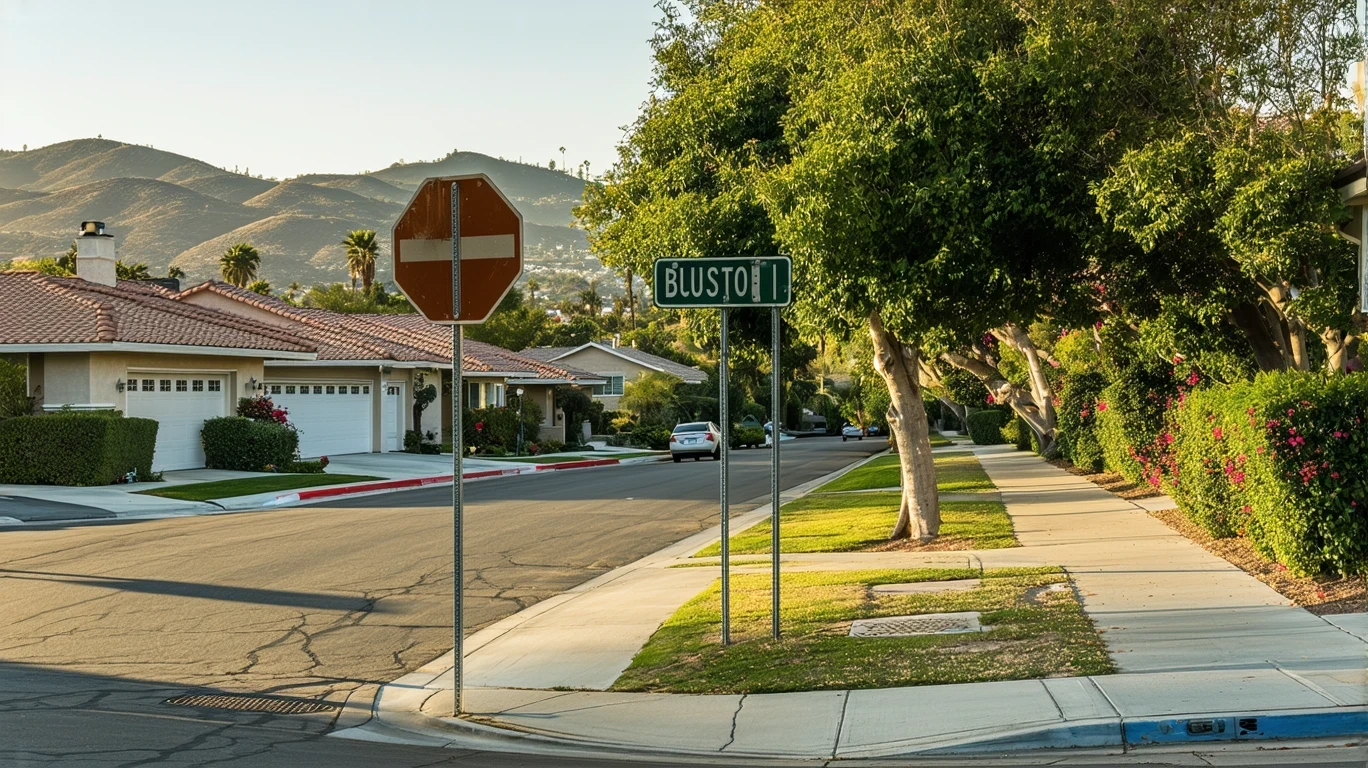
The dominant mobility pattern in Laguna Niguel is car-first, but with notable exceptions. The city’s development includes walkable pockets where pedestrian infrastructure is denser, and bike-to-road ratios exceed typical suburban norms. These areas—often near commercial corridors—support walking and cycling for some errands, but they don’t eliminate the need for a car for most households. What newcomers often misunderstand is that Laguna Niguel isn’t uniformly car-dependent or uniformly walkable; it’s a patchwork. If you live near one of the mixed-use corridors with good pedestrian access, you can handle some daily tasks on foot or by bike. If you’re in a quieter residential pocket farther from those nodes, you’re driving nearly everywhere.
This unevenness matters because it affects not just transportation costs, but time, convenience, and household logistics. Families with school drop-offs, multi-stop errands, or jobs outside the immediate area almost always default to driving. Single professionals or couples living near walkable corridors may reduce car trips for groceries or dining, but still own a vehicle for everything else. The city’s layout rewards proximity to the right neighborhoods, but it doesn’t offer the kind of comprehensive transit coverage that would let most people go car-free.
Public Transit Availability in Laguna Niguel
Public transit in Laguna Niguel centers around bus service. There is no rail access within city limits, which immediately limits the speed and reach of transit for longer commutes. Bus routes serve key corridors and connect to regional transit hubs, but coverage is uneven. If you live and work along a well-served route, transit can function as a viable option for commuting or errands. If you’re outside those corridors—or if your destination is—you’re looking at longer waits, transfers, or gaps in service that make driving far more practical.
Transit works best for people with predictable schedules, destinations along established routes, and the flexibility to absorb longer travel times. It tends to fall short for households managing multiple stops, off-peak travel, or trips to areas with sparse service. Late-night and weekend coverage is typically lighter, which limits transit’s usefulness for shift workers or anyone whose schedule doesn’t align with peak commute windows. The presence of bus service is real, but it’s not a substitute for the convenience and coverage that rail or denser bus networks provide in more transit-rich cities.
Driving & Car Dependence Reality
For most people in Laguna Niguel, driving isn’t optional—it’s structural. The city’s geography spreads residential areas across rolling terrain, and commercial services cluster along specific corridors rather than distributing evenly. Even in walkable pockets, a car is necessary for anything beyond immediate errands: commuting to jobs in Irvine, Mission Viejo, or farther into Orange County; accessing healthcare or specialty services; managing family logistics like school, sports, or appointments.
Parking is generally abundant and free in most residential and commercial areas, which removes one of the friction points that discourages driving in denser cities. Sprawl and distance mean that even short trips often feel easier by car than on foot or bike, especially when carrying groceries, traveling with children, or managing time constraints. The tradeoff is predictability and control: a car lets you move on your own schedule, handle complex trip chains, and avoid the limitations of transit coverage. But it also locks in costs—fuel, insurance, maintenance, registration—and makes transportation a fixed rather than variable expense.
Gas prices in the area run around $5.90 per gallon, which adds up quickly for households with long commutes or multiple drivers. The flexibility a car provides comes with ongoing financial exposure that doesn’t fluctuate much based on how you use it. You pay for the capability whether you drive 50 miles a week or 500.
Commuting Patterns & Daily Mobility
Commuting in Laguna Niguel often means leaving the city. Many residents work in nearby employment centers—Irvine’s business parks, Mission Viejo’s commercial districts, or coastal job hubs—rather than within city limits. This outbound commute pattern reinforces car dependence, since transit connections to those destinations are limited and often require transfers or long travel times.
Households with single-job commutes can sometimes optimize around one reliable route, whether by car or bus. But families managing multiple stops—dropping kids at school, commuting to work, picking up groceries—almost always default to driving because the logistics don’t align with fixed transit schedules. Remote work and flexible schedules reduce commute frequency for some, but they don’t eliminate the need for a car when trips do happen.
Who benefits from proximity? People living near their workplace, near well-served transit corridors, or in walkable pockets where daily errands don’t require a car. Who absorbs commute friction? Families in peripheral neighborhoods, anyone commuting outside Orange County, and households managing complex daily logistics across multiple locations.
Who Transit Works For — and Who It Doesn’t
Transit in Laguna Niguel realistically serves a narrow slice of households: individuals or couples without children, living near bus corridors, with jobs along transit-accessible routes, and schedules that align with service hours. For this group, bus service can reduce or eliminate the need for daily car commuting, especially if combined with biking or walking for local errands.
Transit doesn’t work well for families with school-age children, anyone whose job requires a car (sales, construction, home services), households managing multi-stop errands, or people commuting to areas with poor transit connections. Renters in walkable, transit-adjacent neighborhoods have the best shot at reducing car dependence, but even they typically keep a vehicle for trips outside the immediate area. Homeowners in quieter residential zones—especially those farther from commercial corridors—are almost entirely car-reliant by default.
The difference isn’t about preference or values; it’s about whether the city’s transportation structure aligns with your household’s daily needs. For most people, it doesn’t align closely enough to make transit the primary option.
Transportation Tradeoffs in Laguna Niguel
Choosing between transit and driving in Laguna Niguel isn’t about optimizing costs—it’s about matching your household’s logistics to the city’s infrastructure. Driving offers control, flexibility, and the ability to handle complex trip chains without waiting or transferring. It also means paying for a car whether you use it heavily or lightly, and absorbing fuel costs that fluctuate with usage but never disappear.
Transit offers lower direct costs and eliminates the fixed expenses of car ownership, but only if your life fits within its coverage and schedule. For someone commuting along a single well-served route with no need for off-peak or multi-stop travel, transit can work. For everyone else, the time cost, inconvenience, and gaps in service make driving the only practical option.
Biking plays a supplemental role. Notable bike infrastructure supports recreational use and short local trips, but Laguna Niguel’s terrain, distances, and car-oriented design make biking a primary commute mode only for a small number of people. It’s a useful tool for reducing car trips within walkable pockets, not a replacement for car ownership.
FAQs About Transportation in Laguna Niguel (2026)
Is public transit usable for daily commuting in Laguna Niguel?
It depends entirely on where you live and work. If both are along well-served bus routes and your schedule aligns with service hours, transit can function as a commute option. For most households—especially those commuting outside the city or managing multi-stop logistics—transit coverage and frequency aren’t sufficient to replace a car.
Do most people in Laguna Niguel rely on a car?
Yes. The city’s layout, commute patterns, and limited transit coverage mean that the vast majority of households depend on driving for work, errands, and family logistics. Walkable pockets and bike infrastructure reduce car trips for some residents, but they don’t eliminate the need for vehicle ownership.
Which areas of Laguna Niguel are easiest to live in without a car?
Neighborhoods near mixed-use corridors with higher pedestrian density and direct bus access offer the best chance of reducing car dependence. Even in these areas, most residents still own a car for trips outside the immediate zone. Peripheral residential neighborhoods are almost entirely car-reliant.
How does commuting in Laguna Niguel compare to nearby cities?
Laguna Niguel’s commute reality is similar to other Orange County suburbs: car-oriented, with limited transit as a supplement rather than a primary option. Cities closer to rail lines or denser employment centers may offer slightly better transit access, but the regional pattern across southern Orange County is consistent car dependence for most households.
Can you bike regularly in Laguna Niguel?
Bike infrastructure is more present here than in many comparable suburbs, and some residents use bikes for errands or recreation within walkable pockets. But terrain, distances, and car-oriented design limit biking as a primary commute mode for most people. It’s a useful supplement, not a replacement for driving.
How Transportation Fits Into the Cost of Living in Laguna Niguel
Transportation in Laguna Niguel isn’t just about where money goes—it’s about how the city’s structure shapes your household’s daily rhythm, time, and flexibility. For most people, owning a car is a fixed cost that doesn’t vary much with usage, which makes it a baseline expense rather than a discretionary one. The decision isn’t whether to own a car, but how much you’ll drive it and whether transit or biking can reduce some trips.
Households living in walkable pockets near transit corridors gain some flexibility: they can reduce fuel costs, avoid some wear on their vehicle, and occasionally skip driving altogether. But even these households typically keep a car for trips that don’t fit transit schedules or coverage. Families, commuters leaving the city, and anyone managing complex logistics absorb the full cost and time burden of car dependence with little room to adjust.
If you’re evaluating whether Laguna Niguel works for your household, transportation should be one of the first factors you assess—not because the costs are unpredictable, but because the structure is. Where you live within the city, where you work, and how your household moves through the day will determine whether you’re driving everywhere or just most places. That difference might seem small, but it compounds across time, money, and daily convenience in ways that shape how the city actually feels to live in.
How this article was built: In addition to public economic data, this article incorporates location-based experiential signals derived from anonymized geographic patterns—such as access density, walkability, and land-use mix—to reflect how day-to-day living actually feels in Laguna Niguel, CA.