
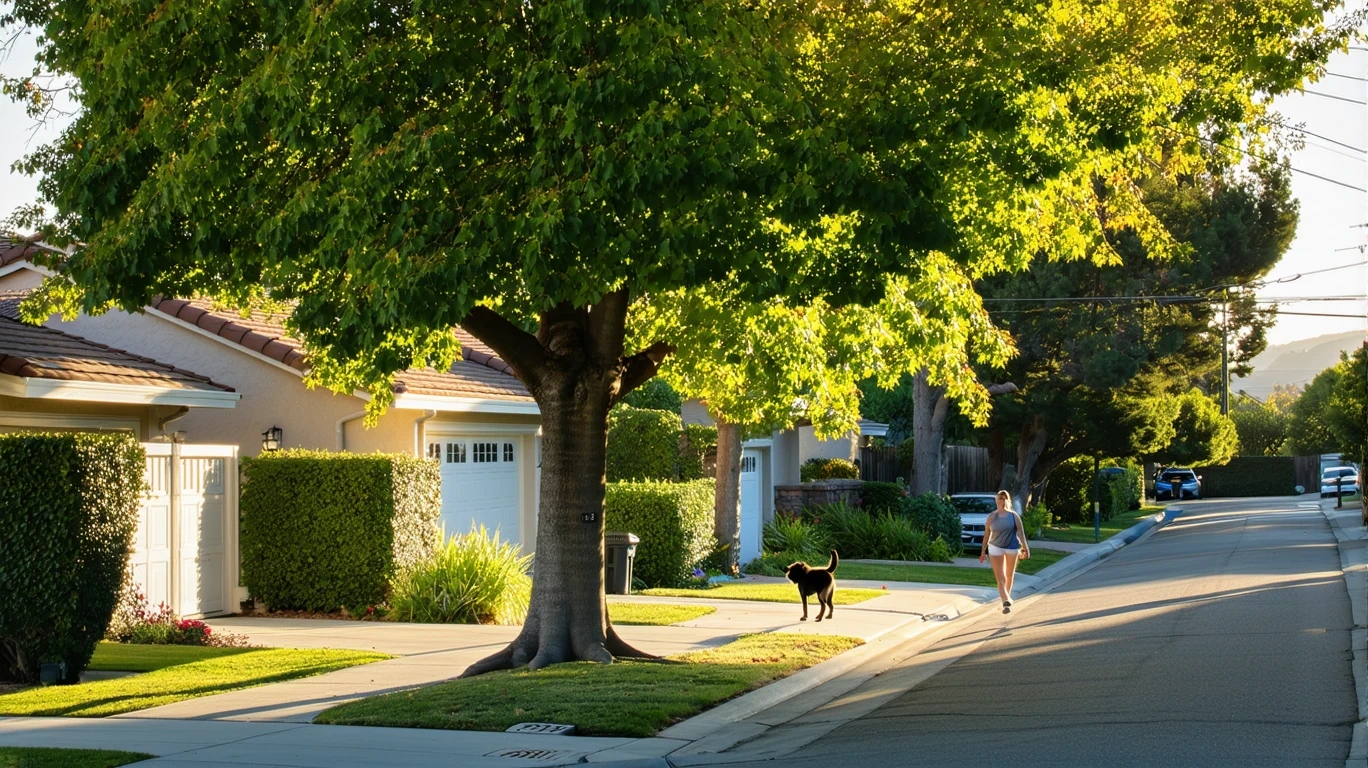
Which city gives you more for your money? For households weighing a move within Orange County in 2026, the choice between Laguna Niguel and Santa Ana isn’t about finding the “cheaper” option—it’s about understanding where cost pressure shows up and which tradeoffs align with your household’s priorities. Both cities sit in the same metro area, share the same regional utility rates and gas prices, yet deliver fundamentally different cost experiences. Laguna Niguel offers hillside neighborhoods, extensive park access, and a suburban layout that favors driving and planning ahead. Santa Ana provides urban density, rail transit access, and a street grid where daily errands feel more spontaneous and less car-dependent. The decision hinges on whether your household is more exposed to housing entry barriers or ongoing transportation and logistics friction.
The structural differences between these cities create distinct cost profiles. Laguna Niguel’s housing market reflects coastal-adjacent demand and larger single-family homes, while Santa Ana’s denser urban form supports a wider range of housing types and price points. Transit access diverges sharply: Santa Ana connects to regional rail, while Laguna Niguel relies on bus service. Grocery and daily errands follow different patterns—Santa Ana’s higher density means more options within walking or short driving distance, while Laguna Niguel’s corridor-based commercial layout requires more intentional trip planning. Family infrastructure also differs: Santa Ana shows stronger school and playground density, while Laguna Niguel’s family amenities are more limited despite high park access. These aren’t just lifestyle preferences—they shape how much control households have over transportation costs, time budgets, and the predictability of daily spending.
This comparison focuses on cost structure, not total affordability. We’ll examine where each city concentrates financial pressure, how that pressure feels different for renters versus owners, and which households gain flexibility versus those who face compounding friction. The goal is to clarify decision tradeoffs, not declare a winner.
Housing Costs
Housing costs dominate the financial comparison between Laguna Niguel and Santa Ana, but the difference isn’t just about price—it’s about what kind of housing pressure households face and when. Laguna Niguel’s median home value sits at $1,052,800, while Santa Ana’s median is $624,000. For renters, the gap is similarly pronounced: Laguna Niguel’s median gross rent is $2,736 per month, compared to Santa Ana’s $1,885 per month. These aren’t small variations—they represent fundamentally different entry barriers and ongoing obligations. Laguna Niguel’s housing market reflects coastal-adjacent demand, hillside topography that limits buildable land, and a predominance of single-family homes with larger lots. Santa Ana’s denser urban grid supports more apartments, condos, and smaller-lot homes, creating more options at different price points and making it easier for households to find housing that fits tighter budgets or shorter-term plans.
The difference in housing structure affects more than just the monthly payment. In Laguna Niguel, the higher entry cost means larger down payments for buyers, higher security deposits for renters, and more exposure to property tax obligations and homeowners association fees. Many neighborhoods include HOAs that bundle landscaping, community amenities, and exterior maintenance, which can add predictability but also reduce flexibility. Santa Ana’s housing stock includes more older buildings and fewer HOA-managed communities, which can mean lower upfront costs but more variability in maintenance obligations and utility efficiency. For renters, Santa Ana offers more turnover and availability in multi-family buildings, while Laguna Niguel’s rental market skews toward single-family homes and newer apartment complexes with longer lease terms and stricter income requirements.
Housing type and age also shape ongoing costs in ways that aren’t visible in the rent or purchase price. Laguna Niguel’s newer construction tends to include better insulation, dual-pane windows, and more efficient HVAC systems, which can lower utility volatility despite larger square footage. Santa Ana’s older housing stock may have less efficient heating and cooling systems, but smaller unit sizes often mean lower baseline energy usage. The tradeoff becomes whether a household prioritizes lower entry costs with potential for higher ongoing maintenance and energy exposure, or higher entry costs with more predictable utility and upkeep profiles.
| Housing Type | Laguna Niguel | Santa Ana |
|---|---|---|
| Median Home Value | $1,052,800 | $624,000 |
| Median Gross Rent | $2,736/month | $1,885/month |
| Typical Housing Form | Single-family, newer construction, HOA common | Multi-family, mixed-age stock, fewer HOAs |
For first-time buyers, the entry barrier in Laguna Niguel is steep—qualifying income requirements, down payment thresholds, and closing costs all scale with the higher median value. Households with established equity or dual high incomes may find Laguna Niguel’s housing market accessible, but those stretching to enter homeownership face less margin for error. Santa Ana’s lower median value doesn’t eliminate affordability challenges, but it does create more pathways into ownership for households with moderate savings or single incomes. Renters face a similar dynamic: Laguna Niguel’s higher rents require stronger income documentation and larger upfront deposits, while Santa Ana’s rental market offers more flexibility for households with variable income or shorter credit histories.
Families prioritizing space and newer construction may accept Laguna Niguel’s higher costs in exchange for larger yards, quieter streets, and lower-density neighborhoods. Households prioritizing lower entry costs, shorter commutes to urban job centers, or the ability to move more frequently may find Santa Ana’s housing market offers more control and less long-term lock-in. The choice isn’t about which city is “cheaper”—it’s about whether housing cost pressure shows up as a high entry barrier with predictable ongoing costs, or a lower entry barrier with more variability in maintenance, utilities, and neighborhood conditions.
Utilities and Energy Costs
Both Laguna Niguel and Santa Ana share the same regional utility rates—30.29¢/kWh for electricity and $22.96/MCF for natural gas—but how those rates translate into household bills depends on housing type, building age, and climate exposure. Orange County’s coastal-influenced climate means mild winters and warm, dry summers, with cooling costs typically dominating energy bills from late spring through early fall. Heating needs are minimal in both cities, with only occasional cold snaps requiring furnace use. The primary difference in utility exposure comes from housing stock: Laguna Niguel’s newer construction and hillside locations often include better insulation and more efficient HVAC systems, while Santa Ana’s denser, older housing stock may have less efficient cooling systems but smaller unit sizes that reduce total energy load.
In Laguna Niguel, single-family homes with larger square footage and more glass exposure can see higher cooling costs during summer months, especially in homes with older or undersized air conditioning systems. However, newer builds often include programmable thermostats, better attic insulation, and dual-pane windows that help moderate peak usage. Many homes also have landscaping and tree cover that provide natural shading, reducing afternoon heat gain. In Santa Ana, apartments and smaller homes generally use less total energy, but older buildings with single-pane windows, poor insulation, and window-mounted AC units can experience higher per-square-foot costs and less control over temperature stability. Multi-family buildings may also have shared water heating or master-metered utilities, which can reduce individual control over usage and billing predictability.
Utility cost exposure also varies by household size and daily routines. Larger families in Laguna Niguel’s single-family homes face higher baseline usage from multiple bathrooms, larger refrigerators, and more frequent laundry cycles, but they also have more opportunities to manage usage through behavioral changes like running appliances during off-peak hours or adjusting thermostat schedules. Smaller households in Santa Ana’s apartments may have lower total bills but less ability to reduce costs further, especially if they’re renting units with older appliances or limited ventilation that forces more reliance on air conditioning. Time-of-use rate structures, which charge higher prices during peak afternoon and evening hours, can create volatility for households that can’t shift usage to off-peak windows—a challenge more common in dual-income households or families with rigid schedules.
Water and trash services add another layer of variability. In Laguna Niguel, many neighborhoods include water, sewer, and trash collection in HOA fees, which can simplify budgeting but also reduce transparency and control. In Santa Ana, utilities are more often billed separately, giving households clearer visibility into usage but also more line items to track and manage. Drought-related water restrictions and tiered pricing structures affect both cities equally, but larger yards in Laguna Niguel can create higher outdoor water costs during dry months, while Santa Ana’s denser housing stock typically has less landscaping and lower irrigation needs.
Utility takeaway: Households in newer Laguna Niguel homes with efficient systems and larger budgets for upfront weatherization may experience more predictable utility costs despite higher square footage. Households in Santa Ana’s older, smaller units face lower baseline usage but potentially higher per-square-foot costs and less control over efficiency upgrades, especially renters. Utility volatility is driven more by housing age and type than by city-level differences, but Laguna Niguel’s housing stock skews newer and more efficient, while Santa Ana’s skews older and more variable.
Groceries and Daily Expenses
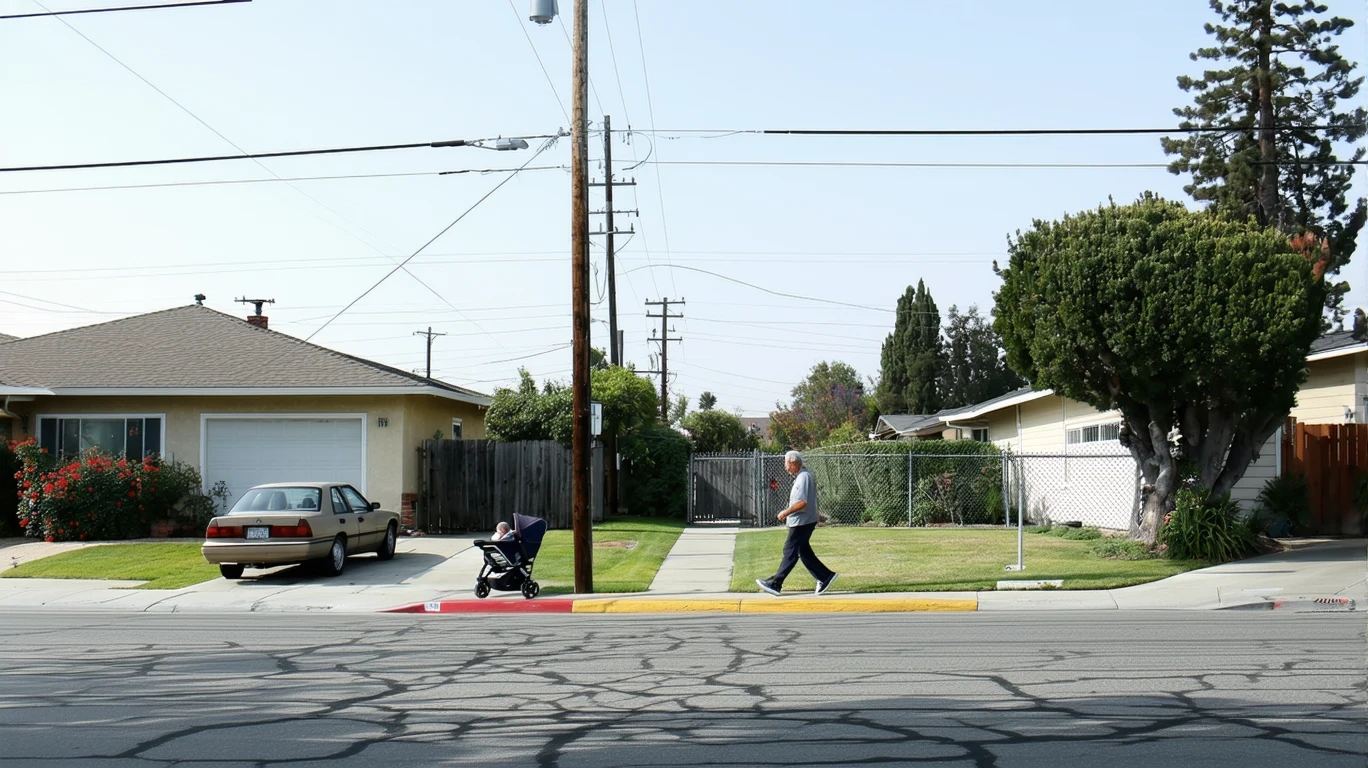
Grocery costs in both Laguna Niguel and Santa Ana reflect the same regional price environment—both cities fall within the same Bureau of Economic Analysis regional price parity zone, meaning staple prices like bread ($1.86/lb), chicken ($2.09/lb), and eggs ($2.42/dozen) don’t vary meaningfully between the two. However, how households experience grocery spending differs based on store access, shopping habits, and the friction involved in running errands. Laguna Niguel’s commercial corridors cluster along major roads like Crown Valley Parkway and La Paz Road, with a mix of large-format grocery stores, specialty markets, and chain retailers. Santa Ana’s denser street grid supports more neighborhood markets, discount grocers, and smaller-format stores scattered throughout residential areas, making it easier to pick up items on foot or with short drives.
The structural difference in grocery accessibility shows up in how households plan and execute shopping trips. In Laguna Niguel, most grocery runs require a car and tend to be consolidated into weekly or bi-weekly trips to maximize efficiency. This can help households stick to lists and avoid impulse purchases, but it also means less flexibility for last-minute needs or fresh ingredients. Families with multiple kids or specific dietary needs may find themselves making multiple stops across different stores, adding time and gas costs. In Santa Ana, higher density and more frequent store placement mean households can make smaller, more frequent trips—grabbing produce from a nearby market, picking up pantry staples on the way home from work, or walking to a corner store for milk or bread. This can reduce food waste and allow for more responsive meal planning, but it also creates more opportunities for convenience spending and unplanned purchases.
Dining out and prepared food spending follow similar patterns. Laguna Niguel’s restaurant scene concentrates in shopping centers and along commercial strips, with more sit-down chains, casual dining, and family-oriented concepts. Takeout and delivery options exist but often require longer wait times and higher delivery fees due to spread-out geography. Santa Ana’s denser layout supports more walk-up taquerias, food trucks, family-run restaurants, and quick-service options, making it easier to grab a meal without committing to a full sit-down experience or a long drive. For households prone to convenience spending—picking up coffee, grabbing lunch out, or ordering takeout on busy nights—Santa Ana’s accessibility can either enable better variety and lower per-meal costs, or create more frequent spending that adds up over time.
Household size and income sensitivity shape how these differences matter. Single adults and couples in Santa Ana can take advantage of smaller grocery formats, ethnic markets with lower prices on produce and staples, and quick meals that don’t require bulk purchasing or meal prep. Families with kids in Laguna Niguel may benefit from big-box stores like Costco or Walmart for bulk staples, but they also face higher per-trip costs and more pressure to avoid waste. Households managing tight budgets in Santa Ana have more options to price-shop across multiple stores within a short radius, while those in Laguna Niguel may need to drive farther to access discount grocers or ethnic markets that offer lower prices on specific categories.
Grocery and daily expenses takeaway: Price sensitivity in groceries is less about city-level differences and more about access friction and shopping behavior. Households in Laguna Niguel face more trip consolidation and car dependence, which can support disciplined budgeting but reduces flexibility. Households in Santa Ana have more spontaneous access and store variety, which can lower per-item costs and reduce food waste, but also creates more opportunities for convenience spending creep. Families managing large grocery volumes may prefer Laguna Niguel’s big-box access, while smaller households or those prioritizing walkability and frequent fresh food purchases may find Santa Ana’s density more cost-effective.
Taxes and Fees
Property taxes, sales taxes, and local fees operate under the same county and state frameworks in both Laguna Niguel and Santa Ana, but how these costs affect households depends on housing type, ownership structure, and the prevalence of HOAs and special assessments. California’s Proposition 13 caps property tax increases at 2% annually for existing owners, meaning long-term residents in both cities benefit from predictable tax growth. However, new buyers face reassessment at purchase price, and given Laguna Niguel’s higher median home value of $1,052,800 versus Santa Ana’s $624,000, the initial property tax obligation is substantially higher in Laguna Niguel. For a new buyer, this translates to a larger ongoing annual cost that doesn’t scale down even if the household’s income fluctuates.
Sales tax rates are identical across Orange County, but spending patterns differ. Households in Laguna Niguel, with higher median incomes and more reliance on car-based errands, may spend more on taxable goods like home improvement supplies, furniture, and discretionary retail purchases. Santa Ana’s denser commercial environment and higher concentration of service-based businesses means more spending may flow toward non-taxable services or smaller, more frequent purchases that don’t carry the same cumulative tax burden. The difference is subtle but compounds over time, especially for households furnishing homes, managing renovations, or making large one-time purchases.
HOA fees represent one of the most significant structural differences in ongoing costs. Laguna Niguel’s neighborhoods frequently include mandatory homeowners associations that charge monthly or annual fees ranging from modest amounts for basic landscaping to several hundred dollars per month for master-planned communities with pools, parks, and security. These fees can bundle services like water, trash, exterior maintenance, and insurance, which simplifies budgeting and shifts responsibility away from individual homeowners. However, they also reduce flexibility—households can’t opt out or reduce costs by doing their own maintenance, and special assessments for capital improvements can create unexpected expenses. Santa Ana has fewer HOA-governed neighborhoods, meaning homeowners retain more control over maintenance and service choices but also bear full responsibility for upkeep, landscaping, and repairs. For renters, HOA fees are typically passed through in higher rents in Laguna Niguel, while Santa Ana’s rental market reflects fewer bundled costs and more variability in what’s included.
Recurring city-specific fees like trash collection, water, and sewer also differ in structure. Laguna Niguel’s newer developments often include these costs in HOA fees or as part of Mello-Roos assessments—special taxes levied on newer developments to fund infrastructure. These assessments can add hundreds of dollars per month to housing costs and persist for 20–40 years, creating long-term obligations that don’t appear in the base property tax rate. Santa Ana has fewer Mello-Roos districts, meaning property tax bills are more straightforward, but individual utility bills may be higher or more variable depending on the age of infrastructure and the household’s usage patterns.
Taxes and fees takeaway: Homeowners in Laguna Niguel face higher property taxes due to higher home values, plus more frequent HOA fees and potential Mello-Roos assessments that bundle services but reduce flexibility. Homeowners in Santa Ana face lower base property taxes and fewer mandatory fees, but more responsibility for individual service costs and maintenance. Long-term residents in both cities benefit from Proposition 13’s tax growth caps, but new buyers in Laguna Niguel face steeper entry-level tax obligations. Renters in Laguna Niguel indirectly pay for HOA fees through higher rents, while renters in Santa Ana face fewer bundled costs but more variability in what’s included in their lease.
Transportation & Commute Reality
Transportation costs and commute friction differ sharply between Laguna Niguel and Santa Ana, not because of gas prices—both cities face the same regional rate of $5.90/gal—but because of how daily mobility works in practice. Laguna Niguel’s suburban layout, hillside topography, and corridor-based commercial development make car ownership nearly essential for most households. Pedestrian infrastructure exists in pockets, and bike-to-road ratios are notably high, but the distances between home, work, groceries, and schools typically require driving. Bus service is present, but routes are less frequent and cover fewer destinations compared to denser urban areas, making transit a backup option rather than a primary mode. Households in Laguna Niguel should expect to own at least one car per working adult, and families with kids often need two vehicles to manage school drop-offs, errands, and extracurricular activities without constant coordination.
Santa Ana’s denser street grid and mixed land use create more transportation flexibility. Rail transit service connects to regional job centers, making car-free or car-light living more viable for households working in downtown Santa Ana, Anaheim, or other rail-accessible areas. Bus coverage is more extensive, and the city’s walkable pockets mean some errands—picking up groceries, grabbing coffee, or walking to a park—can happen without a car. Bike infrastructure is present in some areas, though less extensive than in Laguna Niguel. For households willing to structure their lives around transit and walkability, Santa Ana offers more opportunities to reduce or eliminate car dependence, which can lower insurance, maintenance, registration, and fuel costs. However, households with jobs in car-dependent suburbs or those managing complex schedules with kids may still need a vehicle, just with less daily reliance.
Commute patterns also shape time costs, which don’t show up in budgets but affect household logistics and stress. Laguna Niguel residents commuting to job centers in Irvine, Newport Beach, or coastal areas may face moderate drive times but benefit from reverse commutes that avoid the worst freeway congestion. Those commuting to downtown Los Angeles or inland areas face longer drives and more exposure to traffic volatility. Santa Ana residents have more rail options for reaching central Orange County and Los Angeles County job centers, but those working in car-dependent suburbs may face longer, more complex commutes involving transfers or driving to transit hubs. The tradeoff becomes whether a household prioritizes lower housing costs with potential for longer or more complex commutes, or higher housing costs with shorter, more predictable drives.
Parking, registration, and vehicle-related fees add another layer of cost. Laguna Niguel’s single-family homes typically include garages and driveways, eliminating parking costs and reducing street parking friction. Santa Ana’s denser housing stock may include apartments with limited or paid parking, adding monthly costs or forcing street parking competition. Vehicle registration fees are identical statewide, but insurance costs can vary based on ZIP code risk profiles, with denser urban areas sometimes facing higher premiums due to accident frequency and theft rates.
Transportation takeaway: Laguna Niguel’s suburban layout makes car ownership nearly mandatory, with most households needing one or two vehicles to manage daily life. Santa Ana’s transit access and denser layout create more opportunities to reduce car dependence, especially for households working in rail-accessible job centers or willing to structure errands around walkability. The cost difference isn’t just fuel—it’s insurance, maintenance, registration, parking, and the time cost of longer or more complex commutes. Households sensitive to transportation flexibility and lower vehicle costs may prefer Santa Ana, while those prioritizing predictable car-based commutes and single-family home parking may accept Laguna Niguel’s higher car dependence.
Cost Structure Comparison
Housing pressure dominates the cost experience in both cities, but the nature of that pressure differs. Laguna Niguel concentrates cost at the entry point—higher rents, higher home values, larger down payments, and steeper income qualification thresholds. Once a household clears that barrier, ongoing costs become more predictable: newer housing stock reduces maintenance surprises, HOA fees bundle services, and efficient construction moderates utility volatility. Santa Ana distributes cost pressure differently: lower entry barriers make housing more accessible, but ongoing costs carry more variability. Older housing stock can mean higher maintenance and repair needs, fewer bundled services require more active management of utility and service bills, and denser living conditions may introduce noise, parking friction, or shared infrastructure challenges that don’t exist in Laguna Niguel’s quieter, more spacious neighborhoods.
Utilities and energy costs don’t differ by city-level rates, but housing type shapes exposure. Laguna Niguel’s larger, newer homes with better insulation and efficient HVAC systems create more predictable energy costs despite higher square footage. Santa Ana’s smaller, older units reduce total energy usage but may have less efficient systems and fewer opportunities for renters to upgrade insulation or appliances. Households managing tight budgets may find Santa Ana’s lower baseline usage easier to absorb, while those prioritizing long-term predictability and control may prefer Laguna Niguel’s newer construction.
Transportation patterns matter more in this comparison than in many city pairings. Laguna Niguel’s car dependence creates ongoing costs that don’t scale down easily—fuel, insurance, maintenance, and registration remain constant regardless of income fluctuations. Santa Ana’s transit access and walkable density offer more flexibility: households can reduce or eliminate car ownership, shift to transit for commuting, or walk for daily errands, creating more control over transportation spending. The tradeoff is time and convenience—car-based errands in Laguna Niguel are faster and more predictable, while transit and walking in Santa Ana require more schedule coordination and tolerance for variability.
Daily living costs—groceries, dining, convenience spending—don’t differ in price levels, but access friction shapes behavior. Laguna Niguel’s corridor-based commercial layout encourages trip consolidation and bulk purchasing, which can support disciplined budgeting but reduces spontaneity and flexibility. Santa Ana’s denser, more distributed retail environment makes it easier to grab items as needed, which can reduce food waste and allow for more responsive spending, but also creates more opportunities for unplanned purchases and convenience creep. Households with strong budgeting discipline may thrive in either environment, while those prone to impulse spending may find Santa Ana’s accessibility either liberating or costly.
The decision between Laguna Niguel and Santa Ana isn’t about which city costs less overall—it’s about which cost structure aligns with a household’s income stability, tolerance for variability, and priorities around space, transit, and daily logistics. Households with higher, stable incomes who prioritize predictability, space, and car-based convenience may find Laguna Niguel’s front-loaded costs worth the tradeoff. Households with moderate or variable incomes who value transit flexibility, walkability, and lower entry barriers may find Santa Ana’s distributed cost pressure more manageable. For households sensitive to housing entry costs, Santa Ana offers more pathways into the market. For households sensitive to ongoing transportation and logistics friction, Laguna Niguel offers more control and predictability once the initial housing hurdle is cleared.
How the Same Income Feels in Laguna Niguel vs Santa Ana
Single Adult
For a single adult, housing becomes the first non-negotiable cost, and the difference between Laguna Niguel and Santa Ana is stark. In Laguna Niguel, securing even a one-bedroom apartment or small condo requires clearing higher rent thresholds and income verification, leaving less room for discretionary spending or savings. Flexibility exists in transportation if the household can consolidate errands and limit driving, but car ownership remains nearly essential. In Santa Ana, lower rent creates more breathing room for other priorities—building an emergency fund, dining out occasionally, or managing irregular expenses without immediate stress. Transit access and walkable errands reduce the pressure to own a car, though households working in car-dependent suburbs may still need one. The difference is less about total spending and more about how much margin exists after housing is paid.
Dual-Income Couple
For a dual-income couple, the tradeoff shifts toward space, commute logistics, and long-term planning. In Laguna Niguel, higher housing costs absorb more of the combined income, but the household gains access to larger units, quieter neighborhoods, and more predictable ongoing costs. If both partners work in different directions or have flexible schedules, car dependence becomes manageable, though it requires two vehicles and careful coordination. In Santa Ana, lower housing costs free up income for travel, savings, or discretionary spending, and transit access may allow one partner to commute without a car, reducing insurance and fuel costs. The couple faces more variability in maintenance and utility costs, but also more flexibility to move, downsize, or adjust housing as priorities shift. The decision hinges on whether the couple prioritizes space and predictability or flexibility and lower entry costs.
Family with Kids
For families with kids, non-negotiable costs expand to include school access, childcare logistics, and the time cost of managing multiple schedules. In Laguna Niguel, higher housing costs buy more space—larger homes, yards, and access to parks—but school density is lower, meaning families may need to navigate school choice, longer drives to extracurriculars, or private school options. Two cars become essential for managing drop-offs, pickups, and errands without constant coordination. In Santa Ana, lower housing costs and stronger family infrastructure—higher school and playground density—reduce some logistical friction, and transit access may help older kids gain independence. However, smaller housing units and denser neighborhoods mean less private outdoor space and more reliance on public parks. The family faces more variability in housing quality and maintenance, but also more flexibility to allocate income toward childcare, activities, or savings. The choice depends on whether the family prioritizes space and quiet or access and flexibility.
Decision Matrix: Which City Fits Which Household?
| Decision factor | If you’re sensitive to this… | Laguna Niguel tends to fit when… | Santa Ana tends to fit when… |
|---|---|---|---|
| Housing entry + space needs | You need to minimize upfront costs or maximize space per dollar | You have high, stable income and prioritize newer construction, larger lots, and predictable ongoing costs | You need lower entry barriers, more housing type variety, and flexibility to move or downsize |
| Transportation dependence + commute friction | You want to reduce or eliminate car ownership or avoid long commutes | You work in coastal or south Orange County job centers and accept car dependence for faster, more predictable errands | You work in rail-accessible job centers or value walkable errands and can structure life around transit and density |
| Utility variability + home size exposure | You want predictable energy bills or control over efficiency upgrades | You prioritize newer, well-insulated homes with efficient systems despite higher square footage | You accept older housing stock with smaller units and lower baseline usage but less control over efficiency |
| Grocery strategy + convenience spending creep | You need to avoid impul |