
How much is enough to feel at ease? In Laguna Niguel, that question doesn’t have a single answer—but it has a clear structure. Comfort here isn’t about hitting a magic number; it’s about whether your income absorbs housing pressure, handles seasonal utility swings, and leaves room for the tradeoffs that define daily life in a coastal Orange County suburb.
This article explains how income pressure actually works in Laguna Niguel, who tends to feel comfortable, and why households at similar earnings often experience very different financial realities depending on size, priorities, and logistics.
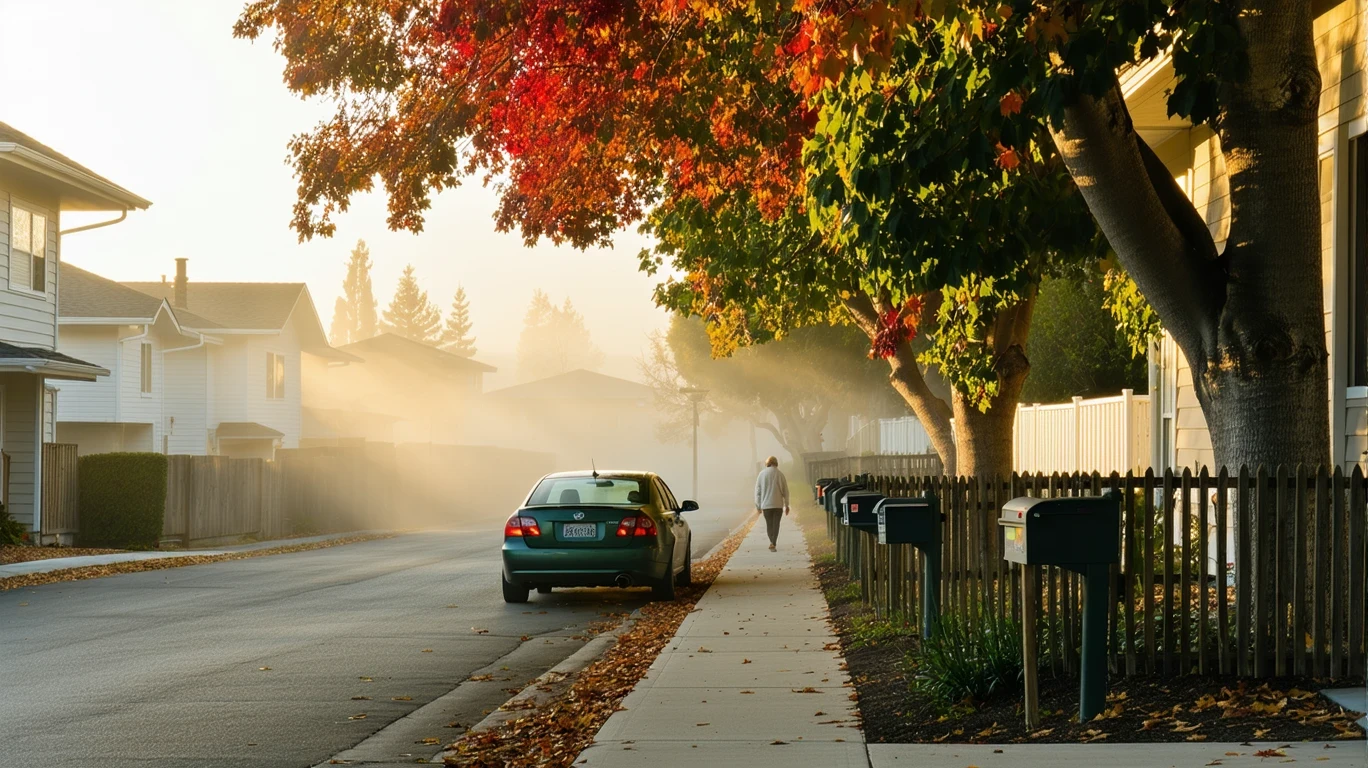
What “Living Comfortably” Means in Laguna Niguel
Comfort in Laguna Niguel is contextual. It’s not universal, and it’s not guaranteed by income alone. Locals define it by whether they can secure stable housing without constant tradeoffs, absorb utility bills that spike with Southern California’s cooling season, and move through daily errands without every trip becoming a logistics puzzle.
Space expectations run high here. The median home value sits at $1,052,800, and median gross rent is $2,736 per month. These aren’t entry-level figures—they reflect what the market delivers as typical. Comfort means accepting that housing will claim a substantial share of income, or making deliberate tradeoffs in size, age, or location to bring that share down.
Climate control is another baseline expectation. Coastal Southern California stays mild compared to inland areas, but electricity rates of 30.29¢/kWh mean that air conditioning, even used sparingly, translates to noticeable monthly swings. Comfortable households can absorb those swings without renegotiating other spending.
Dining and social rhythms also shape comfort. Laguna Niguel’s food and grocery options cluster along corridors rather than spreading evenly across neighborhoods. That means some households enjoy walkable access to daily errands, while others plan around driving. Comfort often hinges on whether that pattern fits your routine or fights it.
Time matters as much as money. The city offers integrated park access and notable bike infrastructure, but transit is bus-only. Households that value spontaneity or short errand loops may feel constrained if car ownership isn’t part of the equation. Comfortable living here means your transportation setup aligns with how you actually move through the week.
Where Income Pressure Shows Up First
Housing dominates financial pressure in Laguna Niguel, and it’s not close. At $2,736 per month for median rent, a household earning the city’s median income of $135,822 per year—roughly $11,318 gross per month—allocates about 24% of gross income to rent alone. That’s before utilities, transportation, food, or anything discretionary. For households below the median, that share climbs quickly, forcing tradeoffs in housing quality, size, or commute distance.
Ownership pressure is even steeper. A $1,052,800 median home value implies mortgage payments well above typical rent, even with a substantial down payment. Comfortable ownership in Laguna Niguel generally requires income significantly above the city median, or acceptance of a much longer financial horizon before flexibility returns.
Utility volatility adds a second layer of pressure, especially in summer. Electricity at 30.29¢/kWh means that cooling a home during extended heat can push monthly bills into ranges that feel disproportionate to usage. Households without cushion find themselves micromanaging thermostats or avoiding certain rooms. Comfortable households absorb these swings without behavioral contortion.
Transportation costs split along infrastructure lines. Gas prices of $5.90 per gallon make car dependency expensive, but bus-only transit limits job access and errand efficiency for many households. Families and dual-income couples often find that car ownership isn’t optional, even with bike infrastructure present in pockets. The pressure point isn’t the car itself—it’s whether your income can carry both the car and the housing without constant recalibration.
For families, pressure concentrates in a mismatch between cost and infrastructure. School density in Laguna Niguel falls below thresholds that would support walkable access for most households. That means families pay premium housing costs but still face logistics complexity—driving kids to school, coordinating pickups, managing schedules around transportation gaps. Comfortable family life here requires either income that allows for paid help and flexibility, or a household structure that can absorb significant unpaid logistics labor.
How the Same Income Feels Different by Household
Income pressure in Laguna Niguel doesn’t distribute evenly. Households at similar income levels often experience very different financial realities depending on size, structure, and daily patterns.
Single adults benefit from the city’s walkable pockets and corridor-clustered errands. If your home sits near one of those corridors, daily life can feel manageable without a car, especially given the notable bike infrastructure. Housing still dominates the budget—$2,736 per month is steep on a single income—but the lack of dependent logistics and the ability to optimize around a single commute pattern creates breathing room. Comfort for single adults often hinges on whether they can secure housing near work or transit, and whether they’re willing to treat car ownership as optional.
Couples gain flexibility from dual income, but face new tradeoffs. Two earners can more easily absorb $2,736 rent or pursue ownership, but transportation decisions become strategic. One car or two? If both work outside the home and job sites don’t align with bus routes, a second vehicle often becomes necessary—adding insurance, fuel at $5.90/gal, and maintenance to the monthly load. Comfortable couples in Laguna Niguel tend to have either aligned work locations, remote flexibility, or income high enough that a second car doesn’t force cuts elsewhere. The city’s integrated green space and outdoor access support quality of life, but only if the transportation setup doesn’t consume all discretionary time.
Families face the steepest pressure, even at above-median income. Limited school density means most families drive kids to school, and corridor-clustered errands make it harder to bundle trips efficiently. Childcare, after-school programs, and activity logistics layer onto housing and transportation costs, creating a compound load. Median income feels tight for families here—not because individual costs are unmanageable, but because the system requires constant coordination and often a second adult’s time or a paid solution. Comfortable family life in Laguna Niguel typically requires income well above the city median, or a household structure where one adult can dedicate significant time to logistics without income loss.
The Comfort Threshold (Qualitative)
Comfort in Laguna Niguel isn’t a single income figure—it’s a transition point where financial behavior changes. Below that threshold, bills dictate decisions. Above it, choices expand.
The threshold is where housing pressure eases enough that a utility spike, a car repair, or an unexpected expense doesn’t cascade into other tradeoffs. It’s where saving becomes plausible without eliminating discretionary spending. It’s where transportation decisions are driven by preference, not necessity.
For single adults, the threshold often sits at the point where rent no longer forces roommates or extreme commutes. For couples, it’s where a second car or a larger space doesn’t require cutting other priorities. For families, it’s where logistics can be managed without one adult sacrificing career flexibility or income entirely.
In Laguna Niguel, that threshold tends to sit above the city’s median household income of $135,822 per year for families, closer to median for couples, and variable for single adults depending on housing tradeoffs. The key marker isn’t the number—it’s whether your income allows you to absorb the city’s cost structure without monthly recalibration.
Households below the threshold can still live in Laguna Niguel, but comfort gives way to constant optimization. Households above it gain the ability to make decisions based on fit, not just affordability.
Why Online Cost Calculators Get Laguna Niguel Wrong
Most cost-of-living calculators treat Laguna Niguel as a set of averages: median rent, typical utilities, standard transportation. They produce a total, imply a required income, and stop there. That approach misses how costs actually interact.
Calculators don’t account for the fact that errands cluster along corridors, making walkability uneven. They don’t capture the pressure families face from limited school density despite premium housing costs. They don’t explain why two households at the same income can experience vastly different financial stress depending on whether they have one car or two, one child or three, or whether their work locations align with bus routes.
Totals mislead because they flatten tradeoffs. A calculator might say Laguna Niguel costs X per month, but it won’t tell you that hitting that number as a family often requires one adult to handle logistics full-time, or that single adults near the right corridor can live car-free while others can’t.
People feel surprised after moving because the averages don’t prepare them for the structure. Housing costs are visible upfront, but the downstream effects—transportation decisions, errand friction, family logistics complexity—only become clear once routines settle. Comfort depends on whether your household structure and income can absorb that friction, not just whether you can cover the rent.
How to Judge Whether Your Income Fits Laguna Niguel
Rather than chasing a target income, ask yourself whether your financial situation aligns with how Laguna Niguel actually works.
How sensitive are you to housing tradeoffs? If you need a certain amount of space, a specific school zone, or a particular neighborhood, your income needs to support $2,736+ rent or significantly higher ownership costs. If you’re flexible on size, age, or location, you can bring housing costs down—but you’ll still be working within a high baseline.
Can you absorb seasonal utility swings? Electricity at 30.29¢/kWh means summer cooling can add noticeable monthly costs. If a $50–$100 swing in your utility bill would force cuts elsewhere, that’s a signal that your income sits close to the edge of comfort here.
Is time or money your limiting factor? Laguna Niguel’s bus-only transit and corridor-clustered errands mean car ownership often saves time but costs money. If your income can’t comfortably carry a car, you’ll need a lifestyle and work situation that fits bus schedules and bike infrastructure. If your time is the constraint, you’ll need income that supports car ownership without stress.
How much logistics complexity can your household handle? Families face the most friction here due to limited school density and errand clustering. If both adults work full-time and you have multiple kids, your income needs to either support paid help or allow one adult to scale back work without financial strain. If you’re a single adult or couple without dependents, logistics complexity drops significantly.
How much flexibility do you expect month to month? Comfortable living means bills don’t dictate every decision. If your income leaves little room after housing, transportation, and utilities, Laguna Niguel will feel financially tight even if you’re technically covering costs. If you have margin for variability—unexpected expenses, discretionary spending, saving—you’re more likely to feel at ease.
There’s no pass/fail here. The goal is to assess whether your income and household structure align with the city’s cost texture, not whether you meet an arbitrary threshold.
FAQs About Living Comfortably in Laguna Niguel
Is the median household income enough to live comfortably in Laguna Niguel?
For couples without children, the median income of $135,822 per year often provides enough margin to absorb housing, transportation, and utilities without constant tradeoffs. For families, median income tends to feel tight due to limited school infrastructure and the logistics complexity that creates. Single adults at median income face steep housing pressure but may find relief if they can access walkable corridors and minimize car dependency.
Do you need to own a car to live in Laguna Niguel?
Not universally, but most households do. Transit is bus-only, and while bike infrastructure is notable in parts of the city, errands cluster along corridors rather than spreading evenly. Single adults near those corridors may manage without a car, especially if work is accessible by bus or bike. Families and dual-income couples typically find car ownership necessary for school runs, grocery trips, and job commutes.
How do utility costs affect comfort in Laguna Niguel?
Electricity at 30.29¢/kWh makes cooling costs noticeable during Southern California’s warmer months. Comfortable households can absorb seasonal swings without adjusting other spending. Households closer to the financial edge often find themselves managing thermostat settings carefully or avoiding use during peak hours. Natural gas at $22.96/MCF is less of a pressure point given the mild climate, but combined utility volatility still matters for overall monthly predictability.
Why do families face more income pressure in Laguna Niguel than other household types?
School density in Laguna Niguel falls below thresholds that would allow most families to walk kids to school. That creates transportation dependency and logistics complexity that other household types don’t face. Errands clustering along corridors rather than being broadly accessible adds to the coordination load. Families pay premium housing costs but still need to solve for daily logistics, which typically requires either above-median income, one adult reducing work hours, or paid help.
What’s the biggest financial surprise people face after moving to Laguna Niguel?
Most people expect high housing costs, but they underestimate how transportation and logistics decisions compound that pressure. A household that budgets for rent but not for a second car, or that assumes walkable errands will reduce costs, often finds that the city’s structure requires different tradeoffs than anticipated. The mismatch between premium housing costs and limited family infrastructure also surprises families who expect school access to match the price point.
How this article was built: In addition to public economic data, this article incorporates location-based experiential signals derived from anonymized geographic patterns—such as access density, walkability, and land-use mix—to reflect how day-to-day living actually feels in Laguna Niguel, CA.
Laguna Niguel can work well for some households—but only if expectations match reality. Comfort here depends less on hitting a specific income threshold and more on whether your household structure, transportation needs, and lifestyle priorities align with where money goes and how the city’s infrastructure shapes daily routines. If your income provides margin after housing and transportation, and if your household can manage the logistics texture without constant strain, Laguna Niguel offers strong outdoor access, integrated green space, and a stable economic base. If your income sits closer to the edge, or if family logistics complexity would consume all available flexibility, the city’s cost structure may feel persistently tight—even if the numbers technically add up.