
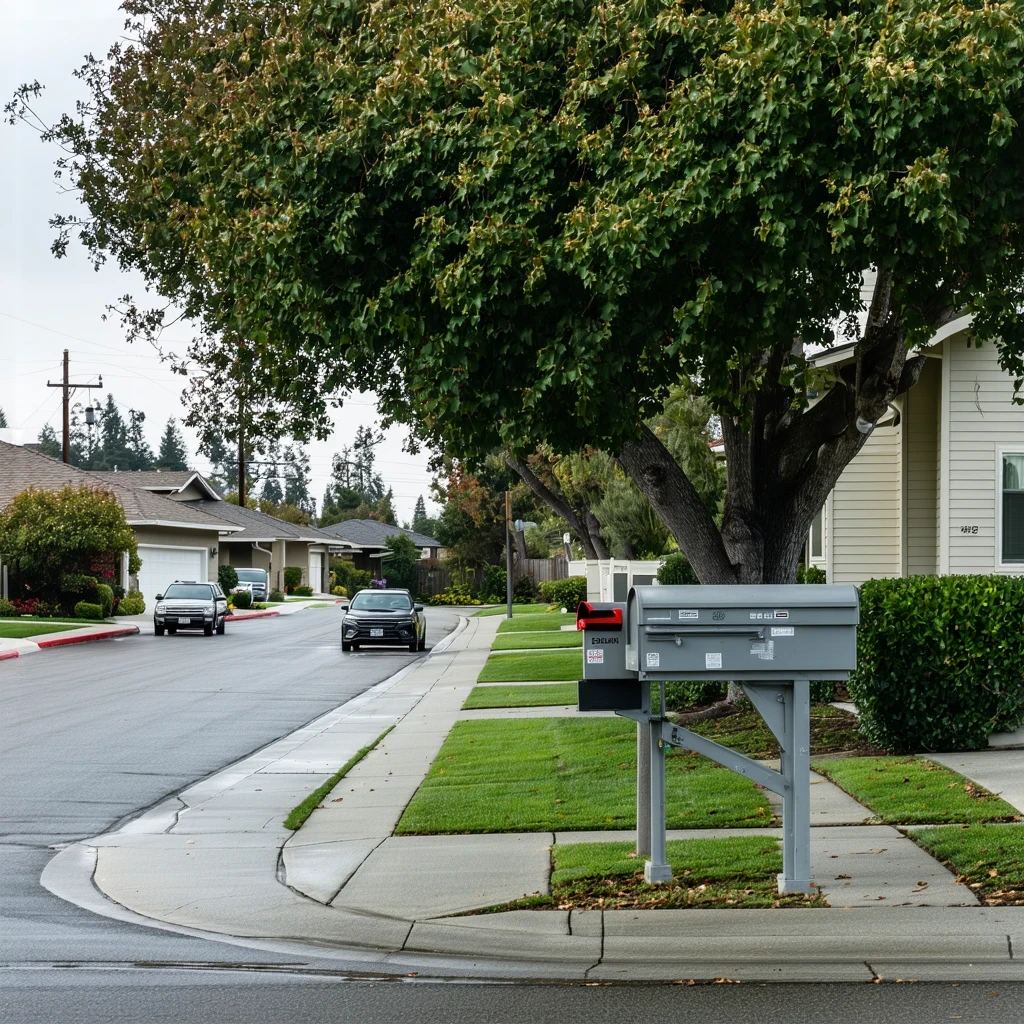
Most people assume Escondido is the budget-friendly choice in San Diego’s North County—lower home prices, more space, classic suburban affordability. But that myth dissolves quickly when you look at how costs actually show up in daily life. La Mesa and Escondido sit in the same metro, share the same utility rates, and attract similar household types, yet the cost experience feels completely different depending on whether you prioritize housing entry barriers, daily errands friction, or long-term predictability.
Both cities offer low-rise residential neighborhoods, mixed land use, and rail transit access. But La Mesa’s broadly accessible food and grocery infrastructure means fewer trips, less driving, and lower transportation exposure for households trying to minimize car dependency. Escondido’s corridor-clustered errands pattern and limited family infrastructure shift cost pressure toward transportation, time, and logistics—even if the sticker price on housing looks lower. The decision isn’t about which city is cheaper overall in 2026; it’s about which cost structure aligns with how your household actually operates.
This comparison explains where cost pressure concentrates differently in La Mesa and Escondido, which households feel those differences most, and how the same income can feel stable in one city and stretched in the other—without declaring a universal winner.
Housing Costs
La Mesa’s median home value sits at $684,200, while Escondido’s median home value is $616,400. That gap represents a meaningful difference in entry barriers for buyers, particularly first-time households trying to clear down payment thresholds or qualify for financing. Escondido’s lower home values create more accessible on-ramps into ownership, especially for households prioritizing space over proximity to denser commercial corridors. La Mesa’s higher home values reflect tighter inventory and stronger demand in neighborhoods where walkable errands and hospital access reduce ongoing transportation and healthcare logistics costs.
Rent tells a different story. La Mesa’s median gross rent is $1,819 per month, while Escondido’s is $1,833 per month—functionally identical. For renters, the housing cost difference isn’t about monthly obligations; it’s about what that rent buys in terms of daily convenience. La Mesa renters gain access to broadly distributed food and grocery options, reducing the need for long weekly shopping trips or reliance on a second car. Escondido renters may find more single-family rental options and larger floor plans, but those often come with higher transportation exposure due to corridor-clustered errands accessibility.
Homeownership in both cities introduces property taxes, maintenance, and insurance—costs that scale with home value and housing type. La Mesa’s higher home values mean higher absolute property tax bills, but the city’s integrated park density and hospital presence reduce some of the hidden costs families face (fewer trips for routine care, less driving to recreational spaces). Escondido’s lower home values ease the front-loaded burden of ownership, but limited family infrastructure—school density below thresholds, fewer playgrounds—can push families toward private alternatives or longer drives to access comparable amenities.
| Housing Type | La Mesa | Escondido |
|---|---|---|
| Median Home Value | $684,200 | $616,400 |
| Median Gross Rent | $1,819/month | $1,833/month |
| Typical Housing Form | Low-rise, mixed-use pockets | Low-rise, residential-dominant |
Housing takeaway: First-time buyers face lower entry barriers in Escondido, while La Mesa’s higher home values come with embedded convenience that reduces transportation and time costs. Renters pay nearly identical monthly obligations, but La Mesa renters trade higher home values in the surrounding market for lower car dependency, while Escondido renters may gain more space at the cost of longer errands loops. Families sensitive to school access and healthcare proximity experience less friction in La Mesa; households prioritizing ownership affordability and larger lots find more flexibility in Escondido.
Utilities and Energy Costs
Both cities share the same electricity rate—34.71¢/kWh—and natural gas price—$23.78/MCF—because they draw from the same regional utility infrastructure. That means the difference in utility exposure isn’t driven by rates; it’s driven by housing stock, cooling and heating behavior, and household size. Southern California’s mild climate keeps heating needs minimal, but summer cooling can dominate utility bills in older homes or larger single-family layouts. La Mesa’s low-rise, mixed-use character means more apartment and townhome stock, which tends to share walls and reduce cooling surface area. Escondido’s more residential-dominant layout skews toward detached single-family homes, which expose more exterior walls and roof area to heat gain.
Utility cost predictability in both cities depends heavily on home age and insulation quality. Newer construction in either city benefits from tighter building envelopes and more efficient HVAC systems, reducing baseline usage and smoothing out seasonal swings. Older homes—common in both markets—tend to experience higher cooling exposure during extended warm periods, and that exposure scales with square footage. Families in larger Escondido homes may see higher absolute utility bills simply because they’re conditioning more space, even if rates and climate are identical. Single adults or couples in smaller La Mesa apartments face lower baseline usage but less control over building-level efficiency if they’re renting in older stock.
Both cities benefit from California’s statewide focus on energy efficiency programs, time-of-use rate structures, and solar incentives, though participation and savings depend on housing type and ownership status. Renters in either city have limited control over major efficiency upgrades, making unit selection and building age critical factors in managing utility volatility. Homeowners in both markets can invest in insulation, HVAC upgrades, or rooftop solar to stabilize long-term costs, but those investments require upfront capital and time to pay off. Escondido’s larger lot sizes and more detached housing stock create more opportunity for solar installation, while La Mesa’s denser layout may limit roof access or shared decision-making in multi-unit buildings.
Utility takeaway: Households in larger, detached homes experience higher cooling exposure in Escondido due to more conditioned square footage, while La Mesa’s apartment-heavy stock reduces baseline usage but offers less control for renters. Families prioritizing predictability should focus on home age and insulation quality in either city, as rates and climate are identical. Homeowners in Escondido gain more flexibility for efficiency upgrades and solar installation, while La Mesa renters benefit from smaller footprints but face more volatility in older buildings.
Groceries and Daily Expenses
La Mesa’s food and grocery infrastructure is broadly accessible—density exceeds high thresholds for both food establishments and grocery stores. That means households can complete errands within shorter loops, often without needing a car for every trip. The city’s mixed land use and moderate pedestrian infrastructure support quick stops for staples, prepared foods, and household goods, reducing the planning burden and convenience spending that comes from fewer, longer shopping trips. Escondido’s corridor-clustered pattern concentrates food and grocery options along specific commercial strips, which works well for households with predictable weekly routines but introduces more friction for spontaneous or frequent errands.
Both cities share the same regional price parity index (111), meaning grocery prices for staples like bread, eggs, and milk reflect similar baseline costs. But the cost experience differs based on how often households need to drive, how much they rely on convenience options, and whether they can access discount grocers or bulk stores without adding significant travel time. La Mesa’s higher food establishment density includes more cafes, takeout spots, and prepared food options, which can either reduce cooking burden or increase spending depending on household habits. Escondido’s grocery density is high, but food establishment density sits in the medium band, meaning fewer quick-service options and more reliance on planned grocery runs.
Single adults and couples in La Mesa benefit from the ability to walk or bike to corner stores, coffee shops, and small grocers, reducing both transportation costs and the temptation to over-purchase during infrequent big-box runs. Families managing larger volumes may prefer Escondido’s layout, where corridor-clustered grocery access often includes larger format stores with better bulk pricing—but that advantage only holds if the household already owns a car and can absorb the time cost of less frequent, higher-volume trips. Households trying to minimize car dependency or living car-light face higher friction in Escondido, where errands accessibility drops outside the main commercial corridors.
Groceries takeaway: La Mesa’s broadly accessible food and grocery infrastructure reduces transportation costs and planning burden for car-light households, while Escondido’s corridor-clustered pattern works better for families with cars who prefer fewer, larger shopping trips. Price sensitivity is similar across both cities due to identical regional price parity, but convenience spending and transportation exposure differ based on how errands accessibility aligns with household routines. Single adults and couples feel less grocery pressure in La Mesa; families managing bulk purchases may find Escondido’s layout more efficient if they already own a vehicle.
Taxes and Fees
Property taxes in both cities follow California’s Proposition 13 framework, capping assessed value increases at 2% annually and resetting to market value only when a property changes hands. That means La Mesa homeowners face higher absolute property tax bills due to higher median home values ($684,200 vs. $616,400), but the structure is identical. For a household buying in 2026, the initial tax burden in La Mesa reflects that higher entry price, while Escondido buyers start with a lower assessed base. Over time, both cities offer the same predictability: taxes rise slowly and steadily, insulated from short-term market swings.
Sales taxes in both cities reflect San Diego County rates, meaning everyday purchases—groceries, gas, dining out—carry the same consumption tax burden. The difference shows up in how often households need to drive to access those goods. La Mesa’s broadly accessible errands infrastructure means fewer trips and less gas consumption, indirectly lowering the cumulative tax paid on fuel. Escondido’s corridor-clustered layout may push households toward more frequent driving, raising both transportation costs and the sales tax paid on gasoline—currently $4.64/gallon in Escondido vs. $5.34/gallon in La Mesa, a meaningful gap for households logging high weekly mileage.
Both cities include typical suburban fees—trash collection, water, sewer—that vary by housing type and service provider. Homeowners in either city pay these directly, while renters see them bundled into monthly rent or charged separately depending on lease terms. HOA fees are common in newer developments and townhome communities in both markets, sometimes covering landscaping, exterior maintenance, or shared amenities. Escondido’s larger lot sizes and more detached housing stock mean fewer mandatory HOA arrangements, giving homeowners more control but also more direct responsibility for upkeep costs. La Mesa’s denser layout includes more HOA-managed properties, which can increase predictability but reduce flexibility.
Taxes and fees takeaway: La Mesa homeowners face higher initial property tax exposure due to higher home values, but the long-term structure is identical to Escondido under Proposition 13. Sales tax rates are the same, but La Mesa’s lower transportation needs reduce cumulative fuel tax burden for car-light households. Escondido offers more housing options without mandatory HOA fees, appealing to homeowners who prefer direct control over maintenance spending, while La Mesa’s HOA prevalence trades flexibility for predictability in shared-cost management.
Transportation & Commute Reality
Both La Mesa and Escondido benefit from rail transit presence, providing viable alternatives to driving for commuters heading into downtown San Diego or other metro job centers. But transit viability depends heavily on where you live within each city and how well your daily errands align with walkable or bikeable infrastructure. La Mesa’s moderate pedestrian-to-road ratio and broadly accessible food and grocery density mean households can complete more tasks without a car, reducing the baseline need for vehicle ownership even if they commute by rail. Escondido’s walkable pockets exist, but the corridor-clustered errands pattern means most households still rely on cars for weekly shopping, healthcare visits, and family logistics.
Gas prices differ meaningfully between the two cities: $5.34/gallon in La Mesa vs. $4.64/gallon in Escondido. For households driving daily, that gap compounds quickly, especially for longer commutes or families managing multiple vehicles. But the cost equation isn’t just about price per gallon—it’s about how many gallons you actually burn. La Mesa’s higher gas prices are partially offset by shorter errands loops and better access to rail transit, reducing total fuel consumption for households that can structure their routines around walkable or transit-accessible anchors. Escondido’s lower gas prices help, but the city’s layout often requires more driving to access the same range of services, particularly for families juggling school drop-offs, grocery runs, and healthcare appointments.
Bike infrastructure in both cities sits in the “some pockets” category, meaning cycling is viable in limited areas but not a reliable primary mode for most households. La Mesa’s mixed land use and denser commercial corridors make bike commuting or errands more practical for households living near those zones. Escondido’s more residential-dominant layout spreads destinations farther apart, making cycling less practical for daily logistics even where bike lanes exist. For households trying to minimize car dependency, La Mesa’s structure reduces friction; for households already committed to driving, Escondido’s lower gas prices and less congested roads offer more predictable travel times.
Transportation takeaway: La Mesa’s higher gas prices are offset by shorter errands loops and better daily accessibility, making it easier to reduce total fuel consumption for car-light households. Escondido’s lower gas prices help, but the corridor-clustered layout often requires more driving to access comparable services, raising total transportation exposure even if per-gallon costs are lower. Both cities offer rail transit, but La Mesa’s walkable errands infrastructure makes transit commuting more viable for households without a second car.
Cost Structure Comparison
Housing pressure dominates the cost experience in both cities, but the type of pressure differs. La Mesa’s higher home values create steeper entry barriers for buyers, while Escondido’s lower home values ease initial affordability at the cost of potentially higher transportation and time exposure. Rent is nearly identical, so the housing decision for renters hinges on what that monthly payment buys in terms of daily convenience, errands accessibility, and proximity to healthcare and schools.
Utilities introduce similar exposure in both cities due to identical rates and mild Southern California climate, but housing type matters more than location. Larger detached homes in Escondido face higher cooling costs due to more conditioned square footage, while smaller apartments in La Mesa reduce baseline usage but offer less control for renters in older buildings. Predictability depends on home age, insulation quality, and whether the household can invest in efficiency upgrades—factors that apply equally in both markets.
Transportation patterns create the sharpest divergence. La Mesa’s broadly accessible errands infrastructure and moderate pedestrian-to-road ratio reduce the need for frequent driving, lowering cumulative fuel costs despite higher gas prices. Escondido’s corridor-clustered layout and lower gas prices work well for households with cars and predictable weekly routines, but the structure pushes car dependency higher for families managing school logistics, healthcare visits, and daily errands. Households sensitive to transportation volatility or trying to minimize vehicle ownership face less friction in La Mesa; households already committed to driving benefit from Escondido’s lower per-gallon costs and less congested roads.
Daily living costs—groceries, dining, household goods—reflect similar baseline prices due to identical regional price parity, but the cost experience differs based on how errands accessibility aligns with household routines. La Mesa’s higher food establishment density supports more spontaneous, smaller trips, which can either reduce planning burden or increase convenience spending depending on habits. Escondido’s corridor-clustered grocery access works better for bulk shopping and planned trips, but that advantage only holds if the household already owns a car and can absorb the time cost of less frequent runs.
The decision isn’t about which city costs less overall—it’s about which cost structure aligns with how your household operates. Households sensitive to housing entry barriers may prefer Escondido; households prioritizing daily convenience and lower transportation exposure may prefer La Mesa. For families, the difference is less about price and more about predictability: La Mesa offers stronger family infrastructure and hospital access, reducing logistics friction, while Escondido offers more space and lower home values at the cost of more driving and fewer walkable amenities.
How the Same Income Feels in La Mesa vs Escondido
Single Adult
For a single adult, rent consumes the largest share of income in both cities, but the flexibility that remains depends on transportation needs. In La Mesa, broadly accessible errands and rail transit make car-light living viable, freeing up income that would otherwise go toward vehicle payments, insurance, and fuel. In Escondido, corridor-clustered errands and limited walkable infrastructure push most single adults toward car ownership, tightening the budget even if rent and groceries cost the same. The non-negotiable costs feel similar on paper, but the time cost of managing logistics without a car is higher in Escondido.
Dual-Income Couple
A dual-income couple faces similar housing costs in both cities, but transportation exposure diverges quickly. In La Mesa, one partner can often commute by rail or bike while the other drives, reducing the need for two vehicles and lowering insurance, maintenance, and fuel costs. In Escondido, the corridor-clustered layout and limited transit viability outside main corridors mean most couples default to two cars, raising fixed costs and reducing flexibility for discretionary spending. The same gross income feels tighter in Escondido if both partners need to drive daily, while La Mesa couples gain breathing room by reducing vehicle dependency.
Family with Kids
For families, the non-negotiable costs shift toward housing size, school access, and healthcare logistics. In La Mesa, higher home values create steeper entry barriers, but the city’s family infrastructure—schools meeting density thresholds, hospital presence, integrated parks—reduces the hidden costs of managing kids’ routines. In Escondido, lower home values ease the path to ownership, but limited family infrastructure means more driving for school, healthcare, and recreation, raising both transportation costs and time burden. The same income feels more predictable in La Mesa for families prioritizing convenience; it feels more flexible in Escondido for families willing to trade logistics friction for lower housing entry costs.
Decision Matrix: Which City Fits Which Household?
| Decision factor | If you’re sensitive to this… | La Mesa tends to fit when… | Escondido tends to fit when… |
|---|---|---|---|
| Housing entry + space needs | Down payment size, square footage per dollar, ownership timeline | You prioritize proximity to services over lower entry price and can absorb higher home values for embedded convenience | You need lower entry barriers to ownership and value more space even if it requires more driving |
| Transportation dependence + commute friction | Fuel costs, vehicle ownership burden, transit viability, time spent driving | You want to minimize car dependency and can structure routines around walkable errands and rail transit | You already own a car and prefer lower gas prices with less congested roads for predictable travel times |
| Utility variability + home size exposure | Cooling costs, baseline usage, control over efficiency upgrades | You prefer smaller footprints with lower baseline usage and can tolerate less control if renting | You want larger homes with more space to condition and can invest in efficiency upgrades to manage exposure |
| Grocery strategy + convenience spending creep | Errands frequency, bulk vs small trips, reliance on prepared foods | You value frequent, walkable access to food and groceries and can manage convenience spending with discipline | You prefer fewer, larger shopping trips and have a car to access bulk options along commercial corridors |
| Fees + friction costs (HOA, services, upkeep) | Predictability vs control, bundled services, maintenance responsibility | You prefer predictable HOA-managed costs and value bundled services over direct control | You want more control over maintenance spending and prefer fewer mandatory HOA arrangements |
| Time budget (schedule flexibility, errands, logistics) | Commute length, errands loops, school and healthcare proximity | You prioritize shorter errands loops and walkable access to reduce time spent managing household logistics | You have schedule flexibility and can absorb longer errands loops in exchange for lower housing entry costs |
Lifestyle Fit
La Mesa and Escondido both offer low-rise, suburban character with access to San Diego’s broader metro amenities, but the day-to-day rhythm feels different. La Mesa’s mixed land use and broadly accessible errands infrastructure create a more walkable, errand-friendly environment where households can complete daily tasks without always needing a car. The city’s integrated park density and hospital presence reduce the logistics burden for families, while rail transit access makes downtown San Diego commutes viable without driving. Escondido’s walkable pockets exist, but the corridor-clustered layout means most households default to driving for groceries, healthcare, and recreation, even if they live near a rail station.
Both cities benefit from Southern California’s mild climate and proximity to outdoor recreation, but the structure of green space access differs. La Mesa’s park density exceeds high thresholds, meaning households can reach playgrounds, trails, and open space without long drives. Escondido’s park density sits in the moderate range, and water features are present, but accessing those spaces often requires a car, especially for families living outside the main commercial corridors. For households prioritizing spontaneous outdoor access and walkable recreation, La Mesa offers more flexibility; for households comfortable with planned weekend trips and car-based recreation, Escondido’s layout works fine.
Cultural and dining options in both cities reflect their positions as San Diego suburbs rather than standalone destinations. La Mesa’s higher food establishment density and mixed land use support more cafes, breweries, and local restaurants within walking distance of residential neighborhoods. Escondido’s corridor-clustered pattern concentrates dining and entertainment along specific strips, which works well for households with cars but offers less variety for pedestrians. Both cities provide access to San Diego’s broader cultural scene via rail transit, but La Mesa’s denser commercial fabric makes it easier to build a routine around local spots without always driving to the metro core.
La Mesa median household income: $83,649 per year. Escondido median household income: $77,554 per year. Both cities attract middle-income households, but La Mesa’s higher median income reflects the premium some households pay for walkable convenience and lower transportation exposure.
Both cities offer rail transit access, reducing the need for car ownership for metro commuters. La Mesa’s hospital presence eliminates the need to drive to neighboring cities for routine healthcare, while Escondido households rely on local clinics and travel for hospital services.
Frequently Asked Questions
Is La Mesa or Escondido cheaper for renters in 2026?
Rent is nearly identical—La Mesa’s median gross rent is $1,819 per month, while Escondido’s is $1,833 per month. The difference isn’t about monthly housing costs; it’s about what that rent buys in terms of daily convenience. La Mesa renters gain broadly accessible errands and walkable infrastructure, reducing car dependency and transportation costs. Escondido renters may find more single-family rental options and larger floor plans, but those often come with higher transportation exposure due to corridor-clustered errands accessibility.
Which city has lower home prices, La Mesa or Escondido?
Escondido’s median home value is $616,400, compared to La Mesa’s $684,200. That gap represents a meaningful difference in entry barriers for first-time buyers or households trying to clear down payment thresholds. Escondido’s lower home values ease the path to ownership, especially for households prioritizing space over walkable amenities. La Mesa’s higher home values reflect tighter inventory and stronger demand in neighborhoods where errands accessibility and hospital presence reduce ongoing transportation and healthcare logistics costs.
Does La Mesa or Escondido require more driving for daily errands in 2026?
Escondido’s corridor-clustered errands pattern means most households rely on cars for weekly shopping, healthcare visits, and family logistics, even if they live near rail transit. La Mesa’s broadly accessible food and grocery infrastructure allows households to complete more tasks without a car, reducing total fuel consumption despite higher gas prices ($5.34/gallon vs. $4.64/gallon in Escondido). For car-light households or families trying to minimize vehicle ownership, La Mesa introduces less friction; for households already committed to driving, Escondido’s lower gas prices and less congested roads offer more predictable travel times.
Which city is better for families with kids, La Mesa or Escondido?
La Mesa offers stronger family infrastructure—schools meeting density thresholds, hospital presence, and integrated park access—reducing the logistics burden of managing kids’ routines. Escondido’s limited family infrastructure (school density below thresholds, fewer playgrounds) means more driving for school, healthcare, and recreation, raising both transportation costs and time exposure. Families prioritizing walkable amenities and lower logistics friction tend to prefer La Mesa; families willing to trade convenience for lower housing entry costs and more space may find Escondido more flexible.
Are utilities more expensive in La Mesa or Escondido in 2026?
Both cities share the same electricity rate (34.71¢/kWh) and natural gas price ($23.78/MCF), so utility exposure depends on housing type and household behavior rather than location. Larger detached homes in Escondido face higher cooling costs due to more conditioned square footage, while smaller apartments in La Mesa reduce baseline usage but offer less control for renters in older buildings. Predictability in either city depends on home age, insulation quality, and whether the household can invest in efficiency upgrades.
Conclusion
La Mesa and Escondido offer different cost structures for the same metro, and the better choice depends entirely on which costs dominate your household. La Mesa’s higher home values create steeper entry barriers for buyers, but the city’s broadly accessible errands infrastructure, hospital presence, and stronger family amenities reduce transportation exposure and logistics friction for households trying to minimize car dependency. Escondido’s lower home values ease the path to ownership and offer more space per dollar, but the corridor-clustered layout and limited family infrastructure push most households toward higher transportation costs and more driving for daily errands, healthcare, and recreation.
For renters, the monthly housing cost is nearly identical, so the decision hinges on whether you value walkable convenience and lower transportation exposure (La Mesa) or more space and lower gas prices with higher car reliance (Escondido). For families, La Mesa’s stronger infrastructure reduces the hidden costs of managing kids’ routines, while Escondido’s lower entry barriers appeal to households willing to trade logistics friction for more affordable ownership. Both cities offer rail transit and low-rise suburban character, but the day-to-day experience differs based on how well your household routines align with each city’s errands accessibility, transportation needs, and cost structure.
How this article