
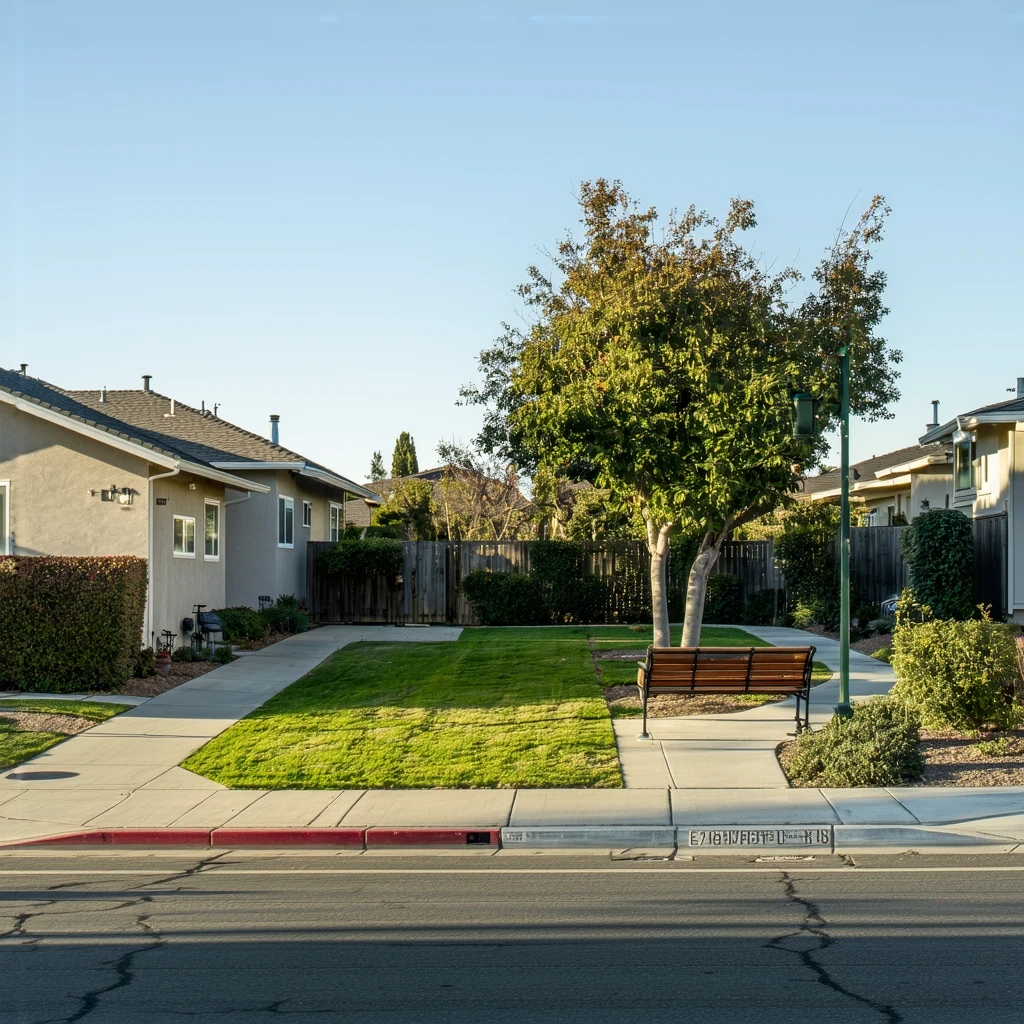
The Rodriguez family has been debating the same question for months: stay in their La Mesa rental or move south to Chula Vista? Both cities sit in the San Diego metro, both offer access to jobs and schools, and both feel like established suburban communities. But the cost pressures show up differently depending on what matters most to your household in 2026.
La Mesa and Chula Vista aren’t interchangeable. One leans on older, low-rise neighborhoods with high food and grocery accessibility woven into daily life. The other spreads across mixed-height development with strong family infrastructure but more corridor-based errands. The decision isn’t about which city costs less overall—it’s about which cost structure aligns with how your household actually lives, commutes, and spends time.
This comparison walks through housing pressure, utility exposure, transportation friction, and daily spending patterns to show where each city creates trade-offs. The better choice depends on which costs dominate your budget and which volatility you’re willing to manage.
Housing Costs
Housing is where La Mesa and Chula Vista diverge most clearly. La Mesa’s median home value sits at $684,200, while Chula Vista’s is $647,100. But rental markets flip that pattern: La Mesa’s median gross rent is $1,819 per month, compared to Chula Vista’s $2,035 per month. That gap matters because it changes who faces the highest entry barrier and who absorbs ongoing housing pressure.
For renters, La Mesa offers lower monthly obligations, which can ease cash flow for households managing variable income or building savings. Chula Vista’s higher rent reflects newer construction, larger unit sizes in some neighborhoods, and proximity to employment corridors that attract dual-income households. Renters in Chula Vista often trade higher monthly costs for more space or shorter commutes, but that trade-off only works if income supports it and the household values time savings over rent flexibility.
Homebuyers face the opposite calculus. La Mesa’s higher median home value creates a steeper down payment requirement and larger mortgage obligation, which can lock out first-time buyers or households stretching to enter the market. Chula Vista’s lower home values reduce the initial barrier, making ownership more accessible for families prioritizing long-term stability over rent volatility. But lower purchase prices don’t always mean lower total housing costs—property taxes, insurance, and maintenance still apply, and Chula Vista’s mixed-height development can introduce HOA fees that La Mesa’s older, low-rise stock typically avoids.
The housing stock itself shapes cost exposure. La Mesa’s low-rise character means older homes, which can mean lower property taxes but higher utility and maintenance costs. Chula Vista’s mixed-height profile includes newer builds with better insulation and lower heating and cooling needs, but those efficiencies often come bundled with HOA fees, special assessments, or stricter resale restrictions. Renters and buyers both need to account for these structural differences, not just the headline price.
Housing takeaway: Renters sensitive to monthly cash flow may find La Mesa easier to manage, while renters prioritizing space or commute proximity may accept Chula Vista’s higher rent. Buyers face higher entry costs in La Mesa but avoid some of the fee complexity common in Chula Vista’s newer developments. The decision hinges on whether you’re more exposed to upfront barriers or ongoing obligations.
Utilities and Energy Costs
Utility costs in both cities reflect San Diego County’s moderate climate and high electricity rates, but the way those costs show up depends on housing type, home age, and household size. La Mesa’s electricity rate is 34.71¢/kWh, slightly higher than Chula Vista’s 33.60¢/kWh. Natural gas pricing follows a similar pattern: La Mesa at $23.78/MCF versus Chula Vista at $21.94/MCF. These differences are small in isolation, but they compound over time in larger homes or older housing stock with less efficient heating and cooling systems.
La Mesa’s low-rise, older housing stock tends to lack the insulation and dual-pane windows common in Chula Vista’s newer builds. That means La Mesa households often face higher baseline usage for heating and cooling, even in a mild climate. Summer cooling dominates utility exposure in both cities, but older homes in La Mesa can see sharper spikes during heat waves. Chula Vista’s mixed-height development includes more recent construction with better thermal performance, which reduces volatility and keeps bills more predictable across seasons.
Household size and home type interact with these structural differences. Single adults or couples in smaller apartments face lower absolute utility costs in both cities, but renters in La Mesa’s older buildings may still see higher per-square-foot usage. Families in single-family homes experience more pronounced differences: a 1,500-square-foot home in La Mesa’s older stock can require more energy to maintain comfort than a comparable home in Chula Vista’s newer neighborhoods. That gap widens in homes with multiple occupants, where baseline usage (water heating, appliances, lighting) adds to climate control needs.
Both cities offer access to utility efficiency programs and time-of-use billing structures, but these tools work better for households with schedule flexibility and upfront capital to invest in upgrades. Renters have less control over efficiency improvements, which means they absorb volatility without the ability to reduce exposure. Homeowners can invest in insulation, HVAC upgrades, or solar installations, but those investments take time to pay off and require stable housing tenure to justify.
Utility takeaway: Chula Vista’s newer housing stock reduces utility volatility and keeps costs more predictable, especially for families in single-family homes. La Mesa’s older stock introduces more seasonal variability, which matters most for households in larger homes or those with limited control over efficiency improvements. The difference isn’t dramatic, but it shifts who can stabilize utility costs and who absorbs seasonal spikes.
Groceries and Daily Expenses
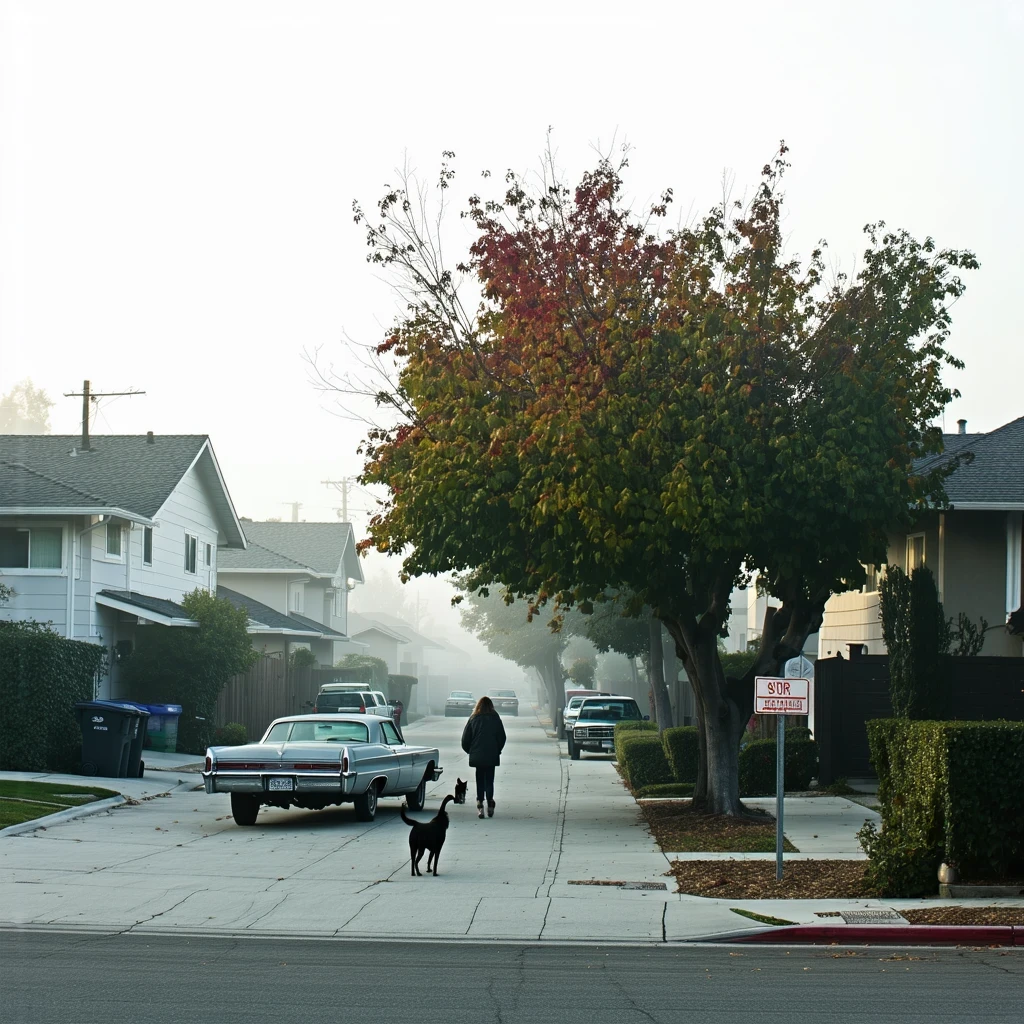
Grocery and daily spending pressure in La Mesa and Chula Vista reflects differences in access, density, and household logistics rather than raw price differences. Both cities share the same regional price parity index (111), meaning staple grocery prices behave similarly across the metro. But how easily you can access those groceries—and how much convenience spending creeps into your routine—depends on where food and retail options sit relative to where you live.
La Mesa shows broadly accessible food and grocery density, meaning options exceed density thresholds across the city. That structure reduces the need for long trips to stock up and makes it easier to comparison shop or pick up missing items without burning time or gas. Households in La Mesa can often walk or make short drives to grocery stores, which lowers transportation friction and reduces the temptation to rely on convenience stores or prepared foods that carry higher per-unit costs.
Chula Vista’s food and grocery options cluster along corridors rather than spreading evenly across neighborhoods. That means some households enjoy easy access, while others face longer trips to reach full-service grocery stores. Corridor clustering can work well for households with flexible schedules or those who batch errands efficiently, but it introduces friction for families managing school pickups, work schedules, and meal planning. That friction often translates into more frequent convenience purchases—grabbing takeout, stopping at corner stores, or paying for delivery—that add up over time without appearing as line items in a grocery budget.
Household size amplifies these differences. Single adults or couples can absorb occasional convenience spending without major budget impact, and they benefit from La Mesa’s walkable access or Chula Vista’s corridor efficiency depending on where they live. Families managing larger grocery volumes feel the difference more acutely: La Mesa’s distributed access reduces the need for bulk trips and makes it easier to restock frequently, while Chula Vista’s corridor model rewards households who can plan ahead and minimize trips. Families without that planning capacity—or those juggling unpredictable schedules—often face higher effective grocery costs in Chula Vista, not because prices are higher, but because access friction pushes them toward less efficient purchasing patterns.
Grocery takeaway: La Mesa’s broadly accessible grocery density reduces friction and convenience spending for most households, especially families managing frequent restocking. Chula Vista’s corridor-clustered model works well for planners and bulk shoppers but introduces more friction for households with variable schedules or limited time flexibility. The cost difference shows up in habits and logistics, not prices.
Taxes and Fees
Property taxes, sales taxes, and local fees behave similarly in La Mesa and Chula Vista because both cities sit within San Diego County and share the same base tax structure. But the way those costs land on households differs depending on housing type, ownership status, and how long you plan to stay. Renters absorb property taxes indirectly through rent, while homeowners face them as a direct, recurring obligation tied to assessed home value.
La Mesa’s higher median home value means homeowners face higher absolute property tax bills, even though the rate structure is the same. That difference matters most for recent buyers or households stretching to afford a home, because property taxes add to the monthly mortgage obligation and reduce purchasing power. Long-term homeowners in La Mesa benefit from Proposition 13 protections, which cap annual assessment increases and keep property tax growth predictable. But those protections don’t help first-time buyers, who enter at current market values and absorb the full tax burden from day one.
Chula Vista’s lower median home value reduces the property tax entry barrier, which can make ownership more accessible for households prioritizing stability over rent volatility. But Chula Vista’s mixed-height development and newer construction often introduce HOA fees, special assessments, or Mello-Roos taxes that don’t show up in older La Mesa neighborhoods. These fees can add hundreds of dollars per month to housing costs, and they’re less predictable than property taxes because they can increase based on community decisions or infrastructure needs.
Sales taxes apply equally in both cities, but spending patterns differ based on access and habits. Households in La Mesa with broadly accessible grocery and retail options may spend more locally, which keeps sales tax exposure within the city. Households in Chula Vista who drive to regional shopping centers or cross into other jurisdictions for bulk purchases may shift some sales tax burden elsewhere, but they also absorb higher transportation costs to access those options. The net effect depends on how often you shop, where you shop, and whether you prioritize convenience or price.
Tax and fee takeaway: Homeowners in La Mesa face higher property tax obligations due to higher home values, but they avoid many of the HOA fees and special assessments common in Chula Vista’s newer developments. Renters in both cities absorb taxes indirectly, but Chula Vista’s higher rent may reflect not just property taxes but also pass-through costs from HOA fees and community assessments. The difference is structural, not just magnitude.
Transportation & Commute Reality
Both La Mesa and Chula Vista offer rail transit service, which provides an alternative to driving for households working in downtown San Diego or other transit-accessible job centers. But commute patterns and car dependence differ based on where jobs are, how far people travel, and whether transit aligns with work schedules. Chula Vista’s documented commute data shows an average of 29 minutes, with 44.4% of workers facing long commutes. Only 9.0% of Chula Vista workers work from home, which means the vast majority depend on either driving or transit to reach their jobs.
La Mesa’s pedestrian-to-road ratio sits in the medium band, and rail service is present, but the city’s low-rise, older development pattern means some neighborhoods remain more car-oriented than others. Households in La Mesa who live near transit stations or along walkable corridors can reduce car dependence, but those in quieter residential pockets still need vehicles for daily errands and commuting. Chula Vista’s mixed-height development and corridor-based retail clustering create similar trade-offs: transit works well for commuters heading to fixed destinations, but daily errands and school runs still require cars for most households.
Gas prices introduce another layer of cost exposure. La Mesa’s gas price sits at $5.34/gal, while Chula Vista’s is $4.21/gal. That gap matters for households driving frequently or covering long commutes, because fuel costs compound quickly when you’re filling up weekly or more often. A household in Chula Vista driving 25 miles round trip daily faces lower fuel costs than a similar household in La Mesa, even if commute times are comparable. But that advantage only holds if you’re driving—households relying on transit or working from home see less benefit from lower gas prices.
Commute friction isn’t just about time or money—it’s about predictability and flexibility. Households with fixed schedules and transit-accessible jobs can reduce car dependence in both cities, but those with variable hours, multiple job sites, or school-age children often need vehicles regardless of transit availability. Chula Vista’s longer average commute and high percentage of long commuters suggest that many households are traveling outside the immediate area for work, which increases both time and fuel exposure. La Mesa’s proximity to central San Diego and more distributed job access may reduce commute distances for some households, but that depends entirely on where you work and whether your schedule aligns with transit service.
Cost Structure Comparison
Housing pressure dominates the cost experience in both cities, but it shows up differently depending on whether you rent or own. La Mesa renters face lower monthly obligations, which creates more cash flow flexibility and reduces exposure to rent volatility. Chula Vista renters absorb higher monthly costs but often gain access to newer units, more space, or shorter commutes that justify the premium. Homebuyers face the opposite trade-off: La Mesa’s higher home values create steeper entry barriers, while Chula Vista’s lower purchase prices make ownership more accessible but introduce fee complexity through HOAs and special assessments.
Utilities introduce more volatility in La Mesa due to older housing stock and less efficient heating and cooling systems. Chula Vista’s newer construction reduces seasonal swings and keeps bills more predictable, especially for families in single-family homes. The difference isn’t dramatic, but it shifts who can stabilize utility costs and who absorbs seasonal spikes. Households in La Mesa with limited control over efficiency improvements—renters, especially—face more exposure, while Chula Vista households benefit from better baseline performance even without active management.
Transportation patterns matter more in Chula Vista because of longer average commutes and higher car dependence for daily errands. Chula Vista’s lower gas prices offset some of that exposure, but households driving frequently still face higher time and fuel costs than those in La Mesa with shorter commutes or better transit alignment. La Mesa’s broadly accessible grocery and retail density reduces transportation friction for daily errands, while Chula Vista’s corridor clustering rewards planners but penalizes households with variable schedules or limited time flexibility.
Daily living costs—groceries, convenience spending, and errands—don’t differ dramatically in price, but access friction changes how much households spend on prepared foods, delivery, or last-minute purchases. La Mesa’s distributed access reduces convenience spending creep, while Chula Vista’s corridor model introduces more friction for families managing frequent restocking or unpredictable schedules. The cost difference shows up in habits and logistics, not prices.
The better choice depends on which costs dominate your household and which volatility you’re willing to manage. Households sensitive to monthly cash flow may prefer La Mesa’s lower rent and distributed access, even if home values are higher. Households prioritizing long-term stability and family infrastructure may accept Chula Vista’s higher rent or fee complexity in exchange for newer housing, stronger school and playground density, and more space. For households where commute time and fuel costs matter most, Chula Vista’s lower gas prices and documented transit access may outweigh higher rent, but only if your job and schedule align with those advantages.
How the Same Income Feels in La Mesa vs Chula Vista
Single Adult
For a single adult, housing becomes the first non-negotiable cost, and La Mesa’s lower rent creates more breathing room for discretionary spending or savings. Flexibility exists in transportation—rail transit works for commuters, and walkable access to groceries reduces car dependence. Chula Vista’s higher rent tightens the budget earlier, but lower gas prices and newer housing stock reduce utility volatility. The trade-off is front-loaded cash flow pressure in Chula Vista versus ongoing transportation friction in La Mesa if you live far from transit or walkable corridors.
Dual-Income Couple
A dual-income couple faces less pressure from rent differences because two incomes spread the cost, but commute friction becomes more pronounced if both partners work outside the immediate area. Chula Vista’s longer average commute and corridor-based errands introduce time costs that compound when both people are managing schedules. La Mesa’s distributed access and lower rent create more flexibility for one partner to work part-time or manage household logistics without car dependence. Predictability matters more than price—Chula Vista’s newer housing reduces utility surprises, but La Mesa’s lower rent and shorter errands reduce schedule friction.
Family with Kids
Families face the most complex cost structure because housing, schools, healthcare, and daily logistics all interact. Chula Vista’s strong family infrastructure—both schools and playgrounds meet density thresholds—reduces the need to drive kids to activities or search for childcare options. La Mesa’s hospital presence provides more direct healthcare access, but Chula Vista’s routine local clinics still cover most needs. The biggest difference is time versus cash: Chula Vista’s higher rent and longer commutes create more front-loaded pressure, but stronger family infrastructure reduces ongoing logistics friction. La Mesa’s lower rent and distributed grocery access ease cash flow, but families may spend more time managing errands and transportation without the same density of family-oriented amenities.
Decision Matrix: Which City Fits Which Household?
| Decision factor | If you’re sensitive to this… | La Mesa tends to fit when… | Chula Vista tends to fit when… |
|---|---|---|---|
| Housing entry + space needs | You need lower monthly rent or want to avoid steep down payments | You prioritize cash flow flexibility and can accept older housing stock | You want lower home purchase prices or need more space and can absorb higher rent |
| Transportation dependence + commute friction | You drive daily or face long commutes | You work near transit or value shorter errands and walkable access | You benefit from lower gas prices and can manage longer average commutes |
| Utility variability + home size exposure | You want predictable bills and lower seasonal swings | You can manage older housing stock or invest in efficiency upgrades | You value newer construction with better insulation and lower baseline usage |
| Grocery strategy + convenience spending creep | You restock frequently or have variable schedules | You value distributed access and short trips to avoid convenience purchases | You plan ahead and batch errands efficiently along corridors |
| Fees + friction costs (HOA, services, upkeep) | You want to avoid ongoing fees and special assessments | You prefer older stock without HOA obligations and accept higher maintenance exposure | You accept HOA fees in exchange for newer amenities and shared services |
| Time budget (schedule flexibility, errands, logistics) | You manage kids, multiple jobs, or unpredictable hours | You value shorter errands and hospital access for household logistics | You benefit from strong family infrastructure and can manage corridor-based errands |
Lifestyle Fit
La Mesa and Chula Vista both offer established suburban living within the San Diego metro, but daily life feels different depending on how you move through your neighborhood and what amenities matter most. La Mesa’s low-rise character and broadly accessible food and grocery options create a more walkable, errand-friendly experience for households who value short trips and distributed access. Rail transit connects La Mesa to downtown San Diego and other job centers, which works well for commuters with fixed schedules. Parks and water features are integrated throughout the city, and hospital presence provides direct healthcare access without needing to drive to regional medical centers.
Chula Vista’s mixed-height development and strong family infrastructure make it a better fit for households prioritizing schools, playgrounds, and space for kids. Both schools and playgrounds meet density thresholds, which reduces the need to drive children to activities or search for childcare options. Rail transit is present, but longer average commutes and corridor-based retail clustering mean most households still depend on cars for daily errands and work. Parks are integrated at high density, and water features add outdoor access, but routine healthcare relies on local clinics rather than hospital facilities.
Lifestyle factors indirectly affect costs in both cities. La Mesa’s walkable access and distributed grocery options reduce transportation friction and convenience spending, which lowers effective daily costs without requiring active budgeting. Chula Vista’s newer housing stock reduces utility bills and maintenance surprises, but higher rent and longer commutes introduce time and fuel costs that compound for households managing multiple schedules. The trade-off is between cash flow flexibility and predictable infrastructure versus space, family amenities, and newer construction.
La Mesa median household income: $83,649 per year
Chula Vista median household income: $101,984 per year
Frequently Asked Questions
Is La Mesa or Chula Vista cheaper for renters in 2026?
La Mesa offers lower median rent at $1,819 per month compared to Chula Vista’s $2,035 per month. That difference creates more cash flow flexibility for renters managing variable income or building savings. Chula Vista’s higher rent often reflects newer construction, larger units, or proximity to employment corridors, which may justify the premium for households prioritizing space or commute proximity. The better choice depends on whether you’re more sensitive to monthly obligations or long-term housing quality and location.
Which city has lower housing entry costs for first-time homebuyers in 2026?
Chula Vista’s median home value of $647,100 creates a lower down payment requirement compared to La Mesa’s $684,200. That difference reduces the initial barrier to ownership, making Chula Vista more accessible for first-time buyers or households stretching to enter the market. But lower purchase prices don’t eliminate ongoing costs—Chula Vista’s newer developments often include HOA fees and special assessments that La Mesa’s older stock typically avoids. The trade-off is between upfront affordability and ongoing fee complexity.
How do commute costs differ between La Mesa and Chula Vista in 2026?
Chula Vista’s gas price of $4.21/gal is significantly lower than La Mesa’s $5.34/gal, which reduces fuel costs for households driving frequently. But Chula Vista’s average commute is 29 minutes, and 44.4% of workers face long commutes, which increases time and fuel exposure. La Mesa’s proximity to central San Diego and more distributed job access may reduce commute distances for some households, but that depends on where you work and whether your schedule aligns with rail transit service. The cost difference shows up in fuel prices and commute length, not just time.
Which city is better for families managing school-age children in 2026?
Chula Vista shows strong family infrastructure, with both schools and playgrounds meeting density thresholds. That structure reduces the need to drive kids to activities or search for childcare options, which lowers logistics friction for families managing multiple schedules. La Mesa shows present family infrastructure, with schools meeting thresholds but playgrounds below density benchmarks. La Mesa’s hospital presence provides more direct healthcare access, which matters for families managing routine pediatric care or emergencies. The better choice depends on whether you prioritize school and playground density or healthcare access and lower rent.
Do grocery costs feel different in La Mesa versus Chula Vista in 2026?
Grocery prices behave similarly in both cities because they share the same regional price parity index. But access friction changes how much households spend on convenience purchases, delivery, or prepared foods. La Mesa’s broadly accessible grocery density reduces the need for long trips and makes it easier to restock frequently without burning time or gas. Chula Vista’s corridor-clustered grocery options work well for planners who batch errands efficiently, but they introduce more friction for families with variable schedules or limited time flexibility. The cost difference shows up in habits and logistics, not prices.
Conclusion
The Rodriguez family ultimately chose Chula Vista—not because it was cheaper overall, but because the cost structure aligned with their priorities. Two working parents valued Chula Vista’s strong family infrastructure and newer housing stock, even though rent was higher and commutes were longer. They could absorb the monthly cash flow pressure because both incomes were stable, and they prioritized predictable utility bills and school proximity over rent flexibility. For a single adult or couple managing tighter cash flow, La Mesa’s lower rent and distributed grocery access might have been the better fit.
La Mesa and Chula Vista don’t offer the same trade-offs. La Mesa rewards households sensitive to monthly obligations, walkable access, and healthcare proximity. Chula Vista rewards households prioritizing family amenities, newer construction, and long-term ownership affordability. The decision isn’t about which city costs less—it’s about which cost pressures you’re equipped to manage and which lifestyle factors reduce friction in your daily routine. Both cities work, but they work for different households in different ways.
How this article was built: In addition to public economic data, this article incorporates location-based experiential signals derived from anonymized geographic patterns—such as access density, walkability, and land-use mix—to reflect how day-to-day living actually feels in La Mesa and Chula Vista.