

Hollywood and Fort Lauderdale sit just miles apart in Broward County, sharing the same metro economy, the same tropical heat, and the same stretch of Atlantic coastline. Yet the way cost pressure shows up in daily life differs meaningfully between them. Hollywood offers lower baseline housing costs and a more vertical, mixed-use urban form with rail access and integrated green space. Fort Lauderdale counters with shorter commute times, lower gas prices, and food and grocery options that exceed density thresholds across the city. For households deciding between the two in 2026, the choice hinges less on total affordability and more on which costs dominate your household—and whether you value lower entry barriers or better day-to-day access.
Both cities attract young professionals, families seeking space near the beach, and retirees drawn to year-round warmth. Hollywood’s pedestrian infrastructure supports walkable pockets, while Fort Lauderdale’s broader accessibility makes daily errands less dependent on planning. Neither city is universally cheaper; instead, each imposes different tradeoffs. Renters face one set of pressures, homeowners another. Commuters who drive daily experience costs differently than those who work from home or rely on transit. Understanding where cost pressure concentrates—and where flexibility exists—matters more than comparing totals.
This article breaks down housing, utilities, groceries, transportation, taxes, and lifestyle fit to explain how the same income feels different depending on where you live, what you drive, and how you move through your day.
Housing Costs
Housing represents the largest single cost difference between Hollywood and Fort Lauderdale, and it shows up in both rent and ownership. Hollywood’s median gross rent sits at $1,463 per month, while Fort Lauderdale’s reaches $1,627 per month. For renters, that gap translates to lower baseline obligations in Hollywood, which matters most for single adults and couples managing tight budgets. Fort Lauderdale’s higher rent reflects stronger demand, proximity to downtown employment hubs, and a housing stock that skews toward newer construction and waterfront access. Hollywood’s rent structure favors those willing to trade some convenience for predictability and lower monthly pressure.
Ownership costs follow a similar pattern. Hollywood’s median home value stands at $345,300, compared to Fort Lauderdale’s $417,600. That difference affects down payment requirements, mortgage obligations, and property tax exposure. First-time buyers in Hollywood face a lower entry barrier, which can mean the difference between qualifying for a loan or waiting another year. Fort Lauderdale’s higher home values reflect its reputation as a more established coastal city with better walkable access to dining, shopping, and waterfront recreation. Families prioritizing space over location may find Hollywood’s housing stock more forgiving, while those seeking urban convenience and shorter commutes may justify Fort Lauderdale’s premium.
Both cities feature a mix of single-family homes, townhouses, and mid-rise condos, but the vertical character of each city’s urban form influences cost structure. Hollywood’s more vertical building profile supports denser residential options, which can mean lower per-unit costs in certain neighborhoods. Fort Lauderdale’s mixed-use development and integrated land use create neighborhoods where residential and commercial spaces coexist, reducing car dependency but often commanding higher rents and sale prices. Renters sensitive to ongoing monthly obligations may prefer Hollywood’s lower baseline, while buyers prioritizing resale value and neighborhood walkability may lean toward Fort Lauderdale despite the higher upfront cost.
Housing takeaway: Hollywood imposes lower entry barriers for both renters and buyers, making it more accessible for households managing tight budgets or saving for a down payment. Fort Lauderdale’s higher housing costs reflect better access to urban amenities, shorter commutes, and stronger demand. Families prioritizing space and predictability may find Hollywood more forgiving; those valuing walkability and convenience may justify Fort Lauderdale’s premium.
Utilities and Energy Costs
Utilities in both cities are shaped by South Florida’s tropical climate, where air conditioning dominates household energy use from April through October. Hollywood’s electricity rate stands at 15.02¢/kWh, while Fort Lauderdale’s reaches 15.78¢/kWh. That difference affects monthly bills for households running central air throughout the day, particularly in older homes with less efficient insulation or single-pane windows. Families in larger single-family homes face more exposure than couples in newer condos with energy-efficient HVAC systems and better thermal control. Hollywood’s slightly lower rate offers modest relief, but the real cost driver is cooling intensity, not the rate itself.
Natural gas prices follow a similar pattern, with Hollywood at $23.62/MCF and Fort Lauderdale at $25.39/MCF. Natural gas plays a smaller role in South Florida than in colder climates, typically limited to water heating, cooking, or pool heating in single-family homes. Most households rely on electric water heaters, which means electricity bills absorb the majority of utility pressure. Renters in apartments often see lower utility volatility because smaller square footage and shared walls reduce cooling load. Homeowners in detached houses face more variability, especially during peak summer months when daytime temperatures regularly climb into the upper 80s and low 90s.
Utility cost exposure varies by housing type and household behavior. Families working from home in Hollywood or Fort Lauderdale experience higher cooling costs because the home remains occupied all day. Those commuting to offices can set thermostats higher during work hours, reducing baseline usage. Older housing stock in both cities tends to leak conditioned air, increasing runtime and pushing bills higher. Newer construction with modern insulation, programmable thermostats, and energy-efficient windows offers more control and predictability. Households sensitive to utility volatility should prioritize housing age and HVAC efficiency over rate differences, which remain relatively small between the two cities.
Utility takeaway: Both cities face similar tropical cooling exposure, with electricity dominating household energy costs. Fort Lauderdale’s slightly higher electricity rate matters most for larger homes and households running air conditioning continuously. Hollywood’s lower rate offers modest relief, but housing age, insulation quality, and household occupancy patterns drive more volatility than the rate itself. Renters in apartments experience more predictable bills; homeowners in older single-family homes face more seasonal swings.
Groceries and Daily Expenses
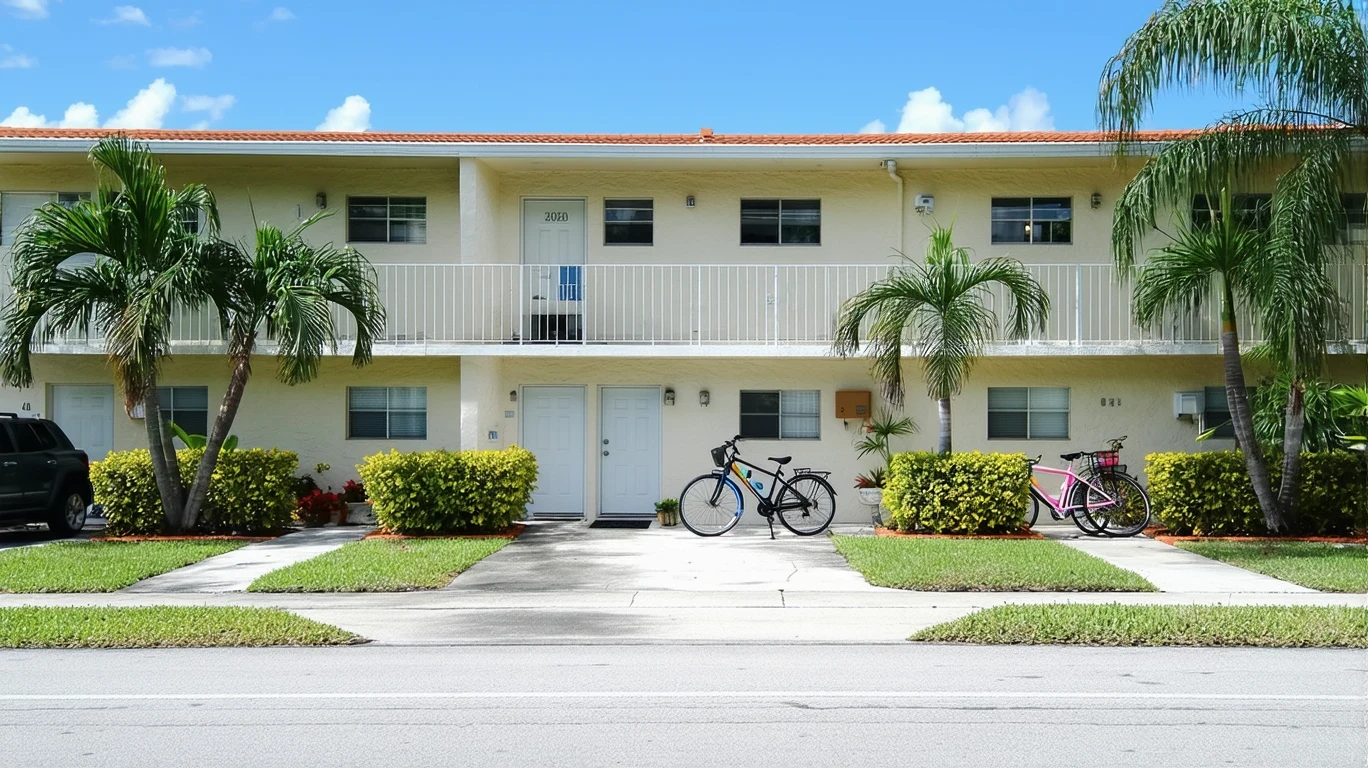
Grocery and daily spending pressure differs between Hollywood and Fort Lauderdale not because of price differences—both cities share the same regional price parity index—but because of how food and grocery establishments are distributed. Fort Lauderdale’s food and grocery density exceeds high thresholds across the city, meaning households can access supermarkets, convenience stores, and prepared food options without long drives or careful planning. Hollywood’s food and grocery options concentrate along corridors, which means some neighborhoods require more intentional trips or reliance on a car to stock up. For families managing weekly grocery runs, Fort Lauderdale’s broader accessibility reduces friction and saves time, even if prices remain similar.
Daily spending extends beyond groceries to include coffee runs, takeout meals, household goods, and convenience purchases. Fort Lauderdale’s mixed-use neighborhoods and walkable pockets make it easier to grab a quick meal or pick up essentials on foot, which can reduce car trips but also increase spending frequency. Hollywood’s corridor-clustered layout encourages fewer, more planned trips, which can help households avoid impulse purchases but requires more upfront organization. Single adults and couples who eat out frequently may find Fort Lauderdale’s density more convenient, while families cooking at home and buying in bulk may prefer Hollywood’s structure, which naturally limits convenience spending creep.
Price sensitivity matters more for households managing tight budgets or feeding multiple people. Both cities offer access to big-box retailers, discount grocers, and specialty stores, but Fort Lauderdale’s higher grocery density means more competition and more options within a short drive. Hollywood’s corridor-based access concentrates options along major roads, which can mean fewer choices in residential neighborhoods but also less temptation to overspend on prepared foods or premium items. Families prioritizing cost control may benefit from Hollywood’s layout, which encourages bulk shopping and meal planning. Those valuing convenience and variety may justify Fort Lauderdale’s structure, even if it leads to slightly higher spending.
Grocery takeaway: Fort Lauderdale offers broader accessibility to food and grocery options, reducing friction for daily errands but potentially increasing convenience spending. Hollywood’s corridor-clustered layout requires more planning but naturally limits impulse purchases. Families managing tight budgets may prefer Hollywood’s structure; those prioritizing convenience and walkable access may find Fort Lauderdale’s density worth the tradeoff.
Taxes and Fees
Property taxes in both Hollywood and Fort Lauderdale are governed by Florida’s statewide tax structure, which relies heavily on property values and local millage rates. Hollywood’s lower median home value translates to lower baseline property tax obligations for homeowners, while Fort Lauderdale’s higher home values push annual tax bills higher. For families planning to stay several years, that difference compounds over time, affecting long-term affordability and cash flow. Renters don’t pay property taxes directly, but landlords pass those costs through in the form of higher rent, which explains part of Fort Lauderdale’s rent premium.
Local fees vary by neighborhood and housing type. Homeowners associations (HOAs) are common in both cities, particularly in newer developments and condo buildings. HOA fees can range from modest monthly charges covering landscaping and trash removal to substantial assessments that include water, sewer, insurance, and building reserves. Fort Lauderdale’s newer construction and waterfront properties often carry higher HOA fees, reflecting premium amenities like pools, gyms, and security. Hollywood’s older housing stock includes more single-family homes without HOA obligations, which offers more control but also more responsibility for maintenance and repairs.
Sales taxes remain consistent across Broward County, so neither city offers an advantage on everyday purchases. Parking fees, tolls, and municipal service charges vary by neighborhood but don’t differ dramatically between the two cities. Homeowners in Fort Lauderdale face higher ongoing obligations due to property taxes and HOA fees, while Hollywood’s lower home values and less regulated housing stock reduce baseline costs. Renters in both cities should ask landlords whether utilities, trash, and water are included in rent, as those costs can add meaningful monthly pressure if billed separately.
Taxes and fees takeaway: Hollywood’s lower home values reduce property tax exposure for homeowners, while Fort Lauderdale’s higher values push annual obligations higher. HOA fees vary widely by neighborhood and housing type, with Fort Lauderdale’s newer developments often carrying higher monthly charges. Homeowners prioritizing lower ongoing obligations may prefer Hollywood; those seeking newer construction and managed amenities may justify Fort Lauderdale’s structure.
Transportation & Commute Reality
Commute patterns differ meaningfully between Hollywood and Fort Lauderdale, and those differences affect both time and money. Hollywood’s average commute sits at 30 minutes, with 48.4% of workers facing long commutes. Fort Lauderdale’s average drops to 26 minutes, with 37.6% experiencing long commutes. For households where both adults work outside the home, that four-minute difference per trip adds up to nearly an hour per week—time that could otherwise go toward errands, family obligations, or rest. Hollywood’s longer commutes reflect its position as a bedroom community for workers commuting to Miami or downtown Fort Lauderdale, while Fort Lauderdale’s shorter times suggest more local employment options and better proximity to job centers.
Gas prices reinforce that pattern. Hollywood’s gas price stands at $3.43/gal, while Fort Lauderdale’s drops to $2.94/gal. For households driving daily, that difference matters. Commuters covering 25 miles round trip in a vehicle averaging 25 MPG would use about one gallon per day, meaning Hollywood drivers face higher weekly fuel costs than their Fort Lauderdale counterparts. Families managing two cars or longer commutes feel that gap more acutely. Fort Lauderdale’s lower gas prices and shorter commute times reduce both cash outflow and time pressure, which can improve quality of life and reduce stress.
Both cities offer rail transit, which provides an alternative to driving for workers commuting to downtown hubs or Miami. Hollywood’s pedestrian-to-road ratio supports walkable pockets, meaning some neighborhoods allow residents to run errands on foot or bike. Fort Lauderdale’s higher pedestrian-to-road ratio and broadly accessible food and grocery density make car-free living more practical for households willing to rely on transit and walking. Work-from-home rates differ slightly, with 12.0% of Hollywood workers and 7.6% of Fort Lauderdale workers avoiding commutes entirely. Remote workers in either city reduce transportation costs but still need access to groceries, healthcare, and daily errands, making neighborhood walkability and transit access relevant even without a daily commute.
Transportation takeaway: Fort Lauderdale offers shorter commutes and lower gas prices, reducing both time and cash pressure for daily drivers. Hollywood’s longer commutes and higher fuel costs impose more friction, particularly for households managing two cars or long-distance commutes. Both cities provide rail transit and walkable pockets, but Fort Lauderdale’s broader accessibility and shorter commute times make it easier to reduce car dependency.
Cost Structure Comparison
Housing dominates the cost experience in both cities, but the nature of that pressure differs. Hollywood’s lower rent and home values reduce baseline obligations, making it more accessible for renters saving for a down payment or families managing tight budgets. Fort Lauderdale’s higher housing costs reflect better access to urban amenities, shorter commutes, and stronger demand, which matters most for households prioritizing convenience and walkability over predictability. Renters sensitive to ongoing monthly obligations face less pressure in Hollywood, while buyers prioritizing resale value and neighborhood access may justify Fort Lauderdale’s premium.
Utilities introduce similar seasonal volatility in both cities, with tropical cooling exposure driving the majority of energy costs. Fort Lauderdale’s slightly higher electricity rate matters most for larger homes and households running air conditioning continuously, but housing age and insulation quality drive more variability than the rate itself. Hollywood’s lower rate offers modest relief, but both cities require households to manage cooling intensity rather than rely on rate differences to control costs. Renters in apartments experience more predictable bills; homeowners in older single-family homes face more seasonal swings.
Transportation patterns matter more in Hollywood, where longer commutes and higher gas prices impose both time and cash pressure. Fort Lauderdale’s shorter commutes and lower fuel costs reduce friction for daily drivers, which can improve quality of life and reduce stress. Both cities offer rail transit and walkable pockets, but Fort Lauderdale’s broader accessibility to food, groceries, and daily errands makes car-free living more practical. Households managing two cars or long-distance commutes feel Hollywood’s transportation pressure more acutely, while those working locally or relying on transit may find Fort Lauderdale’s structure more forgiving.
Daily living costs—groceries, dining out, convenience spending—differ less in price and more in access. Fort Lauderdale’s broadly accessible food and grocery density reduces friction for daily errands but can increase convenience spending. Hollywood’s corridor-clustered layout requires more planning but naturally limits impulse purchases. Families managing tight budgets may prefer Hollywood’s structure, which encourages bulk shopping and meal planning. Those valuing convenience and variety may justify Fort Lauderdale’s density, even if it leads to slightly higher spending.
The better choice depends on which costs dominate your household. For renters and first-time buyers, Hollywood offers lower entry barriers and more predictable housing costs. For commuters and families managing busy schedules, Fort Lauderdale offers shorter commutes, lower gas prices, and better daily access. Households sensitive to housing pressure may prefer Hollywood; those sensitive to time pressure and convenience may prefer Fort Lauderdale. Neither city is cheaper overall—each imposes different tradeoffs, and the right fit depends on what you’re optimizing for.
How the Same Income Feels in Hollywood vs Fort Lauderdale
Single Adult
For a single adult, housing becomes the first non-negotiable cost, and Hollywood’s lower rent baseline offers more breathing room. Flexibility exists in dining out, entertainment, and convenience spending, but Fort Lauderdale’s broader accessibility to food and errands can erode that flexibility if walking to restaurants or coffee shops becomes a daily habit. Commute friction matters more in Hollywood, where longer drive times and higher gas prices reduce discretionary time. Fort Lauderdale’s shorter commutes and lower fuel costs free up both cash and schedule, which can feel like more control even if rent runs higher.
Dual-Income Couple
For a dual-income couple, housing pressure eases slightly because two incomes absorb rent or mortgage obligations more comfortably. Hollywood’s lower baseline costs allow more flexibility for savings or discretionary spending, while Fort Lauderdale’s higher housing costs require more upfront commitment. Transportation becomes a shared burden, and Fort Lauderdale’s shorter commutes and lower gas prices reduce friction for households managing two work schedules. Flexibility exists in grocery strategy—Hollywood’s corridor-clustered layout encourages bulk shopping and meal planning, while Fort Lauderdale’s density supports more frequent, smaller trips. The role of walkability and transit access matters more for couples who value convenience over cost control.
Family with Kids
For families, housing and transportation become non-negotiable first, leaving less flexibility for other costs. Hollywood’s lower home values reduce entry barriers and ongoing property tax obligations, which matters for families saving for a down payment or managing one income. Fort Lauderdale’s higher housing costs reflect better access to schools, parks, and daily errands, which can reduce time pressure and logistical friction. Commute friction compounds for families managing school drop-offs, after-school activities, and work schedules—Fort Lauderdale’s shorter commutes and lower gas prices reduce that burden. Grocery strategy becomes more rigid for families feeding multiple people, and Hollywood’s layout naturally limits convenience spending, while Fort Lauderdale’s density increases temptation but also reduces planning burden.
Decision Matrix: Which City Fits Which Household?
| Decision factor | If you’re sensitive to this… | Hollywood tends to fit when… | Fort Lauderdale tends to fit when… |
|---|---|---|---|
| Housing entry + space needs | You’re managing a tight budget, saving for a down payment, or prioritizing lower baseline obligations. | You value lower rent and home values that reduce entry barriers and ongoing property tax exposure. | You prioritize walkable access to urban amenities and are willing to pay a premium for convenience and resale value. |
| Transportation dependence + commute friction | You drive daily, manage two cars, or face long-distance commutes that consume time and fuel. | You work remotely or rely on rail transit, reducing exposure to Hollywood’s longer commutes and higher gas prices. | You value shorter commutes and lower fuel costs that reduce both time pressure and cash outflow. |
| Utility variability + home size exposure | You’re managing a larger home or older housing stock with less efficient cooling systems. | You benefit from slightly lower electricity rates that reduce baseline cooling costs during peak summer months. | You live in newer construction with energy-efficient HVAC and better insulation, minimizing rate differences. |
| Grocery strategy + convenience spending creep | You’re managing a tight budget, feeding multiple people, or trying to limit impulse purchases. | You prefer corridor-clustered access that encourages bulk shopping and meal planning over frequent small trips. | You value broadly accessible food and grocery options that reduce friction for daily errands, even if convenience spending increases. |
| Fees + friction costs (HOA, services, upkeep) | You’re managing ongoing obligations like HOA fees, property taxes, or municipal service charges. | You prefer lower home values and older housing stock that reduce property tax exposure and HOA obligations. | You value newer construction and managed amenities that justify higher HOA fees and property taxes. |
| Time budget (schedule flexibility, errands, logistics) | You’re managing busy schedules, school drop-offs, or multiple errands that require careful planning. | You’re willing to trade time for lower housing costs and can absorb longer commutes and corridor-based errands. | You prioritize shorter commutes and walkable access to daily needs that reduce logistical friction and free up discretionary time. |
Lifestyle Fit
Hollywood and Fort Lauderdale both offer access to South Florida’s beaches, year-round warmth, and outdoor recreation, but the texture of daily life differs. Hollywood’s pedestrian infrastructure supports walkable pockets, meaning some neighborhoods allow residents to run errands on foot or bike. Rail transit connects Hollywood to downtown Fort Lauderdale and Miami, making car-free commuting practical for workers willing to rely on public transportation. Parks and green space are integrated throughout the city, with water features adding to the coastal character. Families benefit from schools and playgrounds that meet density thresholds, though playground density remains lower than school density. The city’s more vertical building profile creates denser residential neighborhoods, which can mean more neighbors, less yard space, and more reliance on shared amenities.
Fort Lauderdale’s lifestyle centers on convenience and accessibility. The city’s broadly accessible food and grocery density means households can walk or drive short distances to stock up on essentials, grab a meal, or run daily errands. Rail transit and high pedestrian-to-road ratios support walkable living in certain neighborhoods, particularly near downtown and waterfront areas. Parks and water features are integrated throughout the city, offering outdoor recreation without long drives. Schools meet high density thresholds, making Fort Lauderdale appealing for families prioritizing education access. The city’s mixed-use development and vertical building character create neighborhoods where residential and commercial spaces coexist, reducing car dependency and increasing walkability. Fort Lauderdale is recognized as a college city, which adds to its cultural vibrancy and dining scene.
Commute times shape daily routines in both cities. Hollywood’s longer average commute and higher percentage of long-distance commuters mean residents spend more time in transit, which can reduce discretionary time for errands, family obligations, or rest. Fort Lauderdale’s shorter commutes and lower percentage of long-distance commuters free up time and reduce stress, which can improve quality of life and make busy schedules more manageable. Both cities offer work-from-home flexibility, but remote workers still need access to groceries, healthcare, and daily errands, making neighborhood walkability and transit access relevant even without a daily commute. Fort Lauderdale’s current temperature sits at 67°F, while Hollywood’s reaches 76°F, reflecting typical South Florida warmth that supports outdoor activities year-round.
Frequently Asked Questions
Is Hollywood or Fort Lauderdale cheaper for renters in 2026?
Hollywood offers lower baseline rent, with median gross rent at $1,463 per month compared to Fort Lauderdale’s $1,627 per month. That difference matters most for single adults and couples managing tight budgets or saving for a down payment. Fort Lauderdale’s higher rent reflects better walkable access to food, groceries, and daily errands, which can reduce car dependency and time pressure. Renters sensitive to ongoing monthly obligations face less pressure in Hollywood, while those prioritizing convenience and shorter commutes may justify Fort Lauderdale’s premium.
How do commute costs compare between Hollywood and Fort Lauderdale in 2026?
Fort Lauderdale offers shorter average commutes at 26 minutes compared to Hollywood’s 30 minutes, and lower gas prices at $2.94/gal compared to Hollywood’s $3.43/gal. For daily drivers, that combination reduces both time and cash pressure. Hollywood’s longer commutes and higher fuel costs impose more friction, particularly for households managing two cars or long-distance commutes. Both cities offer rail transit, but Fort Lauderdale’s shorter commutes and lower gas prices make driving more affordable for households relying on cars.
Which city is better for families comparing Hollywood vs Fort Lauderdale in 2026?
Hollywood offers lower home values and rent, reducing entry barriers for families saving for a down payment or managing one income. Fort Lauderdale offers shorter commutes, better grocery accessibility, and higher school density, which can reduce logistical friction and time pressure. Families prioritizing lower housing costs and predictability may prefer Hollywood, while those valuing convenience, walkability, and shorter commutes may justify Fort Lauderdale’s higher housing costs. Both cities offer integrated parks, water features, and family infrastructure, so the better fit depends on whether housing affordability or daily convenience matters more.
Do utilities cost more in Hollywood or Fort Lauderdale in 2026?
Fort Lauderdale’s electricity rate sits slightly higher at 15.78¢/kWh compared to Hollywood’s 15.02¢/kWh, but both cities face similar tropical cooling exposure. The real cost driver is housing age, insulation quality, and household occupancy patterns, not the rate itself. Families in larger single-family homes or older housing stock face more utility volatility in both cities. Renters in apartments experience more predictable bills due to smaller square footage and shared walls. Hollywood’s lower rate offers modest relief, but households managing cooling intensity should prioritize housing efficiency over rate differences.
How does grocery shopping differ between Hollywood and Fort Lauderdale in 2026?
Fort Lauderdale’s food and grocery density exceeds high thresholds across the city, meaning households can access supermarkets and prepared food options without long drives or careful planning. Hollywood’s food and grocery options concentrate along corridors, requiring more intentional trips and planning. Families managing tight budgets may prefer Hollywood’s layout, which naturally limits convenience spending and encourages bulk shopping. Those valuing walkable access and variety may find Fort Lauderdale’s density more convenient, even if it leads to slightly higher spending on prepared foods or frequent small trips.
Conclusion
Hollywood and Fort Lauderdale sit close enough to share the same regional economy, climate, and coastal lifestyle, yet the way cost pressure shows up in daily life differs meaningfully. Hollywood offers lower baseline housing costs, making it more accessible for renters and first-time buyers managing tight budgets or saving for a down payment. Fort Lauderdale counters with shorter commutes, lower gas prices, and broadly accessible food and grocery options that reduce friction for daily errands and busy schedules. Neither city is cheaper overall—each imposes different tradeoffs, and the right fit depends on which costs dominate your household and what you’re optimizing for.
Households sensitive to housing pressure—renters saving for a down payment, families managing one income, or buyers prioritizing lower entry barriers—may find Hollywood’s structure more forgiving. Those sensitive to time pressure, commute friction, or convenience—dual-income couples managing busy schedules, families juggling school drop-offs and work, or professionals prioritizing walkable access—may justify Fort Lauderdale’s higher housing costs in exchange for better daily accessibility and shorter commutes. Both cities offer rail transit, integrated parks, and hospital access, so lifestyle fit depends less on amenities and more on how you move through your day, where cost pressure concentrates,