
Grand Prairie sits in the Dallas–Fort Worth metro, where housing markets move quickly and affordability depends less on sticker price than on how costs behave after move-in. The median home value here is $242,900, and median rent runs $1,381 per month—both figures that look manageable against the city’s median household income of $76,626 per year. But housing decisions in Grand Prairie hinge on more than headline numbers. They depend on how property taxes shift, how summer heat stresses cooling systems, and whether your household can absorb the friction of car-dependent errands or benefit from the rail line that connects parts of the city to the broader metro.
This article breaks down housing pressure in Grand Prairie by examining rent stability, ownership exposure, and the structural differences between apartments and houses. It’s written for households deciding whether to rent or buy, and what kind of housing fits the way Grand Prairie actually works.
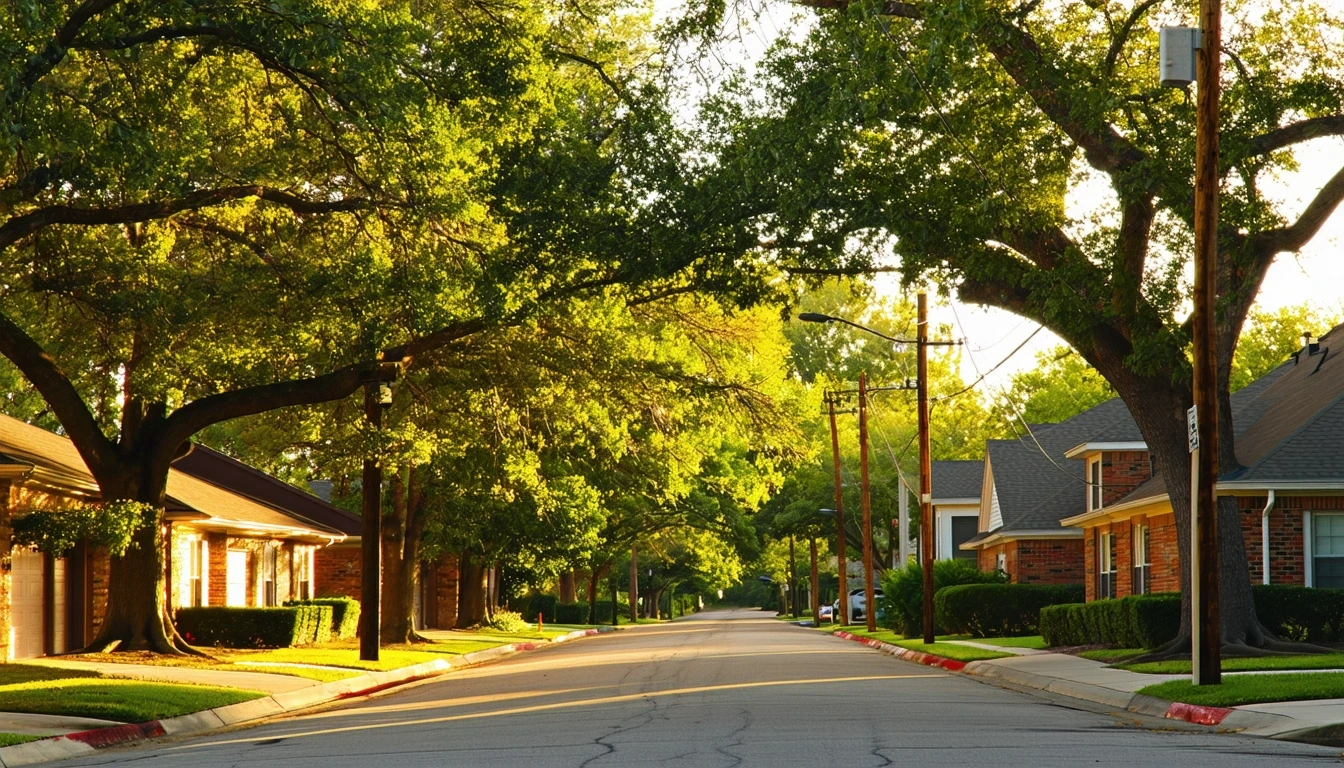
The Housing Market in Grand Prairie Today
Grand Prairie’s housing market reflects its role as a commuter suburb with mixed land use and moderate density. Development here has favored single-family homes and mid-rise apartments, creating a stock that serves families, young professionals, and cost-conscious renters alike. The city’s position between Dallas and Fort Worth gives it transit access—rail service runs through parts of Grand Prairie—but most daily errands still require a car, as food and grocery options cluster along commercial corridors rather than spreading evenly across neighborhoods.
What newcomers often misunderstand is that Grand Prairie’s affordability isn’t static. Home values may align with median income today, but ownership here means exposure to Texas property tax structures, which can shift as appraisals rise. Renters face less volatility in the short term, but they also forfeit control over housing costs in a metro where rent growth has historically tracked demand from the broader Dallas–Fort Worth economy.
The housing experience here is also shaped by climate. Triple-digit summer heat dominates cooling costs, and the extended cooling season means utility bills peak for months, not weeks. Older housing stock—common in parts of Grand Prairie—amplifies this exposure, as insulation and HVAC efficiency vary widely. Buyers and renters alike need to account for how housing age and design interact with local weather patterns.
Renting in Grand Prairie
Rental housing in Grand Prairie offers predictability and lower upfront costs, but it also reflects the city’s car-oriented structure. Most rental properties sit along major corridors or near commercial zones, which means access to groceries and services often requires driving even short distances. Rail transit provides an alternative for commuters heading into Dallas or Fort Worth, but it doesn’t eliminate the need for a vehicle in day-to-day life.
Rent at $1,381 per month sits below the metro’s high-demand urban cores, making Grand Prairie a common landing spot for households priced out of closer-in neighborhoods. But that affordability comes with tradeoffs. Renters here typically face longer commutes if they work in central Dallas, and the city’s mixed walkability means errands require planning rather than convenience. For households without school-age children, this structure works—especially if rail access aligns with work locations. For families, the limited density of schools and playgrounds increases reliance on cars and adds logistical complexity.
Rental stability in Grand Prairie depends on metro-wide demand, not just local supply. When the Dallas–Fort Worth economy tightens, rent pressure here tends to follow, though with a lag. Renters should expect lease renewals to reflect broader metro trends, not just neighborhood conditions.
Owning a Home in Grand Prairie
Ownership in Grand Prairie shifts cost exposure from landlord to household. The median home value of $242,900 fits within traditional affordability guidelines for a household earning $76,626 per year, but the decision to buy introduces responsibilities that renters avoid: property taxes, maintenance, and long-term exposure to climate-driven wear.
Property taxes in Texas fund local services without a state income tax, which means tax rates here are higher than in many other states. Grand Prairie homeowners should expect annual tax bills to move with appraisals, and appraisals tend to rise in metros with strong job growth. Unlike rent, which resets annually, property taxes compound over time, and owners have limited tools to cap increases beyond exemptions and appeals.
Maintenance exposure in Grand Prairie is driven by heat. Roofs, HVAC systems, and exterior paint all degrade faster under sustained high temperatures and intense sun. Homes built before modern efficiency standards require more frequent repairs, and older neighborhoods in Grand Prairie include significant stock from earlier development waves. Buyers should assess not just purchase price but the age and condition of major systems, as replacement costs can arrive suddenly.
Homeownership here also means navigating HOAs in some neighborhoods, which bundle services like landscaping or amenity access but add monthly fees and governance layers. In non-HOA areas, owners gain full control but also full responsibility for upkeep and compliance with city codes.
Apartment vs House in Grand Prairie — Cost Behavior Comparison
The choice between an apartment and a house in Grand Prairie isn’t just about space—it’s about how costs behave and who controls them. The table below highlights categories where the difference is shaped by Grand Prairie’s climate, housing stock, or infrastructure. Rows are included only where the distinction reflects local conditions, not universal apartment-versus-house dynamics.
| Expense Category | Apartment | House |
|---|---|---|
| Cooling Costs | Shared walls and smaller square footage reduce exposure; landlord controls system efficiency | Full exposure to triple-digit heat; owner responsible for HVAC efficiency and replacement |
| Property Taxes | Embedded in rent; increases absorbed by landlord in current lease term | Direct annual bill; increases tied to appraisal cycles and metro growth |
| Exterior Maintenance | Managed by property; no owner exposure to roof, siding, or paint degradation from heat | Owner bears full cost; sun and heat accelerate wear on roofs and exterior surfaces |
| Transportation Access | Often located near corridors or rail; reduces some car dependency for commuters | More dispersed; typically requires car for errands and school access due to limited walkability |
Why these categories? Cooling costs differ here because Grand Prairie’s extended heat season makes HVAC the dominant utility expense, and control over system efficiency matters. Property tax exposure is a defining feature of Texas homeownership, and it behaves differently for renters and owners. Exterior maintenance is included because sun and heat degrade materials faster in this climate, creating a recurring cost that apartments externalize. Transportation access reflects Grand Prairie’s corridor-clustered errands and mixed walkability, which affect how often households need a car.
Categories like water, trash, or internet were excluded because they don’t vary meaningfully between apartments and houses in Grand Prairie—they’re either bundled similarly or billed separately in both cases.
Utilities & Upkeep Differences
Utility exposure in Grand Prairie is dominated by cooling. The electricity rate of 15.87¢/kWh applies to all housing types, but how much electricity a household uses depends on square footage, insulation quality, and HVAC efficiency. Apartments benefit from shared walls and smaller footprints, which reduce the volume of air that needs conditioning. Houses, especially older or larger ones, face higher baseline usage, and owners control whether to invest in efficiency upgrades or accept higher bills.
Natural gas, priced at $19.31/MCF, plays a smaller role here than in colder climates. Heating demand is minimal, and gas is more commonly used for water heating or cooking. This shifts the utility cost profile heavily toward electricity, making summer bills the primary exposure for both renters and owners.
Maintenance differences between apartments and houses in Grand Prairie are driven by climate intensity. Roofs in this region endure prolonged sun exposure and occasional severe weather, which shortens their lifespan compared to milder climates. HVAC systems run longer and harder, increasing wear and the frequency of service calls. Exterior paint fades and cracks faster under UV exposure. Apartment residents avoid these costs entirely; house owners must budget for them as recurring, not occasional, expenses.
Landscaping and irrigation also differ. Apartments typically include yard care in rent or HOA fees. Houses require either owner labor or contracted services, and water costs rise during dry stretches if lawns or gardens are maintained.
Rent vs Buy: Long-Term Exposure in Grand Prairie
The decision to rent or buy in Grand Prairie is a choice between predictability and control. Renters face annual lease renewals that reflect metro-wide demand, but they avoid exposure to property tax increases, major repairs, and climate-driven maintenance. Owners lock in a mortgage payment but accept responsibility for everything else—taxes, upkeep, and the risk that costs will rise faster than income.
Over time, ownership in Grand Prairie shifts from a housing cost to a bundle of exposures. Property taxes move with appraisals, and appraisals tend to follow metro growth. HVAC systems, roofs, and water heaters all have finite lifespans, and replacement costs arrive on schedules owners can’t control. Renters avoid these shocks, but they also forfeit the ability to build equity or stabilize their largest monthly expense.
For households planning to stay in Grand Prairie long-term, ownership offers control over housing quality and insulation from rent volatility. For those uncertain about tenure or unwilling to absorb maintenance risk, renting preserves flexibility and limits exposure to the city’s climate-driven upkeep cycle.
Neither path is universally better. The fit depends on how a household values control versus predictability, and whether they’re prepared to manage the recurring costs that come with Texas homeownership.
FAQs About Housing Costs in Grand Prairie
How does Grand Prairie’s housing affordability compare to nearby cities?
Grand Prairie’s median home value of $242,900 sits below many closer-in Dallas suburbs, making it accessible to households earning near the metro median. Rent at $1,381 per month is similarly moderate. The tradeoff is longer commutes for those working in central Dallas or Fort Worth, and a housing structure that requires cars for most errands.
What drives property tax increases in Grand Prairie?
Property taxes in Texas are tied to appraised home values, which rise with metro demand and local development. Grand Prairie homeowners should expect appraisals to increase over time, especially in neighborhoods seeing new construction or infrastructure investment. Owners can appeal appraisals, but the baseline trend follows the broader Dallas–Fort Worth economy.
Are utilities higher in Grand Prairie than in other Texas cities?
Electricity rates in Grand Prairie are competitive within the state, but total utility costs depend on usage, which is driven by cooling demand. The extended summer heat season means high bills for months, not weeks. Older homes or larger square footage amplify this exposure. Apartments and newer homes with better insulation reduce it.
Does Grand Prairie’s rail access reduce the need for a car?
Rail service connects parts of Grand Prairie to the broader metro, which helps commuters heading into Dallas or Fort Worth. But day-to-day costs still require a car in most neighborhoods, as grocery stores and services cluster along corridors rather than near residential areas. Walkability is mixed, and errands typically involve driving.
What should renters know about lease renewals in Grand Prairie?
Lease renewals in Grand Prairie reflect metro-wide rental demand, not just local supply. When the Dallas–Fort Worth economy tightens, rent increases here tend to follow. Renters should expect annual adjustments and plan for the possibility that affordability erodes over time, even if initial rent seems manageable.
Making Housing Choices in Grand Prairie
Housing costs in Grand Prairie are shaped by the city’s position in the Dallas–Fort Worth metro, its climate, and its car-oriented structure. Rent offers short-term predictability and lower upfront costs, but it exposes households to metro-wide demand cycles. Ownership provides control and long-term stability, but it requires absorbing property tax increases, climate-driven maintenance, and the responsibility of managing a home in a region where heat accelerates wear.
The choice between renting and buying depends on how long a household plans to stay, how much control they want over housing quality, and whether they’re prepared to manage the recurring costs that come with Texas homeownership. For those seeking context on how housing fits into broader household expenses, see Monthly Spending in Grand Prairie: The Real Pressure Points. Households planning a move can find logistical guidance in the Best Moving Companies Guide.
Grand Prairie’s housing market rewards planning and clarity about tradeoffs. It’s not the cheapest option in the metro, but it’s accessible, and it works for households willing to navigate the friction of car dependency and the exposure of Texas property taxes.
How this article was built: In addition to public economic data, this article incorporates location-based experiential signals derived from anonymized geographic patterns—such as access density, walkability, and land-use mix—to reflect how day-to-day living actually feels in Grand Prairie, TX.