
Budgeting Smarter in Golden
Understanding the monthly budget in Golden starts with recognizing what makes this small city different: it’s not a purely car-dependent suburb, but it’s not a dense urban core either. Golden sits in a middle zone where median gross rent runs $1,712 per month, homeownership centers on a median home value of $698,700, and the local cost structure reflects a regional price level about 5% above the national baseline. What newcomers often underestimate is how much budget flexibility depends on where within Golden you land—walkable pockets with high pedestrian infrastructure let some households trim transportation costs significantly, while corridor-clustered grocery and food access means errand planning matters more than in cities with evenly distributed retail.
The median household income here is $90,990 per year (roughly $7,582 gross monthly), and while that sounds comfortable on paper, the budget reality hinges on housing tenure, commute footprint, and whether your daily errands align with the city’s commercial corridors. Electricity costs 16.44¢ per kilowatt-hour, natural gas runs $10.41 per thousand cubic feet, and gas prices sit at $3.91 per gallon—all of which behave differently depending on household size, housing type, and how much you drive. The unemployment rate of 4.1% signals a stable local economy, but budget stress in Golden rarely comes from one dramatic expense; it’s the accumulation of friction costs—HOA dues, separate utility bills, and the logistics tax of limited family infrastructure—that catches people off guard after move-in.
A Simple Budget Map: How Costs Behave by Household Type
The table below illustrates how cost behavior and exposure differ across three household types in Golden. It does not show totals or attempt to predict what any household will spend—instead, it describes cost texture: what’s stable, what’s volatile, what’s shared, and what changes most as circumstances shift.
| Category | Jasmine (single renter) | Sam & Elena (couple, renters) | Ortiz family (2 kids, owners) |
|---|---|---|---|
| Housing (Rent or Mortgage) | $1,712/month median rent; stable lease term, volatile at renewal | Shared $1,712 rent or higher for more space; stable during lease | Mortgage on $698,700 median home; fixed payment, but tax/insurance rise over time |
| Utilities | Electricity ~$164/month (illustrative, 1,000 kWh at 16.44¢/kWh); heating seasonal; solo exposure | Shared electricity and gas; lower per-person exposure; seasonal heating load | Size-sensitive; larger home increases heating/cooling footprint; gas $10.41/MCF in winter months |
| Food (Groceries + Eating Out) | Corridor-clustered access; solo shopping; eating out flexible | Shared grocery runs; bulk buying reduces per-person cost; corridor access matters | Family-scale grocery load; kid-driven meal frequency; corridor-clustered stores require planning |
| Transportation | Commute-dependent; gas $3.91/gal; walkable pockets reduce need if located strategically | Shared vehicle or two-car household; commute footprint dominates; bike infrastructure notable but commute-specific | Two-car likely; school/activity logistics add trips; limited family infrastructure increases driving |
| Fees / Friction Costs | Minimal if renting; trash/water often included or simple | Shared admin; HOA rare for renters; parking permits possible in denser areas | HOA common in newer developments; trash, water, sewer billed separately; HVAC servicing seasonal |
| Discretionary (life + surprises) | Flexible; compressed if rent dominates income | Shared discretionary pool; more room for surprises | Kid-driven; school, activities, healthcare travel (no local hospital); less flexible |
| What Changes This Most | Lease renewal; commute distance; location within Golden | Second car decision; housing size; dual commute coordination | Property tax/insurance increases; school logistics; vehicle count |
Methodology: This guide uses only city-level figures provided in the IndexYard data feed for 2026. Where exact category totals aren’t provided, categories are described directionally to show budget behavior rather than a receipt-accurate total.
The Real Cost Drivers in Golden
In Golden, the budget stress point is rarely one big bill—it’s the stack of small “friction” costs that show up after move-in. Housing anchors everything: renters face the $1,712 median monthly rent with volatility at renewal, while owners navigate mortgages on a $698,700 median home value, plus rising property taxes and insurance over time. But housing pressure doesn’t stop at the lease or mortgage payment—it shapes where you live, which in turn determines your transportation and errands exposure. Golden’s walkable pockets (high pedestrian-to-road ratio, notable bike infrastructure) offer real transportation savings if your home and workplace align, but many households still depend heavily on cars. With gas at $3.91 per gallon, a standard 25-mile round-trip commute runs roughly $86 per month in fuel alone (illustrative, assuming 25 MPG and ~22 workdays)—and that’s before maintenance, insurance, or a second vehicle.
Utilities add seasonal texture. Electricity at 16.44¢ per kilowatt-hour translates to around $164 monthly for a typical 1,000 kWh usage (illustrative, before fees and taxes), but that figure swings with cooling in summer and heating in winter. Natural gas, priced at $10.41 per thousand cubic feet, dominates heating months—illustratively, about $10.41 per month per MCF in peak winter, though actual usage varies widely by home size and insulation. Larger homes and families face compounding exposure: more square footage to heat and cool, more occupants driving up electricity and water use, and less ability to absorb surprise costs when discretionary budgets are already compressed by kid-driven expenses.
Then there’s the errands layer. Golden’s food and grocery access is corridor-clustered—high food establishment density, but grocery stores concentrated in specific areas. If you live outside those corridors, every grocery run becomes a driving task, adding fuel costs and time. Limited family infrastructure (low school and playground density per OpenStreetMap analysis) increases logistics complexity for families: more driving to activities, longer school commutes, and fewer walkable options for daily kid routines. Meanwhile, healthcare access is routine-local (clinics present, but no hospital), meaning specialist or emergency care requires travel beyond Golden.
Common friction costs in Golden (directional, no exact pricing unless noted):
- HOA or association dues: Common in newer developments; often cover landscaping, snow removal, and shared amenities.
- Trash and recycling: Billing structures vary by housing type; sometimes included in rent, sometimes billed separately for owners.
- Water and sewer: Typically billed separately from rent or mortgage; usage-sensitive for larger households.
- Parking permits: Relevant in denser, more walkable pockets; rare in car-dependent areas.
- Seasonal HVAC servicing: Heating system maintenance matters in Colorado winters; episodic but necessary.
- Vehicle registration and insurance: Colorado-specific fees; two-car households double the admin load.
How Households Keep the Budget Under Control (Without Living Like a Monk)
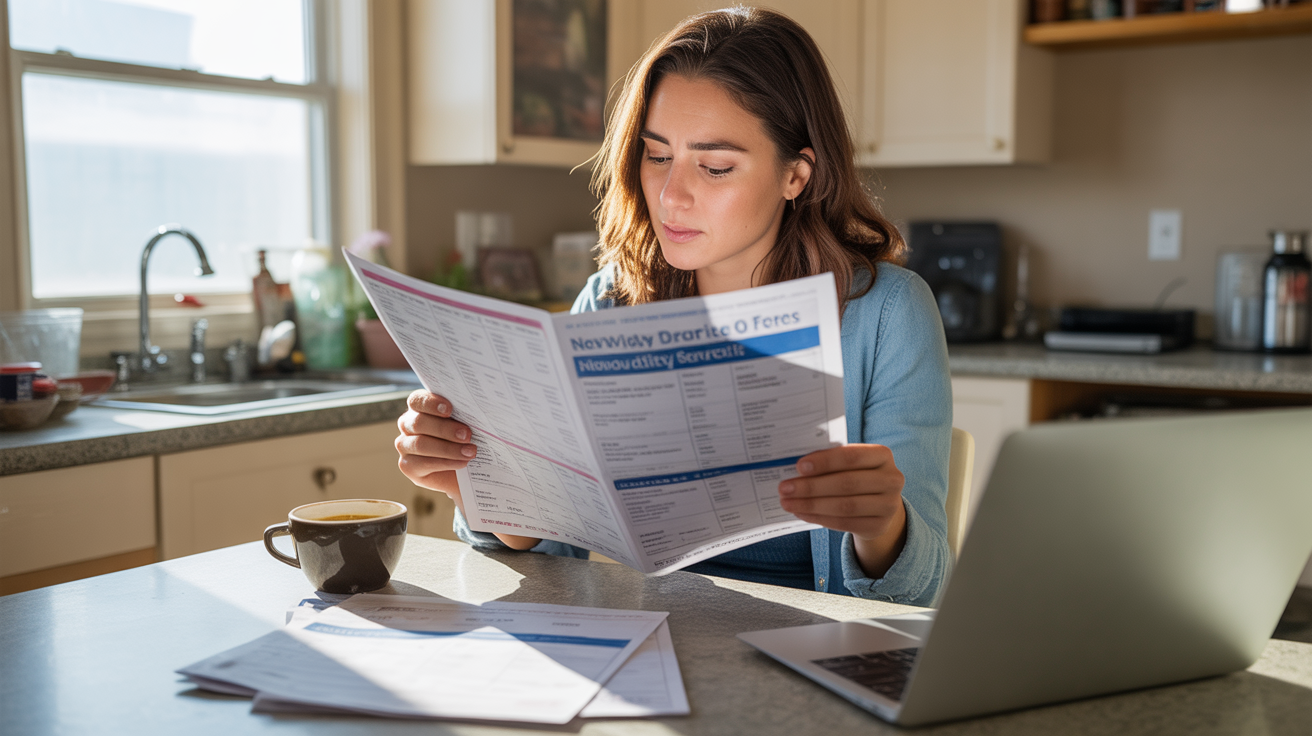
Budget control in Golden isn’t about deprivation—it’s about aligning your housing location, commute, and errands pattern to minimize exposure to the city’s highest-friction costs. The most effective lever is where you choose to live within Golden: landing in a walkable pocket with access to bus service and nearby commercial corridors lets you reduce car dependency, trim fuel costs, and turn errands into quick walks instead of planned driving trips. Renters have more flexibility to optimize location at lease-up; owners face a longer-term tradeoff between home size, neighborhood walkability, and commute alignment.
Utilities respond to behavioral timing more than dramatic efficiency overhauls. Adjusting the thermostat seasonally (lower in winter, higher in summer) reduces heating and cooling loads without eliminating comfort. Running dishwashers and laundry during off-peak hours (if your utility offers time-of-use rates, though not specified in the feed) can lower electricity exposure. For families, the biggest budget stabilizer is reducing low-value car trips: bundling errands, carpooling school runs, and using Golden’s notable bike infrastructure for short trips when weather permits. The corridor-clustered grocery access means planning one larger weekly trip instead of multiple small runs saves both fuel and time.
Discretionary spending flexibility comes from controlling the “small leak” categories—subscription services, impulse takeout, and convenience purchases that add up invisibly. Families with kids face less discretionary compression if they frontload planning: packing lunches, using public parks (Golden has high park density and integrated green space), and coordinating activities to minimize duplicate driving. Renters and couples without kids have more room to shift spending between categories, but the same principle applies: budget resilience comes from reducing frequency of high-friction actions (extra trips, last-minute purchases, reactive maintenance) rather than eliminating entire categories.
Practical budget tactics for Golden households:
- Choose housing location based on commute and errands alignment, not just rent or mortgage price.
- Use walkable pockets and bike infrastructure to reduce car trips when possible.
- Bundle errands into fewer trips to minimize fuel use and time cost.
- Adjust thermostat seasonally to reduce heating and cooling exposure without discomfort.
- Plan one larger weekly grocery trip instead of multiple small runs (corridor-clustered access rewards planning).
- Use Golden’s integrated park and green space access for low-cost family activities.
- Track “small leak” categories (subscriptions, takeout, convenience purchases) monthly to identify invisible budget drains.
- Coordinate school and activity logistics to minimize duplicate driving (especially important given limited family infrastructure density).
FAQs About Monthly Budgets in Golden (2026)
Is $5,000 per month enough to live in Golden?
It depends on household type and housing tenure. A single renter paying $1,712 median rent would have $3,288 remaining for utilities, food, transportation, and discretionary costs—tight but workable if the commute is short and the location reduces car dependency. For a family of four, $5,000 monthly would be strained by mortgage costs on the $698,700 median home value, plus utilities, food, and the logistics tax of limited family infrastructure requiring more driving.
What’s the biggest budget surprise for people moving to Golden?
The friction costs that don’t show up in rent or mortgage estimates: HOA dues in newer developments, separately billed water and sewer, the fuel cost of corridor-clustered errands if you live outside walkable pockets, and the logistics complexity of limited school and playground density for families. These aren’t individually large, but they stack quickly and compress discretionary budgets more than newcomers expect.
How much does getting around Golden cost monthly?
Transportation cost is commute-driven. Gas at $3.91 per gallon means a standard 25-mile round-trip commute runs roughly $86 per month in fuel alone (illustrative, assuming 25 MPG and ~22 workdays), before vehicle insurance, maintenance, or registration. Households in walkable pockets with access to bus service and notable bike infrastructure can reduce this significantly, but most families still operate at least one car, and many run two given limited family infrastructure and the need for activity logistics.
Do utilities in Golden vary a lot by season?
Yes. Electricity at 16.44¢ per kilowatt-hour and natural gas at $10.41 per thousand cubic feet mean heating dominates winter exposure and cooling affects summer bills, though Colorado’s climate keeps cooling loads lower than in hotter states. Larger homes and families face compounding seasonal swings—more square footage to condition, more occupants driving baseline usage, and less ability to absorb spikes when discretionary budgets are already compressed.
Can a couple afford to rent in Golden on one income?
Possibly, but it depends on the income level and lifestyle tradeoffs. Median rent of $1,712 per month would require roughly $5,136 in gross monthly income to stay under a traditional 33% housing cost threshold (though that heuristic isn’t provided in the feed, it’s a common reference point). A single earner making the median household income of $90,990 annually (~$7,582 gross monthly) could cover rent and other costs, but a couple would have more discretionary flexibility and could better absorb surprises like car repairs or medical travel (no hospital in Golden).
Planning Your Next Step
Golden’s monthly budget reality centers on three drivers: housing cost (whether $1,712 median rent or a mortgage on $698,700 median home value), transportation exposure shaped by commute and location within the city’s walkable vs car-dependent zones, and the friction-cost stack (utilities, HOA, errands logistics) that compounds quickly for larger households. The city’s walkable pockets, notable bike infrastructure, and corridor-clustered grocery access offer real cost control—but only if your housing choice aligns with your commute and errands pattern. For renters, location flexibility at lease-up is the highest-leverage decision. For owners, the tradeoff between home size, neighborhood walkability, and long-term cost predictability defines budget resilience.
To understand how housing tenure and availability shape your options, see the Golden housing costs guide. For a closer look at how electricity, gas, and seasonal exposure behave throughout the year, explore the utilities breakdown. And if food costs and grocery planning are a priority, the grocery costs guide explains how corridor-clustered access and regional pricing affect weekly shopping. The budget you build in Golden isn’t about perfection—it’s about knowing which levers you control, which costs are fixed, and where your household’s specific pattern creates flexibility or friction.
How this article was built: In addition to public economic data, this article incorporates location-based experiential signals derived from anonymized geographic patterns—such as access density, walkability, and land-use mix—to reflect how day-to-day living actually feels in Golden, CO.