
Seventy-four out of 100 residents say they’re happy in Golden—but that number only tells you so much. What matters more is understanding who tends to feel at home here and who finds themselves constantly negotiating tradeoffs. Golden sits at the base of the foothills west of Denver, a small city with a walkable downtown core, strong outdoor identity, and a housing market that punches above its weight. The vibe here isn’t about urban energy or suburban anonymity—it’s about proximity to trails, a recognizable main street, and the quiet tension between preserving small-town character and absorbing metro growth pressure.
If you’re someone who prioritizes weekend access to hiking, biking, and open space over late-night dining options or car-free errands, Golden tends to deliver. If you’re looking for dense walkability beyond a few blocks, or affordable rent that aligns with median household income, the fit gets harder to predict.
What Defines Golden’s Emotional Tone
Golden’s sentiment revolves around a few recurring themes: pride in natural beauty and outdoor access, protectiveness over the town’s historic identity, and frustration with the gap between what the city feels like it should cost and what it actually does. People who move here for the scenery and recreation infrastructure tend to feel rewarded. People who move here expecting affordability or urban convenience tend to feel friction.
The city’s structure reinforces this split. Downtown Golden offers genuine walkability—high pedestrian-to-road ratios, notable cycling infrastructure, and a mixed-use core where you can run a few errands on foot. But step outside that pocket, and car dependency returns quickly. Food options cluster along corridors rather than spreading evenly, and grocery access sits in the medium band, meaning some neighborhoods require intentional planning rather than spontaneous trips. For families, the infrastructure feels thin: school and playground density both fall below typical thresholds, which surprises some newcomers given the town’s reputation as a “family-friendly” mountain community.
What Golden does deliver consistently is outdoor access. Park density exceeds high thresholds, water features are present, and trailheads are woven into daily geography rather than reserved for weekend drives. This shapes how people spend time here—less about where you eat or shop, more about where you hike, bike, or walk the dog before work.
Social Media Buzz in Golden
On platforms like Reddit, Facebook groups, and X, Golden’s online conversation tends to split between celebration and negotiation. Outdoor enthusiasts post trail conditions, sunset photos, and brewery meetups. Long-time residents express concern about traffic, development pace, and whether new housing will change the town’s scale. Newcomers ask about commute times, school options, and whether they can live here without a car (the answer is usually “not easily”).
Composite themes that surface regularly:
- “Golden feels like a small town that’s trying really hard not to become a suburb, but the housing market doesn’t care what we want.”
- “If you’re into mountain biking or trail running, this place is unbeatable. If you’re into nightlife or walkable errands, you’ll be driving to Denver a lot.”
- “Tourist season is a mixed bag—downtown gets lively, but parking becomes a nightmare and the trails feel crowded.”
The tone isn’t bitter, but it’s not uncomplicated either. People who feel aligned with Golden’s outdoor identity tend to defend it fiercely. People who feel mismatched tend to describe it as “pretty but limiting.”
Local News Tone
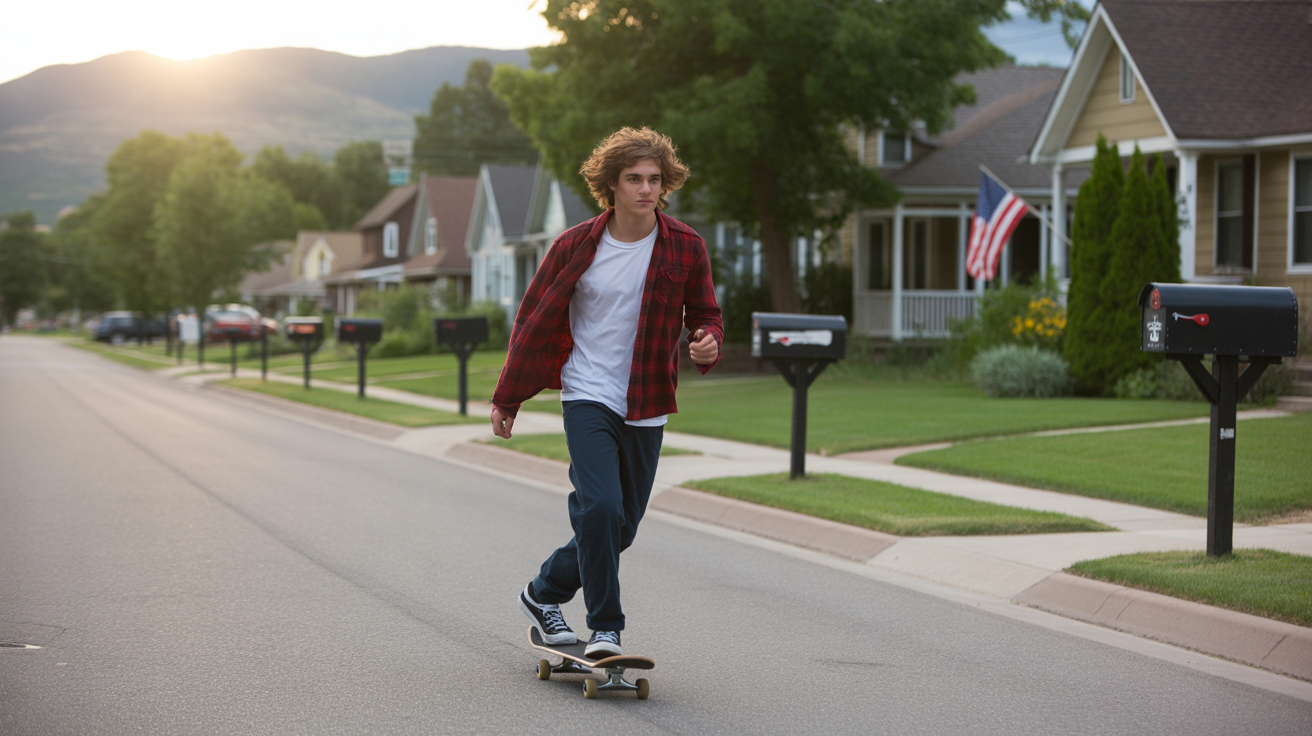
Local coverage in and around Golden tends to frame the city through the lens of growth management, infrastructure adaptation, and identity preservation. Headlines don’t announce crises—they reflect ongoing negotiation:
- “Community Debates What Growth Should Look Like”
- “New Amenities Arrive as Town Identity Evolves”
- “Residents Weigh Convenience vs Quiet”
- “Trailhead Access and Parking Pressures Mount”
- “Downtown Vitality Balances Tourism and Local Use”
The framing is rarely celebratory or alarmist—it’s procedural, reflective, and focused on tradeoffs. The underlying question is always: how do we stay Golden while accommodating the fact that people want to live here?
Review-Based Public Perception
On Google, Yelp, and Nextdoor-style platforms, Golden earns consistent praise for scenery, outdoor access, and downtown charm. Complaints tend to focus on cost, parking, crowds, and the gap between “walkable downtown” and “car-dependent everywhere else.”
Common praise:
- Beautiful setting with immediate access to trails and open space
- Charming downtown with local breweries, cafes, and weekend energy
- Strong sense of community and civic pride
- Good cycling infrastructure in core areas
Common complaints:
- Housing costs feel misaligned with local income levels
- Limited grocery and retail options outside downtown corridor
- Tourist traffic and parking congestion during peak seasons
- Car dependency for most daily errands beyond the core
- Thin family infrastructure (fewer schools and playgrounds than expected)
Neighborhood variation exists but tends to be framed generically: newer planned areas offer more space and quiet but less walkability; older pockets closer to downtown offer more texture but tighter housing stock and higher prices. People who wanted suburban comfort and outdoor proximity tend to feel satisfied. People who wanted urban density, car-free living, or affordable rent tend to feel compromised.
Comparison to Nearby Cities
| Dimension | Golden | Arvada | Boulder |
|---|---|---|---|
| Overall Vibe | Small-town charm with outdoor focus | Suburban comfort with metro access | College-town energy with mountain identity |
| Walkability | Strong downtown core, car-dependent elsewhere | Limited walkability, car-oriented | Broadly walkable with dense core |
| Outdoor Access | Immediate trailhead proximity | Parks present but less integrated | Extensive trail network and open space |
| Cost Pressure | High relative to local income | Moderate, more aligned with suburban norms | Very high, driven by university and demand |
| Family Infrastructure | Limited school and playground density | Stronger family amenities | Strong but competitive |
Golden sits between Arvada’s suburban practicality and Boulder’s urban-outdoor intensity. If you want more space, lower cost pressure, and stronger family infrastructure, Arvada may feel more aligned. If you want denser walkability, more retail variety, and a college-town vibe, Boulder may fit better—but you’ll pay significantly more. Golden offers a middle path: recognizable downtown character, immediate outdoor access, and a scale that still feels like a town rather than a sprawl, but with housing pressure that doesn’t match its modest income profile and infrastructure that rewards outdoor enthusiasts more than families or car-free households.
What Locals Are Saying
Here’s how different household types tend to describe the experience of living in Golden:
“We moved here for the trails, and that part has been perfect. But grocery shopping and errands feel more planned than spontaneous—we’re driving more than we expected.” — Young professional couple, renters
“Golden has that small-town feel we wanted, but the schools and playgrounds are fewer than we thought. We’re making it work, but it’s not as family-dense as we imagined.” — Family with young kids, homeowners
“I can bike to coffee, walk to the brewery, and hit the trails before work. For me, this is exactly what I needed. Just don’t expect nightlife or endless dining options.” — Remote worker, early 30s
“The cost-to-income ratio here is rough. We’re paying close to what people pay in Denver, but the job market isn’t the same. It’s beautiful, but it’s not cheap.” — Long-time resident, service industry
“Tourist season changes the vibe. Downtown gets crowded, parking is a hassle, and the trails feel busier. It’s not bad, but it’s not quiet either.” — Retiree, homeowner
“If you’re okay driving for most things and you love being outside, Golden is great. If you want to walk everywhere or live without a car, it’s going to feel limiting.” — Newcomer, mid-20s
“There’s a real sense of community here—people care about this place. But there’s also tension about growth and what happens next. It’s not contentious, just… ongoing.” — Long-time resident, involved in local groups
Does Golden Feel Like a Good Fit?
Golden tends to work for people who prioritize outdoor access, small-town character, and proximity to metro opportunities without living in the metro itself. It rewards those who enjoy cycling, hiking, and weekend recreation more than those who need dense walkability, robust transit, or car-free daily life. The downtown core offers genuine texture, but the rest of the city requires a car for most errands, and family infrastructure remains thinner than some expect.
Golden tends to frustrate people who arrive expecting affordability, urban convenience, or evenly distributed amenities. Cost pressure is real, and the gap between median income and housing costs creates financial friction for renters and first-time buyers. Tourist traffic and seasonal crowds add complexity for those who value quiet and predictability.
If you’re asking whether Golden feels like a good fit, the answer depends on what you’re optimizing for. If it’s trails, scenery, and a recognizable main street within reach of Denver, alignment is strong. If it’s affordability, walkable errands, or family infrastructure density, the tradeoffs become harder to ignore. Golden doesn’t try to be everything—it leans into what it does well and asks residents to adapt to what it doesn’t. Whether that feels rewarding or limiting depends entirely on what you need from a place.
For more on how these tradeoffs play out day-to-day, explore what quality of life looks like here or how households manage the financial and logistical realities of making Golden work.
How this article was built: In addition to public economic data, this article incorporates location-based experiential signals derived from anonymized geographic patterns—such as access density, walkability, and land-use mix—to reflect how day-to-day living actually feels in Golden, CO.
The perspectives shown reflect commonly expressed local sentiment and recurring themes in public discussion, rather than individual accounts.