
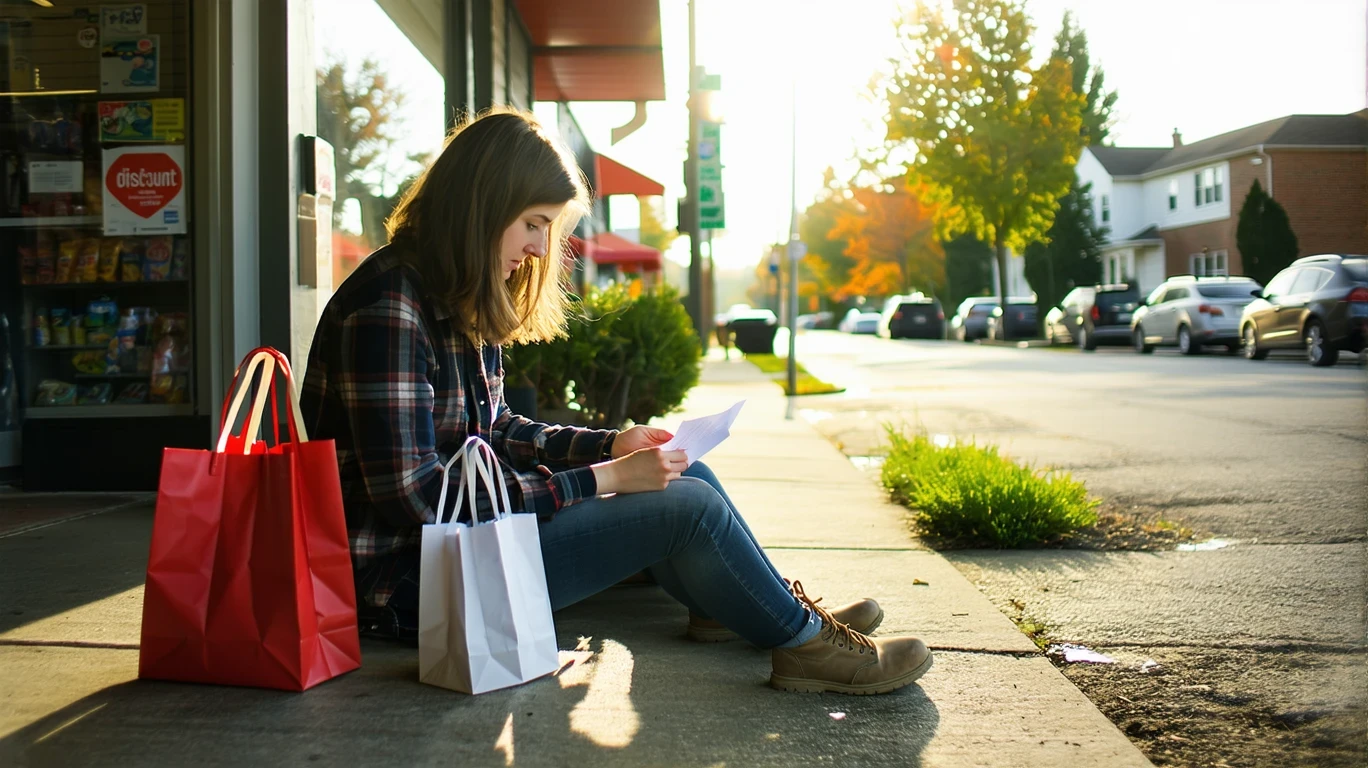
How Grocery Costs Feel in Elmhurst
Grocery prices in Elmhurst sit noticeably above the national baseline, shaped by the region’s higher cost structure and the income profile of households who live here. With a regional price parity index of 112—meaning goods and services cost roughly 12% more than the U.S. average—food shopping reflects that premium whether you’re buying staples at a discount grocer or picking up organic produce at a specialty market. For many households, especially those earning near or above the city’s median household income of $143,492 per year, grocery costs feel manageable, even routine. But for moderate-income families, singles, and larger households stretching each paycheck, that regional premium shows up every week, and store choice becomes a meaningful financial lever rather than a matter of preference.
The pressure isn’t uniform. A two-person household shopping mid-tier stores might barely notice the difference between Elmhurst and a nearby suburb with a lower price index. A family of five buying the same items, however, feels the multiplier effect: every dollar-per-pound premium gets amplified across gallons of milk, pounds of chicken, and dozens of eggs. Singles face a different challenge—they can’t spread fixed costs across multiple people or take advantage of bulk pricing the way larger households can, so per-person grocery expenses often feel elevated even when total spending stays modest. Understanding how grocery costs actually feel in Elmhurst requires looking beyond average prices and recognizing that household size, income, and shopping habits create very different experiences of the same price environment.
Grocery shopping in Elmhurst also follows a geographic pattern that affects convenience and cost control. Food and grocery options cluster along main commercial corridors rather than appearing in every neighborhood, meaning some households can walk to a nearby store while others need to drive or plan trips deliberately. That structure influences whether people shop frequently at smaller, closer stores—often paying a convenience premium—or make less frequent trips to larger discount chains farther from home. The corridor-clustered layout doesn’t make groceries unaffordable, but it does mean that access, habit, and transportation interact with price in ways that vary across the city.
Grocery Price Signals (Illustrative)
The table below shows illustrative prices for common staple items in Elmhurst, derived from national baselines adjusted by the region’s price parity. These figures are not store-specific or week-specific—they exist to show how staple costs tend to compare locally, not to simulate a shopping cart or guarantee checkout accuracy. Actual prices vary by retailer, season, sales cycles, and product brands, but these anchors help clarify the relative cost positioning households encounter when shopping here.
| Item | Illustrative Price |
|---|---|
| Bread (per pound) | $2.07/lb |
| Cheese (per pound) | $5.24/lb |
| Chicken (per pound) | $2.29/lb |
| Eggs (per dozen) | $2.80/dozen |
| Ground beef (per pound) | $7.55/lb |
| Milk (per half-gallon) | $4.51/half-gallon |
| Rice (per pound) | $1.20/lb |
Derived estimate based on national baseline adjusted by regional price parity; not an observed local price.
These prices illustrate the cost texture households face, but they don’t tell the full story. Ground beef at $7.55 per pound might feel reasonable to a household accustomed to premium cuts and farmers’ market shopping, but it represents a significant weekly expense for a family buying several pounds to stretch across multiple meals. Eggs at $2.80 per dozen and milk at $4.51 per half-gallon are modest line items individually, but they add up quickly when multiplied by household size and frequency. Chicken at $2.29 per pound remains one of the more affordable proteins, which is why many cost-conscious households in Elmhurst build meal plans around it. The key takeaway isn’t any single price—it’s the cumulative effect of shopping in a higher-cost region and how that pressure scales with household composition and store tier.
Store Choice & Price Sensitivity
Grocery price pressure in Elmhurst varies significantly by store tier, and understanding that range is essential for managing monthly expenses effectively. Discount grocers—typically no-frills chains focused on private-label products, limited selection, and high inventory turnover—offer the lowest baseline prices and attract households prioritizing cost control over convenience or brand variety. Mid-tier stores, including most regional and national supermarket chains, balance price, selection, and shopping experience; they’re where many Elmhurst households do the majority of their shopping, benefiting from weekly sales, loyalty programs, and a broader product mix. Premium grocers—whether specialty markets, organic-focused stores, or high-service retailers—charge noticeably more for the same staples, but they offer quality differentiation, prepared foods, and a shopping environment that some households value enough to justify the cost.
The difference between discount and premium isn’t just a few cents per item—it’s a structural gap that compounds across a full cart. A household buying exclusively at a discount grocer might spend 20–30% less per week than one shopping primarily at a premium store, even when buying similar quantities of comparable items. For a family of four, that gap can mean the difference between grocery costs feeling like a routine expense and a constant source of financial pressure. Mid-tier stores occupy the middle ground, and many households in Elmhurst use a hybrid approach: buying shelf-stable staples and proteins at discount chains, then filling in fresh produce, specialty items, or last-minute needs at a closer mid-tier or premium store.
Store choice also interacts with Elmhurst’s corridor-clustered grocery access. Households located near commercial corridors with multiple store options can easily compare prices and shift between tiers based on weekly needs. Those farther from those clusters face a tradeoff: drive to a discount grocer and save on per-item costs, or shop closer to home at a mid-tier store and pay for convenience. That tradeoff isn’t purely financial—it also involves time, transportation costs, and the mental load of planning. For moderate-income households, the savings from choosing discount over premium are large enough to make the extra trip worthwhile. For higher-income households, the time saved by shopping closer or at a preferred store often outweighs the price difference.
What Drives Grocery Pressure Here
Grocery pressure in Elmhurst is driven by the interaction of regional cost structure, household income distribution, and the volume sensitivity that comes with family size. The regional price parity of 112 means that food costs start from a higher baseline than much of the country, and that premium applies across all store tiers. A discount grocer in Elmhurst isn’t priced the same as a discount grocer in a lower-cost metro—it’s still operating within a higher-cost region, which affects wholesale costs, labor, and rent. That baseline premium is unavoidable, but its impact depends entirely on household income and composition.
For households earning near or above the median income of $143,492 per year, grocery costs represent a smaller share of total income, and the regional premium feels minor. These households have the flexibility to shop where they prefer, buy higher-quality or organic items without stress, and absorb price fluctuations without adjusting behavior. For moderate-income households—those earning significantly below the median—the same regional premium creates real friction. Grocery costs compete with housing, utilities, transportation, and childcare, and every percentage point of price difference matters. Store choice, meal planning, and sale-timing become active strategies rather than optional optimizations.
Household size amplifies everything. A single adult might spend modestly on groceries in absolute terms, but per-person costs feel elevated because they can’t spread fixed expenses or take advantage of bulk pricing. A family of five, on the other hand, faces volume pressure: even modest per-pound prices multiply quickly across the quantity needed to feed everyone for a week. Larger families also face less flexibility—they can’t easily substitute expensive proteins or skip categories without affecting meal quality or nutrition. Seasonal variability adds another layer: produce prices fluctuate with growing seasons and supply chain conditions, and proteins like beef and chicken can swing noticeably in price depending on wholesale market conditions. Households with tight budgets feel those swings immediately, while higher-income households absorb them without adjusting behavior.
Practical Ways People Manage Grocery Costs
Managing grocery costs in Elmhurst isn’t about finding secret discounts or hacking the system—it’s about controlling the variables that drive spending and reducing exposure to price volatility. One of the most effective strategies is shifting a portion of spending from mid-tier or premium stores to discount grocers, especially for shelf-stable staples, frozen goods, and proteins. Households don’t need to abandon their preferred stores entirely; even moving 30–40% of spending to a lower-cost retailer can reduce weekly grocery bills noticeably without sacrificing quality or convenience for every item.
Meal planning reduces waste and prevents impulse purchases, both of which inflate grocery spending without adding value. Households that plan meals around weekly sales, seasonal produce, and proteins they already have on hand spend less per meal and throw away less food. Buying in bulk works well for larger families and items with long shelf lives—rice, pasta, canned goods, and frozen vegetables—but it requires upfront cash and storage space, so it’s not equally accessible to all household types. Shopping sales strategically, especially for proteins and dairy, allows households to stock up when prices dip and avoid paying peak prices during high-demand weeks.
Another practical lever is reducing reliance on prepared foods, pre-cut produce, and single-serving packaging, all of which carry convenience premiums that add up quickly. Buying whole vegetables instead of pre-chopped, cooking from scratch instead of buying meal kits, and portioning bulk items at home all lower per-meal costs without requiring significant skill or time investment. These strategies don’t eliminate the regional price premium, but they give households more control over how much of that premium they actually pay.
Groceries vs Eating Out (Directional)
The tradeoff between cooking at home and eating out isn’t just about preference—it’s a financial decision that plays out differently depending on household income, time constraints, and how much value people place on convenience. Cooking at home almost always costs less per meal than dining out, but the gap varies depending on what you cook, where you shop, and what type of restaurant you’re comparing against. A home-cooked meal built around chicken, rice, and vegetables might cost a few dollars per person when bought at a discount grocer, while the same meal at a casual restaurant could easily run three to four times that amount before tip.
For moderate-income households, eating out frequently creates real budget pressure, especially when combined with Elmhurst’s higher regional cost structure. Even fast-casual dining adds up quickly when multiplied across a family, and full-service restaurants represent a significant expense. Higher-income households face less pressure and often treat dining out as a routine convenience rather than a special occasion, but even they benefit from cooking at home when managing overall monthly spending. The key isn’t eliminating restaurants entirely—it’s recognizing that frequent dining out shifts a substantial portion of food spending into a higher-cost category, and that shift compounds over time.
Time is the other half of the equation. Cooking at home requires planning, shopping, prep work, and cleanup, all of which take time that some households don’t have or don’t want to spend. For dual-income families, parents managing childcare, or anyone working long or irregular hours, the convenience of eating out or ordering delivery can feel worth the premium. The financial tradeoff is real, but so is the time tradeoff, and different households weigh those factors differently based on income, schedule, and priorities.
FAQs About Grocery Costs in Elmhurst (2026)
Is it cheaper to shop in bulk in Elmhurst? Buying in bulk lowers per-unit costs for shelf-stable items like rice, pasta, canned goods, and frozen vegetables, but it requires upfront cash and storage space. Larger families benefit most because they use bulk items quickly enough to avoid waste, while smaller households may not see the same return unless they have room to store and rotate inventory.
Which stores in Elmhurst are best for low prices? Discount-tier grocers offer the lowest baseline prices, focusing on private-label products and high inventory turnover. Mid-tier chains balance price and selection, often running weekly sales that make them competitive for specific categories. Premium stores charge more but offer quality differentiation and prepared foods that some households value enough to justify the cost.
How much more do organic items cost in Elmhurst? Organic products typically carry a noticeable premium over conventional equivalents, and that gap persists across all store tiers in Elmhurst. The premium varies by category—organic produce and dairy tend to show larger price differences than shelf-stable goods—but households prioritizing organic should expect to pay more and plan accordingly.
How do grocery costs for two adults in Elmhurst tend to compare to nearby cities? Elmhurst’s regional price parity of 112 means grocery costs run higher than the national average and likely higher than suburbs with lower cost structures. Two-adult households shopping mid-tier stores will notice the difference compared to lower-cost metros, but the gap feels smaller than it does for larger families because volume doesn’t amplify the premium as much.
How do households in Elmhurst think about grocery spending when cooking at home? Many households treat grocery spending as a controllable expense that responds to planning, store choice, and meal strategies. Cooking at home consistently costs less per meal than dining out, and households that prioritize cost control tend to shop discount tiers, plan meals around sales, and minimize waste through deliberate prep and storage habits.
Does shopping at premium grocers in Elmhurst mean significantly higher weekly costs? Yes—premium grocers charge noticeably more for the same staples, and that difference compounds across a full cart. Households shopping exclusively at premium stores can expect to spend substantially more per week than those using discount or mid-tier options, even when buying similar quantities and types of food.
How does household size affect grocery cost pressure in Elmhurst? Larger families face volume sensitivity—every per-pound or per-gallon price gets multiplied across the quantity needed to feed everyone, so even modest premiums add up quickly. Singles face a different challenge: they can’t spread costs or bulk-buy as effectively, so per-person grocery expenses often feel elevated even when total spending stays low.
How Groceries Fit Into the Cost of Living in Elmhurst
Grocery costs in Elmhurst represent a meaningful but secondary component of overall household expenses. Housing—whether rent or mortgage—dominates the cost structure for most households, followed by transportation, utilities, and childcare for families with young children. Groceries sit below those categories in absolute dollars, but they’re far more controllable. You can’t easily reduce your rent mid-lease or cut your mortgage payment in half, but you can shift grocery spending by changing stores, planning meals, or cooking more at home. That controllability makes groceries an important lever for households managing financial pressure, even though they’re not the largest line item.
For a complete picture of how grocery costs interact with housing, transportation, utilities, and other expenses, see the full breakdown in Monthly Spending in Elmhurst: The Real Pressure Points. That article provides the total budget context this one intentionally defers, showing how all categories fit together and where different household types feel the most pressure. Grocery costs matter, but they don’t exist in isolation—they’re one piece of a larger financial structure shaped by income, household size, and the tradeoffs people make every week.
Understanding grocery costs in Elmhurst means recognizing that the regional premium is real, that store choice and household composition create very different experiences of that premium, and that the strategies that reduce pressure—planning, tier-shifting, cooking at home—require time and flexibility that not all households have equally. The goal isn’t to find perfect prices or eliminate all grocery spending; it’s to understand what drives costs here, which levers you actually control, and how to make decisions that align with your household’s income, priorities, and constraints.
How this article was built: In addition to public economic data, this article incorporates location-based experiential signals derived from anonymized geographic patterns—such as access density, walkability, and land-use mix—to reflect how day-to-day living actually feels in Elmhurst, IL.