
Most people assume utility costs in Saint Paul are predictable and modest—just another line item in the monthly budget. The truth is more nuanced: utilities here are shaped by dual-season volatility, with winter heating and summer cooling driving sharp swings that catch many households off guard, especially those moving from milder climates.
Understanding Utilities in Saint Paul
Utilities represent the second-largest recurring expense for most households in Saint Paul, trailing only housing. Unlike rent or a mortgage, which stay fixed month to month, utility bills fluctuate with the seasons, usage patterns, and the efficiency of your home. For families, retirees, and newcomers alike, understanding how these costs behave—and what drives them—is essential for realistic budgeting and avoiding surprise bills during peak months.
In Saint Paul, the core utility categories include electricity, natural gas, water, and trash/recycling. Electricity powers lighting, appliances, and air conditioning during warm months. Natural gas fuels furnaces and water heaters, dominating winter expenses. Water is typically billed on a tiered structure, rewarding conservation and penalizing heavy use. Trash and recycling services may be bundled with water bills or billed separately, depending on your provider and neighborhood.
For renters, some utilities may be included in monthly rent—especially water and trash in multi-unit buildings. For homeowners and single-family renters, you’ll typically manage all four categories independently. The difference in responsibility matters: homeowners face the full seasonal swing and have more control over efficiency upgrades, while apartment dwellers often benefit from smaller square footage and shared infrastructure but have less leverage to reduce costs.
Utilities at a Glance in Saint Paul
The table below shows how core utility costs typically behave for a mid-size household in a single-family home in Saint Paul. Where city-level prices are available in the data feed, they are shown directly. When exact figures are not provided, categories are described qualitatively to reflect how costs are structured and what drives variability.
| Utility | Cost Structure in Saint Paul |
|---|---|
| Electricity | 15.39¢/kWh; illustrative monthly cost ~$154 for 1,000 kWh usage (before fees/taxes) |
| Water | Tiered pricing; usage-dependent and conservation-sensitive |
| Natural Gas | $11.17/MCF; illustrative monthly cost ~$11 for 1 MCF usage during heating months (before fees/taxes) |
| Trash & Recycling | Often bundled with water or billed separately; flat-fee or volume-based |
| Total | Seasonal variability driven by electricity and heating; structure-driven rather than fixed |
This table reflects utility cost structure for a mid-size household in a single-family home in Saint Paul during 2026. Where exact figures are not provided in the IndexYard data feed, categories are described directionally to reflect how costs behave rather than a receipt-accurate total.
Electricity is billed per kilowatt-hour, making it the most exposure-sensitive utility in Saint Paul. Your bill rises and falls with air conditioning use in summer, electric heating (if applicable), and the efficiency of appliances and insulation. Homes with older windows, poor attic insulation, or inefficient HVAC systems see the steepest seasonal swings.
Water costs in Saint Paul typically follow a tiered rate structure: the first block of usage is cheaper, and rates climb as consumption increases. This rewards conservation and penalizes heavy irrigation, large households, or inefficient fixtures. Billing is often combined with sewer and stormwater fees, which can add significantly to the total.
Natural gas dominates winter utility expenses in Saint Paul, as most homes rely on gas furnaces for heating during the long, cold season. Usage spikes from November through March, and older furnaces or poorly insulated homes can see dramatic increases. Gas also fuels water heaters and stoves year-round, adding a baseline cost even in mild months.
Trash and recycling services are structured differently depending on your provider and location. Some neighborhoods bundle these fees with water bills, while others contract with private haulers. Costs are typically flat or based on bin size, with limited variability unless you add extra pickups or special waste services.
How Weather Impacts Utilities in Saint Paul
Saint Paul’s climate creates a dual-season cost structure that many newcomers underestimate. Winters here are long and cold, with extended stretches below freezing that keep furnaces running for months. Natural gas bills climb steadily from late fall through early spring, peaking in January and February when outdoor temperatures drop well below zero. Homes with older heating systems, drafty windows, or minimal insulation face the highest exposure during this period.
Summers in Saint Paul bring warm, humid conditions that drive air conditioning use from June through August. While not as extreme as southern climates, the combination of heat and humidity makes cooling essential for comfort, especially in poorly ventilated homes or those with south- and west-facing windows. Electricity bills rise noticeably during these months, particularly for households running central AC or multiple window units.
Many Saint Paul households experience noticeably higher electric bills during peak summer compared to spring, and significantly higher gas bills in winter compared to fall. The shoulder seasons—April, May, September, and October—offer the most stable utility costs, as heating and cooling demands drop and households rely primarily on baseline electricity and water use. This seasonal rhythm makes budget billing programs especially valuable for smoothing out the peaks and valleys.
How to Save on Utilities in Saint Paul
Reducing utility costs in Saint Paul starts with understanding where your household has the most exposure. For most families, that means targeting heating efficiency in winter and cooling efficiency in summer. Insulation upgrades, air sealing, and programmable thermostats deliver the most consistent savings by reducing the amount of energy needed to maintain comfort. These improvements lower both gas and electric bills and pay dividends year after year.
Beyond efficiency upgrades, many Saint Paul residents benefit from behavioral changes that reduce peak usage. Running dishwashers and laundry during off-peak hours, lowering the thermostat a few degrees at night, and using ceiling fans to circulate air can all reduce monthly bills without sacrificing comfort. Water conservation—fixing leaks, installing low-flow fixtures, and reducing outdoor watering—helps manage tiered water costs, especially during summer months when irrigation drives up usage.
- Enroll in budget billing or equalized payment plans to smooth out seasonal swings and avoid winter bill shock
- Check if your provider offers rebates for energy-efficient furnaces, air conditioners, or water heaters
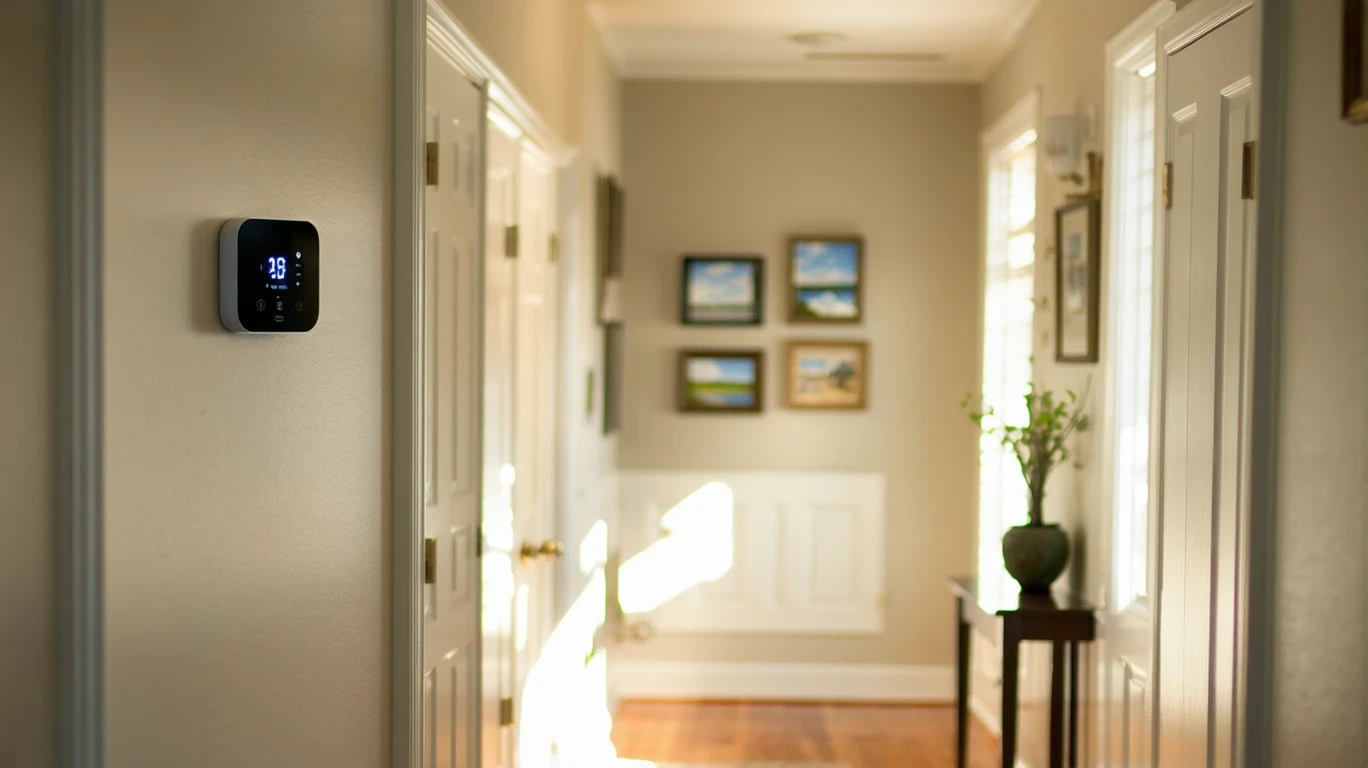
- Install a smart thermostat to automate temperature adjustments and reduce heating and cooling waste
- Add insulation to attics and basements, and seal gaps around windows and doors to reduce heat loss
- Plant shade trees on south- and west-facing sides of your home to reduce summer cooling demand
- Replace incandescent bulbs with LEDs to lower electricity use and reduce heat buildup indoors
- Explore solar panel incentives at the state and federal level, which can offset electricity costs over time
🏆 Tip: Check if your provider in Saint Paul offers rebates for energy-efficient AC units or heating systems—many utilities run seasonal programs that cover a portion of upgrade costs, making efficiency improvements more affordable upfront.
FAQs About Utility Costs in Saint Paul
Why are utility bills so high in Saint Paul?
Utility bills in Saint Paul are driven primarily by climate exposure—long, cold winters require sustained heating, and warm, humid summers demand air conditioning. Homes with older insulation, inefficient furnaces, or poor air sealing face the highest costs. The dual-season structure means households experience two distinct peaks each year, rather than one dominant season.
How does seasonal weather affect monthly utility bills in Saint Paul?
Winter heating (natural gas) and summer cooling (electricity) create the largest seasonal swings. Gas bills peak from December through February, while electric bills climb in July and August. Spring and fall offer the most stable costs, as heating and cooling demands drop significantly. Budget billing programs help smooth these fluctuations across the year.
Do utility providers in Saint Paul offer budget billing or equalized payment plans?
Many providers in Saint Paul offer budget billing, which averages your annual utility costs into equal monthly payments. This eliminates seasonal spikes and makes budgeting more predictable, though you’ll still settle up at the end of the year if actual usage differs from the estimate. It’s especially useful for households on fixed incomes or those who prefer consistent monthly expenses.
What is the average winter heating cost in Saint Paul?
Winter heating costs vary widely based on home size, insulation quality, and furnace efficiency. Natural gas is the dominant heating fuel, and usage spikes during the coldest months. Homes with modern, high-efficiency furnaces and good insulation see lower costs, while older homes with drafty windows and minimal attic insulation face significantly higher bills. Budget billing can help manage the seasonal swing.
Does Saint Paul offer incentives for solar panels or energy-efficient appliances?
State and federal incentive programs exist for solar panel installation and energy-efficient appliances, though specific rebates and eligibility rules vary by provider and year. Many local utilities also run seasonal rebate programs for furnace upgrades, AC replacements, and smart thermostats. Checking with your provider directly is the best way to identify current offers and application deadlines.
How Utilities Fit Into the Cost Structure in Saint Paul
Utilities in Saint Paul function as a volatility driver rather than a fixed cost. Unlike rent or a car payment, which remain constant, utility bills swing with the seasons, usage patterns, and the efficiency of your home. Electricity and natural gas dominate the seasonal peaks, while water and trash contribute steady baseline costs. Together, these categories create a cost structure that rewards planning, efficiency, and awareness of how climate shapes exposure.
For households managing tight budgets, utilities represent one of the few expense categories where behavior and upgrades can deliver measurable reductions. Insulation, air sealing, and smart thermostats lower heating and cooling demand. Budget billing smooths out the peaks. Conservation reduces water costs. These levers give households more control over their monthly spending than they have with housing or transportation, making utilities a key focus for cost management.
Utilities are just one piece of the broader Saint Paul Affordability: What’s Easy, What’s Expensive picture. To see how heating, cooling, and water costs fit into a complete household budget—and how they interact with housing, transportation, and food expenses—explore the Your Monthly Budget in Saint Paul: Where It Breaks guide. Understanding the full cost structure helps you prioritize where to focus your time, money, and energy for the greatest impact.
How this article was built: In addition to public economic data, this article incorporates location-based experiential signals derived from anonymized geographic patterns—such as access density, walkability, and land-use mix—to reflect how day-to-day living actually feels in Saint Paul, MN.
—