
| Transportation Mode | Coverage in Milford | Typical Use Case |
|---|---|---|
| Bus Service | Present (limited routes) | Corridor-based commuting |
| Rail Transit | Not available | N/A |
| Pedestrian Infrastructure | High in pockets | Local errands in core areas |
| Bike Infrastructure | Moderate (some areas) | Recreation, limited commuting |
| Personal Vehicle | Primary mode | Most trips, especially peripheral areas |
How People Get Around Milford
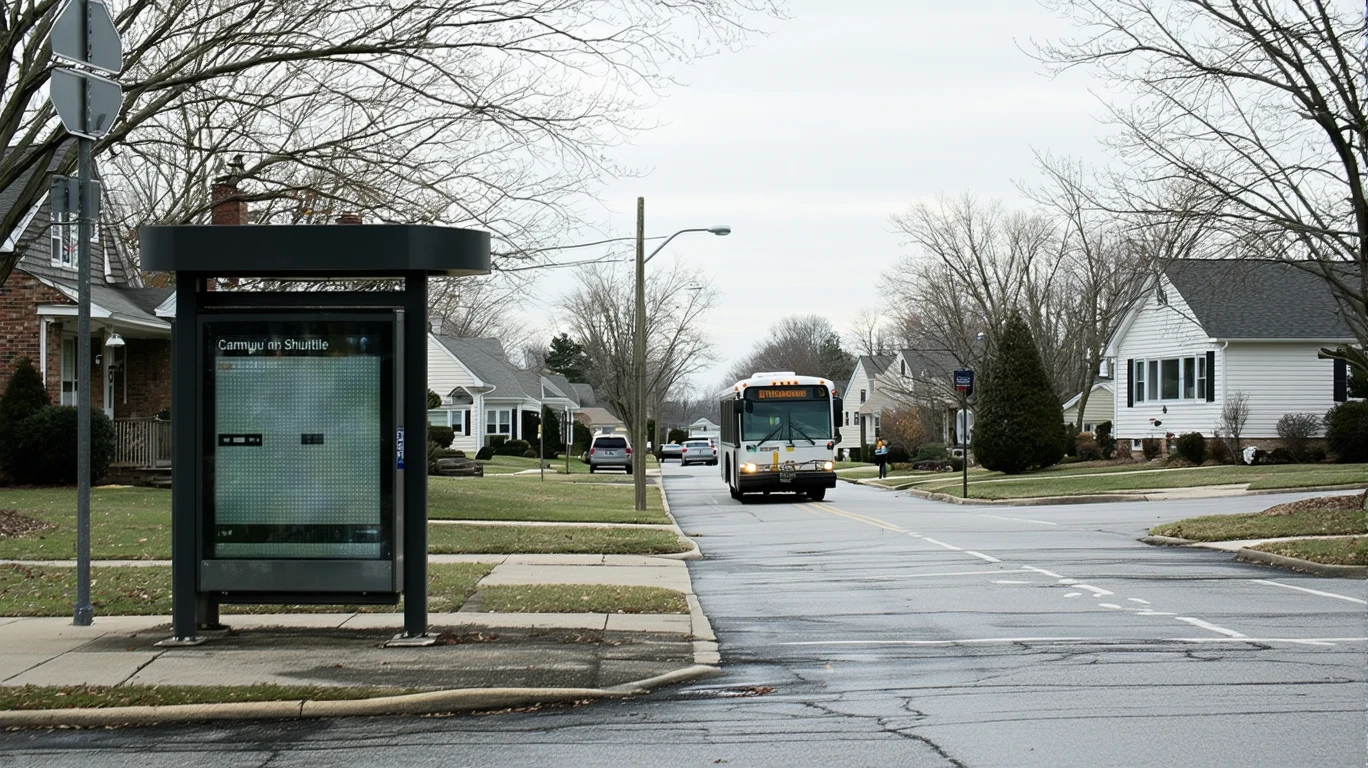
Transportation options in Milford reflect a suburban structure with selective walkable relief. Most residents depend on personal vehicles for daily mobility, but the city’s layout creates pockets where pedestrian infrastructure offers genuine alternatives for local errands. The dominant pattern is car-first, with bus service playing a supporting role along specific corridors rather than providing comprehensive coverage.
Newcomers often misunderstand the relationship between Milford’s walkable areas and its overall transportation reality. The presence of well-developed pedestrian infrastructure in certain neighborhoods does not translate to citywide transit independence. Instead, it creates a two-tier mobility experience: residents in core pockets can walk to grocery stores and daily services, while those in peripheral areas face full car dependency for nearly every trip.
This split matters because it shapes where people choose to live and how they structure their days. The average commute in Milford runs 22 minutes, but 38.2% of workers face long commutes, indicating that many residents travel well beyond the city limits for work. With only 2.8% of workers operating from home, the vast majority make daily transportation decisions that directly affect their time, flexibility, and exposure to commute friction.
Public Transit Availability in Milford
Public transit in Milford centers around bus service, with no rail options available. The bus network serves specific corridors rather than blanketing the city, meaning transit access depends heavily on where you live and where you need to go. For residents along established routes, buses provide a viable option for commuting to regional employment centers or reaching services clustered along commercial strips.
Transit works best in areas where density, mixed land use, and pedestrian infrastructure align. In Milford, that means neighborhoods with both residential and commercial activity, where sidewalks connect homes to bus stops and bus stops connect to job centers or shopping districts. Outside these corridors, transit becomes impractical—not because service doesn’t exist, but because the gaps between stops, destinations, and residential areas grow too wide to navigate without a car.
The absence of rail transit limits the speed and reach of public transportation. Bus service can handle corridor-based trips effectively, but it struggles with cross-town routes, late-night travel, and trips that require multiple transfers. For households evaluating whether they can rely on transit, the question isn’t whether buses run—it’s whether the routes align with their specific daily patterns.
Driving & Car Dependence Reality
Driving remains the primary mode of transportation in Milford, and for most households, it’s not optional. The city’s suburban layout spreads residential, commercial, and employment zones across distances that make walking or biking impractical for most trips. Even in neighborhoods with strong pedestrian infrastructure, a car is still necessary for reaching workplaces outside Milford, accessing services beyond the immediate corridor, or managing errands that require hauling groceries or transporting family members.
Car dependence in Milford isn’t about preference—it’s about structure. The development pattern prioritizes road connectivity over transit density, and parking availability reinforces that choice. Residents gain flexibility and control over their schedules by driving, but they also absorb the full cost and maintenance burden of vehicle ownership. For households weighing monthly expenses, transportation becomes a fixed structural cost rather than a variable one.
The tradeoff shows up most clearly in commute patterns. Those who work locally benefit from short drive times and predictable schedules. Those who commute to Cincinnati or other regional centers face longer drives, exposure to traffic variability, and the compounding time cost of car dependency. The 38.2% of workers with long commutes experience this friction daily, and it shapes decisions about housing location, job flexibility, and household logistics.
Commuting Patterns & Daily Mobility
Commuting in Milford typically involves single-job, car-based trips rather than multi-stop transit chains. The 22-minute average commute reflects a mix of local workers and regional commuters, but the high percentage of long commutes reveals that many residents travel well beyond Milford’s borders for employment. This creates a daily rhythm where transportation isn’t just about getting to work—it’s about managing time, predictability, and the friction of distance.
Households with flexible schedules or remote work options (a small minority at 2.8%) avoid this exposure entirely. For everyone else, the commute becomes a structural constraint that affects when they leave, when they return, and how much energy remains for evening errands or family time. The lack of rail transit and limited bus coverage means that most commuters cannot shift time costs onto reading, resting, or working during the trip—they must actively drive.
Proximity matters more in Milford than in cities with robust transit networks. Living near your workplace or near a bus corridor that serves your workplace reduces daily friction significantly. Living in a peripheral neighborhood without transit access or a short drive to work means accepting that transportation will consume more time and attention every day.
Who Transit Works For — and Who It Doesn’t
Transit in Milford works best for renters and homeowners in core neighborhoods where bus routes, walkable errands, and mixed land use converge. These residents can use transit for commuting to regional job centers while relying on pedestrian infrastructure for daily shopping and services. The combination reduces car dependency without eliminating it entirely—most still need a vehicle for trips outside the corridor.
Transit does not work well for residents in peripheral areas, where bus stops are sparse and destinations are spread too far apart to reach on foot. For these households, a car is non-negotiable. Families with school-age children, multiple jobs, or irregular schedules also find transit limiting, as bus service lacks the flexibility to handle multi-stop trips or off-peak travel efficiently.
The distinction isn’t about income or preference—it’s about geography and daily logistics. A household in a walkable pocket near a bus line can structure life around transit and walking. A household a mile outside that pocket cannot, even if they would prefer to. This creates a mobility divide that shapes housing decisions, cost exposure, and daily convenience in ways that aren’t immediately obvious when evaluating Milford from a distance.
Transportation Tradeoffs in Milford
Choosing between transit and driving in Milford means weighing predictability against flexibility. Driving offers control over timing, routing, and the ability to handle multi-stop errands or unexpected schedule changes. Transit offers relief from the attention cost of driving and eliminates parking concerns, but it requires aligning your schedule with fixed routes and accepting longer trip times for anything beyond direct corridor travel.
For commuters to Cincinnati or other regional centers, the tradeoff often comes down to whether a bus route serves both your home and your workplace directly. If it does, transit becomes viable and may reduce stress compared to navigating highway traffic daily. If it doesn’t, the time cost of transfers or the impossibility of reaching your destination without a car makes driving the only practical option.
The presence of walkable pockets in Milford adds a third option for some residents: reducing car trips for local errands while still driving for work or regional travel. This hybrid approach works well in neighborhoods where grocery stores, pharmacies, and daily services sit within walking distance, allowing households to reserve vehicle use for trips that genuinely require it. The result is lower day-to-day transportation friction without the full commitment or limitation of car-free living.
FAQs About Transportation in Milford (2026)
Is public transit usable for daily commuting in Milford?
Public transit in Milford is usable for daily commuting if your home and workplace both align with established bus corridors. The bus network serves specific routes rather than providing citywide coverage, so viability depends entirely on whether your origin and destination fall along those lines. For residents outside the corridor or commuting to areas without direct service, transit becomes impractical, and driving is necessary.
Do most people in Milford rely on a car?
Yes. The vast majority of Milford residents rely on a car for daily transportation. The city’s suburban layout, limited transit coverage, and the fact that 38.2% of workers face long commutes all reinforce car dependency. Even in neighborhoods with strong pedestrian infrastructure, most households still need a vehicle for work trips, regional errands, or travel outside walkable zones.
Which areas of Milford are easiest to live in without a car?
The easiest areas to live in without a car are core neighborhoods where pedestrian infrastructure, bus access, and mixed land use converge. These pockets allow residents to walk to grocery stores and daily services while using transit for commuting. However, even in these areas, most households find that a car remains necessary for trips beyond the immediate neighborhood or for managing irregular schedules and multi-stop errands.
How does commuting in Milford compare to nearby cities?
Commuting in Milford reflects a suburban pattern common to the Cincinnati metro area, with most residents driving and a significant share facing long commutes to regional job centers. The 22-minute average commute is moderate, but the high percentage of long commutes indicates that many workers travel well beyond city limits. Compared to cities with rail transit or denser bus networks, Milford offers less flexibility for non-drivers and places greater emphasis on car ownership as a structural necessity.
Does Milford have bike infrastructure for commuting?
Milford has bike infrastructure in some areas, but it exists in pockets rather than as a comprehensive network. The bike-to-road ratio sits in a moderate range, meaning cycling is possible for recreation or short local trips in certain neighborhoods, but it’s not a reliable primary commuting mode for most residents. Those who bike regularly tend to live in areas where infrastructure supports it and where destinations are close enough to reach safely and efficiently.
How Transportation Fits Into the Cost of Living in Milford
Transportation in Milford functions as a structural factor that shapes housing choice, time allocation, and daily flexibility. Unlike variable costs that households can adjust month to month, transportation costs in a car-dependent city tend to remain fixed—vehicle ownership, insurance, maintenance, and fuel create a baseline expense that doesn’t fluctuate much regardless of how carefully you manage it.
The decision to live in a walkable pocket versus a peripheral neighborhood affects more than convenience. It changes how much you drive, how often you need a second vehicle, and how much time you spend managing logistics. For households evaluating where money goes each month, transportation sits alongside housing as one of the two largest structural commitments, and the choices you make about location directly influence both.
Understanding how people actually move through Milford—where transit works, where it doesn’t, and what car dependency means in practice—helps clarify what kind of transportation exposure you’re accepting when you choose to live here. The city offers genuine walkable relief in specific areas, but it does not offer citywide transit independence. For most households, that means planning for vehicle ownership and the costs, time, and flexibility tradeoffs that come with it.
How this article was built: In addition to public economic data, this article incorporates location-based experiential signals derived from anonymized geographic patterns—such as access density, walkability, and land-use mix—to reflect how day-to-day living actually feels in Milford, OH.