

Milford and Fairfield sit just miles apart in the Cincinnati metro, yet the way costs show up in daily life differs more than their proximity suggests. Renters face a $217 monthly gap in median rent—with Fairfield’s $1,096 baseline running higher than Milford’s $879—while homebuyers encounter the opposite pattern, as Milford’s $211,900 median home value exceeds Fairfield’s $196,600. Both cities share the same regional utility rates and gas prices, but differences in housing stock, errands accessibility, and outdoor infrastructure mean the same household income stretches differently depending on where predictability, space, or convenience matters most in 2026.
People compare these two cities because they offer contrasting answers to the same question: how much control do you want over where cost pressure concentrates? Milford’s walkable pockets and corridor-clustered grocery access reduce some car dependence, while its integrated park network cuts down on recreation spending. Fairfield’s low-rise residential character and sparse errands accessibility push more costs into transportation and convenience spending, but its lower home values offer a gentler entry point for buyers. The decision isn’t about which city costs less overall—it’s about which cost structure aligns with how your household actually lives.
This comparison explains where cost structure diverges between Milford and Fairfield, why those differences matter for renters, buyers, and families, and how the same income can feel stable in one city and tight in the other without adding up totals or declaring a winner.
Housing Costs
Housing costs in Milford and Fairfield move in opposite directions depending on whether you’re renting or buying. Milford’s median gross rent sits at $879 per month, while Fairfield’s reaches $1,096—a difference that compounds quickly for renters managing tight budgets or planning to stay several years. That $217 monthly gap represents ongoing exposure, not a one-time decision, and it shows up every renewal cycle. Renters in Fairfield face higher baseline obligations before utilities, transportation, or groceries enter the picture, which narrows flexibility for households sensitive to predictable monthly costs.
For buyers, the pressure flips. Milford’s median home value of $211,900 runs higher than Fairfield’s $196,600, creating a steeper entry barrier for first-time buyers or households stretching toward homeownership. The $15,300 difference translates into larger down payment requirements, higher monthly mortgage obligations, and greater exposure to property tax assessments tied to valuation. Milford’s housing stock reflects a mix of building heights and integrated land use, which often correlates with older, more established neighborhoods where home values have appreciated over time. Fairfield’s low-rise character suggests newer single-family construction, which can mean lower purchase prices but also higher utility exposure in larger, less-efficient homes.
The rental-versus-ownership tradeoff creates distinct cost profiles. Renters in Milford gain immediate monthly savings and more predictable obligations, while Fairfield renters face higher baseline costs that leave less room for discretionary spending or emergency reserves. Buyers in Fairfield benefit from lower entry costs and potentially more yard space in low-rise neighborhoods, but they absorb more risk if home values don’t appreciate or if maintenance costs run high in newer construction. Buyers in Milford pay more upfront but enter neighborhoods with mixed-use character and walkable pockets that can reduce transportation costs over time, offsetting some of the higher purchase price through lower car dependence.
| Housing Type | Milford | Fairfield |
|---|---|---|
| Median Home Value | $211,900 | $196,600 |
| Median Gross Rent | $879/month | $1,096/month |
These differences shape household decisions in concrete ways. First-time buyers with limited savings may find Fairfield’s lower home values more accessible, especially if they prioritize yard space and single-family living over walkability. Renters managing fixed incomes or planning short-term stays benefit from Milford’s lower baseline rent, which preserves flexibility and reduces the share of income locked into housing. Families weighing long-term stability need to consider whether Milford’s higher purchase price pays off through lower transportation costs and better access to parks, or whether Fairfield’s lower entry barrier and low-rise character better match their need for space and predictability.
Housing takeaway: Renters face higher ongoing exposure in Fairfield, while buyers encounter steeper entry costs in Milford. The primary pressure for renters is baseline affordability and renewal predictability; for buyers, it’s down payment size and long-term appreciation risk. Households sensitive to monthly obligations may prefer Milford’s rental market, while those prioritizing homeownership entry and yard space may find Fairfield’s lower home values more manageable.
Utilities and Energy Costs
Milford and Fairfield share identical utility rates—17.59¢ per kWh for electricity and $11.03 per MCF for natural gas—which means differences in energy costs come down to housing stock, building age, and seasonal usage patterns rather than price. Milford’s mixed building heights and integrated land use suggest a blend of older multi-family units and single-family homes, where insulation quality and heating efficiency vary widely. Fairfield’s low-rise character points toward newer single-family construction, which often means larger square footage, higher baseline heating and cooling loads, and greater exposure to seasonal swings even if insulation meets modern standards.
Heating dominates winter utility bills in both cities, as Ohio’s cold season drives natural gas consumption for furnaces and water heaters. Larger homes in Fairfield’s low-rise neighborhoods face higher heating exposure simply because more interior space requires more energy to maintain comfortable temperatures. Older homes in Milford may struggle with drafty windows, insufficient attic insulation, or aging HVAC systems, which push heating costs higher regardless of square footage. Cooling costs rise in summer but remain secondary to heating in this region, though poorly insulated homes or those with older air conditioning units experience sharper spikes during heat waves.
Household size and home age interact to create different cost profiles. Single adults or couples in smaller Milford apartments benefit from lower baseline usage and shared-wall insulation, which reduces heating exposure and keeps bills more predictable. Families in larger Fairfield homes absorb higher baseline costs year-round, with seasonal peaks driven by square footage rather than inefficiency. Renters in both cities often face less control over insulation upgrades or HVAC replacement, which means they absorb volatility without the ability to invest in efficiency improvements. Homeowners gain more control but must weigh upfront costs of weatherization, furnace upgrades, or programmable thermostats against long-term savings.
Utility billing structures in Ohio typically separate electricity and natural gas, which means households manage two bills with different seasonal rhythms. Winter months concentrate natural gas costs, while summer months elevate electricity usage for cooling. Households in older Milford housing stock may see sharper winter spikes, while those in larger Fairfield homes experience steadier but higher baseline costs across all months. Time-of-use programs or budget billing options exist in principle, but their availability and terms vary by provider, and households should verify specifics rather than assume access.
Utility takeaway: Households in larger Fairfield homes face higher baseline heating and cooling exposure driven by square footage, while those in older Milford housing stock encounter more volatility tied to insulation and HVAC age. Renters experience less control over efficiency upgrades, making predictability harder to achieve. Families and homeowners managing larger spaces absorb more seasonal risk, while singles and couples in smaller units benefit from lower baseline usage and more stable bills.
Groceries and Daily Expenses
Grocery costs in Milford and Fairfield reflect identical regional price parity—both cities sit at an RPP index of 88, meaning staple prices run below the national baseline by roughly the same margin. The difference isn’t in what groceries cost per pound or per gallon, but in how accessible they are and how much friction households face getting to them. Milford’s corridor-clustered food and grocery density means stores concentrate along main routes, reducing the need to drive long distances for weekly shopping. Fairfield’s sparse grocery density pushes households toward longer drives, fewer nearby options, and greater reliance on big-box stores or regional chains that may require planning around other errands.
Access friction shapes spending habits in subtle but compounding ways. Households in Milford can walk or make short trips to grocery stores in walkable pockets, which reduces impulse convenience spending at gas stations or fast-food stops between home and the store. Families managing multiple errands benefit from corridor clustering, where grocery stores sit near pharmacies, banks, or other services, allowing them to consolidate trips and reduce fuel costs. In Fairfield, sparse grocery density means fewer nearby options, which increases the likelihood of convenience spending when households run out of staples mid-week or need last-minute items without time for a full shopping trip.
Dining out and prepared food spending follows similar patterns. Milford’s mixed land use and walkable pockets support neighborhood cafes, casual dining, and takeout options within short distances, which makes dining out more spontaneous and less car-dependent. Fairfield’s low-rise residential character and sparse commercial density mean dining options cluster along major corridors or in shopping centers, requiring intentional trips rather than walk-up access. Households sensitive to convenience spending may find Milford’s structure reduces the temptation to order delivery or grab takeout simply because cooking at home feels like more effort than it’s worth.
Household size amplifies these differences. Single adults and couples managing smaller grocery volumes benefit from Milford’s corridor access, where quick stops for fresh produce or weekly staples don’t require dedicated planning. Families in Fairfield managing larger carts and bulk purchases may prefer big-box access and lower per-unit prices, but they absorb higher transportation costs and time friction getting to those stores. Price sensitivity matters less than access strategy—households that plan weekly shopping trips and buy in bulk face fewer penalties in Fairfield, while those who shop more frequently or value spontaneity find Milford’s clustering reduces daily friction.
Grocery takeaway: Households managing frequent, smaller shopping trips feel more friction in Fairfield due to sparse grocery density, while those planning weekly bulk trips may find big-box access sufficient. Milford’s corridor clustering reduces convenience spending and supports walk-up errands, which benefits singles, couples, and families who value flexibility. Price sensitivity is less relevant than access strategy, as both cities share the same regional price baseline.
Taxes and Fees
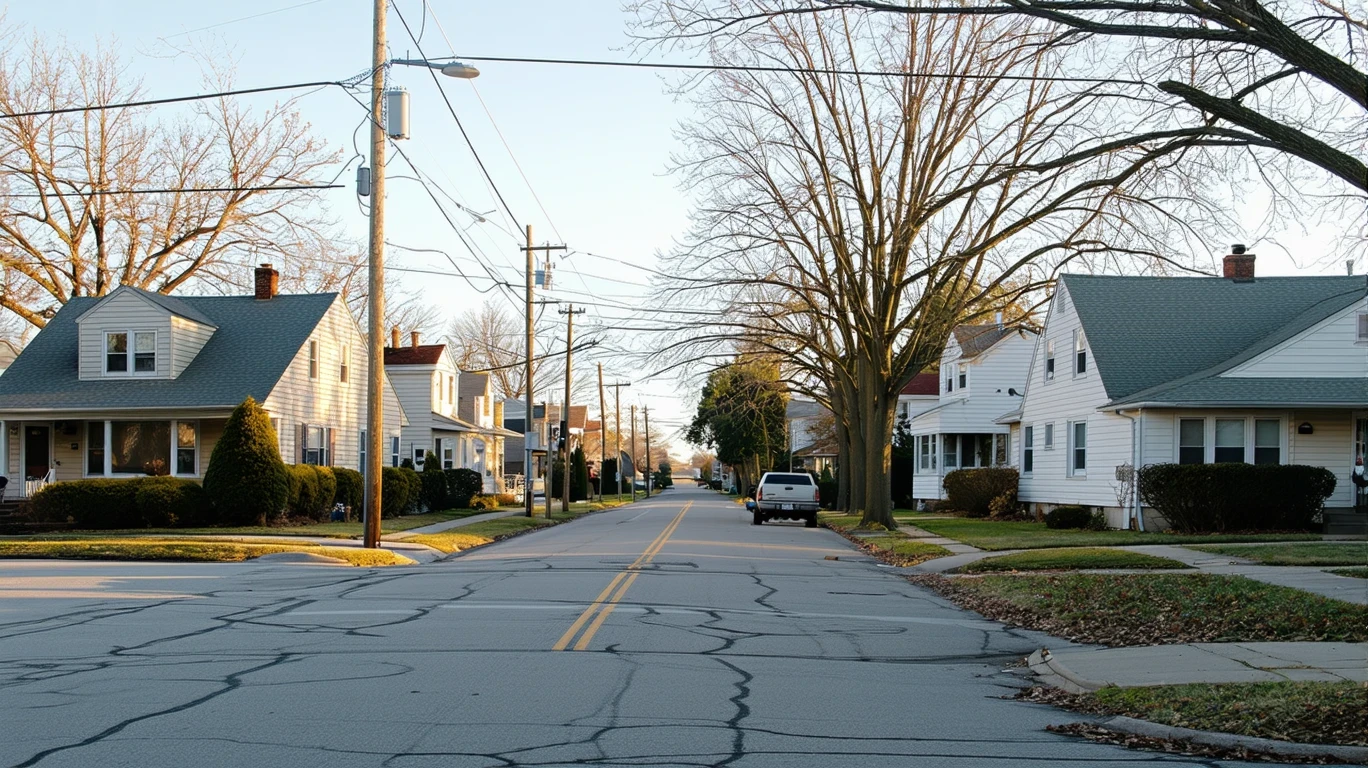
Property taxes in Milford and Fairfield follow Ohio’s county-level assessment structure, which means the primary driver of tax exposure is home value rather than city-specific millage rates. Milford’s higher median home value of $211,900 translates into higher annual property tax obligations compared to Fairfield’s $196,600 median, even if effective tax rates remain similar. Homeowners in Milford absorb this difference as an ongoing cost tied to ownership, while renters in both cities see property taxes indirectly through rent levels, though landlords’ tax obligations don’t always pass through transparently or proportionally.
Local fees and service charges vary by housing type and neighborhood. Single-family homeowners in both cities typically pay separately for trash collection, water, and sewer, while apartment renters often see these costs bundled into rent or charged as flat monthly fees. Fairfield’s low-rise residential character suggests more single-family homes, where homeowners manage these fees directly and face more variability based on usage or service tier. Milford’s mixed building heights and integrated land use mean more multi-family housing, where landlords negotiate bulk rates and renters experience more predictable monthly obligations.
HOA fees and special assessments show up more frequently in newer subdivisions or planned communities, which align more closely with Fairfield’s low-rise development pattern. These fees can range widely depending on what services they cover—landscaping, snow removal, shared amenities, or exterior maintenance—and they represent ongoing obligations that don’t fluctuate with usage. Homeowners in older Milford neighborhoods may avoid HOA fees entirely but absorb more direct responsibility for maintenance and upkeep, which introduces different kinds of cost volatility tied to home age and repair needs.
Sales taxes apply uniformly across both cities, as Ohio sets state and county rates that don’t vary at the municipal level. This means consumption-based tax exposure depends more on spending habits than location. Households that spend more on taxable goods—furniture, electronics, clothing—face the same rate structure in both cities, though access patterns and errands friction can indirectly affect how much gets purchased locally versus online or in neighboring areas.
Tax and fee takeaway: Homeowners in Milford face higher property tax exposure due to higher home values, while those in Fairfield encounter more HOA fees and service charges tied to newer low-rise subdivisions. Renters in Milford benefit from more bundled fee structures in multi-family housing, while Fairfield renters in single-family homes may see more itemized charges. Long-term homeowners absorb property tax differences as ongoing obligations, while recent movers should verify HOA and service fee structures before committing.
Transportation and Commute Reality
Milford’s average commute runs 22 minutes, with 38.2% of workers facing long commutes and just 2.8% working from home. Fairfield’s commute data isn’t available, but its sparse grocery density and low-rise residential form suggest car dependence runs high, as daily errands and work trips both require intentional driving rather than walk-up access. Gas prices sit at $3.75 per gallon in both cities, meaning fuel costs depend more on how far and how often households drive than on price differences at the pump.
Milford’s walkable pockets and corridor-clustered errands reduce some car trips for households living near commercial corridors or mixed-use areas. Families managing school drop-offs, grocery runs, and after-school activities still rely on cars, but the ability to consolidate errands along main routes cuts down on redundant trips and idle time. Fairfield’s sparse errands accessibility means nearly every trip requires driving, whether it’s a quick stop for milk or a planned weekly shopping run. Households in Fairfield absorb more time and fuel costs simply navigating daily logistics, even if their work commute itself runs short.
Transit options in both cities remain limited to bus service, with no rail access. Milford’s bus stops offer some coverage, but service frequency and route reach don’t support car-free living for most households. Fairfield shows similar bus presence, though the lack of walkable errands accessibility means even households near bus stops still need cars for groceries, healthcare, and other routine needs. Transit functions more as a backup or supplemental option than a primary mobility strategy in either city.
Commute length and car dependence interact with housing costs to shape total transportation exposure. Households in Milford paying lower rent but facing longer commutes may find fuel and maintenance costs offset some of their housing savings, especially if they’re among the 38.2% with long commutes. Families in Fairfield managing sparse errands accessibility absorb more daily driving even if their work commute runs short, which means fuel costs accumulate through small, frequent trips rather than one long daily drive. Time costs matter too—households spending more hours per week driving for errands or commuting have less flexibility for second jobs, childcare, or other obligations that require schedule control.
Cost Structure Comparison
Housing pressure dominates the cost experience differently depending on whether you’re renting or buying. Renters in Fairfield face higher baseline obligations that lock in more of their monthly income before other costs enter the picture, while renters in Milford gain immediate flexibility and lower ongoing exposure. Buyers encounter the opposite pattern—Milford’s higher home values create steeper entry barriers and larger mortgage obligations, while Fairfield’s lower purchase prices reduce down payment requirements and monthly debt service. The difference isn’t about which city costs more overall, but about whether cost pressure concentrates upfront or spreads across ongoing obligations.
Utilities introduce more volatility in Fairfield’s larger low-rise homes, where square footage drives baseline heating and cooling loads regardless of insulation quality. Milford’s mixed housing stock creates more variability—older homes face sharper seasonal spikes, while smaller multi-family units benefit from shared-wall insulation and lower baseline usage. Households managing larger spaces absorb more predictable but higher year-round costs, while those in older or less-efficient housing face less predictable swings tied to weather and HVAC performance.
Daily living costs shift based on errands accessibility and car dependence. Milford’s corridor-clustered grocery access reduces friction for households managing frequent shopping trips or spontaneous errands, while Fairfield’s sparse density pushes more costs into transportation and convenience spending. Families planning weekly bulk shopping trips may find Fairfield’s big-box access sufficient, but singles and couples who value walk-up convenience or last-minute flexibility face more friction and higher cumulative fuel costs navigating sparse commercial density.
Transportation patterns matter more in Fairfield, where sparse errands accessibility and low-rise residential form mean nearly every trip requires driving. Milford’s walkable pockets and corridor clustering reduce some car trips, though households with long commutes—38.2% of workers—still absorb significant fuel and time costs. The difference isn’t just about commute length, but about how much daily logistics compound transportation exposure through small, frequent trips that add up over weeks and months.
The better choice depends on which costs dominate your household’s structure. Renters sensitive to monthly obligations may prefer Milford’s lower baseline rent, while buyers prioritizing entry affordability and yard space may find Fairfield’s lower home values more accessible. Households managing larger homes or families absorb more utility and transportation exposure in Fairfield, while those in smaller units or walkable Milford neighborhoods benefit from lower baseline usage and less errands friction. The decision isn’t about total cost—it’s about whether predictability, entry barriers, or ongoing flexibility matter most for how your household actually lives.
How the Same Income Feels in Milford vs Fairfield
Single Adult
For a single adult, housing becomes the first non-negotiable cost, and Milford’s lower rent baseline preserves more flexibility for discretionary spending or emergency savings. Fairfield’s higher rent locks in more income upfront, which narrows room for dining out, entertainment, or building reserves. Milford’s walkable pockets and corridor-clustered errands reduce car dependence for daily logistics, allowing some singles to manage with fewer trips or even occasional transit use. Fairfield’s sparse grocery density and low-rise form mean nearly every errand requires driving, which compounds fuel and time costs even for someone managing a short commute. Flexibility disappears faster in Fairfield because more income flows into predictable obligations before discretionary choices enter the picture.
Dual-Income Couple
For a dual-income couple, the tradeoff shifts toward housing form and commute friction. Milford’s higher home values create a steeper entry barrier for buyers, but lower rent offers immediate savings for couples still renting or building down payment reserves. Fairfield’s lower purchase prices make homeownership more accessible, though higher rent punishes couples who aren’t ready to buy yet. Commute patterns matter more when two people navigate separate work schedules—Milford’s 22-minute average and corridor errands clustering allow some trip consolidation, while Fairfield’s sparse accessibility means both partners likely drive separately for work and errands. Time costs compound when both people spend hours per week managing logistics that could be consolidated in a more walkable area, leaving less flexibility for side income, hobbies, or shared downtime.
Family with Kids
For families, housing space and daily logistics friction become non-negotiable first. Fairfield’s low-rise character and lower home values offer more yard space and single-family living, which appeals to families prioritizing outdoor play areas and room to grow. Milford’s integrated park access reduces the need for private yard space and cuts down on recreation costs, though higher home values make entry harder for families stretching toward ownership. Errands accessibility shapes daily life more intensely for families managing school drop-offs, grocery runs, and after-school activities—Milford’s corridor clustering allows some trip consolidation, while Fairfield’s sparse density means nearly every task requires a separate car trip. Flexibility disappears when one parent spends hours per week navigating logistics that could be handled more efficiently in a walkable area, leaving less time for childcare, second shifts, or simply managing the mental load of household coordination.
Decision Matrix: Which City Fits Which Household?
| Decision Factor | If You’re Sensitive to This… | Milford Tends to Fit When… | Fairfield Tends to Fit When… |
|---|---|---|---|
| Housing entry + space needs | Down payment size, monthly mortgage obligations, or baseline rent exposure | You’re renting and want lower baseline obligations or can absorb higher purchase prices for walkable access | You’re buying and prioritize lower entry costs and yard space over walkability |
| Transportation dependence + commute friction | Daily driving costs, time spent in the car, or ability to consolidate errands | You value walkable pockets and corridor clustering that reduce some car trips | You’re comfortable with car dependence and plan weekly errands rather than frequent stops |
| Utility variability + home size exposure | Seasonal bill swings, baseline heating and cooling loads, or control over efficiency upgrades | You’re in a smaller unit or can manage older housing stock volatility | You’re managing a larger home and prefer predictable baseline costs over seasonal spikes |
| Grocery strategy + convenience spending creep | Frequency of shopping trips, walk-up access, or impulse convenience spending | You shop frequently or value spontaneous errands without dedicated car trips | You plan weekly bulk shopping and can absorb longer drives to big-box stores |
| Fees + friction costs (HOA, services, upkeep) | Predictability of monthly obligations, bundled vs itemized service charges, or maintenance responsibility | You prefer bundled fees in multi-family housing or can manage direct maintenance in older homes | You’re comfortable with HOA fees or itemized service charges in newer low-rise subdivisions |
| Time budget (schedule flexibility, errands, logistics) | Hours spent managing daily logistics, ability to consolidate trips, or mental load of household coordination | You need to minimize time spent driving for errands or managing scattered tasks | You have schedule flexibility and can batch errands into planned weekly trips |
Lifestyle Fit
Milford and Fairfield offer contrasting answers to how daily life feels beyond the numbers. Milford’s walkable pockets and integrated park network create opportunities for spontaneous outdoor activity without driving to trailheads or regional parks. Families benefit from high park density that supports after-school play, weekend picnics, and exercise routines that don’t require gym memberships or planned trips. Fairfield’s limited park density pushes outdoor recreation toward private yards or regional destinations, which works well for families prioritizing space at home but adds friction for households seeking variety or public green space.
Commute times in Milford average 22 minutes, though 38.2% of workers face long commutes, suggesting that job locations vary widely and some households absorb significant time costs reaching employment centers. Fairfield’s commute data isn’t available, but its low-rise residential form and sparse commercial density suggest most workers drive to jobs elsewhere in the metro. Both cities rely heavily on cars, with work-from-home rates in Milford sitting at just 2.8%, indicating limited flexibility for remote work arrangements. Transit options remain minimal in both cities, with bus service present but not robust enough to support car-free living for most households.
Cultural and recreational amenities cluster differently in each city. Milford’s mixed land use and corridor-clustered commercial density support neighborhood cafes, local shops, and casual dining within short distances, which makes spontaneous outings or weekend errands less car-dependent. Fairfield’s low-rise character and sparse commercial density mean entertainment and dining options concentrate along major corridors or in shopping centers, requiring intentional trips rather than walk-up access. Households valuing spontaneity and variety may find Milford’s structure reduces friction, while those comfortable with planned outings and car-based logistics may not notice the difference.
Milford’s integrated park access can reduce recreation costs by 15–20% for families who would otherwise pay for gym memberships, sports leagues, or weekend entertainment. Fairfield’s low-rise residential form often correlates with newer construction and private yard space, which shifts outdoor activity from public parks to home-based play areas. Households in walkable Milford neighborhoods can cut transportation costs by consolidating errands along commercial corridors, reducing fuel and time spent driving.
Frequently Asked Questions
Is Milford or Fairfield cheaper for renters in 2026?
Milford offers lower median rent at $879 per month compared to Fairfield’s $1,096, which creates immediate monthly savings for renters managing tight budgets or building reserves. The $217 difference compounds over time and affects how much flexibility renters have for discretionary spending, emergency savings, or other obligations. Fairfield’s higher rent baseline locks in more income upfront, which narrows room for other costs before utilities, transportation, or groceries enter the picture.
Which city has lower home prices for first-time buyers in 2026?
Fairfield’s median home value of $196,600 runs lower than Milford’s $211,900, creating a gentler entry point for first-time buyers managing down payment requirements or stretching toward homeownership. The $15,300 difference translates into lower monthly mortgage obligations and reduced exposure to property tax assessments tied to valuation. Buyers in Milford pay more upfront but enter neighborhoods with walkable pockets and corridor-clustered errands that can reduce transportation costs over time.
How do grocery costs compare between Milford and Fairfield in 2026?
Grocery prices reflect the same regional price parity in both cities, meaning staple costs per pound or per gallon don’t differ. The difference shows up in access friction—Milford’s corridor-clustered grocery density reduces driving for frequent shopping trips, while Fairfield’s sparse density pushes households toward longer drives and fewer nearby options. Households managing frequent, smaller trips feel more friction in Fairfield, while those planning weekly bulk