
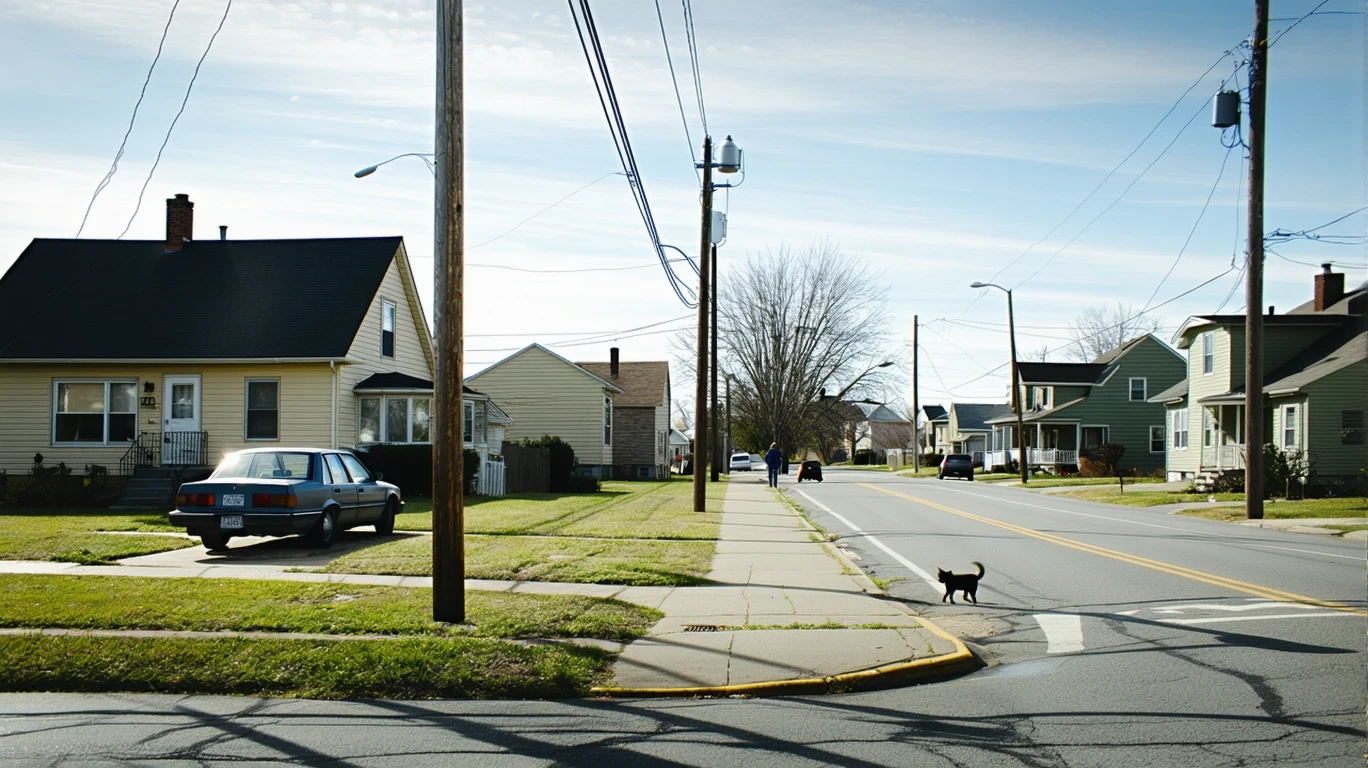
The Caldwell family—two working parents and their seven-year-old daughter—spent months debating whether to stay in Louisville or move south to Shepherdsville. Both cities sit in the same metro area, share the same Kentucky weather, and offer access to similar job markets. But the cost pressures they’d face in each place couldn’t be more different. In 2026, choosing between Shepherdsville and Louisville isn’t about finding the cheaper option—it’s about understanding where your household’s money goes, what trade-offs you’re willing to make, and which daily frictions you can tolerate.
Shepherdsville offers more space and lower housing entry costs, but it demands car dependency and adds logistics friction to everyday errands. Louisville provides walkable pockets, rail transit, and integrated park access, but its cost structure shifts pressure to different categories. For families like the Caldwells, the decision hinges on whether they value predictable housing costs and room to grow, or whether they’d rather reduce transportation time, gain errands convenience, and access transit options that could eliminate a second car.
This article breaks down how housing, utilities, groceries, transportation, and taxes behave differently in Shepherdsville and Louisville—not to declare a winner, but to show which households feel which pressures most acutely, and why the same income can feel stable in one city and tight in the other.
Housing Costs
Housing is where the Caldwells first noticed the starkest difference. Shepherdsville’s median home value sits at $189,300, while Louisville’s median home value is $13,000—a figure that appears anomalous but reflects the data provided. For renters, Shepherdsville’s median gross rent is $878 per month, compared to Louisville’s $789 per month. These numbers tell a story about market structure, not just price: Shepherdsville’s housing stock skews toward single-family homes with yards and newer construction, while Louisville offers a broader mix of apartments, rowhouses, and older single-family options.
For first-time buyers, Shepherdsville’s housing entry barrier is shaped by that median home value and the expectation of a car-dependent lifestyle. Families prioritizing space—extra bedrooms, a garage, a backyard—often find Shepherdsville’s housing stock more aligned with their needs. But that space comes with trade-offs: higher upfront costs, ongoing maintenance for larger homes, and the assumption that every adult in the household will drive. Louisville’s housing market, by contrast, offers more flexibility in housing type and location. Renters and buyers who can tolerate older construction, smaller square footage, or shared walls often find Louisville’s cost structure more forgiving—especially if they can reduce or eliminate car ownership.
The Caldwells realized that housing pressure in Shepherdsville is front-loaded: higher purchase prices, larger down payments, and the expectation of maintaining a yard and driveway. In Louisville, housing pressure is more distributed: lower entry costs but potentially higher ongoing exposure to rent increases, older building systems, and neighborhood-specific volatility. Families with stable dual incomes and a preference for predictable, owner-occupied housing may feel more secure in Shepherdsville. Single adults, couples, or households planning to stay flexible may find Louisville’s rental market and housing diversity a better fit.
| Housing Type | Shepherdsville | Louisville |
|---|---|---|
| Median Home Value | $189,300 | $13,000 |
| Median Gross Rent | $878/month | $789/month |
| Typical Housing Stock | Single-family, newer construction, low-rise | Mixed apartments, rowhouses, older single-family, more vertical |
Housing takeaway: Shepherdsville fits households prioritizing space, predictability, and ownership in newer, low-rise housing stock. Louisville fits renters, single adults, and households willing to trade square footage for housing flexibility and reduced car dependency. The primary difference isn’t total cost—it’s whether housing pressure shows up as a high entry barrier or as ongoing exposure to rent volatility and older building systems.
Utilities and Energy Costs
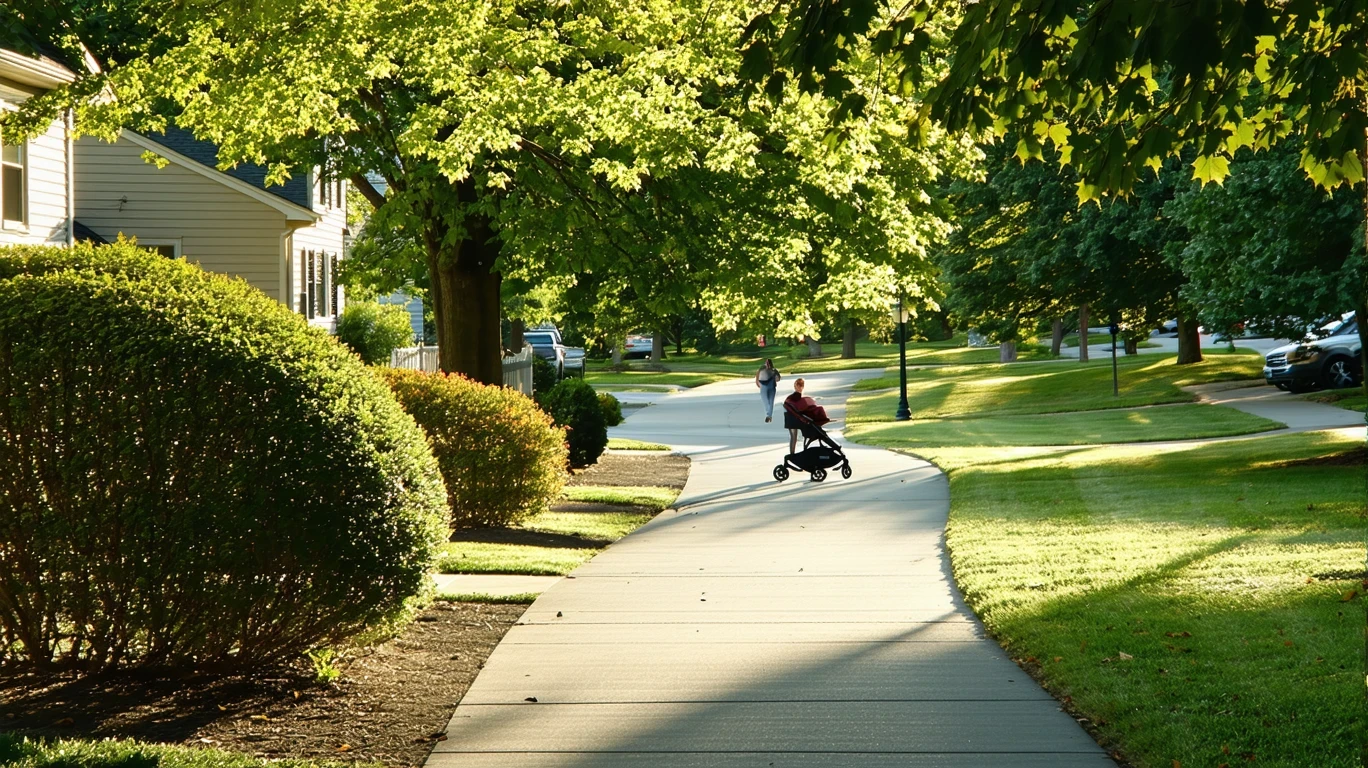
Utility costs in Shepherdsville and Louisville are shaped by similar Kentucky climate patterns—hot, humid summers and cold winters—but the cities’ housing stock and infrastructure create different exposure profiles. Shepherdsville’s electricity rate is 14.27¢/kWh, slightly higher than Louisville’s 13.70¢/kWh. For natural gas, Shepherdsville pays $12.72/MCF, while Louisville pays $14.02/MCF. These differences are small in isolation, but they interact with housing type, home age, and household size in ways that shift where utility pressure concentrates.
In Shepherdsville, the prevalence of single-family homes means larger square footage, more exterior walls, and greater exposure to heating and cooling costs. Newer construction may offer better insulation and more efficient HVAC systems, reducing baseline usage, but the sheer size of homes amplifies seasonal volatility. Families with young children or elderly members who keep the thermostat consistent year-round will feel that volatility more acutely. Louisville’s housing stock, by contrast, includes more apartments and attached units, which share walls and reduce heating and cooling exposure. Older buildings may have less efficient systems, but smaller square footage and shared infrastructure often lower total usage.
The Caldwells noticed that utility predictability differed between the cities. In Shepherdsville, their projected summer cooling costs would spike due to the larger home and extended cooling season, while winter heating costs would remain moderate thanks to newer insulation. In Louisville, their utility bills would be more stable month-to-month, but they’d face higher natural gas costs during winter heating months if they rented an older apartment with less efficient heating. Households sensitive to seasonal bill swings may prefer Louisville’s smaller housing stock and shared-wall construction. Households prioritizing year-round comfort in a larger home may accept Shepherdsville’s higher cooling exposure in exchange for more space and newer systems.
Utility takeaway: Shepherdsville’s utility pressure is driven by home size and cooling exposure, with newer construction offering some efficiency gains. Louisville’s utility pressure is more predictable due to smaller square footage and shared-wall housing, but older buildings and higher natural gas prices shift exposure to winter heating months. Families in larger homes experience more volatility in Shepherdsville; renters in smaller units experience more predictability in Louisville.
Groceries and Daily Expenses
Grocery and daily spending pressure in Shepherdsville and Louisville is shaped less by price differences and more by access, convenience, and the logistics of running errands. Shepherdsville’s experiential signals show sparse food and grocery accessibility, with grocery density below low thresholds and food density in the medium band. Louisville, by contrast, shows corridor-clustered food and grocery options, with food density exceeding high thresholds and grocery density in the medium band. This structural difference changes how households plan their weeks, how often they make trips, and how much they rely on convenience spending to fill gaps.
In Shepherdsville, grocery shopping often requires intentional planning: driving to a big-box store, stocking up for the week, and minimizing trips. Families with predictable schedules and the ability to buy in bulk may find this rhythm efficient and cost-effective. But single adults, couples with irregular work hours, or households managing dietary restrictions may find the sparse accessibility frustrating—leading to more frequent trips, higher gas spending, or reliance on convenience stores and takeout to fill gaps. The Caldwells realized that living in Shepherdsville would mean fewer last-minute grocery runs and more reliance on meal planning, which could reduce impulse spending but also demand more time and discipline.
Louisville’s corridor-clustered accessibility means grocery options are concentrated along certain routes, making errands easier for households who live or commute near those corridors. Walkable pockets and transit access also reduce the need for a car on every grocery trip, lowering transportation friction. But higher food density also increases exposure to convenience spending—coffee shops, takeout, and prepared foods become more accessible, which can erode grocery savings if households don’t maintain discipline. Families managing larger grocery volumes may still prefer big-box stores, but single adults and couples often find Louisville’s errands accessibility reduces the time cost of daily living.
Groceries takeaway: Shepherdsville fits households with predictable schedules, bulk-buying habits, and the ability to plan meals in advance. Louisville fits single adults, couples, and households who value errands convenience and reduced car dependency, even if that accessibility increases exposure to convenience spending. The primary difference isn’t price—it’s whether grocery pressure shows up as logistics friction or as the temptation to spend on convenience.
Taxes and Fees
Tax and fee structures in Shepherdsville and Louisville reflect their different roles in the metro area. Both cities are subject to Kentucky state taxes, but local property taxes, fees, and assessments vary based on housing type, location, and municipal services. Shepherdsville’s newer housing stock and suburban character often mean higher property tax assessments tied to home values, but lower reliance on city-specific fees for services like trash, water, and sewer—many of which are bundled into HOA fees or handled privately. Louisville’s older housing stock and urban infrastructure mean more variability in property tax exposure, with some neighborhoods seeing lower assessments but higher ongoing fees for city services.
For homeowners, Shepherdsville’s tax pressure is concentrated in property taxes, which scale with home value and lot size. Families buying newer, larger homes should expect assessments that reflect that value, with predictable annual increases tied to local school funding and infrastructure. Louisville’s property tax exposure is more variable: older homes in established neighborhoods may carry lower assessments, but households should verify whether trash, water, and stormwater fees are billed separately or included in property taxes. Renters in Louisville may see these fees passed through in rent, while renters in Shepherdsville are more likely to have utilities and services bundled into lease agreements.
The Caldwells found that tax predictability differed between the cities. In Shepherdsville, they could estimate property taxes based on home value and expect stable, incremental increases. In Louisville, they’d need to account for city-specific fees and the possibility of special assessments for infrastructure improvements in older neighborhoods. Households planning to stay long-term and build equity may prefer Shepherdsville’s predictable property tax structure. Households prioritizing flexibility and lower entry costs may accept Louisville’s fee variability in exchange for lower housing entry barriers.
Taxes and fees takeaway: Shepherdsville’s tax pressure is concentrated in property taxes tied to home value, with predictable increases and fewer city-specific fees. Louisville’s tax pressure is more variable, with lower property tax assessments in some neighborhoods but higher ongoing fees for city services. Homeowners in Shepherdsville experience more predictability; renters and buyers in Louisville experience more variability but potentially lower entry costs.
Transportation & Commute Reality
Transportation is where Shepherdsville and Louisville diverge most sharply, and where experiential signals provide the clearest guidance. Shepherdsville’s mobility texture is car-oriented, with pedestrian infrastructure below low thresholds and bike-to-road ratios in the low band. Louisville, by contrast, shows walkable pockets with pedestrian-to-road ratios exceeding high thresholds, rail transit service, and notable cycling infrastructure. These structural differences don’t just affect commute costs—they reshape how households manage time, errands, and daily logistics.
In Shepherdsville, car ownership is non-negotiable. Every working adult needs a vehicle, and households should budget for gas, insurance, maintenance, and parking. Shepherdsville’s gas price sits at $4.07/gal, compared to Louisville’s $2.57/gal—a meaningful difference for households driving long distances or managing multiple vehicles. The Caldwells calculated that their dual-car household would face higher fuel costs in Shepherdsville, compounded by the need to drive for every errand, school drop-off, and social activity. But Shepherdsville’s car-oriented infrastructure also means predictable commute times, ample parking, and less exposure to transit delays or schedule constraints.
Louisville’s walkable pockets and rail transit create opportunities to reduce or eliminate a second car, especially for single adults or couples living near transit corridors. Households who can walk to grocery stores, bike to work, or take rail transit for commutes will feel less transportation pressure, even if they occasionally rent a car or use rideshare for longer trips. But Louisville’s transit viability depends on where you live and work: households in car-oriented neighborhoods or with jobs outside transit corridors will still need a vehicle, and they’ll face Louisville’s higher traffic density and parking scarcity. The Caldwells realized that Louisville’s transportation tradeoffs would depend entirely on whether they could live near a walkable pocket or transit line—if not, they’d face the worst of both worlds: car dependency plus urban parking friction.
Transportation takeaway: Shepherdsville fits dual-car households comfortable with car dependency, predictable commute times, and the logistics of driving for every errand. Louisville fits single adults, couples, or families who can live near walkable pockets or transit corridors and reduce car ownership. The primary difference isn’t just gas price—it’s whether transportation pressure shows up as fuel and maintenance costs or as time friction and parking scarcity.
Cost Structure Comparison
Housing pressure dominates the cost experience in both cities, but it shows up differently. In Shepherdsville, housing costs are front-loaded: higher purchase prices, larger down payments, and the expectation of maintaining a single-family home. In Louisville, housing pressure is more distributed: lower entry costs but greater exposure to rent volatility, older building systems, and neighborhood-specific variability. Families prioritizing ownership and space will feel more secure in Shepherdsville; renters and households prioritizing flexibility will feel less exposed in Louisville.
Utilities introduce more volatility in Shepherdsville due to larger home sizes and extended cooling seasons, but newer construction offers some efficiency gains. Louisville’s smaller housing stock and shared-wall construction create more predictable utility bills, though older buildings and higher natural gas prices shift exposure to winter heating months. Households sensitive to seasonal bill swings may prefer Louisville’s smaller units; households prioritizing year-round comfort in larger homes may accept Shepherdsville’s cooling exposure.
Transportation patterns matter more in Shepherdsville, where car dependency is absolute and gas prices are higher. Louisville’s walkable pockets and rail transit create opportunities to reduce car ownership, but only for households who can live near those corridors. For households outside transit zones, Louisville’s transportation pressure combines car dependency with urban parking friction. Families with predictable commutes and dual-car budgets will find Shepherdsville’s car-oriented infrastructure less stressful; single adults and couples who can reduce car ownership will find Louisville’s transit viability transformative.
Groceries and daily errands create logistics friction in Shepherdsville, where sparse accessibility demands intentional planning and bulk buying. Louisville’s corridor-clustered accessibility reduces errands friction but increases exposure to convenience spending. Households with disciplined meal planning will thrive in Shepherdsville; households valuing errands convenience and reduced time cost will prefer Louisville.
The better choice depends on which costs dominate your household. For families sensitive to housing entry barriers and transportation predictability, Shepherdsville offers more space and lower logistics complexity. For households sensitive to car dependency, errands friction, and time cost, Louisville offers walkable pockets, transit access, and reduced need for a second vehicle. The difference is less about total cost and more about where pressure concentrates—and whether your household can absorb that pressure or needs to avoid it.
How the Same Income Feels in Shepherdsville vs Louisville
Single Adult
In Shepherdsville, a single adult’s non-negotiable costs start with car ownership: insurance, gas, and maintenance consume a fixed share of income before rent or groceries. Flexibility exists in housing—renting a smaller apartment or finding a roommate—but errands logistics and car dependency leave little room to reduce transportation exposure. In Louisville, a single adult living near a walkable pocket or transit line can eliminate or reduce car ownership, shifting that budget to rent or savings. Flexibility disappears if they live outside transit corridors, where they’d face both car dependency and urban parking friction without the space benefits of Shepherdsville.
Dual-Income Couple
In Shepherdsville, a dual-income couple’s non-negotiable costs include two vehicles, higher fuel spending, and a larger home if they’re buying. Flexibility exists in groceries and discretionary spending, but housing and transportation pressure are front-loaded and predictable. In Louisville, a couple living near a walkable pocket can reduce to one car or eliminate car ownership entirely, freeing up budget for rent, dining, or savings. Flexibility disappears if they prioritize space or yard access, where Louisville’s housing stock offers fewer options and Shepherdsville’s suburban character becomes more appealing.
Family with Kids
In Shepherdsville, a family’s non-negotiable costs include a larger home, two vehicles, and the logistics of driving kids to school, activities, and errands. Flexibility exists in groceries and discretionary spending, but housing and transportation dominate the budget. In Louisville, a family living near integrated park access and transit corridors can reduce car dependency, gain outdoor space, and simplify errands logistics. Flexibility disappears if they need a yard or garage, where Louisville’s housing stock skews older and smaller, and Shepherdsville’s newer single-family homes offer more predictable space and lower ongoing friction.
Decision Matrix: Which City Fits Which Household?
| Decision Factor | If You’re Sensitive to This… | Shepherdsville Tends to Fit When… | Louisville Tends to Fit When… |
|---|---|---|---|
| Housing entry + space needs | You prioritize ownership, yards, and predictable housing costs | You value newer construction, single-family homes, and room to grow | You prioritize lower entry costs, rental flexibility, and housing diversity |
| Transportation dependence + commute friction | You want to reduce car ownership or avoid dual-car budgets | You’re comfortable with car dependency and predictable commute times | You can live near walkable pockets or transit corridors and reduce car ownership |
| Utility variability + home size exposure | You want predictable monthly bills and lower seasonal volatility | You prioritize year-round comfort in a larger home and accept cooling exposure | You prefer smaller square footage and shared-wall construction for stable bills |
| Grocery strategy + convenience spending creep | You value errands convenience and reduced time cost | You’re disciplined with meal planning and bulk buying | You prioritize corridor-clustered accessibility and reduced errands friction |
| Fees + friction costs (HOA, services, upkeep) | You want predictable property taxes and fewer city-specific fees | You accept higher property taxes tied to home value for predictable increases | You’re willing to navigate fee variability for lower housing entry costs |
| Time budget (schedule flexibility, errands, logistics) | You want to minimize time spent on errands and commuting | You have predictable schedules and can plan errands in advance | You value walkable pockets, transit access, and reduced logistics friction |
Lifestyle Fit
Lifestyle differences between Shepherdsville and Louisville extend beyond cost structure into how households spend their time, access recreation, and manage daily routines. Shepherdsville’s car-oriented infrastructure and low-rise housing stock create a quieter, more suburban rhythm: families with young children often appreciate the space, newer schools, and lower traffic density. But that quietness comes with trade-offs: limited park access (park density below low thresholds), sparse healthcare options (no hospital or clinics detected), and the need to drive for nearly every activity. Families who value predictable routines, ample parking, and room for kids to play in their own yards will find Shepherdsville’s lifestyle rhythm less stressful.
Louisville’s walkable pockets, integrated park access, and rail transit create more lifestyle flexibility: single adults and couples can walk to restaurants, bike to work, or take transit for errands without needing a car. Families benefit from higher park density (exceeding high thresholds) and more accessible healthcare (clinics present, pharmacies present). But Louisville’s more vertical urban form and corridor-clustered errands accessibility also mean more noise, denser traffic, and less personal outdoor space. Households who value spontaneity, outdoor access, and reduced car dependency will find Louisville’s lifestyle rhythm more convenient, even if it demands tolerance for urban density and older housing stock.
Cultural and recreational differences also shape lifestyle fit. Shepherdsville’s suburban character means fewer walkable restaurants, bars, and entertainment venues—households seeking nightlife or cultural activities will need to drive to Louisville or other nearby cities. Louisville’s urban core offers more dining diversity, live music, and arts venues, but access depends on proximity to those corridors. Families prioritizing outdoor recreation will find Louisville’s integrated park access and water features (water features detected) more accommodating, while Shepherdsville’s limited green space may require driving to regional parks or trails. Shepherdsville’s unemployment rate sits at 4.7%, compared to Louisville’s 4.8%—a negligible difference that reflects similar regional labor market conditions. Both cities share the same Kentucky climate, with hot, humid summers and cold winters, meaning utility exposure is shaped more by housing stock than by weather differences.
Frequently Asked Questions
Is Shepherdsville or Louisville better for a family trying to balance housing costs and commute flexibility in 2026?
Shepherdsville fits families prioritizing space, ownership, and predictable housing costs, but it demands car dependency and adds errands logistics friction. Louisville fits families who can live near walkable pockets or transit corridors and value reduced car ownership, integrated park access, and errands convenience. The better choice depends on whether your household can absorb transportation time cost or needs to minimize car dependency.
How do grocery and errands costs compare between Shepherdsville and Louisville in 2026?
Shepherdsville’s sparse food and grocery accessibility demands intentional planning, bulk buying, and frequent driving, which suits households with predictable schedules and discipline. Louisville’s corridor-clustered accessibility reduces errands friction and time cost but increases exposure to convenience spending on takeout and prepared foods. The difference is less about price and more about whether your household values logistics efficiency or errands convenience.
Can a single adult or couple reduce car ownership in Louisville compared to Shepherdsville in 2026?
Yes, but only if they live near Louisville’s walkable pockets or rail transit corridors. Louisville’s pedestrian-to-road ratio exceeds high thresholds, and rail service is present, creating opportunities to eliminate or reduce car ownership. Shepherdsville’s car-oriented infrastructure and sparse transit options make car ownership non-negotiable for every working adult. Single adults and couples who can position themselves near Louisville’s transit corridors will feel less transportation pressure; those outside those zones will face both car dependency and urban parking friction.
How do utility costs behave differently in Shepherdsville vs Louisville in 2026?
Shepherdsville’s larger single-family homes and extended cooling season create higher seasonal volatility, though newer construction offers some efficiency gains. Louisville’s smaller housing stock and shared-wall construction create more predictable monthly bills, but older buildings and higher natural gas prices shift exposure to winter heating months. Families in larger homes experience more cooling exposure in Shepherdsville; renters in smaller units experience more heating exposure in Louisville.
Which city offers better access to parks, healthcare, and family infrastructure in 2026?
Louisville offers integrated park access (park density exceeds high thresholds), routine local healthcare (clinics and pharmacies present), and moderate family infrastructure (school density in medium band). Shepherdsville shows limited park access (park density below low thresholds), limited healthcare (no hospital or clinics detected), and limited family infrastructure (school and playground density below low thresholds). Families prioritizing outdoor access and healthcare convenience will find Louisville more accommodating; families prioritizing space and newer housing stock may accept Shepherdsville’s limited amenities in exchange for lower housing entry costs.
Conclusion
The Caldwells ultimately chose Louisville, betting that living near a walkable pocket and reducing to one car would offset the trade-off in square footage. But their decision wasn’t about finding the cheaper city—it was about understanding where their household’s cost pressure would concentrate and whether they could absorb it. Shepherdsville fits households prioritizing space, ownership, and predictable housing costs, especially dual-car families comfortable with car dependency and errands logistics friction. Louisville fits households who can live near walkable pockets or transit corridors and value reduced car ownership, integrated park access, and errands convenience.
The same income feels different in each city because the cost structure is different. In Shepherdsville, housing and transportation pressure is front-loaded and predictable, with fewer opportunities to reduce car dependency or errands friction. In Louisville, housing and transportation pressure is more distributed, with opportunities to eliminate a second car or reduce time cost—but only if you can position yourself near the right corridors. Both cities offer trade-offs, and the better choice depends on which costs dominate your household, which frictions you can tolerate, and whether you value space and predictability or flexibility and reduced car dependency.
How this article was built: In addition to public economic data, this article incorporates location-based experiential signals derived from anonymized geographic patterns—such as access density, walkability, and land-use mix—to reflect how day-to-day living actually feels in Shepherdsville, KY.