
“I moved here thinking it’d be like Louisville but cheaper. It is cheaper—but you’re also driving everywhere, and I mean everywhere. If you’re cool with that, it’s fine. If you wanted walkable, this isn’t it.”
That tension—affordability versus convenience, space versus access—runs through nearly every conversation about life in Shepherdsville. This small city south of Louisville offers lower housing pressure and a quieter pace, but it asks residents to accept a car-dependent rhythm and sparse daily infrastructure in return. Whether that tradeoff feels rewarding or limiting depends almost entirely on what you need from your surroundings.
What It Feels Like to Live Here
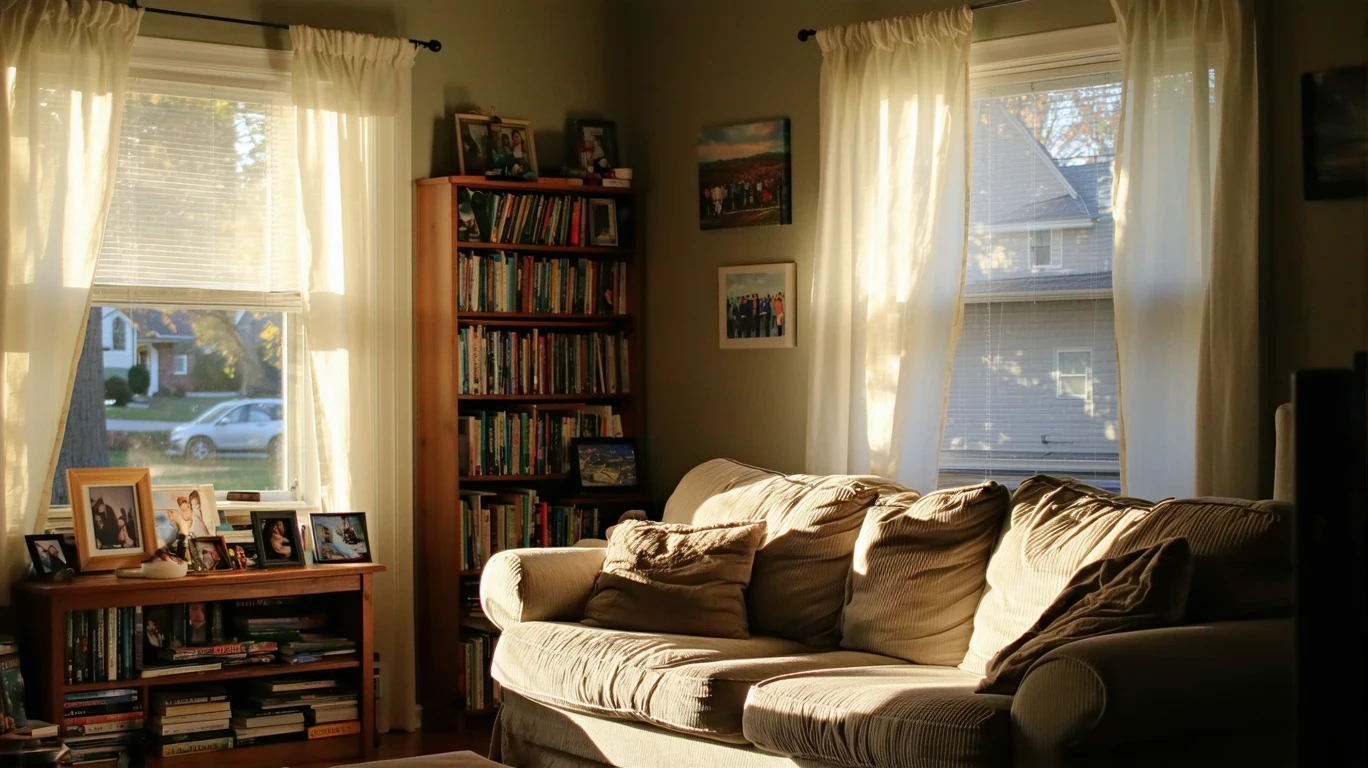
Shepherdsville’s vibe is shaped by its structure: low-rise, spread out, and built around driving. Pedestrian infrastructure sits well below density thresholds, and grocery access falls short of what many suburban households expect. Parks are sparse, and family-oriented amenities like playgrounds and schools don’t meet the density benchmarks that make daily logistics feel easy. There’s a hospital gap, though pharmacies are present. The built environment mixes residential and commercial land use, but that mix doesn’t translate into walkable errands or spontaneous outings—it just means you pass different building types on your way to the next parking lot.
For households who already live car-first lives and prioritize square footage and mortgage relief over neighborhood texture, Shepherdsville delivers exactly what it promises: space, relative affordability, and a small-town identity that hasn’t fully suburbanized. For people who assumed “suburb” meant nearby parks, a grocery store within walking distance, or the ability to run errands on foot, the reality here tends to feel like friction.
The emotional center of Shepherdsville isn’t unhappiness—it’s negotiation. Residents constantly weigh what they gain (cheaper homes, bigger yards, less noise) against what they give up (walkability, amenity density, spontaneity). Those who feel at home here tend to be the ones who never wanted those things in the first place.
What People Talk About Online
In local Facebook groups and regional subreddit threads, Shepherdsville discussions tend to circle around a few recurring themes: growth and change, commute logistics, and the gap between expectations and infrastructure.
“It’s growing fast, but it doesn’t feel like the infrastructure is keeping up. You still have to drive to Louisville for half your errands.”
“If you work in Louisville and want a yard without the city price tag, this works. Just know you’re spending that savings in gas and time.”
“I like the quiet. I don’t need a coffee shop on every corner. But I get why some people feel stuck here.”
The tone isn’t angry—it’s pragmatic. People describe Shepherdsville as a place that works if your expectations align with its limitations. There’s pride in affordability and space, but also a low-level fatigue around driving, especially for households juggling kids, groceries, and appointments without nearby options.
How Local Coverage Frames the City
Local news and community outlets tend to frame Shepherdsville through the lens of growth, identity, and infrastructure catch-up. Headlines and story themes reflect a town in transition, balancing small-town character with the pressures of proximity to a growing metro.
- “Community Debates What Growth Should Look Like”
- “New Retail Arrives as Residents Weigh Convenience Gains”
- “Commuters Balance Louisville Access with Quiet Living”
- “Families Drawn to Affordability, Navigate Amenity Gaps”
- “Town Identity Evolves Amid Suburban Expansion”
The framing is rarely celebratory or critical—it’s observational. Coverage acknowledges that Shepherdsville offers real cost relief and appeals to specific household types, but it doesn’t pretend the tradeoffs disappear. The recurring question isn’t whether the city is “good” or “bad,” but whether it’s growing in a way that serves the people already here.
What Reviews and Public Perception Reveal
On platforms like Google Reviews, Yelp, and Nextdoor-style community boards, Shepherdsville earns praise and frustration in predictable patterns. The praise comes from people who wanted exactly what it offers: affordability, space, and distance from urban density. The frustration comes from people who expected suburban convenience without realizing how car-dependent the daily rhythm would be.
Positive sentiment clusters around housing value and quiet neighborhoods. People describe finding larger homes for less money than they’d pay closer to Louisville, and they appreciate the low-rise character and lack of congestion. Families who don’t mind driving for groceries, activities, and appointments tend to feel the city delivers on its promise.
Critical sentiment focuses on errands logistics and amenity gaps. Grocery density sits below thresholds, meaning even routine shopping often requires planning or longer drives. The lack of walkable infrastructure frustrates households who assumed they’d be able to walk to a park, a store, or a school. Parents mention the limited playground and school density as a daily inconvenience, and the absence of a local hospital comes up in discussions about healthcare access and peace of mind.
Newer planned areas tend to feel more polished and family-oriented, while older pockets can feel more isolated or underdeveloped. But across the city, the recurring theme is the same: Shepherdsville works beautifully if you’re already comfortable living out of your car. If you’re not, it feels like compromise.
How Shepherdsville Compares to Nearby Cities
| Dimension | Shepherdsville | Elizabethtown | Jeffersontown |
|---|---|---|---|
| Walkability | Minimal, car-dependent | Low, but slightly better near downtown | Mixed, some walkable pockets |
| Errands Access | Sparse, requires planning | Moderate, more grocery options | Broadly accessible |
| Housing Affordability | Strong value, lower prices | Comparable, slightly higher | Higher, closer to Louisville core |
| Family Infrastructure | Limited parks and schools | Moderate, more developed | Strong, denser amenities |
| Commute to Louisville | Longer, southern route | Farther, less metro-oriented | Shorter, eastern suburbs |
Shepherdsville offers the strongest affordability of the three, but it also asks the most in terms of car dependency and amenity access. Elizabethtown sits farther from Louisville but provides a bit more infrastructure and a clearer downtown identity. Jeffersontown trades affordability for convenience—it’s closer to the metro core, more walkable in parts, and better stocked with family amenities, but housing costs reflect that proximity.
If your priority is stretching your housing dollar and you’re comfortable driving for everything, Shepherdsville makes sense. If you want a bit more texture or easier errands without moving all the way into Louisville, Jeffersontown might feel like a better fit. If you’re willing to give up metro proximity for a more self-contained small town, Elizabethtown offers a middle path.
What Locals Are Saying
“We bought here because we wanted a yard and a garage without spending $250k. We got that. But yeah, you’re driving to Walmart, driving to the park, driving to everything. It’s just the deal you make.”
“I work remotely, so the commute doesn’t hit me. For us, it’s been great—quiet, affordable, and we’re still close enough to Louisville when we want it. But I wouldn’t want to do this commute five days a week.”
“It’s fine if you grew up in a small town and you’re used to driving everywhere. If you’re coming from somewhere walkable, it’s going to feel like a step backward.”
“The schools are spread out, the parks are limited, and there’s not much for kids to do without a car. It works for us because we’re planners, but I can see how it would wear on some families.”
“I like that it’s not crowded. I like that it’s cheaper. I don’t like that I have to drive 15 minutes just to get groceries. It’s a tradeoff, and some days it feels worth it, some days it doesn’t.”
“We moved here from Jeffersontown to save money, and we did. But we also gave up a lot of convenience. I miss being able to walk to the park or grab something quick without getting in the car.”
“If you’re retired and you don’t mind driving, it’s peaceful and affordable. If you’re trying to juggle work, kids, and errands, it’s a lot of windshield time.”
Does Shepherdsville Feel Like a Good Fit?
Shepherdsville works for people who prioritize space and cost relief over spontaneity and walkability. It fits households who are already comfortable with car-dependent rhythms, who don’t expect nearby parks or dense grocery options, and who see driving as a routine part of daily life rather than a burden. It appeals to families willing to plan their errands, retirees seeking quiet and affordability, and commuters who can absorb the time cost in exchange for lower monthly expenses.
It tends to frustrate people who assumed “suburb” meant convenience, who wanted walkable access to daily needs, or who underestimated how much the lack of nearby amenities would shape their routines. It’s not a good match for households without reliable transportation, for parents seeking dense family infrastructure, or for individuals who value neighborhood texture and spontaneous outings.
The city’s emotional center isn’t dissatisfaction—it’s clarity. People who feel at home here tend to describe it as exactly what they expected. People who feel friction tend to describe it as less convenient than they thought it would be. Shepherdsville doesn’t hide what it is. The question is whether what it offers aligns with what you actually need.
If you’re exploring whether Shepherdsville fits your priorities, consider how its structure shapes day-to-day logistics, what its cost profile means for your household, and whether the tradeoffs feel sustainable or exhausting. The city rewards alignment and punishes mismatched expectations.
How this article was built: In addition to public economic data, this article incorporates location-based experiential signals derived from anonymized geographic patterns—such as access density, walkability, and land-use mix—to reflect how day-to-day living actually feels in Shepherdsville, KY.
The perspectives shown reflect commonly expressed local sentiment and recurring themes in public discussion, rather than individual accounts.