
Jasmine sits at a coffee shop near campus, laptop open, comparing two apartment listings. One’s a studio for $1,400 a month—her own space, her own schedule. The other’s a three-bedroom she’d share with two roommates for $650 each. Same neighborhood, same distance to class, but completely different financial and social equations. For students navigating student living in Orlando, this tradeoff plays out thousands of times each semester, shaped by budget realities, lifestyle preferences, and the city’s particular mix of transit access, housing density, and student-oriented infrastructure.
Orlando earns a student-friendliness score of 78 out of 100, reflecting its status as a designated college city with established student infrastructure, rail transit that supports campus access without mandatory car ownership, and notable cycling infrastructure that reduces transportation costs. The city’s mixed-use development creates walkable pockets where students can manage errands, socializing, and studying without constant driving, while corridor-clustered food and grocery options align with tight budgets. What keeps the score from climbing higher is the median rent of $1,509 per month, which makes shared housing not just common but financially necessary for most undergraduates relying on part-time wages, loans, or family support.
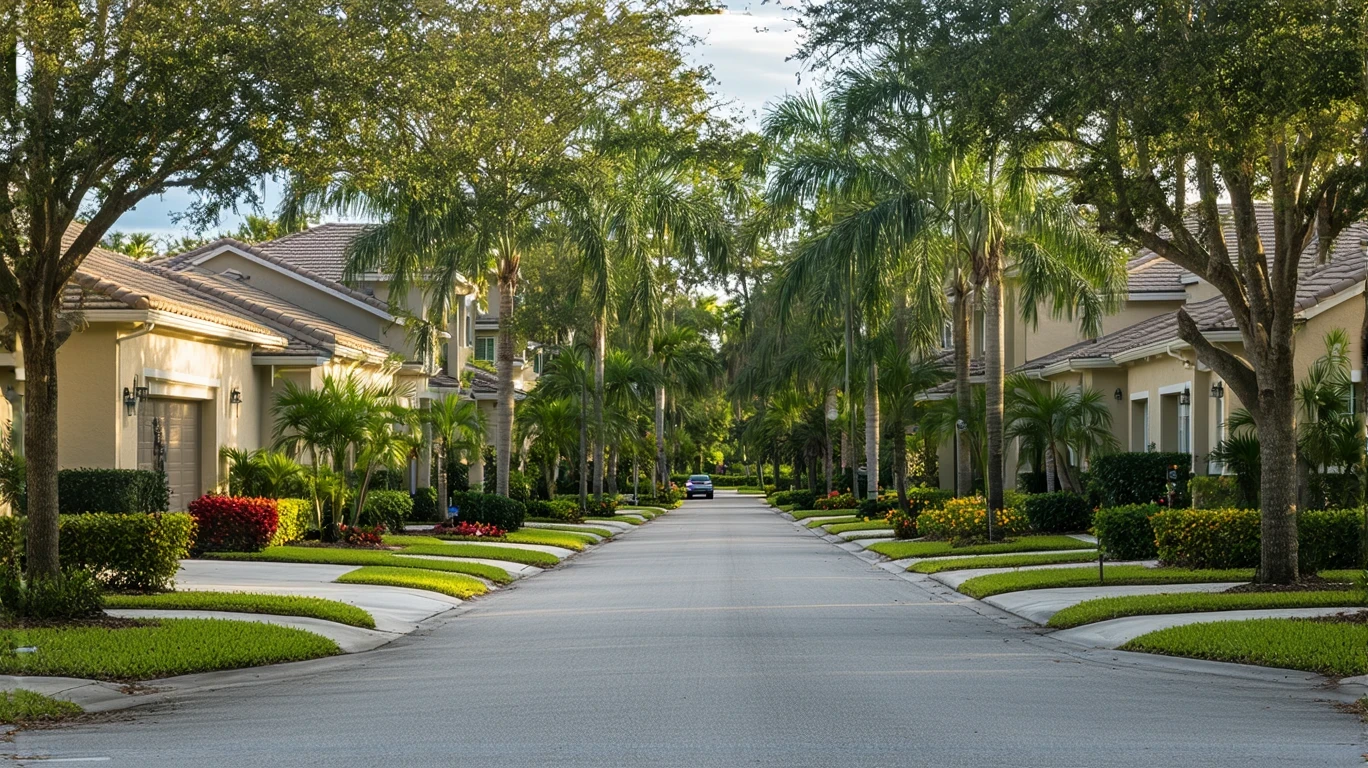
Why Students Choose Orlando
Orlando’s appeal to college students stems from a practical combination of access, opportunity, and infrastructure that supports academic life without requiring a car-centric lifestyle. The presence of rail transit—specifically the SunRail commuter line—gives students living along its corridor a reliable way to reach campus, internships, and social venues without the expense of vehicle ownership, insurance, and parking permits. This matters in a city where gas prices sit at $4.12 per gallon, turning every drive into a budget calculation.
Beyond transit, Orlando’s notable cycling infrastructure creates real alternatives for students willing to bike to class, the library, or nearby grocery stores. The city’s pedestrian-to-road ratio exceeds high thresholds in certain areas, meaning students in those walkable pockets can structure daily life around foot traffic rather than car trips. This isn’t universal across Orlando—some neighborhoods remain car-dependent—but the existence of these pockets gives students meaningful choice when selecting where to live. Mixed residential and commercial land use further supports this flexibility, allowing students to find housing near both campus resources and everyday errands.
The city’s economy also plays a role. With an unemployment rate of 3.3%, part-time job opportunities in retail, hospitality, food service, and tutoring remain accessible, giving students the ability to offset living costs with flexible work schedules. Orlando’s status as a tourism and service hub means evening and weekend shifts are plentiful, fitting around class schedules in ways that traditional 9-to-5 markets don’t always accommodate.
Housing Options for Students
On-campus housing provides the most straightforward option for first-year students and those prioritizing convenience over cost. Dorms and university-managed apartments eliminate the need for lease negotiations, utility setup, and furniture procurement, bundling everything into a single semester-based fee. Availability varies by institution, with some campuses offering guaranteed housing for freshmen but limited space for upperclassmen, pushing juniors and seniors into the off-campus rental market by necessity rather than choice.
Off-campus, the rental landscape divides into two main categories: purpose-built student housing complexes and traditional apartments or houses near campus. Purpose-built complexes typically offer individual leases (meaning you’re not responsible for a roommate’s unpaid rent), furnished units, amenity packages including pools and study lounges, and shuttle services to campus. These conveniences come at a premium, with rents often matching or exceeding the median gross rent of $1,509 per month for a private bedroom in a shared unit. Traditional apartments, by contrast, require joint leases, unfurnished spaces, and more self-directed management, but often cost less per person when splitting a two- or three-bedroom unit.
Lease terms in Orlando’s student market generally follow academic calendars, with 12-month leases starting in August being standard. Some landlords offer flexible terms or semester-based options, but these typically carry higher monthly rates to offset vacancy risk. Security deposits range from one month’s rent to a flat fee, and many complexes now charge non-refundable “move-in fees” instead of traditional deposits, a shift that reduces upfront cost but eliminates the possibility of getting that money back. Roommate-matching services, both through universities and third-party platforms, help students find compatible housemates, though the success of these arrangements depends heavily on communication and shared expectations around cleanliness, noise, and guest policies.
Getting Around: Transportation and Campus Access
How students move through Orlando directly shapes their monthly budgets and daily schedules. Those living within walking or biking distance of campus avoid transportation costs almost entirely, turning commute time into exercise or podcast listening rather than a financial drain. The city’s notable bike infrastructure—reflected in a high bike-to-road ratio—makes cycling a viable year-round option despite Orlando’s heat, especially for students willing to adjust their schedules around cooler morning hours or invest in weather-appropriate gear.
Public transit, anchored by the SunRail system and supplemented by Lynx bus routes, provides structured alternatives to car ownership. Students living along rail corridors can reach campus, downtown internships, and entertainment districts without the fixed costs of a vehicle. Many universities offer discounted or free transit passes as part of student fees, effectively subsidizing this option and making it financially competitive with even the most fuel-efficient car. Ride-sharing fills gaps for late-night returns, grocery runs, or trips to areas poorly served by transit, though frequent use quickly adds up—students relying heavily on rideshares often find themselves spending as much as they’d save by skipping car ownership.
Parking availability and cost also factor into the transportation equation. On-campus parking permits can run several hundred dollars per semester, and some universities restrict freshman parking entirely, forcing first-year students into transit or bike reliance regardless of preference. Off-campus, apartments with dedicated parking eliminate this concern, but units without it push students into street parking or paid lots, adding friction to an already complex housing decision.
Student Cost of Living
Building a realistic student budget in Orlando requires accounting for both fixed costs—rent, utilities, transportation—and variable expenses that shift with lifestyle choices, academic demands, and social participation. A frugal student sharing a three-bedroom apartment, cooking most meals, using transit or biking, and limiting entertainment to free campus events can manage on a significantly lower monthly total than someone living solo, eating out frequently, and maintaining a car. Neither approach is wrong; they reflect different priorities and financial situations.
Food costs vary widely based on dining habits. Campus meal plans offer convenience and predictability but often cost more per meal than self-prepared food. Grocery shopping at stores in corridor-clustered areas—where food and grocery density supports competitive pricing—allows students to control costs more directly, though it requires time, planning, and basic cooking skills. Orlando’s regional price parity of 101 means grocery prices track close to national averages, so students familiar with costs elsewhere won’t face dramatic sticker shock, though specific items fluctuate with seasonality and supply chains.
Textbooks and course materials remain a significant expense, though used book markets, rental programs, and digital editions have reduced this burden compared to a decade ago. Entertainment and discretionary spending depend entirely on individual choices—free campus events, student organization activities, and outdoor recreation in the city’s parks (which show moderate density) provide low-cost options, while concert tickets, theme park visits, and frequent dining out quickly consume budget flexibility.
Table: Monthly Student Budget in Orlando
Here’s what a typical monthly student budget might look like in Orlando:
| Expense Category | Shared Housing | Solo Living |
|---|---|---|
| Rent | $650 | $1,400 |
| Utilities (electric, water, internet) | $80 | $150 |
| Food (groceries + occasional dining out) | $300 | $350 |
| Transportation (transit pass or gas/parking) | $60 | $120 |
| Textbooks & supplies (averaged monthly) | $80 | $80 |
| Entertainment & personal care | $100 | $150 |
| Miscellaneous (laundry, subscriptions, etc.) | $50 | $75 |
| Total | $1,320 | $2,325 |
Estimates based on average student spending patterns and local costs, before financial aid, scholarships, or parental contributions.
Student-Friendly Amenities and Services
Beyond housing and transportation, Orlando’s infrastructure for student life includes study spaces, healthcare access, and recreational options that shape daily routines and long-term well-being. Campus libraries and designated study lounges provide quiet, climate-controlled environments during Orlando’s hot months, when studying in non-air-conditioned spaces becomes uncomfortable. Off-campus, coffee shops with reliable Wi-Fi serve as alternative workspaces, though purchasing drinks or snacks to justify extended stays adds incremental costs.
Healthcare access benefits from the city’s hospital presence and pharmacy availability, giving students options for both routine care and urgent needs. Many universities operate student health centers offering low-cost or included services for common issues—flu shots, minor injuries, mental health counseling—reducing the need to navigate external insurance networks for everyday concerns. Mental health resources, in particular, have expanded in recent years, with campuses offering counseling services, peer support groups, and crisis intervention, though demand often exceeds capacity during high-stress periods like midterms and finals.
Recreational facilities, including campus gyms and intramural sports programs, provide structured physical activity without additional membership fees, while the city’s parks—present at moderate density—offer outdoor alternatives for running, pickup games, or simply decompressing between study sessions. Student discounts at local businesses, from restaurants to entertainment venues, stretch budgets further, though the value depends on actively seeking out and using these offers rather than assuming they exist everywhere.
Social Scene and Nightlife
Orlando’s social landscape for students blends campus-centered activities with city-wide entertainment options, creating layers of engagement that shift with age, interests, and budget. On-campus events—guest speakers, student organization meetings, intramural tournaments, cultural celebrations—form the foundation of social life for many undergraduates, offering free or low-cost ways to build community and explore interests outside academics. These events cluster around academic calendars, peaking at semester starts and tapering during exam periods.
Off-campus, Orlando’s mixed-use development and corridor-clustered food access create social hubs where students gather for meals, coffee, or casual hangouts without needing cars or extensive planning. Neighborhoods with higher pedestrian infrastructure density naturally become social centers, as the ability to walk between venues, apartments, and campus creates spontaneous interaction that car-dependent areas can’t replicate. Nightlife options range from age-restricted bars and clubs to all-ages music venues, comedy shows, and cultural festivals, though students under 21 face more limited choices in venues serving alcohol.
The dating scene and broader social networking benefit from Orlando’s college city designation, which concentrates young adults in shared spaces and creates overlapping social circles through classes, student organizations, and part-time jobs. This density of peers makes it easier to meet people with similar interests and life stages compared to cities where students are dispersed across a larger, more age-diverse population.
Safety and Practical Considerations
Safety concerns for students living in Orlando involve both campus-specific measures and neighborhood-level awareness. Universities typically provide campus security patrols, emergency call boxes, late-night escort services, and safety apps that allow students to share their location or request assistance. These systems work best when students actively use them—walking with a friend after dark, calling for an escort from the library, or checking campus alerts for incidents in real time.
Off-campus, safety varies by neighborhood, with some areas near universities experiencing higher rates of property crime (bike theft, car break-ins, package theft) due to the concentration of young, often less security-conscious residents. Choosing housing in well-lit areas, investing in quality locks, and avoiding ground-floor units with easily accessible windows reduces risk, though no location eliminates it entirely. The city’s healthcare access, including hospital presence, provides reassurance for medical emergencies, while campus health centers handle routine care and mental health support.
Academic support services—tutoring centers, writing labs, peer study groups, office hours—play a critical role in student success, particularly during the transition from high school to college-level coursework. Universities in Orlando offer these resources, though utilization rates remain low among students who don’t realize they’re struggling until grades suffer. Career services, including internship placement, resume workshops, and employer networking events, help students translate academic work into job opportunities, especially important in a city where part-time work and post-graduation employment often overlap with the tourism, healthcare, and service sectors that dominate the local economy.
FAQs About Student Life in Orlando
What’s the average cost of student living in Orlando?
Students sharing housing typically spend between $1,200 and $1,500 per month covering rent, utilities, food, transportation, and personal expenses, while those living solo often face totals closer to $2,200 to $2,500. These figures exclude tuition, fees, and textbooks, which are billed separately. The wide range reflects choices around housing type, transportation mode, and discretionary spending.
How safe is it for students to live off-campus?
Off-campus safety in Orlando depends heavily on neighborhood selection and personal habits. Areas immediately adjacent to universities tend to see higher property crime due to student density and turnover, but violent crime remains relatively uncommon in student-heavy neighborhoods. Using campus escort services, securing bikes and vehicles properly, and staying aware of surroundings—especially after dark—reduces risk significantly. Most students live off-campus without incident, though vigilance matters.
Are there good part-time job opportunities?
Yes. Orlando’s 3.3% unemployment rate and large hospitality, retail, and service sectors create abundant part-time opportunities with flexible scheduling. Students commonly work in restaurants, theme parks, retail stores, tutoring centers, and campus positions, with wages typically ranging from minimum wage to $15–$18 per hour depending on role and experience. The challenge is balancing work hours with academic demands, particularly during midterms and finals.
What’s the social scene like for college students?
Orlando’s social scene benefits from its college city status, concentrating students in shared neighborhoods and creating overlapping social networks through campus organizations, part-time jobs, and mixed-use areas where people naturally gather. The city offers both campus-centered activities (free or low-cost) and broader entertainment options including live music, cultural festivals, and nightlife venues. Students under 21 face more limited bar and club access, but all-ages events, outdoor recreation, and campus programming provide alternatives.
Making the Decision: Is Orlando Right for Your College Years?
Orlando works best for students who value transit and bike access, appreciate mixed-use neighborhoods where errands and socializing don’t require constant driving, and are willing to share housing to keep costs manageable. The city’s rail presence, notable cycling infrastructure, and walkable pockets create genuine alternatives to car ownership, reducing the fixed costs that strain student budgets elsewhere. The corridor-clustered food and grocery access aligns with tight budgets, while the city’s college town designation ensures student-oriented infrastructure, from health services to part-time job opportunities.
The primary tradeoff is housing cost. With median rent at $1,509 per month, solo living consumes a large share of typical student resources, making shared housing not just common but financially necessary for most undergraduates. Students who prioritize privacy or struggle with roommate dynamics will find Orlando’s rental market challenging without significant family support or high-paying part-time work. Additionally, students expecting a universally walkable city will be disappointed—Orlando’s pedestrian-friendly areas exist in pockets, not citywide, meaning neighborhood selection directly determines whether a car-free lifestyle is practical or frustrating.
For prospective students and parents evaluating Orlando, the key questions are: Can you afford shared housing or are you prepared to allocate a large portion of your budget to solo living? Are you comfortable using transit, biking, or walking as primary transportation, or do you need the flexibility of a car? Do you thrive in mixed-use, socially dense environments, or do you prefer quieter, more residential settings? Answering these honestly will clarify whether Orlando’s particular mix of access, cost, and infrastructure aligns with your academic and personal priorities.
How this article was built: In addition to public economic data, this article incorporates location-based experiential signals derived from anonymized geographic patterns—such as access density, walkability, and land-use mix—to reflect how day-to-day living actually feels in Orlando, FL.