
Orlando’s housing market reflects a city shaped by rapid growth, a tourism-driven economy, and a mixed urban form that creates sharp variation in cost exposure depending on location. With a median home value of $332,700 and median gross rent of $1,509 per month, housing costs sit near the national baseline—but the experience of living here depends heavily on whether you’re near transit corridors, in walkable pockets, or in car-dependent subdivisions. Understanding how rent, ownership, and long-term exposure behave in Orlando requires looking beyond sticker prices to the structural forces that shape housing cost over time.
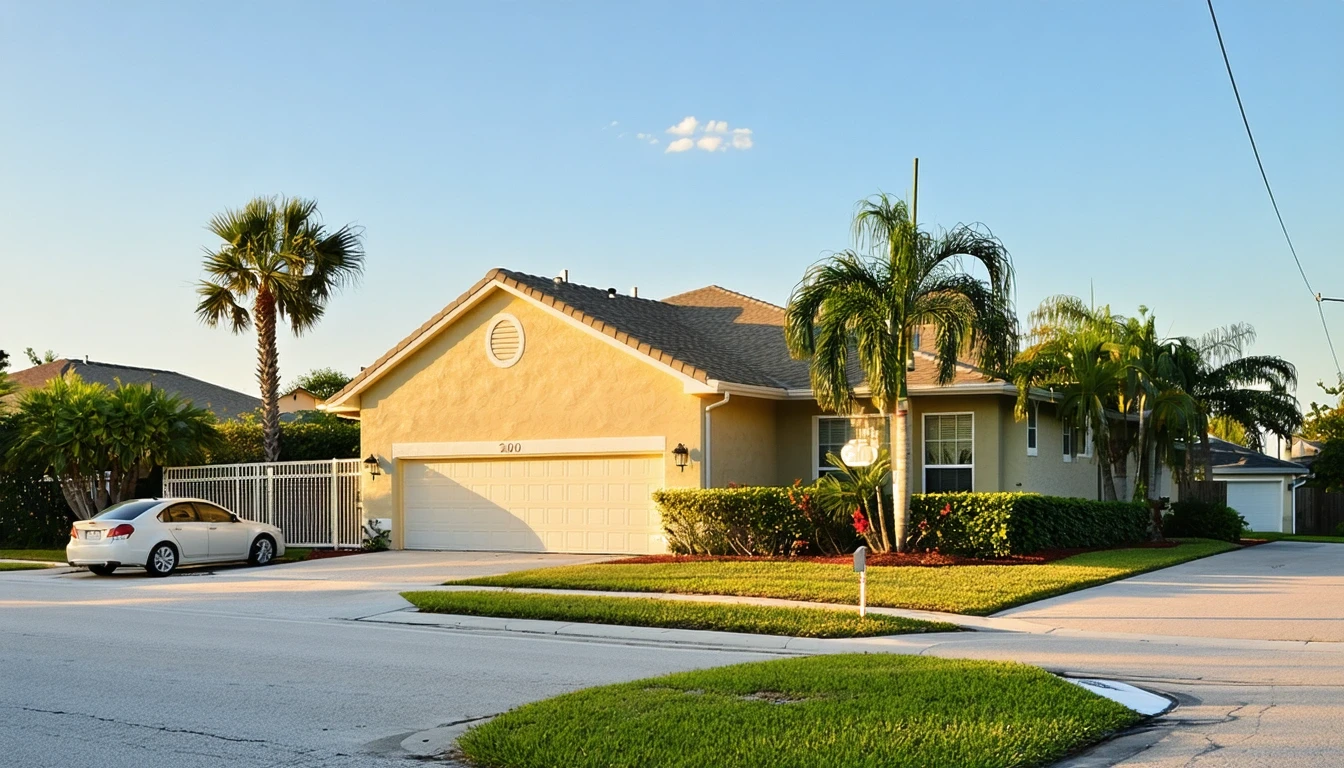
The Housing Market in Orlando Today
Orlando’s housing market is defined by its role as a regional employment hub anchored by tourism, healthcare, and technology sectors. The city’s economy creates steady demand for both rental and ownership housing, but that demand is unevenly distributed across neighborhoods with vastly different infrastructure. Rail transit is present, and walkable pockets exist in select corridors, but much of the metro remains car-dependent. This creates a bifurcated market: areas near transit and mixed-use development command premium rents and home prices, while outlying subdivisions offer lower entry costs but higher transportation and time burdens.
What newcomers often misunderstand is that Orlando’s housing stock varies dramatically in age, condition, and exposure to climate stress. Rapid development over the past two decades means some neighborhoods feature newer construction with modern efficiency standards, while older areas face deferred maintenance, aging HVAC systems, and higher vulnerability to heat and storm damage. Home values and rents reflect this variability, but the long-term cost of ownership—particularly exterior maintenance and cooling—can diverge sharply from initial price signals.
The regional price parity index of 101 suggests costs are close to the national average, but that figure masks the intensity of certain exposures. Subtropical heat drives year-round air conditioning use, and humidity accelerates wear on roofing, siding, and landscaping. For buyers, this means ownership costs extend well beyond the mortgage. For renters, it means landlords pass through some of these costs in the form of higher base rents or utility arrangements that shift volatility onto tenants.
Renting in Orlando
Renting in Orlando offers flexibility and lower upfront costs, but the experience varies sharply by location. At $1,509 per month median gross rent, the city sits near the national baseline, but that figure reflects a wide range of housing types and neighborhood conditions. Renters in transit-accessible corridors—where rail service is present and walkable infrastructure supports daily errands—face higher rents but gain reduced car dependency and shorter commutes. Renters in outlying areas pay less in base rent but absorb higher transportation costs and longer travel times.
Rental pressure in Orlando is shaped by the tourism economy, which creates both employment opportunities and housing demand from seasonal workers, short-term visitors, and investors converting long-term rentals to vacation properties. This dynamic tightens availability in certain submarkets and pushes renters toward newer apartment complexes on the urban fringe, where base rents may be competitive but location costs—gas, commute time, limited errands accessibility—add hidden friction.
Utility arrangements also matter. Many apartment complexes include water and trash in the rent, but electricity is almost always billed separately. In Orlando’s climate, cooling costs dominate year-round, and renters in older buildings or units with poor insulation face higher exposure. Renters should expect electricity bills to fluctuate with seasonal heat intensity, even though the temperature rarely requires heating. This creates a cost structure where base rent is predictable, but total monthly housing expense varies with weather and building efficiency.
Owning a Home in Orlando
Owning a home in Orlando shifts cost exposure from rent volatility to long-term maintenance, taxes, and climate-driven wear. At a median home value of $332,700, entry costs are moderate compared to other Sunbelt metros, but ownership introduces several Orlando-specific risks that renters avoid.
Property taxes are a recurring cost that rises with assessed value, and while the specific rate is not provided here, buyers should expect annual increases tied to both market appreciation and local government budgets. Homeowners associations are common in newer subdivisions and often bundle services like landscaping, stormwater management, and exterior maintenance, but these fees add a fixed monthly cost that persists regardless of home value or usage.
Exterior maintenance is where Orlando’s climate creates the sharpest divergence from national norms. Year-round heat, high humidity, and seasonal storm exposure accelerate roof degradation, paint failure, and landscaping stress. Homeowners face recurring costs for HVAC replacement, roof repairs, and pest control that renters never see. Older homes in particular require vigilant upkeep to avoid compounding damage from deferred maintenance.
Ownership also introduces exposure to insurance costs and flood risk in certain areas. Water features are present throughout the metro, and stormwater infrastructure varies by neighborhood. Buyers in flood-prone zones face higher insurance premiums and potential special assessments for drainage improvements. These costs are difficult to predict at purchase but become unavoidable once ownership begins.
Apartment vs House in Orlando — Cost Behavior Comparison
The table below includes only cost categories that behave differently in Orlando due to local climate, infrastructure, or housing stock characteristics. Omitted categories—such as heating, snow removal, and winterization—are either negligible or not applicable in this market.
| Expense Category | Apartment | House |
|---|---|---|
| Base Rent/Mortgage | $1,509/month median gross rent | Mortgage based on $332,700 median home value |
| Cooling Costs | Lower per-unit exposure; often shared or included in rent; newer buildings may have better efficiency | Full exposure to year-round AC costs; older homes face higher usage and equipment replacement risk |
| Exterior Maintenance | Landlord responsibility; tenant avoids roof, siding, and landscaping costs | Owner bears full cost of roof replacement, paint, pest control, and storm damage repair; climate accelerates wear |
| Mobility Costs | Lower in transit-accessible corridors with rail and walkable errands; higher in car-dependent complexes on urban fringe | Typically higher; most single-family neighborhoods lack transit and walkable infrastructure, requiring car ownership and longer commutes |
Methodology note: This comparison reflects differences driven by Orlando’s subtropical climate, mixed urban form, and variability in housing stock age. Categories were included only where local conditions create meaningful cost divergence between apartments and houses. Generic distinctions that apply equally in all markets were excluded.
Utilities & Upkeep Differences
Utility and maintenance costs in Orlando are shaped by climate intensity and housing age, not just housing type. Cooling dominates energy bills year-round, and the difference between apartments and houses is less about the presence of air conditioning—both require it—and more about building efficiency, insulation quality, and equipment age.
Apartments, especially newer complexes, benefit from shared walls that reduce heat gain and modern HVAC systems that lower per-unit electricity use. Renters in these buildings face moderate cooling costs, though exposure still fluctuates with seasonal heat. Older apartment buildings, particularly those built before modern efficiency standards, can impose cooling costs nearly as high as single-family homes, especially if windows are poorly sealed or insulation is inadequate.
Houses face dominant cooling exposure. Standalone structures absorb heat from all sides, and older homes often have undersized or aging HVAC systems that run continuously during summer months. Roof condition, attic insulation, and window quality all affect cooling efficiency, and homeowners bear the full cost of upgrades. In Orlando’s climate, deferred maintenance on these systems compounds quickly, leading to higher bills and emergency equipment replacement.
Exterior upkeep is another area where climate creates noticeable cost differences. Houses require regular roof inspections, gutter cleaning, and pest control to prevent damage from heat, humidity, and seasonal storms. Landscaping costs are ongoing, and irrigation systems—common in many subdivisions—add both water use and maintenance complexity. Apartments shift these responsibilities to landlords, insulating renters from the volatility and labor burden of exterior care.
Rent vs Buy: Long-Term Exposure in Orlando
The choice between renting and buying in Orlando is not primarily a question of monthly cost equivalence—it’s a question of which risks and responsibilities fit your household’s capacity and timeline. Renting offers predictability in the short term: base rent is fixed by lease, and major maintenance costs are the landlord’s problem. But renters face renewal risk, and in a market shaped by tourism demand and investor activity, rent increases can be sharp and difficult to predict beyond the current lease term.
Ownership introduces different exposures. Monthly mortgage payments are stable if financed at a fixed rate, but property taxes, insurance, and HOA fees rise over time. Maintenance costs are episodic but unavoidable—roofs fail, HVAC systems age out, and storm damage requires immediate repair. In Orlando’s climate, these events are not rare outliers; they are recurring features of homeownership that require financial reserves and planning.
Over time, ownership shifts cost exposure from landlord discretion to market forces and physical depreciation. Buyers gain control over housing stability and the ability to modify their property, but they also absorb the full cost of climate stress, deferred maintenance, and neighborhood change. Renters retain flexibility and avoid capital risk, but they sacrifice control over rent increases and long-term housing security.
The decision hinges on household priorities. Buyers who plan to stay in Orlando for many years, who have reserves for maintenance, and who value control over housing stability may find ownership advantageous despite higher long-term cost exposure. Renters who prioritize flexibility, who lack capital for down payments and repairs, or who are uncertain about long-term employment in the area may find renting a better fit, even if base rent rises over time.
FAQs About Housing Costs in Orlando
How does Orlando’s climate affect homeownership costs?
Orlando’s subtropical heat and humidity create year-round cooling costs and accelerate exterior maintenance needs. Homeowners face recurring expenses for HVAC replacement, roof repairs, and pest control that are more frequent and costly than in temperate climates. Renters avoid these costs directly, though landlords may pass some exposure through higher base rents.
Are there neighborhoods in Orlando where renting is cheaper than owning?
Cost comparison depends on location, housing type, and time horizon. In transit-accessible corridors with walkable infrastructure, renting may offer lower total cost when transportation savings are included. In car-dependent subdivisions, ownership may appear cheaper on a monthly basis, but long-term maintenance and mobility costs can erode that advantage. The decision should account for both housing and location costs, not just rent vs mortgage.
What should renters in Orlando expect when their lease renews?
Renewal increases in Orlando are shaped by tourism demand, investor activity, and neighborhood change. Renters in high-demand corridors near transit or employment centers should expect larger increases than those in outlying areas. Lease terms and landlord policies vary, so renters should budget for volatility and consider negotiating multi-year leases if stability is a priority.
Do most Orlando homes require flood insurance?
Flood insurance requirements depend on location and lender policies. Water features are present throughout the metro, and some neighborhoods have higher flood risk than others. Buyers should verify flood zone status and insurance costs before purchase, as premiums can add significant monthly expense in affected areas.
How does Orlando’s housing market compare to other Florida cities?
Orlando’s median home value of $332,700 and median rent of $1,509 per month sit near the middle of Florida’s major metros. The city offers more transit infrastructure than many Sunbelt peers, with rail service and walkable pockets in select corridors, but much of the metro remains car-dependent. Housing cost exposure is shaped more by location within Orlando than by statewide comparisons.
Making Housing Choices in Orlando
Housing costs in Orlando are shaped by a tourism-driven economy, mixed urban form, and a subtropical climate that creates year-round cooling exposure and accelerated maintenance needs. Renters gain flexibility and avoid exterior upkeep, but face renewal risk and limited control over long-term housing stability. Buyers gain control and fixed mortgage costs, but absorb property taxes, insurance, and recurring climate-driven maintenance that compounds over time.
The city’s infrastructure creates sharp variation in housing cost experience. Households near rail transit and in walkable corridors face higher base housing costs but lower transportation burdens. Households in car-dependent subdivisions pay less upfront but absorb higher mobility costs and longer commutes. Understanding what costs people most in Orlando (and why) requires looking beyond rent and mortgage to the full structure of location, climate, and infrastructure exposure.
For renters, the key question is whether base rent savings in outlying areas offset the cost and time burden of car dependency. For buyers, the key question is whether long-term housing stability justifies the capital risk and maintenance exposure that ownership introduces. Both paths are viable in Orlando, but the fit depends on household priorities, financial reserves, and tolerance for different types of cost volatility. For a broader view of how housing fits into overall expenses, see what a budget has to handle in Orlando.
How this article was built: In addition to public economic data, this article incorporates location-based experiential signals derived from anonymized geographic patterns—such as access density, walkability, and land-use mix—to reflect how day-to-day living actually feels in Orlando, FL.