
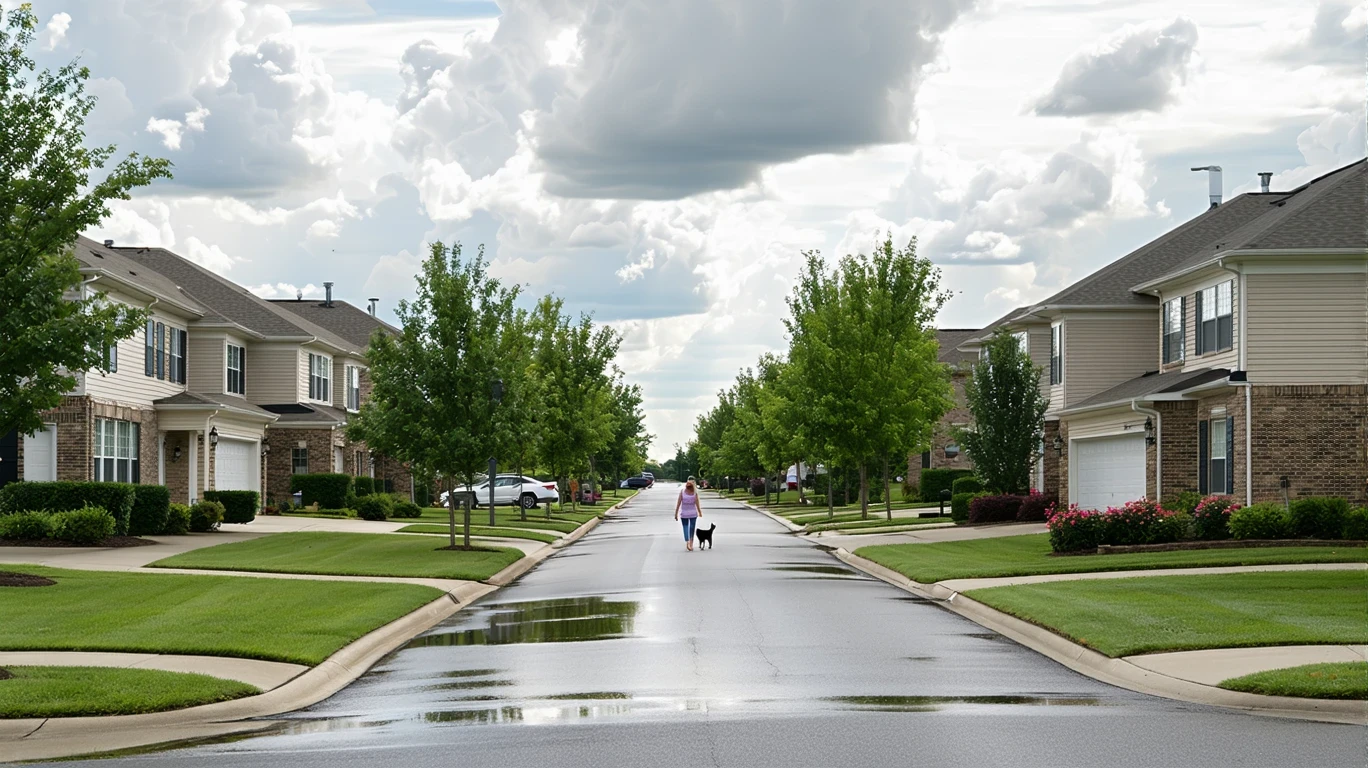
Westfield median home value: $364,400 | Indianapolis median home value: $184,600
Westfield median rent: $1,444/month | Indianapolis median rent: $1,046/month
Westfield gas price: $4.14/gal | Indianapolis gas price: $2.71/gal
Westfield electricity: 16.19¢/kWh | Indianapolis electricity: 17.41¢/kWh
Westfield and Indianapolis sit within the same metro area, yet the financial experience of living in each feels fundamentally different in 2026. Westfield operates as a northern suburban extension—newer housing stock, family-oriented infrastructure, and a layout that assumes car ownership. Indianapolis functions as the regional hub, offering urban density, transit options including rail service, and a housing market with substantially lower entry barriers. The choice between them isn’t about which city costs less overall; it’s about which cost structure aligns with how a household actually lives, works, and moves through daily routines.
For families prioritizing space, newer construction, and predictable suburban rhythms, Westfield’s higher housing costs buy access to a different physical and social environment. For individuals or couples who value walkable neighborhoods, transit flexibility, and lower upfront housing commitments, Indianapolis offers urban infrastructure and accessibility that Westfield simply doesn’t replicate. The decision hinges on whether a household is more exposed to housing entry barriers or ongoing transportation and convenience costs—and whether time spent commuting or managing errands matters more than square footage and yard space.
This comparison explains where cost structure diverges between Westfield and Indianapolis, how those differences show up in monthly obligations, and which households feel the pressure most acutely in each city. It’s not about declaring a winner; it’s about understanding which tradeoffs a household can absorb and which ones create friction that compounds over time.
Housing Costs
Housing represents the starkest structural difference between Westfield and Indianapolis. Westfield’s median home value sits at $364,400, while Indianapolis comes in at $184,600—a gap that fundamentally shapes who can enter each market and what ongoing obligations follow. For renters, the pattern holds: Westfield’s median gross rent reaches $1,444 per month compared to Indianapolis’s $1,046 per month. These aren’t minor variations; they reflect entirely different housing ecosystems built around different assumptions about household income, commute tolerance, and desired living environment.
Westfield’s housing stock skews newer, larger, and oriented toward single-family homeownership. The higher entry cost buys access to recently built homes with modern systems, energy-efficient construction, and layouts designed for families. Mortgage obligations dominate the monthly budget, but utility exposure often runs lower due to better insulation and newer HVAC systems. Property taxes, HOA fees, and maintenance costs layer on top, creating a cost structure that’s front-loaded and predictable but requires substantial income to sustain. For renters in Westfield, the $1,444 median reflects a market with limited apartment inventory and strong demand from households seeking suburban school access and space.
Indianapolis offers a fundamentally different housing experience. The lower median home value opens homeownership to a broader income range, and the rental market provides more variety—older apartments, converted homes, and mixed-use buildings in walkable neighborhoods. The tradeoff comes in the form of older housing stock, which can mean higher utility bills, more frequent maintenance needs, and less predictable repair costs. But the lower entry barrier creates flexibility: households can access urban neighborhoods, test different parts of the city, and avoid locking capital into a single large asset. For renters, the $1,046 median rent reflects a market with more options, more competition, and more variability in quality and location.
| Housing Type | Westfield | Indianapolis |
|---|---|---|
| Median Home Value | $364,400 | $184,600 |
| Median Gross Rent | $1,444/month | $1,046/month |
| Typical Housing Form | Newer single-family, suburban layout | Mixed-age apartments, urban/suburban blend |
| Entry Barrier | High upfront, predictable ongoing | Lower upfront, variable ongoing |
For first-time buyers, Indianapolis provides a more accessible entry point, though the older housing stock requires careful inspection and budgeting for deferred maintenance. Westfield demands higher income and savings but delivers newer construction and lower immediate repair risk. Renters face a similar calculus: Indianapolis offers more neighborhood variety and lower monthly obligations, while Westfield provides newer units and suburban amenities at a premium. Families prioritizing space and school access gravitate toward Westfield’s housing model; individuals and couples seeking urban flexibility and lower financial commitment find Indianapolis more accommodating.
Housing takeaway: Westfield’s housing market is structured for higher-income households willing to absorb substantial upfront costs in exchange for newer construction, suburban space, and predictable ongoing expenses. Indianapolis serves households prioritizing lower entry barriers, neighborhood flexibility, and tolerance for older housing stock with more variable maintenance needs. The difference isn’t about affordability in the abstract—it’s about which cost structure a household can sustain and whether the tradeoff between entry barrier and ongoing exposure aligns with income stability and lifestyle priorities.
Utilities and Energy Costs
Utility cost exposure in Westfield and Indianapolis follows opposing patterns: Westfield benefits from lower rates but larger homes, while Indianapolis faces higher rates but smaller, often older housing stock. Westfield’s electricity rate sits at 16.19¢/kWh compared to Indianapolis’s 17.41¢/kWh. Natural gas shows a similar spread, with Westfield at $10.03/MCF and Indianapolis at $11.31/MCF. These rate differences matter, but they don’t tell the full story—home size, construction age, and heating/cooling demands determine how much a household actually pays each month.
Westfield’s newer housing stock typically includes better insulation, modern HVAC systems, and energy-efficient windows, which reduce the intensity of heating and cooling needs despite larger square footage. Families living in 2,500-square-foot homes still face higher absolute usage than apartment dwellers, but the cost per square foot often runs lower due to construction quality. Summers in central Indiana bring heat and humidity that drive air conditioning use; winters require steady heating through cold stretches. Westfield households in single-family homes experience more pronounced seasonal swings, but the lower electricity rate provides some cushion. Utility bills remain predictable month-to-month within each season, though the jump from spring to summer or fall to winter can be sharp.
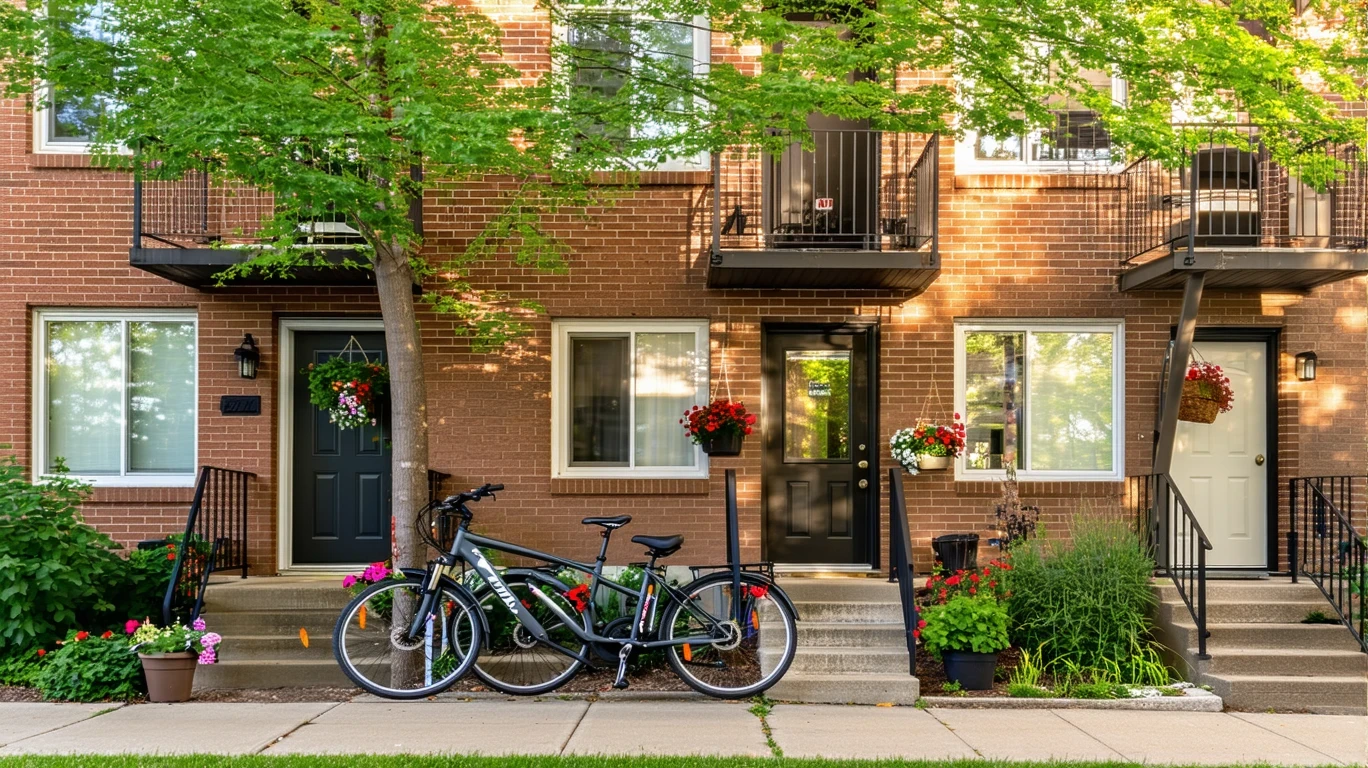
Indianapolis households face higher utility rates but often live in smaller spaces—apartments, townhomes, or older single-family homes with less square footage to heat and cool. The higher electricity rate of 17.41¢/kWh compounds when older construction lacks modern insulation or efficient systems. An older apartment with single-pane windows and an aging furnace can see utility costs spike during temperature extremes, creating volatility that’s harder to predict or control. The urban density of Indianapolis also means some renters have utilities included in rent, which shifts the exposure entirely but often results in higher base rent to cover landlord risk. For those paying utilities directly, the combination of higher rates and older housing stock creates more month-to-month variability.
Household size and housing type drive the utility experience more than the rate differential alone. Single adults or couples in Indianapolis apartments may see lower absolute bills despite higher rates, simply because they’re heating and cooling 800 square feet instead of 2,000. Families in Westfield’s larger homes face higher usage but benefit from lower rates and better construction efficiency. The wildcard is housing age: a newer Indianapolis apartment can outperform an older Westfield home on efficiency, but the median housing stock in Westfield skews newer overall. Households in either city can reduce exposure through programmable thermostats, strategic use of ceiling fans, and seasonal adjustments, but the baseline structure—rate, home size, and construction quality—sets the floor.
Utility takeaway: Westfield households experience more predictable utility costs due to lower rates and newer construction, but larger home sizes mean higher absolute usage during heating and cooling seasons. Indianapolis households face higher rates and more volatility, especially in older housing stock, but smaller living spaces can offset the rate disadvantage. Families in single-family homes feel utility pressure more acutely in both cities; individuals and couples in apartments gain the most from Indianapolis’s smaller unit sizes despite the rate penalty. The primary difference is predictability versus exposure: Westfield offers steadier costs within a higher usage baseline, while Indianapolis introduces more variability tied to housing age and efficiency.
Groceries and Daily Expenses
Grocery and daily spending pressure in Westfield and Indianapolis diverges along access patterns and shopping infrastructure rather than dramatic price differences. Both cities sit within the same regional market, so staple grocery prices at major chains remain similar. The meaningful difference lies in how households navigate errands, whether convenience spending creeps into the budget, and how much time and fuel it takes to access lower-cost options. Westfield’s suburban layout clusters grocery stores along commercial corridors, while Indianapolis offers broader accessibility with food and grocery options distributed more evenly across neighborhoods.
Westfield households typically rely on a handful of large-format grocery stores and big-box retailers concentrated in commercial zones. This setup works well for families doing weekly bulk shopping trips, but it creates friction for quick errands or last-minute needs. The car becomes non-negotiable, and the distance between home and store means every forgotten item or midweek restock adds drive time and fuel cost. Dining out options exist but tend toward chain restaurants and family-oriented establishments rather than dense concentrations of quick-service or ethnic food options. Convenience spending—grabbing coffee, picking up prepared meals, running to the pharmacy—requires intentional trips rather than walkable detours, which can reduce impulse spending but also increases the time cost of managing a household.
Indianapolis provides more granular access to groceries and daily needs. Neighborhoods with higher food and grocery density mean shorter trips, more walkable options, and greater variety in store formats—discount grocers, ethnic markets, corner stores, and specialty shops alongside traditional supermarkets. This accessibility reduces the planning burden for smaller households and makes it easier to comparison shop or take advantage of sales. The tradeoff is that convenience can encourage more frequent trips and incremental spending: stopping for takeout, grabbing a coffee, picking up a few items at a premium corner store instead of driving to a discount chain. For households with tight budgets, Indianapolis’s accessibility can either enable smarter shopping or introduce spending creep depending on discipline and routine.
Household size shapes how grocery infrastructure affects costs. Families benefit from Westfield’s big-box access and bulk-friendly layouts, where a single weekly trip can cover most needs efficiently. Single adults and couples in Indianapolis gain more from neighborhood grocery access, where smaller trips and walkable errands reduce car dependency and time spent on logistics. Dining out frequency follows a similar pattern: Indianapolis’s denser restaurant options make it easier to substitute prepared food for home cooking, which can either save time or inflate the food budget depending on habits. Westfield’s more limited dining density encourages home cooking by default, which benefits households with time to plan and prepare meals but creates friction for those juggling work and family schedules.
Grocery and daily expenses takeaway: Westfield’s corridor-clustered grocery infrastructure favors families doing planned, bulk shopping trips but increases the time and fuel cost of quick errands. Indianapolis’s broader food accessibility reduces friction for smaller households and enables more flexible shopping patterns, but convenience can introduce spending creep if not managed intentionally. The primary difference is access friction versus spending discipline: Westfield imposes more logistical planning but limits impulse spending, while Indianapolis offers convenience that can either streamline budgets or quietly inflate them depending on household habits.
Taxes and Fees
Tax and fee structures in Westfield and Indianapolis reflect their different municipal priorities and revenue models, though both cities operate within Indiana’s relatively low-tax framework. Property taxes represent the most visible difference, driven almost entirely by the gap in median home values rather than dramatically different millage rates. Westfield homeowners pay taxes on a $364,400 median home value, while Indianapolis homeowners pay on a $184,600 median value. Even with similar assessment and rate structures, the absolute dollar difference in annual property tax bills creates a meaningful ongoing obligation gap that compounds over years of ownership.
Westfield’s suburban infrastructure often includes HOA fees, especially in newer developments built around shared amenities—pools, parks, landscaping, and sometimes trash collection or snow removal. These fees add predictability (services are bundled and managed) but also create a fixed monthly cost that doesn’t fluctuate with usage. For families who value maintained common areas and don’t want to manage yard work or exterior upkeep, HOA fees can feel like a reasonable tradeoff. For households on tighter budgets or those who prefer control over maintenance spending, HOAs represent an inflexible obligation that layers on top of mortgage and property tax payments.
Indianapolis homeowners and renters encounter fewer HOA-driven costs but face more variability in municipal fees. Trash collection, water, sewer, and stormwater fees are typically billed separately, and costs can vary by neighborhood and service provider. Older neighborhoods may have aging infrastructure that requires periodic special assessments or rate increases to fund repairs. Renters in Indianapolis often see these costs passed through in rent or billed separately, which can create unpredictability if landlords adjust fees mid-lease or if municipal rates change. The lack of HOA fees provides more flexibility, but it also shifts responsibility for maintenance and services directly to the homeowner or landlord, which can introduce deferred costs or unexpected repair bills.
Sales tax rates in Indiana remain consistent across municipalities, so neither city gains an advantage on consumption taxes. The meaningful difference lies in how property taxes and fees interact with housing tenure. Westfield homeowners planning to stay long-term absorb higher property taxes as a stable, predictable cost tied to a valuable asset. Indianapolis homeowners gain lower property tax exposure but may face more variability in municipal fees and infrastructure assessments. Renters in both cities avoid direct property tax bills but experience those costs indirectly through rent levels—Westfield’s higher rents partially reflect landlords passing through higher property taxes and HOA fees, while Indianapolis rents reflect lower property tax burdens but potentially higher maintenance and fee volatility.
Taxes and fees takeaway: Westfield homeowners face higher absolute property tax bills due to elevated home values, plus frequent HOA fees that bundle services but reduce flexibility. Indianapolis homeowners benefit from lower property tax exposure but encounter more variability in municipal fees and potential infrastructure assessments. Renters in Westfield pay indirectly through higher rents that reflect landlord tax and HOA costs; Indianapolis renters see lower base rents but may face more fee pass-throughs or mid-lease adjustments. The primary difference is predictability versus magnitude: Westfield imposes higher fixed costs with clear structure, while Indianapolis offers lower baseline obligations with more potential for variability.
Transportation and Commute Reality
Transportation costs and commute patterns separate Westfield and Indianapolis more sharply than any other category. Westfield’s suburban layout assumes car ownership and daily driving; Indianapolis offers rail transit, denser bus service, and neighborhoods where walking or biking can handle daily errands. The gas price gap—$4.14/gallon in Westfield versus $2.71/gallon in Indianapolis—compounds the structural difference. Westfield households not only drive more miles due to suburban sprawl, but they also pay significantly more per gallon, creating a double exposure that affects every trip.
Westfield’s infrastructure reflects its role as a commuter suburb. Residents typically drive to work, drive to groceries, drive to schools and activities. The pedestrian-to-road ratio exceeds high thresholds in certain pockets, and bike infrastructure is notably present, but these features serve recreational use more than daily transportation. Commuting into Indianapolis for work—a common pattern—adds mileage, time, and fuel costs that accumulate rapidly. A household making that drive five days a week faces not just the higher gas price but also wear on vehicles, time spent in traffic, and limited flexibility if work schedules shift or childcare needs arise. The car becomes a non-negotiable fixed cost: insurance, maintenance, registration, and fuel all stack into a baseline transportation obligation that doesn’t flex downward easily.
Indianapolis provides structural alternatives that reduce car dependency for households willing to live near transit corridors or in walkable neighborhoods. Rail service exists, bus stops are present throughout the city, and the pedestrian-to-road ratio supports walking in many areas. Food and grocery density exceeds high thresholds, meaning daily errands don’t always require a car. For single adults or couples living near downtown or along transit lines, it’s feasible to own one car instead of two, or in some cases, rely on transit and occasional rideshare for most needs. The lower gas price of $2.71/gallon further reduces the cost of driving when it’s necessary, making Indianapolis more forgiving for households that still depend on cars but drive fewer miles or can consolidate trips more efficiently.
Commute time and flexibility matter as much as fuel costs. Westfield households often trade longer commutes for suburban space and school access, but that tradeoff means less time at home, more scheduling rigidity, and higher exposure to traffic delays or vehicle breakdowns. Indianapolis households closer to employment centers or transit hubs gain time flexibility, which can translate into better work-life balance, easier childcare logistics, or the ability to take on side work or education without compounding commute stress. The time cost of transportation isn’t purely financial, but it shapes household capacity to manage other obligations and opportunities.
Transportation takeaway: Westfield households face higher transportation costs due to suburban car dependency and a gas price that runs $1.43/gallon above Indianapolis. The infrastructure assumes daily driving for work, errands, and activities, creating a fixed cost baseline that’s difficult to reduce. Indianapolis offers rail transit, denser bus service, and walkable neighborhoods that allow some households to reduce car dependency or eliminate a second vehicle. The lower gas price further softens transportation costs for those who still drive. Families in Westfield absorb transportation costs as part of the suburban tradeoff; individuals and couples in Indianapolis gain the most from transit access and reduced driving needs.
Cost Structure Comparison
Housing pressure dominates the cost experience in Westfield, where the median home value and median rent both run substantially higher than Indianapolis. Homeownership in Westfield requires not just higher income but also significant savings for down payments and closing costs, plus the capacity to sustain property taxes and HOA fees on a more expensive asset. Renters face a similar barrier: the $1,444 median rent reflects a market built for higher-income households, with limited inventory for those seeking lower-cost options. Indianapolis flips this dynamic, offering a median home value and rent level that opens access to a broader income range. The tradeoff is older housing stock and more variability in quality, but the lower entry barrier creates flexibility for households testing neighborhoods, building savings, or managing income volatility.
Utilities introduce more volatility in Indianapolis due to higher electricity and natural gas rates combined with older housing stock that often lacks modern insulation and efficient systems. Westfield households benefit from lower rates and newer construction, which together create more predictable seasonal costs despite larger home sizes. The difference matters most for families in single-family homes, where heating and cooling a larger space amplifies rate exposure. Smaller households in Indianapolis apartments may see lower absolute bills due to reduced square footage, but the higher rates still create sharper swings during temperature extremes. Westfield’s utility structure rewards households who can afford larger, newer homes; Indianapolis penalizes those stuck in older, less efficient units.
Transportation patterns matter more in Westfield, where suburban infrastructure assumes car ownership and daily driving. The higher gas price compounds the mileage burden, creating a fixed cost baseline that’s difficult to reduce without relocating closer to work or changing jobs entirely. Indianapolis households gain flexibility through transit access and walkable neighborhoods, which allow some to reduce car dependency or eliminate a second vehicle. The lower gas price further softens costs for those who still drive. For households sensitive to transportation exposure—whether due to long commutes, multiple drivers, or tight budgets—Indianapolis provides structural relief that Westfield simply doesn’t offer.
Daily living and grocery costs follow access patterns more than price differences. Westfield’s corridor-clustered grocery infrastructure works well for planned bulk shopping but increases the time and fuel cost of quick errands. Indianapolis’s broader food accessibility reduces friction for smaller households and enables more flexible shopping, though convenience can introduce spending creep if not managed intentionally. Families benefit from Westfield’s big-box access; individuals and couples gain more from Indianapolis’s neighborhood density and walkable options.
The better choice depends on which costs dominate the household. For families prioritizing space, newer construction, and predictable suburban rhythms, Westfield’s higher housing costs buy access to an environment that aligns with those values—even if it means absorbing transportation exposure and limited flexibility. For households sensitive to housing entry barriers, transit access, or the need for neighborhood variety, Indianapolis offers lower upfront costs and more structural options to reduce car dependency and manage daily logistics. The decision is less about price and more about predictability: Westfield imposes higher fixed costs with clear structure, while Indianapolis offers lower baseline obligations with more potential for variability and more tools to manage exposure through location and lifestyle choices.
How the Same Income Feels in Westfield vs Indianapolis
Single Adult
Housing becomes the first non-negotiable cost, and the rent differential creates entirely different starting points. Westfield’s median rent consumes a larger share of gross monthly income, leaving less room for transportation, utilities, and discretionary spending. Indianapolis offers lower rent and the option to live near transit or in walkable neighborhoods, which reduces car dependency and opens flexibility for saving or managing irregular income. Commute friction matters more in Westfield, where suburban layout assumes daily driving and limits the ability to reduce transportation costs. Indianapolis provides structural options—transit, bike infrastructure, walkable errands—that allow a single adult to control exposure and adjust spending based on income stability.
Dual-Income Couple
The tradeoff shifts toward housing form and lifestyle priorities. Westfield’s higher housing costs buy space and predictability, which matters more if the couple plans to start a family or values suburban quiet and newer construction. Indianapolis offers lower housing entry and more neighborhood variety, which creates flexibility to test different parts of the city, live closer to work, or allocate income toward travel, dining, or savings. Transportation exposure depends on commute patterns: if both partners work in Indianapolis, living in the city reduces drive time and fuel costs; if one commutes from Westfield, the higher gas price and longer drive compound quickly. Utility costs feel more predictable in Westfield’s newer housing stock, while Indianapolis introduces more variability but also more control through smaller living spaces and location choice.
Family with Kids
Housing space and school access become non-negotiable, which tilts the calculus toward Westfield’s suburban infrastructure and family-oriented layout. The higher home value and rent reflect a market built around families, but the cost pressure is front-loaded and ongoing—mortgage or rent, property taxes, HOA fees, and utilities on a larger home all stack into a fixed baseline that requires stable, higher income. Indianapolis offers lower housing entry and more neighborhood variety, but families prioritize space and school quality, which limits location flexibility and often pushes them toward higher-cost neighborhoods within the city. Transportation costs hit harder in Westfield due to suburban car dependency and higher gas prices, especially for families managing multiple activities, school runs, and work commutes. Time cost matters as much as cash cost: Westfield’s layout assumes more driving and planning, while Indianapolis’s denser infrastructure can reduce errands friction for families living in the right neighborhoods.
Decision Matrix: Which City Fits Which Household?
| Decision factor | If you’re sensitive to this… | Westfield tends to fit when… | Indianapolis tends to fit when… |
|---|---|---|---|
| Housing entry + space needs | You need predictable costs and can absorb higher upfront obligations | You prioritize newer construction, suburban space, and family-oriented infrastructure over entry flexibility | You need lower entry barriers, neighborhood variety, and tolerance for older housing stock with variable maintenance |
| Transportation dependence + commute friction | You want to reduce car dependency or avoid long commutes | You accept daily driving, higher gas prices, and suburban layout as part of the space tradeoff | You value transit access, walkable neighborhoods, and the option to reduce or eliminate a second vehicle |
| Utility variability + home size exposure | You want predictable seasonal costs and efficient construction | You benefit from lower rates and newer housing stock despite larger square footage | You can manage higher rates and older construction through smaller living spaces and location choice |
| Grocery strategy + convenience spending creep | You want to control impulse spending and plan bulk shopping | You prefer corridor-clustered big-box access and can absorb the time cost of planned trips | You value neighborhood grocery density and walkable errands that reduce friction but require spending discipline |
| Fees + friction costs (HOA, services, upkeep) | You want bundled services and predictable obligations | You accept HOA fees and higher property taxes in exchange for maintained amenities and clear structure | You prefer lower baseline fees and more control over maintenance spending despite potential variability |
| Time budget (schedule flexibility, errands, logistics) | You need to minimize commute time and errands friction | You can absorb longer drives and more planning in exchange for suburban space and family infrastructure | You gain from denser infrastructure that reduces drive time and enables flexible errands without dedicated trips |
Lifestyle Fit
Westfield and Indianapolis offer fundamentally different daily experiences shaped by infrastructure, density, and pace. Westfield functions as a family-oriented suburb with newer housing developments, parks, and recreational amenities designed around car-based access. The layout encourages a planned, routine-driven lifestyle: weekly grocery trips, scheduled activities, and predictable commutes. Walkable pockets exist, and bike infrastructure is notably present, but these features serve recreational use more than daily transportation. Families value the space, the newer construction, and the suburban quiet, but the tradeoff is longer drives, more time spent managing logistics, and limited spontaneity in how the day unfolds.
Indianapolis provides urban density and neighborhood variety that create more flexibility in how households structure their time. Rail transit, denser bus service, and walkable neighborhoods mean errands and commutes don’t always require a car. Parks are integrated throughout the city, and the more vertical urban form supports mixed-use neighborhoods where residential, commercial, and recreational spaces sit closer together. This infrastructure reduces the time cost of daily living for households who live near transit or in walkable areas, but it also introduces more variability in housing quality, noise, and neighborhood character. Individuals and couples gain the most from Indianapolis’s urban amenities; families prioritizing space and school access often find themselves drawn to suburban-style neighborhoods within the city that offer fewer of the walkability and transit benefits.
Recreation and culture follow similar patterns. Westfield’s parks and outdoor spaces cater to families and organized activities—playgrounds, sports fields, trails designed for weekend use. Indianapolis offers a broader range of cultural amenities, dining options, and entertainment venues concentrated in denser neighborhoods, which makes spontaneous outings easier but also introduces more temptation for discretionary spending. The lifestyle fit depends on whether a household values predictability and space over variety and access, and whether the time cost of suburban logistics feels manageable or burdensome given work schedules and family obligations.
Westfield’s hospital presence provides local access to emergency and routine medical care, reducing the need to travel into Indianapolis for basic healthcare needs. Indianapolis’s integrated park density and water features create more opportunities for outdoor recreation within walking or biking distance of residential neighborhoods.
Frequently Asked Questions
Is Westfield or Indianapolis cheaper for renters in 2026?
Indianapolis offers lower median rent at $1,046 per month compared to Westfield’s $1,444 per month, which creates a more accessible entry point for renters. The difference reflects Westfield’s suburban, family-oriented housing market with limited apartment inventory versus Indianapolis’s broader rental variety