
A mid-size household in Westfield can see electric bills spike to $160 or more during peak summer months—nearly triple what they pay in spring. That kind of seasonal swing catches newcomers off guard, especially when combined with winter heating costs that can add another $100 or more in the coldest months. Understanding how utilities behave in Westfield means recognizing that your monthly bill isn’t a fixed line item—it’s a variable expense shaped by weather, home efficiency, and how you use energy throughout the year.
Understanding Utilities in Westfield
When people think about the cost of living in Westfield, housing usually comes to mind first. But utilities—electricity, natural gas, water, trash, and recycling—typically rank as the second-largest monthly expense for most households. Unlike rent or a mortgage, which stay predictable month to month, utility costs fluctuate with the seasons, your habits, and the efficiency of your home. That variability makes them harder to budget for, but also easier to control once you understand what’s driving the charges.
In Westfield, utilities follow a familiar Midwest pattern: cooling dominates summer bills, heating takes over in winter, and water and trash fees provide a steady baseline year-round. For renters, some apartments bundle water, trash, or even gas into the lease, which simplifies budgeting but can mask the true cost. For homeowners, every utility arrives as a separate bill, and the responsibility for managing usage—and the savings that come with efficiency—falls entirely on you. Knowing what to expect before you move in helps you avoid surprises and gives you a clearer picture of what your household will actually spend.
Westfield sits in a climate zone where both air conditioning and heating see heavy use. Summer heat and humidity push cooling systems hard, while winter cold demands consistent heating, often fueled by natural gas. That dual exposure means households here face cost pressure from two directions, and the months when both are low—spring and fall—offer a brief window of relief. For families moving from milder climates, the seasonal swings can feel more pronounced than expected, making it important to plan for peaks, not just averages.
Utilities at a Glance in Westfield
The table below shows how core utility costs typically behave for a mid-size household in a single-family home in Westfield. Where city-level prices are available in the data feed, they are shown directly. When exact figures are not provided, categories are described qualitatively to reflect how costs are structured and what drives variability.
| Utility | Cost Structure |
|---|---|
| Electricity | 16.19¢/kWh; usage-sensitive, seasonal exposure |
| Water | Tiered pricing; usage-dependent |
| Natural Gas | $10.03/MCF; winter-driven, heating-dependent |
| Trash & Recycling | Often bundled with water or HOA |
| Total | Seasonal variability driven by electricity and heating |
This table reflects utility cost structure for a mid-size household in a single-family home in Westfield during 2026. Where exact figures are not provided in the IndexYard data feed, categories are described directionally to reflect how costs behave rather than a receipt-accurate total.
Electricity is typically the most exposure-sensitive utility in Westfield, driven more by climate and home efficiency than by base rates. At 16.19¢ per kilowatt-hour, the rate itself sits near the national average, but what matters more is how much you use. A home running central air conditioning through July and August can easily consume 1,500 to 2,000 kWh in a single month, while the same house might use only 600 kWh in April. That difference—driven entirely by cooling demand—explains why summer bills can feel like a different expense category altogether.
Water costs in Westfield typically follow tiered pricing, meaning the more you use, the higher the per-unit rate climbs. For most households, water bills stay relatively stable unless you’re filling a pool, watering a large lawn, or running appliances heavily. Because water is often billed together with trash and sometimes sewer fees, the line items can blur, but the usage-driven portion remains the variable you control. Reducing outdoor watering or fixing leaks can bring noticeable relief, especially during drier summer months.
Natural gas heats most homes in Westfield, and winter is when it shows up in force. Priced at $10.03 per thousand cubic feet (MCF), gas costs stay low in summer—often under $20 a month for basic water heating and cooking—but climb sharply once the furnace kicks on in November. A cold January can push gas usage well above typical levels, and homes with older furnaces or poor insulation feel that spike more acutely. Unlike electricity, which spreads its impact across the year, natural gas concentrates its cost in a narrow four- to five-month window.
Trash and recycling fees in Westfield are often bundled with water bills or covered by homeowners association dues, depending on where you live. When billed separately, costs tend to be flat and predictable—usually in the range of $15 to $25 per month. For renters, trash service is almost always included in the lease, which removes one variable from the monthly budget. It’s a minor line item compared to electricity or gas, but it’s worth confirming how it’s billed before you sign a lease or close on a home.
How Weather Impacts Utilities in Westfield
Westfield’s climate sits squarely in the Midwest pattern: hot, humid summers and cold, snowy winters. That means households face two distinct cost peaks each year, with spring and fall offering brief periods of lower usage. Summer cooling can drive electric bills to their highest point, especially during stretches of heat and humidity when air conditioners run nearly nonstop. A typical July might see daytime highs in the upper 80s or low 90s, with humidity making it feel even warmer—conditions that push cooling systems hard and keep them running long after the sun goes down.
Winter heating, fueled primarily by natural gas, creates the second major cost surge. When temperatures drop into the teens or lower—common during January and February—furnaces cycle frequently to maintain indoor comfort. Homes with poor insulation, older windows, or drafty basements feel the impact more sharply, as heating systems work harder to compensate for heat loss. Unlike summer, when you can sometimes open windows or rely on fans, winter offers fewer low-cost alternatives, making heating a non-negotiable expense for most of the season.
Many Westfield households experience noticeably higher electric bills during peak summer compared to spring, and the same pattern repeats in reverse for natural gas in winter versus fall. The shoulder seasons—April, May, September, and October—offer the most predictable and lowest utility costs, as neither heating nor cooling dominates. For budgeting purposes, it’s helpful to think of utilities in Westfield as having two expensive seasons and two affordable ones, rather than a single average that holds steady year-round.
How to Save on Utilities in Westfield
Reducing utility costs in Westfield starts with understanding which expenses you can control and which are driven by external factors like weather or home construction. The biggest opportunities for savings come from managing electricity and natural gas usage, since those two categories account for the majority of seasonal swings. Small changes—adjusting thermostat settings, sealing air leaks, or upgrading to energy-efficient appliances—can reduce exposure without requiring major upfront investment. For homeowners, longer-term improvements like adding insulation or replacing an aging HVAC system can deliver even larger reductions over time.
Many utility providers in Indiana offer programs designed to help customers lower their bills, and it’s worth checking whether your provider in Westfield participates. Options may include:
- Off-peak billing programs that reward shifting energy use to times when demand is lower
- Budget billing plans that average your annual costs into equal monthly payments, smoothing out seasonal peaks
- Rebates for energy-efficient appliances, including air conditioners, furnaces, and water heaters
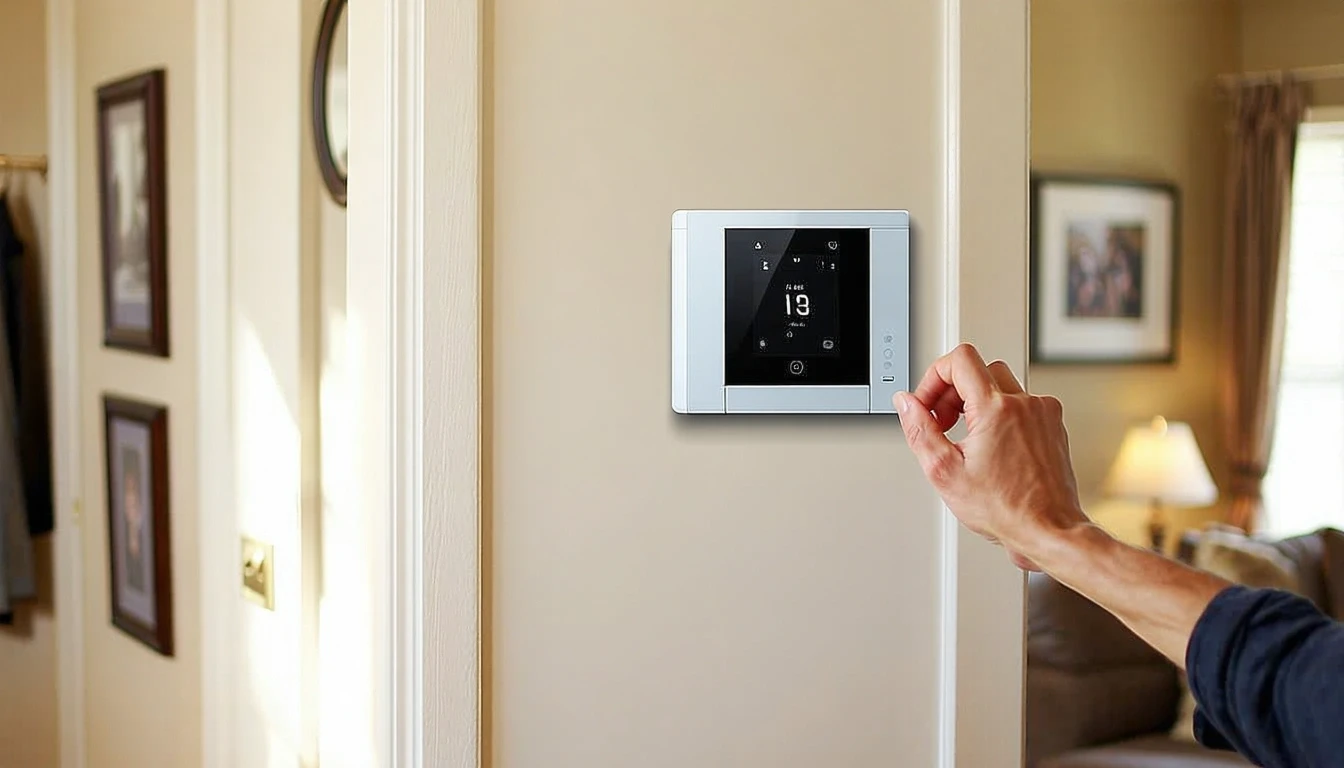
- Smart thermostat incentives that reduce heating and cooling costs by optimizing temperature settings automatically
- Solar panel incentives at the state or federal level, which can offset electricity costs over the long term
- Home energy audits, sometimes offered for free or at low cost, to identify where your home is losing energy
🏆 Tip: Check if your provider in Westfield offers rebates for energy-efficient AC units or heating systems. These programs can reduce the upfront cost of upgrades that pay off through lower monthly bills for years to come.
Beyond provider programs, simple behavioral changes can make a measurable difference. Setting your thermostat a few degrees higher in summer and lower in winter reduces runtime without sacrificing comfort. Closing blinds during the hottest part of the day keeps heat out, while opening them in winter lets sunlight warm your home naturally. Running dishwashers and laundry machines during off-peak hours, if your provider offers time-of-use rates, shifts usage to cheaper periods. And because Westfield’s walkable pockets and mixed land-use areas make some errands accessible on foot or by bike, households in those neighborhoods can reduce driving—and the associated fuel costs—more easily than in car-dependent suburbs.
FAQs About Utility Costs in Westfield
Why are utility bills so high in Westfield during summer and winter?
Westfield’s climate creates dual cost peaks: summer heat and humidity drive heavy air conditioning use, while winter cold demands consistent heating, usually fueled by natural gas. Homes with older HVAC systems or poor insulation feel these swings more sharply, as equipment works harder to maintain indoor comfort during temperature extremes.
What is the average monthly electric bill for an apartment in Westfield compared to a single-family home?
Apartments typically see lower electric bills because they have less square footage to cool or heat, and shared walls reduce heat loss in winter. A single-family home in Westfield, especially one with central air and a full basement, will generally use significantly more electricity during peak seasons, though the gap narrows in spring and fall when neither heating nor cooling dominates.
Do HOAs in Westfield usually include trash or water in their fees?
Many homeowners associations in Westfield do bundle trash and sometimes water into monthly dues, which simplifies billing and removes those variables from your budget. It’s worth confirming exactly what’s included before purchasing in an HOA-governed neighborhood, as coverage varies widely depending on the development and its age.
How do water costs in Westfield compare to nearby suburbs?
Water pricing in Westfield follows tiered usage structures similar to other communities in the Indianapolis metro area, meaning costs rise as consumption increases. While base rates may differ slightly between municipalities, the bigger driver of your bill will be how much water your household uses—especially for outdoor irrigation during dry summer months—rather than small differences in per-unit pricing.
Do utility providers in Westfield offer budget billing or equalized payment plans?
Yes, many providers in Indiana offer budget billing, which averages your annual utility costs into equal monthly payments. This smooths out the seasonal peaks and valleys, making it easier to plan your monthly budget in Westfield without worrying about a surprise $200 electric bill in July or a $150 gas bill in January. It doesn’t reduce your total cost, but it does reduce volatility.
How Utilities Fit Into the Cost Structure in Westfield
Utilities in Westfield function as a cost driver and a volatility factor, not a fixed line item. Electricity and natural gas create the largest swings, with summer cooling and winter heating pushing bills well above their spring and fall baselines. Water and trash fees provide a steadier foundation, but they’re smaller in scale and less sensitive to household behavior. Together, these categories represent a significant share of monthly expenses, but they’re also among the most controllable—especially for homeowners willing to invest in efficiency upgrades or adjust usage patterns to match seasonal demand.
For households trying to understand where their money goes each month, utilities sit between housing and transportation in terms of both cost and predictability. Unlike rent or a mortgage, which stay constant, and unlike groceries, which fluctuate based on choice, utilities respond to both external conditions (weather, rate changes) and internal decisions (thermostat settings, appliance efficiency). That dual nature makes them harder to budget for than fixed expenses but easier to influence than costs tied to location or commute distance.
If you’re planning a move to Westfield or trying to refine your household budget, it’s worth mapping out how utilities interact with your other major expenses. A home with lower rent but high heating costs might not save you as much as it appears on paper, while a slightly more expensive place with newer windows and efficient HVAC could deliver lower total monthly costs once utilities are factored in. For a fuller picture of how all these pieces fit together—including housing, transportation, groceries, and discretionary spending—explore the broader cost structure guides available for Westfield. Understanding utilities in isolation helps, but seeing how they connect to the rest of your budget makes the difference between guessing and planning with confidence.
How this article was built: In addition to public economic data, this article incorporates location-based experiential signals derived from anonymized geographic patterns—such as access density, walkability, and land-use mix—to reflect how day-to-day living actually feels in Westfield, IN.
—