
‘We moved to Santa Clara for the schools, but stayed for the neighbors.’
That’s the kind of thing you hear often in Santa Clara—a city where the infrastructure works, the parks are plentiful, and the grocery stores are never far. But beneath that functional ease sits a tension that shapes how people feel about living here: this is a place that delivers convenience and stability at a premium price, and whether that tradeoff feels worth it depends entirely on what you came looking for.
Santa Clara sits in the heart of Silicon Valley, surrounded by tech campuses, commuter corridors, and neighboring cities with their own identities. It’s not a sleepy bedroom community, but it’s not a bustling urban center either. What it offers is something in between: a low-rise, walkable-in-pockets suburban landscape with strong family infrastructure, accessible errands, and rail transit that makes car-optional life possible for some. The emotional experience of living here hinges on whether you value that kind of structured, amenity-rich environment—or whether you find it limiting.
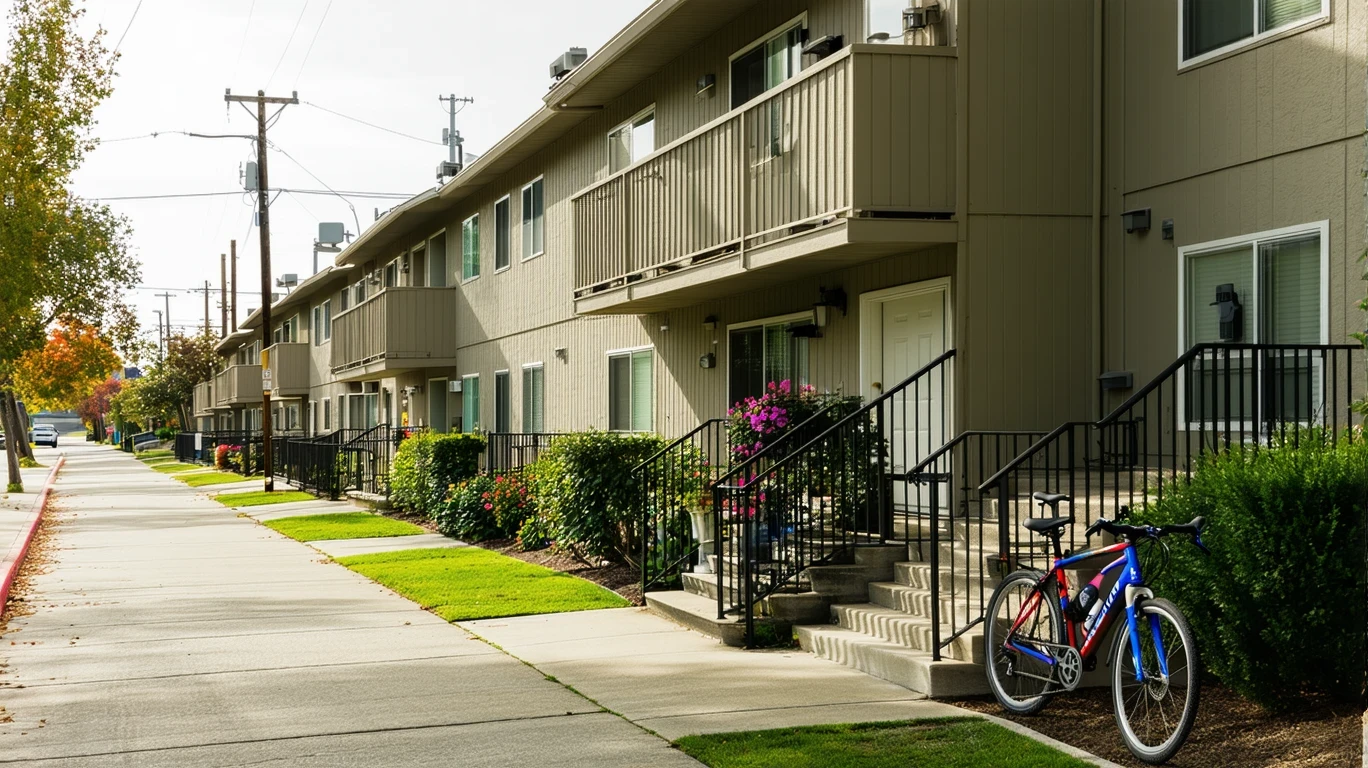
What It Feels Like to Live in Santa Clara
Santa Clara tends to feel rewarding for people who prioritize function over flair. The city has high park density, water features woven into the landscape, and schools and playgrounds that exceed density thresholds. Errands are broadly accessible—food and grocery options are plentiful, and the pedestrian-to-road ratio is high enough that walking feels viable in many neighborhoods. Rail service is present, and cycling infrastructure is notable throughout parts of the city. For families, professionals with stable income, and people who want a predictable, well-maintained environment, this can feel like exactly the right fit.
But for others, the tradeoffs start to grate. The median gross rent sits at $2,841 per month, and the median home value is $1,440,200—numbers that create real financial pressure, especially for renters or first-time buyers. The low-rise building character and suburban pace mean nightlife is limited, cultural variety can feel thin, and the texture of daily life leans quiet and routine. People who moved here expecting small-town affordability or urban energy often feel friction. The city works well, but it doesn’t work cheaply, and it doesn’t offer the spontaneity or grit that some people crave.
Social Media Buzz in Santa Clara
On platforms like Reddit, Facebook groups, and X (formerly Twitter), Santa Clara residents tend to talk about the city in terms of tradeoffs and expectations. There’s pride in the infrastructure—parks, schools, grocery access—but also fatigue with the cost of entry. Conversations often circle around housing pressure, commute logistics, and the question of whether the convenience justifies the expense.
“It’s a great place to raise kids, but you pay for every bit of that stability.”
“I love that I can walk to the store and the park, but I miss having a downtown that feels alive at night.”
“People complain about the rent, but they don’t leave—that tells you something.”
The tone is rarely celebratory or bitter; it’s more pragmatic. People acknowledge what works and what doesn’t, and they tend to frame their experience in terms of alignment: if you need what Santa Clara offers, it’s worth it. If you don’t, it’s expensive for no reason.
How Local Coverage Frames the City
Local news and community outlets tend to frame Santa Clara as a city navigating growth, identity, and infrastructure evolution. Coverage doesn’t dwell on crisis or decline; instead, it focuses on the ongoing negotiation between suburban character and regional change. Common themes include:
- “Community Debates What Growth Should Look Like”
- “New Amenities Arrive as Neighborhoods Evolve”
- “Residents Weigh Convenience Against Density”
- “Schools and Parks Remain Central to City Identity”
- “Transit Access Expands, But Car Dependency Persists in Some Areas”
The framing is neither boosterish nor alarmist. It reflects a city where people care about maintaining what works while adapting to regional pressures. The emotional tone is protective but realistic—residents want to preserve the functional, family-friendly environment without pretending the costs aren’t real.
Review-Based Public Perception
On platforms like Google, Yelp, and Nextdoor-style forums, Santa Clara tends to earn praise for its infrastructure and accessibility, but criticism for its lack of texture and high cost of entry. People who wanted suburban comfort, good schools, and walkable errands tend to feel satisfied. People who wanted nightlife, cultural variety, or affordability tend to feel disappointed.
Positive reviews often highlight the parks, the grocery density, the school quality, and the ability to get around without a car in certain pockets. Neutral or mildly critical reviews mention the sameness of the landscape, the quiet evenings, and the sense that the city lacks a distinct downtown identity. Complaints about housing costs are common, but they’re usually framed as a regional reality rather than a city-specific failure.
Neighborhood variation exists but is often described in broad terms: newer planned areas feel more uniform and car-oriented, while older pockets near transit or commercial corridors feel more walkable and mixed-use. The expectation-matching question is central: if you came for suburban function, you’ll likely feel at home. If you came for urban energy or small-town affordability, you’ll likely feel restless.
Comparison to Nearby Cities
| Aspect | Santa Clara | Sunnyvale | San Jose |
|---|---|---|---|
| Overall Vibe | Functional, family-oriented, quiet but accessible | Similar suburban feel, slightly more tech-centric identity | More urban texture, denser, more nightlife and variety |
| Housing Pressure | High costs, limited inventory, stable but expensive | Comparable pressure, similar price range | High costs but more options across neighborhoods |
| Walkability | Walkable pockets, high ped-to-road ratio in parts | Car-oriented in most areas, less pedestrian density | More walkable downtown core, transit-dense corridors |
| Family Appeal | Strong schools, high playground and park density | Strong schools, similar family infrastructure | Varied by neighborhood, more diversity in school quality |
| Nightlife & Culture | Limited, quiet evenings, low-rise character | Similarly quiet, suburban pace | More restaurants, bars, cultural venues, urban energy |
Santa Clara sits between Sunnyvale’s tech-suburb uniformity and San Jose’s urban density. If you want the infrastructure and schools of a well-run suburb but prefer more walkability and transit access than typical sprawl, Santa Clara offers that middle ground. If you need nightlife, cultural variety, or a denser urban core, San Jose will feel more aligned. If you want maximum suburban quiet and are comfortable being car-dependent, Sunnyvale might feel similar but slightly more insulated. None of these cities is objectively better—they’re different tools for different needs.
What Locals Are Saying
“I can walk my kids to school, bike to the grocery store, and take the train to work. That’s worth the rent for us.”
“It’s a great city if you have money. If you’re stretching to afford it, the stress outweighs the perks.”
“I moved here from the Midwest expecting Silicon Valley to feel futuristic. Instead, it feels like a really expensive suburb.”
“The parks are amazing, and the schools are solid. We’re not going anywhere until the kids graduate.”
“I wish there was more to do at night. Everything closes early, and the restaurant scene feels limited.”
“People complain, but they don’t realize how rare it is to have this much infrastructure in one place. You just pay for it.”
“I love that I don’t need a car for errands, but I hate that I can’t afford to buy a house here.”
Does Santa Clara Feel Like a Good Fit?
Santa Clara doesn’t ask you to love it unconditionally—it asks you to decide whether its tradeoffs align with your priorities. This is a city that delivers strong infrastructure, accessible errands, walkable pockets, and family-friendly amenities at a high cost. It works well for families with stable income, professionals who value convenience over nightlife, and people who want suburban function without total car dependency. It tends to frustrate renters stretched by high costs, people seeking urban texture or cultural variety, and households priced out of homeownership.
The emotional experience here is shaped by alignment, not by any single factor. If you need what Santa Clara offers—schools, parks, grocery density, transit access, and a quiet, predictable environment—the cost may feel justified. If you don’t, the expense will feel arbitrary, and the lack of texture will feel limiting.
Before deciding, consider exploring Santa Clara Housing Pressure: Availability, Competition, Compromises to understand what finding a place actually involves, or What a Budget Has to Handle in Santa Clara to see where money goes beyond rent. If you’re weighing lifestyle fit, Living Comfortably in Santa Clara: What ‘Enough’ Actually Means can help clarify whether the city’s infrastructure and pace match your expectations.
How this article was built: In addition to public economic data, this article incorporates location-based experiential signals derived from anonymized geographic patterns—such as access density, walkability, and land-use mix—to reflect how day-to-day living actually feels in Santa Clara, CA.
The perspectives shown reflect commonly expressed local sentiment and recurring themes in public discussion, rather than individual accounts.