

Imagine two households earning the same tech salary, living five miles apart in Silicon Valley. One rents a two-bedroom apartment in Santa Clara for $2,841 per month and pays 33.22¢/kWh for electricity. The other rents a comparable unit in Sunnyvale for $2,990 per month and pays 34.71¢/kWh. On paper, the difference seems straightforward—$149 more in rent, slightly higher utility rates. But the real decision isn’t about adding up those numbers. It’s about understanding where cost pressure concentrates, how predictable your monthly obligations become, and which city’s infrastructure makes daily life easier or harder depending on how your household actually functions.
Santa Clara and Sunnyvale sit in the same metro area, share similar climates, and both offer rail transit access and walkable pockets. Yet the choice between them hinges on subtle structural differences: whether you’re more exposed to housing entry barriers or ongoing obligations, how much your household relies on car travel despite transit availability, and whether the urban form of each city aligns with how you manage errands, commute friction, and time budgets. In 2026, the decision isn’t about which city costs less overall—it’s about which cost structure fits your household’s specific vulnerabilities and priorities.
This article breaks down how housing, utilities, groceries, transportation, and daily infrastructure behave differently in Santa Clara versus Sunnyvale, using only observed data and place-based signals. We’ll explain where each city creates more predictability or volatility, which households feel specific cost pressures more acutely, and how the same income can feel stable in one place and tight in the other—without declaring a universal winner.
Housing Costs
Housing represents the most significant cost structure difference between Santa Clara and Sunnyvale, but not in the way most people expect. Sunnyvale’s median home value sits at $1,680,700 compared to Santa Clara’s $1,440,200—a substantial gap that affects entry barriers for buyers. For renters, Sunnyvale’s median gross rent of $2,990 per month exceeds Santa Clara’s $2,841 per month. These aren’t just higher numbers; they represent different types of pressure depending on whether you’re trying to enter the market or manage ongoing obligations.
For prospective homebuyers, Sunnyvale’s higher median home value translates directly into larger down payment requirements, higher monthly mortgage obligations, and greater exposure to property tax assessments. First-time buyers face a steeper entry barrier, and households stretching to qualify for financing encounter less margin for error. Santa Clara’s lower median home value doesn’t make homeownership easy—Silicon Valley housing remains expensive by any national standard—but it does create a somewhat lower threshold for entry, which matters enormously for households trying to transition from renting to owning.
Renters experience the difference differently. The $149 gap in median gross rent between the two cities represents ongoing monthly pressure rather than a one-time barrier. For single adults or couples without children, this difference may feel manageable within a broader budget. For families needing larger units—where rent premiums compound with bedroom count—the gap widens in practice. Sunnyvale’s rental market also reflects its higher home values, meaning landlords face higher carrying costs that often translate into less flexibility on renewals or maintenance responsiveness.
| Housing Type | Santa Clara Pressure Points | Sunnyvale Pressure Points |
|---|---|---|
| Median Home Value | $1,440,200 | $1,680,700 |
| Median Gross Rent | $2,841 per month | $2,990 per month |
| Entry Barrier (Buyers) | High, but relatively lower threshold | Higher down payment and qualification requirements |
| Ongoing Obligation (Renters) | Substantial monthly commitment | Higher baseline monthly obligation |
What these differences mean depends entirely on household composition and tenure plans. First-time buyers sensitive to down payment size and mortgage qualification may find Santa Clara’s lower entry threshold meaningful, even though both cities require significant financial resources. Long-term renters who prioritize stability over entry barriers face higher ongoing obligations in Sunnyvale, which can reduce flexibility for other spending categories. Families planning to stay several years must weigh whether Sunnyvale’s higher home values offer better long-term appreciation potential against Santa Clara’s lower entry costs and slightly reduced monthly rent pressure.
Housing Takeaway: Sunnyvale imposes higher entry barriers for buyers and higher ongoing obligations for renters. Santa Clara offers a relatively lower threshold for both, but neither city escapes Silicon Valley’s fundamental housing cost pressure. Households sensitive to down payment size or monthly rent flexibility may find Santa Clara’s structure more manageable. Those prioritizing long-term ownership in a market with higher home values may accept Sunnyvale’s steeper entry costs. The decision hinges on whether your household is more exposed to front-loaded barriers or ongoing monthly obligations.
Utilities and Energy Costs
Utility cost exposure in Santa Clara and Sunnyvale follows a similar seasonal rhythm—both cities experience mild winters and warm summers typical of Silicon Valley’s climate—but the rate structures create different levels of baseline pressure. Sunnyvale’s electricity rate of 34.71¢/kWh exceeds Santa Clara’s 33.22¢/kWh, and natural gas pricing follows the same pattern: $23.78/MCF in Sunnyvale versus $22.96/MCF in Santa Clara. These aren’t dramatic differences, but they compound over time and interact with housing type, household size, and daily routines in ways that affect predictability and control.
Cooling dominates summer utility exposure in both cities. Households in single-family homes with older HVAC systems face higher baseline usage than those in newer apartment complexes with central air and better insulation. Sunnyvale’s slightly higher electricity rate means the same cooling behavior costs more per kilowatt-hour, which matters most for larger homes or households that run air conditioning throughout the day. Santa Clara’s marginally lower rate provides a small buffer, but the real driver of cost variability is housing stock age and square footage, not the rate difference alone.
Heating exposure remains modest in both cities due to the region’s mild winters, but natural gas pricing still affects households differently depending on home type and appliance mix. Single-family homes with gas furnaces, water heaters, and ranges experience more volatility than all-electric apartments. Sunnyvale’s higher natural gas price of $23.78/MCF creates slightly more exposure for households relying heavily on gas appliances, particularly during cooler months when water heating and occasional furnace use overlap. Santa Clara’s $22.96/MCF rate offers marginal relief, but the structural difference—whether your home uses gas extensively or minimally—matters more than the rate gap.
Household size and daily routines amplify these differences. Families with multiple people showering, cooking frequently, and running appliances throughout the day experience higher baseline usage in both cities, but Sunnyvale’s rate structure means that usage translates into slightly higher monthly bills. Single adults or couples with simpler routines face lower absolute costs in both places, though Sunnyvale’s rates still impose a modest premium. Newer construction in either city tends to reduce volatility through better insulation and more efficient systems, while older homes—common in both cities’ established neighborhoods—create more unpredictable seasonal swings.
Utility Takeaway: Sunnyvale imposes slightly higher baseline utility costs due to higher electricity and natural gas rates, but the difference is modest compared to housing. Households in older single-family homes with gas appliances experience more volatility in both cities, with Sunnyvale’s rate structure adding incremental pressure. Santa Clara’s lower rates provide marginal relief, particularly for larger households with higher baseline usage. The primary driver of utility cost exposure is housing type and age, not the rate difference between cities. Households sensitive to monthly bill predictability should prioritize newer construction or all-electric apartments in either location over optimizing for the small rate gap.
Groceries and Daily Expenses
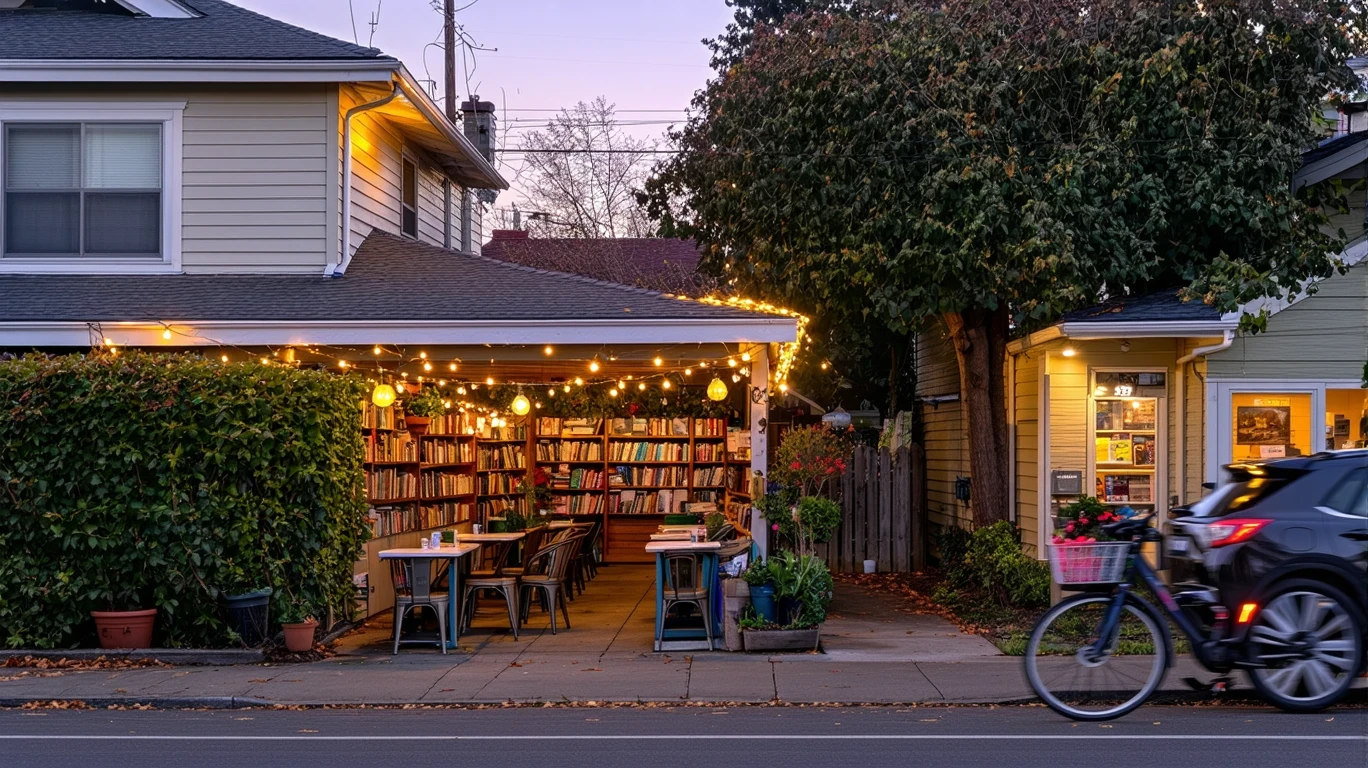
Grocery and daily spending pressure in Santa Clara and Sunnyvale operates less on price differences and more on access patterns, convenience infrastructure, and how households navigate the density of food options. Both cities show broadly accessible food and grocery density, meaning residents encounter high concentrations of supermarkets, specialty stores, and prepared food options throughout their neighborhoods. This accessibility reduces the need for long drives to stock up, but it also creates more opportunities for convenience spending—grabbing takeout, stopping for coffee, or picking up prepared meals instead of cooking from scratch.
The structural similarity between the two cities means grocery staples cost roughly the same in both places, reflecting their shared regional price environment. Households focused on minimizing grocery spending can find big-box retailers, discount chains, and farmers’ markets in both cities without significant travel friction. The real difference emerges in how daily routines interact with the density of prepared food options. Both Santa Clara and Sunnyvale offer abundant dining, coffee shops, and quick-service restaurants clustered along commercial corridors and near transit stations. This convenience makes it easy to spend incrementally—$8 here for lunch, $15 there for dinner—without feeling like you’re making a major budget decision each time.
Families managing larger grocery volumes face similar baseline costs in both cities but encounter different logistical friction depending on housing type and proximity to preferred stores. Single-family homes with more storage space allow for bulk purchasing and meal planning that reduces per-unit costs, while apartment dwellers may shop more frequently in smaller quantities, which can increase per-trip spending and reduce opportunities for volume discounts. The density of grocery options in both cities mitigates this somewhat—you’re rarely more than a few minutes from a store—but the convenience also makes it easier to default to higher-priced specialty shops or prepared options when time is tight.
Single adults and couples without children often experience grocery costs differently than families. Smaller households can more easily absorb the premium of convenience spending—eating out a few times a week, buying pre-prepped ingredients, or shopping at higher-end grocers—without dramatically affecting their overall budget. Families with kids face more pressure to control per-meal costs, which means the density of discount options and the ability to plan around sales and bulk purchases matters more. Both cities support either strategy, but the abundance of convenient, higher-priced options creates constant temptation to trade money for time.
Groceries Takeaway: Santa Clara and Sunnyvale impose similar grocery cost structures due to their shared regional pricing and high density of food options. The primary difference isn’t price—it’s how convenience infrastructure interacts with household routines. Families sensitive to per-meal costs can find discount options and bulk purchasing opportunities in both cities, but must actively resist the convenience spending creep that comes with abundant prepared food access. Single adults and couples face less pressure to optimize grocery spending but may find their budgets quietly eroded by frequent takeout and coffee runs. The decision between cities on grocery grounds is negligible; the real challenge is managing the behavioral cost pressure that comes with living in a place where convenience is always within reach.
Taxes and Fees
Tax and fee structures in Santa Clara and Sunnyvale create different types of long-term cost exposure, particularly for homeowners. Both cities rely heavily on property taxes to fund local services, but Sunnyvale’s higher median home value of $1,680,700 means property tax assessments start from a higher base compared to Santa Clara’s $1,440,200 median. California’s Proposition 13 limits annual assessment increases to 2% for existing owners, but new buyers face assessments based on purchase price—meaning anyone buying into Sunnyvale’s market locks in a higher ongoing tax obligation from day one.
For renters, property taxes remain indirect but still relevant. Landlords factor property tax obligations into rent pricing, and higher assessments in Sunnyvale contribute to the city’s higher median gross rent of $2,990 per month compared to Santa Clara’s $2,841 per month. Renters don’t write the property tax check directly, but they absorb the cost through baseline rent levels. Long-term renters in either city benefit from Proposition 13’s protections indirectly, as landlords’ tax obligations grow slowly over time, but new renters entering the market face rent levels that reflect current property values and tax assessments.
Beyond property taxes, both cities impose routine fees for utilities, trash collection, and other municipal services. These fees tend to be structured similarly across Silicon Valley cities, meaning the difference between Santa Clara and Sunnyvale on this front is minimal. Homeowners in either city may also encounter HOA fees if they purchase in planned communities or condominium complexes, which can range widely depending on the development. HOA fees sometimes bundle services like landscaping, water, or shared amenities, which can reduce direct utility costs but add a fixed monthly obligation that doesn’t decline even if you use services sparingly.
The predictability of taxes and fees differs by tenure. Homeowners face more stable property tax obligations over time due to Proposition 13’s assessment caps, though they remain exposed to special assessments for infrastructure improvements or local bond measures. Renters experience less predictability—rent can increase annually based on market conditions, landlord decisions, and property tax reassessments when buildings change hands. Recent movers into either city face the highest exposure, as they enter at current market pricing without the benefit of years of capped increases.
Taxes and Fees Takeaway: Sunnyvale’s higher home values translate into higher property tax assessments for new buyers, creating a larger ongoing obligation that persists for the life of ownership. Santa Clara’s lower median home value reduces this baseline exposure, though both cities remain expensive by any standard. Renters absorb property tax costs indirectly through rent levels, with Sunnyvale’s higher rents reflecting its higher property values. Long-term residents in either city benefit from Proposition 13’s protections, while recent movers face the steepest exposure. Households planning to stay several years should weigh whether Sunnyvale’s higher tax base is offset by other factors; those sensitive to ongoing fixed obligations may find Santa Clara’s lower property tax baseline more manageable.
Transportation & Commute Reality
Transportation costs in Santa Clara and Sunnyvale operate less on fuel price differences and more on how each city’s infrastructure shapes daily movement patterns. Both cities report an average commute time of 23 minutes, and both show rail transit presence, walkable pockets, and notable cycling infrastructure. Gas prices differ slightly—$5.94/gal in Santa Clara versus $5.79/gal in Sunnyvale—but this gap matters far less than whether your household can realistically reduce car dependence through transit, biking, or walkability.
Both cities benefit from rail service, which provides viable alternatives to driving for commuters heading to other parts of Silicon Valley or the broader Bay Area. The presence of rail doesn’t eliminate car ownership—most households still need vehicles for errands, weekend trips, or reaching destinations poorly served by transit—but it does create opportunities to reduce commute-related driving. Households living near rail stations and working along transit corridors can avoid daily fuel costs, parking fees, and vehicle wear from stop-and-go traffic. Those living farther from stations or commuting to areas without convenient transit access face more car dependence regardless of which city they choose.
Walkability and cycling infrastructure in both cities create pockets where daily errands—groceries, coffee, quick meals—can happen without a car. This doesn’t mean you can go car-free entirely, but it does reduce the frequency of short trips that add up over time. Households sensitive to transportation costs can leverage these pockets to lower fuel consumption and vehicle maintenance expenses, though the savings depend heavily on neighborhood choice within each city. Both Santa Clara and Sunnyvale show high pedestrian-to-road ratios and high bike-to-road ratios, meaning the infrastructure exists to support non-car trips if your daily routines align with where that infrastructure is concentrated.
The 15-cent gap in gas prices between the two cities translates into minimal monthly differences for most households. A typical commuter driving 25 miles round trip five days a week in a vehicle averaging 25 MPG would use about 20 gallons per month, making the price difference roughly $3 per month. This is negligible compared to housing or even utility costs. The real transportation decision hinges on whether your household can reduce driving frequency through transit or walkability, not on optimizing fuel costs between cities.
Cost Structure Comparison
Housing dominates the cost experience in both Santa Clara and Sunnyvale, but the pressure manifests differently depending on whether you’re buying or renting. Sunnyvale’s higher median home value of $1,680,700 creates a steeper entry barrier for buyers, requiring larger down payments and higher monthly mortgage obligations. Santa Clara’s $1,440,200 median home value reduces this threshold somewhat, though both cities remain expensive by any national standard. For renters, Sunnyvale’s $2,990 median gross rent exceeds Santa Clara’s $2,841, translating into higher ongoing monthly obligations. Households sensitive to front-loaded costs—down payments, closing costs, initial lease deposits—may find Santa Clara’s structure more manageable. Those focused on long-term ownership in a market with higher home values may accept Sunnyvale’s steeper entry costs.
Utilities introduce modest additional pressure in Sunnyvale due to higher electricity and natural gas rates, but the difference is small compared to housing. Sunnyvale’s 34.71¢/kWh electricity rate and $23.78/MCF natural gas price create slightly higher baseline costs than Santa Clara’s 33.22¢/kWh and $22.96/MCF, but the real driver of utility volatility is housing type and age, not the rate gap. Households in older single-family homes with gas appliances experience more seasonal swings in both cities, with Sunnyvale’s rates adding incremental pressure. Those in newer apartments or all-electric units face more predictable bills regardless of location.
Daily living costs—groceries, dining, convenience spending—operate similarly in both cities due to their shared regional pricing and high density of food options. The abundance of prepared food, coffee shops, and quick-service restaurants creates constant opportunities for convenience spending in both places, which can quietly erode budgets if not actively managed. Families with kids face more pressure to control per-meal costs and resist convenience creep, while single adults and couples can more easily absorb the premium of eating out or buying pre-prepped ingredients. The decision between cities on grocery grounds is negligible; the real challenge is managing the behavioral cost pressure that comes with abundant access.
Transportation patterns matter more than fuel price differences. Both cities offer rail transit, walkable pockets, and cycling infrastructure, meaning households can reduce car dependence if their routines align with where that infrastructure is concentrated. The 15-cent gap in gas prices between Santa Clara ($5.94/gal) and Sunnyvale ($5.79/gal) translates into minimal monthly differences—a few dollars at most for typical commuters. The meaningful difference is whether your household can leverage transit or walkability to reduce driving frequency, which depends more on neighborhood choice within each city than on the city itself.
The better choice depends on which costs dominate your household’s specific vulnerabilities. Households sensitive to housing entry barriers—first-time buyers, those stretching to qualify for financing—may prefer Santa Clara’s lower median home value and reduced down payment requirements. Those focused on long-term ownership in a market with higher home values may accept Sunnyvale’s steeper entry costs. Renters face higher ongoing obligations in Sunnyvale, which reduces flexibility for other spending categories but may be offset by other factors like neighborhood preference or proximity to work. For households where predictability matters more than baseline cost, the difference is less about price and more about whether your income can absorb Sunnyvale’s higher housing obligations without creating budget fragility.
How the Same Income Feels in Santa Clara vs Sunnyvale
Single Adult
Housing becomes non-negotiable first, consuming a substantial share of gross income in both cities. Sunnyvale’s higher median rent of $2,990 leaves less room for discretionary spending compared to Santa Clara’s $2,841, though both require careful budgeting. Flexibility exists in transportation—leveraging rail transit and walkable errands can reduce car dependence and fuel costs in either city. Convenience spending on dining and takeout creates the most budget risk, as both cities offer abundant options that make it easy to trade money for time without realizing the cumulative impact.
Dual-Income Couple
Housing still dominates, but two incomes create more capacity to absorb Sunnyvale’s higher rent or mortgage costs without immediate fragility. The primary tradeoff shifts to time versus cash—whether to optimize commutes by living near transit or accept longer drives to reduce housing costs. Utility exposure remains modest in both cities, though Sunnyvale’s higher rates add incremental pressure for couples in larger homes or those working from home with higher baseline electricity usage. Grocery and dining flexibility increases with dual incomes, but the density of convenience options in both cities makes it easy for spending to creep upward without deliberate planning.
Family with Kids
Housing and childcare become the twin non-negotiables, with Sunnyvale’s higher home values and rents creating more front-loaded pressure for families trying to secure space. Flexibility disappears quickly—larger units command rent premiums, and the need for proximity to schools or playgrounds narrows neighborhood options. Both cities offer strong family infrastructure with high school and playground density, but the cost of accessing that infrastructure differs. Transportation shifts from optional to essential, as families juggle school drop-offs, activities, and errands that don’t align neatly with transit schedules. Time costs compound with cash costs, making Sunnyvale’s higher baseline obligations harder to absorb even with higher household income.
Decision Matrix: Which City Fits Which Household?
| Decision Factor | If You’re Sensitive to This… | Santa Clara Tends to Fit When… | Sunnyvale Tends to Fit When… |
|---|---|---|---|
| Housing entry + space needs | Down payment size, mortgage qualification, or initial lease deposits | You need a lower entry threshold and can accept modest ongoing obligations | You can absorb higher upfront costs and prioritize long-term ownership in a higher-value market |
| Transportation dependence + commute friction | Daily driving costs, time spent in traffic, or transit access | You live near rail or walkable corridors and can reduce car trips | You live near rail or walkable corridors and can reduce car trips |
| Utility variability + home size exposure | Seasonal bill swings or baseline electricity and gas costs | You prioritize marginally lower rates and can manage older housing stock volatility | You accept slightly higher rates in exchange for other neighborhood or housing priorities |
| Grocery strategy + convenience spending creep | Per-meal costs, takeout frequency, or impulse convenience purchases | You actively manage convenience spending and leverage discount grocery options | You actively manage convenience spending and leverage discount grocery options |
| Fees + friction costs (HOA, services, upkeep) | Ongoing fixed obligations, property tax assessments, or bundled service fees | You prefer lower baseline property tax exposure and fewer bundled obligations | You can absorb higher property tax assessments and accept bundled service structures |
| Time budget (schedule flexibility, errands, logistics) | Commute predictability, errand efficiency, or household logistics complexity | You can leverage walkable errands and rail transit to reduce time friction | You can leverage walkable errands and rail transit to reduce time friction |
Lifestyle Fit
Santa Clara and Sunnyvale offer remarkably similar lifestyle infrastructure, which makes the decision between them less about access to amenities and more about subtle differences in urban form and housing stock. Both cities show strong family infrastructure, with high densities of schools and playgrounds that support households with children. Both offer integrated green space access, with abundant parks and water features that create opportunities for outdoor recreation without long drives. Both provide broadly accessible food and grocery options, meaning daily errands rarely require extended planning or travel. The shared infrastructure means lifestyle differences emerge more from neighborhood-level choices within each city than from city-level distinctions.
One meaningful difference lies in urban form. Santa Clara shows a low-rise building character, with average building heights below typical thresholds, creating a more horizontal, spread-out feel. Sunnyvale shows a mixed building character, with average heights in the medium range, reflecting a blend of single-family homes, townhouses, and low-rise apartment complexes. This difference doesn’t make one city objectively better, but it does affect how neighborhoods feel and how households experience density. Santa Clara’s lower-rise profile may appeal to families seeking a more suburban texture, while Sunnyvale’s mixed character offers more variety in housing types and neighborhood density.
Both cities benefit from rail transit presence and notable cycling infrastructure, which supports households looking to reduce car dependence for commuting or errands. Walkable pockets exist in both places, concentrated around commercial corridors and transit stations, meaning the ability to walk to coffee, groceries, or restaurants depends more on where you live within each city than on which city you choose. Commute times average 23 minutes in both Santa Clara and Sunnyvale, reflecting their shared position within Silicon Valley’s broader employment network. The lifestyle decision hinges less on access to transit or walkability and more on whether your daily routines align with the pockets where that infrastructure is strongest.
Recreation and outdoor access operate similarly in both cities. High park density and water feature presence create abundant opportunities for walking, jogging, or casual outdoor time without needing to drive to regional parks or open space. Families with kids benefit from the strong playground and school infrastructure in both places, reducing the logistical friction of finding safe, accessible spaces for children to play. Single adults and couples without kids can leverage the same green space for exercise or relaxation, though the abundance of parks means you’re rarely more than a short walk from outdoor access regardless of neighborhood.
Quick Facts: Both Santa Clara and Sunnyvale show high pedestrian-to-road ratios and high bike-to-road ratios, meaning cycling and walking infrastructure is well-developed throughout both cities. Urban form differs: Santa Clara skews low-rise and horizontal, while Sunnyvale shows a mixed building character with more variety in housing types and neighborhood density.
Frequently Asked Questions
Is Santa Clara or Sunnyvale cheaper for renters in 2026?
Santa Clara’s median gross rent of $2,841 per month sits below Sunnyvale’s $2,990 per month, creating lower ongoing monthly obligations for renters. The difference isn’t dramatic, but it does reduce baseline housing pressure and leaves more flexibility for other spending categories. Both cities remain expensive by national standards, so the decision hinges on whether the $149 gap matters enough to offset other factors like neighborhood preference, proximity to work, or access to specific amenities.
Which city has lower utility costs, Santa Clara or Sunnyvale?
Santa Clara shows marginally lower utility rates—33.22¢/kWh for electricity and $22.96/MCF for natural gas—compared to Sunnyvale’s 34.71¢/kWh and $23.78/MCF. The difference is modest and matters most for households in larger homes or those with higher baseline usage due to older housing stock or gas appliances. For most households, the rate gap translates into minimal monthly differences, and housing type (newer vs. older, apartment vs. single-family) drives utility cost exposure more than the rate difference between cities.
How do transportation costs compare between Santa Clara and Sunnyvale in 2026?
Gas prices differ slightly—$5.94/gal in Santa Clara versus $5.79/gal in Sunnyvale—but the gap translates into negligible monthly differences for typical commuters. Both cities offer rail transit, walkable pockets, and notable cycling infrastructure, meaning transportation costs depend more on whether your household can reduce car dependence through transit or walkability than on fuel price differences. Households living near rail stations or in walkable corridors can lower driving frequency in either city, which matters far more than the 15-cent gas price gap.
Does Sunnyvale’s higher median home value make it a better long-term investment than Santa Clara?
Sunnyvale’s median home value of $1,680,700 exceeds Santa Clara’s $1,440,200, creating a higher entry barrier but potentially offering exposure to a market with higher baseline values. Whether this translates into better long-term appreciation depends on factors beyond current pricing—employment growth, infrastructure investment, and regional housing supply dynamics. Both cities sit in Silicon Valley’s core, meaning they share many of the same long-term drivers. The decision hinges on whether your household can absorb Sunnyvale’s higher upfront costs and ongoing property tax obligations without creating budget fragility.
Which city is better for families with kids, Santa Clara or Sunnyvale?
Both cities show strong family infrastructure, with high school density and high playground density that support households