
“I moved here thinking I’d need a car for everything, but honestly? I walk to class, take the train downtown on weekends, and only borrow my roommate’s car for big grocery runs. San Antonio surprised me—it’s way more walkable than people think, as long as you pick the right neighborhood.” — Current student, San Antonio
What makes San Antonio a top choice for college students in today’s market? The answer lies in a combination of affordability, transit options, and neighborhood variety that many overlook. San Antonio operates below the national cost baseline, with a regional price index of 95—meaning your dollar stretches further here than in most major metros. But the real story for students isn’t just about cheaper costs; it’s about where you choose to live and how that choice shapes your daily routine, social life, and financial pressure.
San Antonio earns a student-friendliness score of 78 out of 100, reflecting strong fundamentals: rail transit service, walkable pockets near campus corridors, integrated park access, and a healthy job market with a 3.8% unemployment rate that supports part-time work. The city’s pedestrian-to-road ratio exceeds high thresholds in certain areas, and food establishment density is concentrated along commercial corridors—creating vibrant, student-friendly zones where you can walk to coffee shops, taco joints, and study spots without needing a car. However, this accessibility isn’t evenly distributed. Students who settle outside these walkable pockets may find themselves more car-dependent, and bike infrastructure remains limited to select areas rather than city-wide.
Housing Options for Students
San Antonio’s rental market reflects a mix of traditional apartments, purpose-built student housing complexes, and shared houses near campus zones. The city’s median gross rent sits at $1,189 per month, but this figure represents the broader market—students typically pay less by sharing units or targeting neighborhoods with higher student density. Purpose-built complexes often include furniture, utilities, and individual lease-by-the-bedroom arrangements, which appeal to students who want predictable monthly costs and built-in roommate matching.
Off-campus shared housing—splitting a two- or three-bedroom apartment—remains the most common strategy for keeping costs manageable. Lease terms typically run 12 months, though some landlords near universities offer shorter academic-year leases or semester-based flexibility. Deposit requirements usually equal one month’s rent, and many complexes require a guarantor or proof of income, which often means parental co-signing for students without established credit or employment history. Roommate-finding resources range from university housing boards to social media groups and off-campus housing offices, which help students connect before move-in.
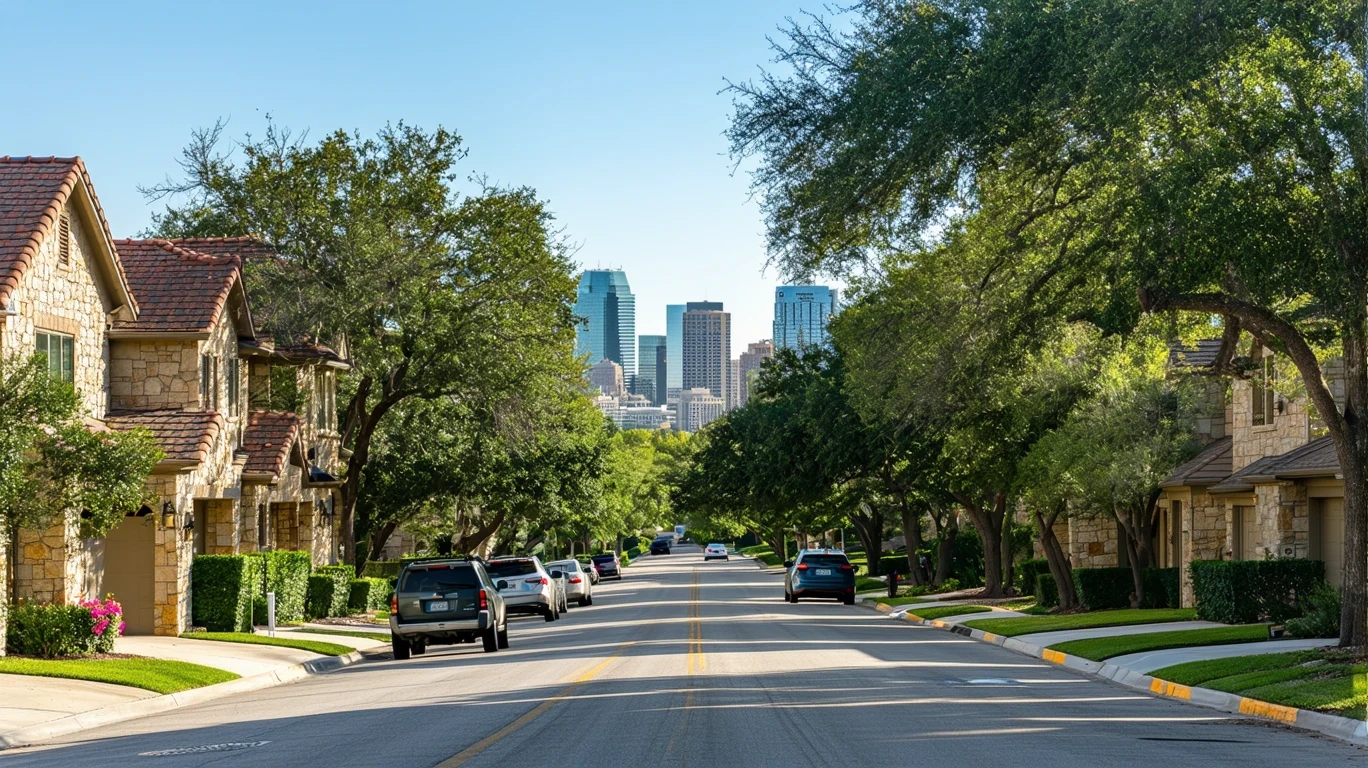
Location matters significantly in San Antonio. Students who prioritize walkability and transit access should focus on neighborhoods with high pedestrian infrastructure and proximity to rail stations. The city’s mixed residential and commercial land use creates pockets where students can live, study, and socialize without a car, but these areas require intentional searching. Students who choose based solely on rent may end up in car-oriented zones where daily errands require driving, adding transportation costs and time to their weekly routine.
Getting Around: Transportation and Campus Access
San Antonio offers rail transit service, which provides students with a car-free option for reaching campus, downtown, and entertainment districts. The presence of rail infrastructure—confirmed by the city’s transit signal—means students living near stations can rely on public transportation for regular commutes, reducing or eliminating the need for a vehicle. Bus service complements the rail network, and many student-heavy routes offer discounted or free fares through university partnerships, though students should verify current pass programs with their institution.
The city’s pedestrian-to-road ratio exceeds high thresholds in certain areas, meaning students in these walkable pockets can handle daily errands—grabbing coffee, hitting the library, meeting friends—on foot. However, bike infrastructure remains limited to select zones rather than offering city-wide coverage. Students who prefer cycling should research specific neighborhoods for protected lanes and bike-friendly streets, as the overall bike-to-road ratio falls in the medium band, indicating patchwork rather than comprehensive infrastructure.
For students who do bring a car, parking availability varies widely. On-campus parking often requires permits and may involve waitlists or premium fees for convenient lots. Off-campus housing complexes typically include at least one parking space per bedroom, though covered or reserved spots may cost extra. Gas prices in San Antonio currently sit at $3.80 per gallon, and the city’s average commute time of 24 minutes suggests moderate traffic density—students commuting from outer neighborhoods should factor in both fuel and time costs when choosing housing.
Ride-sharing services operate throughout the city and provide a flexible option for late-night social outings, airport runs, or trips to areas not well-served by transit. Students who live in walkable, transit-accessible neighborhoods often find they can minimize car dependency, using ride-sharing only occasionally rather than as a daily necessity. This approach reduces both monthly transportation costs and the hassle of parking, insurance, and maintenance.
Student Cost of Living
Understanding San Antonio Affordability: What’s Easy, What’s Expensive helps students anticipate where their money will go each month. A typical student budget in San Antonio depends heavily on housing arrangement and lifestyle choices. Students living in shared housing with roommates face lower rent burdens than those in solo studios, and students who cook regularly spend far less on food than those relying on dining plans or takeout. The city’s below-national-average price index means groceries, utilities, and everyday purchases cost less here than in higher-cost metros, but students still need to budget carefully to avoid month-end shortfalls.
Food costs vary based on approach. Students with meal plans pay a fixed semester rate, which simplifies budgeting but may not offer the best value for those who eat irregularly or prefer cooking. Grocery shopping at local chains offers flexibility and savings—students who plan meals and cook in bulk can keep food costs low. The city’s food establishment density exceeds high thresholds along commercial corridors, meaning students in the right neighborhoods have easy access to affordable tacos, sandwich shops, and casual dining options that fit student budgets. Student discounts at local restaurants and coffee shops are common, though availability varies by business.
Textbook and course material costs remain a significant expense, though students increasingly turn to used books, digital rentals, and open-access resources to reduce this burden. Entertainment spending depends on social habits—students who frequent bars, concerts, and events will spend more than those who stick to free campus activities, park hangouts, and home gatherings. San Antonio’s integrated park access, with park density exceeding high thresholds and water features present throughout the city, provides free outdoor recreation options that help students stretch their budgets without sacrificing quality of life.
Part-time job opportunities benefit from San Antonio’s strong labor market. The 3.8% unemployment rate indicates healthy demand for workers, and students often find positions in retail, food service, tutoring, and campus employment. Typical student wages vary by role and experience, but the availability of work helps offset living costs and reduces reliance on loans or family support. Students should consider job proximity when choosing housing—living near employment hubs or campus job centers reduces commute time and transportation costs.
Monthly Student Budget in San Antonio
Here’s what a typical monthly student budget might look like in San Antonio:
| Expense Category | Shared Housing | Solo Living |
|---|---|---|
| Rent | $500–$700 | $900–$1,200 |
| Utilities | $50–$80 | $100–$150 |
| Groceries/Food | $200–$300 | $250–$400 |
| Transportation | $50–$150 | $100–$250 |
| Textbooks/Supplies | $50–$100 | $50–$100 |
| Entertainment/Social | $100–$200 | $100–$200 |
| Personal Care | $30–$60 | $30–$60 |
| Miscellaneous | $50–$100 | $50–$100 |
| Total | $1,030–$1,690 | $1,580–$2,460 |
Estimates based on average student spending patterns and local costs. Actual expenses vary by lifestyle, housing location, and transportation choices.
Student-Friendly Amenities and Services
San Antonio’s integrated park access and water features provide students with free outdoor study spaces, running trails, and hangout spots that don’t require spending money. Park density exceeds high thresholds throughout the city, meaning students can find green space for recreation, group study sessions, or solo decompression without traveling far. Coffee shops with Wi-Fi cluster along commercial corridors where food establishment density is highest, creating natural study hubs where students can camp out between classes or meet for group projects.
Gym facilities vary by housing type—many purpose-built student complexes include fitness centers as part of rent, while off-campus apartments may require separate memberships. University recreation centers typically offer the best value for enrolled students, with access included in student fees. Recreational activities range from intramural sports leagues to outdoor clubs that take advantage of the city’s park infrastructure and water access. Student organizations provide social connection, professional networking, and leadership opportunities, with options spanning academic interests, cultural groups, and hobby-based communities.
Healthcare services include hospital presence and pharmacy facilities throughout the city, as confirmed by the healthcare access signal. Most universities operate student health centers that provide basic medical care, mental health counseling, and wellness programs at reduced or no cost to enrolled students. Mental health resources have expanded in recent years, with many campuses offering drop-in counseling, crisis support, and referrals to community providers. Students should verify what services are covered by student fees versus what requires additional insurance or out-of-pocket payment.
Student discounts appear at local businesses ranging from restaurants and coffee shops to entertainment venues and retail stores, though availability isn’t universal. Students should ask about discounts and carry their student ID, as many businesses offer savings without advertising them prominently. Campus job opportunities provide both income and résumé-building experience, with positions available in libraries, labs, administrative offices, and student services departments. These roles often offer flexible scheduling that accommodates class schedules and exam periods.
Social Scene and Nightlife
Campus social events form the backbone of student life in San Antonio, with universities hosting everything from welcome-week activities and homecoming celebrations to guest lectures and cultural festivals. Student organizations run their own events, creating sub-communities based on shared interests, backgrounds, or career goals. Intramural sports leagues offer competitive and recreational options for students who want to stay active and meet people outside their academic programs. The city’s strong family infrastructure—with both school and playground density meeting thresholds—suggests a community-oriented environment that extends to student life, with neighborhoods hosting farmers markets, outdoor movie nights, and seasonal festivals.
Local nightlife caters to the college demographic, particularly in areas with high food establishment density and mixed land use. Students gravitate toward commercial corridors where bars, music venues, and late-night eateries cluster, creating walkable entertainment districts that don’t require driving. Age-appropriate venues range from 18+ music halls and coffee shops with evening programming to traditional 21+ bars and clubs. The city’s more vertical building character and mixed residential-commercial land use support this kind of concentrated nightlife, where students can hop between venues on foot rather than needing a car or ride-share for every stop.
Cultural activities include concerts, art exhibitions, theater productions, and film screenings, with many universities offering discounted or free tickets to students. San Antonio’s designation as both a college city and a retirement city creates an interesting cultural mix, with programming that spans student-oriented indie shows and community-wide festivals that draw all age groups. The dating scene benefits from the density of young adults in student-heavy neighborhoods, with social opportunities arising naturally through classes, organizations, campus events, and the commercial corridors where students gather.
Safety and Practical Considerations
Campus safety measures typically include 24-hour security patrols, emergency call boxes, late-night escort services, and mobile safety apps that allow students to share their location or request assistance. Universities invest in lighting, surveillance, and access control for campus buildings, and many extend these measures to adjacent off-campus areas with high student populations. Local crime statistics vary by neighborhood, and students should research specific areas before signing leases—walkable pockets with high pedestrian activity often feel safer due to natural foot traffic and mixed-use development, while isolated or car-oriented areas may have less evening activity and fewer eyes on the street.
Emergency services, including the confirmed hospital presence and pharmacy facilities, provide reassurance for students and parents concerned about medical access. Students should know the location of the nearest urgent care and emergency room, and understand what their health insurance covers. Campus security offices maintain relationships with local police and can provide guidance on neighborhood safety, crime prevention, and emergency response protocols.
Academic support services—tutoring centers, writing labs, supplemental instruction, and office hours—help students navigate coursework and maintain academic progress. Many universities offer free peer tutoring and professional academic coaching, particularly for high-enrollment courses with historically high failure rates. Students should take advantage of these resources early rather than waiting until grades slip, as proactive support prevents bigger problems down the line.
Internship opportunities and career services access vary by university and program, but San Antonio’s healthy job market and diverse economy create openings in healthcare, technology, hospitality, education, and government sectors. Students should engage with career centers early to explore internships, co-ops, and part-time positions that build experience and professional networks. The city’s 3.8% unemployment rate reflects strong labor demand, which benefits students seeking both part-time work during school and full-time employment after graduation.
FAQs About Student Life in San Antonio
What’s the average cost of student living in San Antonio?
Students in shared housing typically spend $1,030–$1,690 per month on rent, utilities, food, transportation, and personal expenses, while solo living ranges from $1,580–$2,460 per month. Actual costs depend on housing location, transportation choices, and lifestyle habits. San Antonio’s below-national-average price index helps stretch student budgets compared to higher-cost metros.
How safe is it for students to live off-campus?
Safety varies by neighborhood. Walkable pockets with high pedestrian activity and mixed-use development tend to feel safer due to natural foot traffic and evening activity. Students should research specific areas, visit neighborhoods at different times of day, and consult campus security offices for crime statistics and safety recommendations before signing leases.
Are there good part-time job opportunities?
Yes. San Antonio’s 3.8% unemployment rate indicates a healthy job market, and students commonly find part-time work in retail, food service, tutoring, and campus employment. The availability of jobs helps offset living costs and reduces reliance on loans. Students should consider job proximity when choosing housing to minimize commute time and transportation expenses.
What’s the social scene like for college students?
San Antonio offers a mix of campus-based social events, student organizations, intramural sports, and local nightlife concentrated along commercial corridors. The city’s high food establishment density and mixed land use create walkable entertainment districts where students can socialize without needing a car. Cultural activities, concerts, and festivals provide additional social opportunities throughout the year.
Making the Decision: Is San Antonio Right for Your College Years?
San Antonio presents a compelling case for students who prioritize affordability, transit access, and outdoor recreation, but the student experience depends heavily on where you choose to live. The city’s walkable pockets, rail transit service, and integrated park access create student-friendly environments where daily life doesn’t require a car—but these advantages aren’t evenly distributed. Students who settle in car-oriented neighborhoods outside these zones will face higher transportation costs and less spontaneous social interaction.
The city’s below-national-average cost structure, strong job market, and corridor-clustered food and entertainment options support student budgets and social life. However, bike infrastructure remains limited to pockets rather than city-wide, and students who prefer cycling as primary transportation should research specific neighborhoods carefully. When evaluating What a Budget Has to Handle in San Antonio, students should account for housing location’s impact on transportation, time, and access to amenities.
For prospective students and parents, the key decision points are:
- Prioritize location over rent alone—walkable, transit-accessible neighborhoods may cost slightly more but reduce transportation expenses and improve quality of life
- Consider shared housing to keep costs manageable while maintaining access to student-friendly areas
- Research transit routes and walkability before committing to a lease, especially if you plan to live car-free
- Take advantage of the city’s park access and outdoor spaces for free recreation and study options
- Engage with campus career services early to explore part-time work and internship opportunities in San Antonio’s healthy job market
San Antonio’s student-friendliness score of 78 out of 100 reflects real strengths—affordability, transit options, green space, and job availability—tempered by the need for intentional location choice. Students who do their homework on neighborhoods, transportation, and campus proximity will find San Antonio offers a strong foundation for college years without the financial pressure of higher-cost metros.
How this article was built: In addition to public economic data, this article incorporates location-based experiential signals derived from anonymized geographic patterns—such as access density, walkability, and land-use mix—to reflect how day-to-day living actually feels in San Antonio, TX.