
How Does Rochester Hills Stack Up Against Other Retirement Destinations?
When retirees compare costs across popular destinations, Rochester Hills presents a compelling middle ground. With a regional price level 5% below the national average and median home values at $359,800, this Oakland County community offers financial breathing room compared to sunbelt hotspots or coastal markets where similar amenities command premium prices. The question isn’t whether Rochester Hills is affordable in absolute terms—it’s whether the tradeoffs align with what you need in your retirement years.
Rochester Hills earns a retirement suitability score of 72 out of 100, reflecting strong outdoor recreation access, below-average cost structure, and established infrastructure, tempered by healthcare limitations and seasonal climate demands. The city’s appeal centers on active lifestyle support: extensive park systems, walkable pockets that reduce car dependency for daily errands, and grocery access concentrated along key corridors. For retirees prioritizing outdoor engagement and cost predictability over immediate hospital proximity, Rochester Hills delivers measurable advantages. For those requiring frequent specialist care or preferring year-round mild weather, the calculus shifts.
What distinguishes Rochester Hills from peer retirement markets is the combination of recreational density and cost discipline. The region’s unemployment rate of 3.6% signals economic stability, while median household income of $115,968 suggests a community with resources to support quality services and amenities. These aren’t retirement-specific metrics, but they shape the environment retirees experience daily—well-maintained public spaces, reliable municipal services, and commercial vitality that sustains grocery options, pharmacies, and local businesses.
Healthcare Access for Seniors in Rochester Hills
Healthcare infrastructure in Rochester Hills operates on a clinic-based model rather than hospital-centered care. Local medical facilities focus on routine primary care, preventive services, and outpatient treatment, with clinics and pharmacies distributed throughout the community. For retirees managing chronic conditions through regular monitoring, prescription refills, and periodic check-ins, this structure supports day-to-day health maintenance without requiring long drives.
The absence of a local hospital means that emergency care, inpatient procedures, and specialist consultations require travel to nearby systems in Troy, Royal Oak, or Pontiac—typically 15 to 25 minutes depending on location within Rochester Hills. This distance is manageable for planned appointments and non-urgent care, but it introduces logistical considerations for retirees with mobility limitations, those without reliable transportation, or individuals requiring frequent specialist visits. Medicare acceptance is widespread across regional providers, and the area’s pharmacy density supports prescription access and medication management programs common among seniors.
For retirees evaluating healthcare fit, the key variable is care intensity. If your health profile involves quarterly cardiology visits, regular physical therapy, or ongoing specialist relationships, proximity to a major medical center becomes a daily-life factor rather than an occasional inconvenience. If your needs center on annual physicals, prescription management, and urgent care for minor issues, Rochester Hills’s clinic infrastructure handles those functions locally. The community’s structure works best for retirees who are relatively healthy, have established care teams they’re willing to drive to, or who prioritize other lifestyle factors over immediate hospital access.
Senior-Friendly Amenities and Community Resources
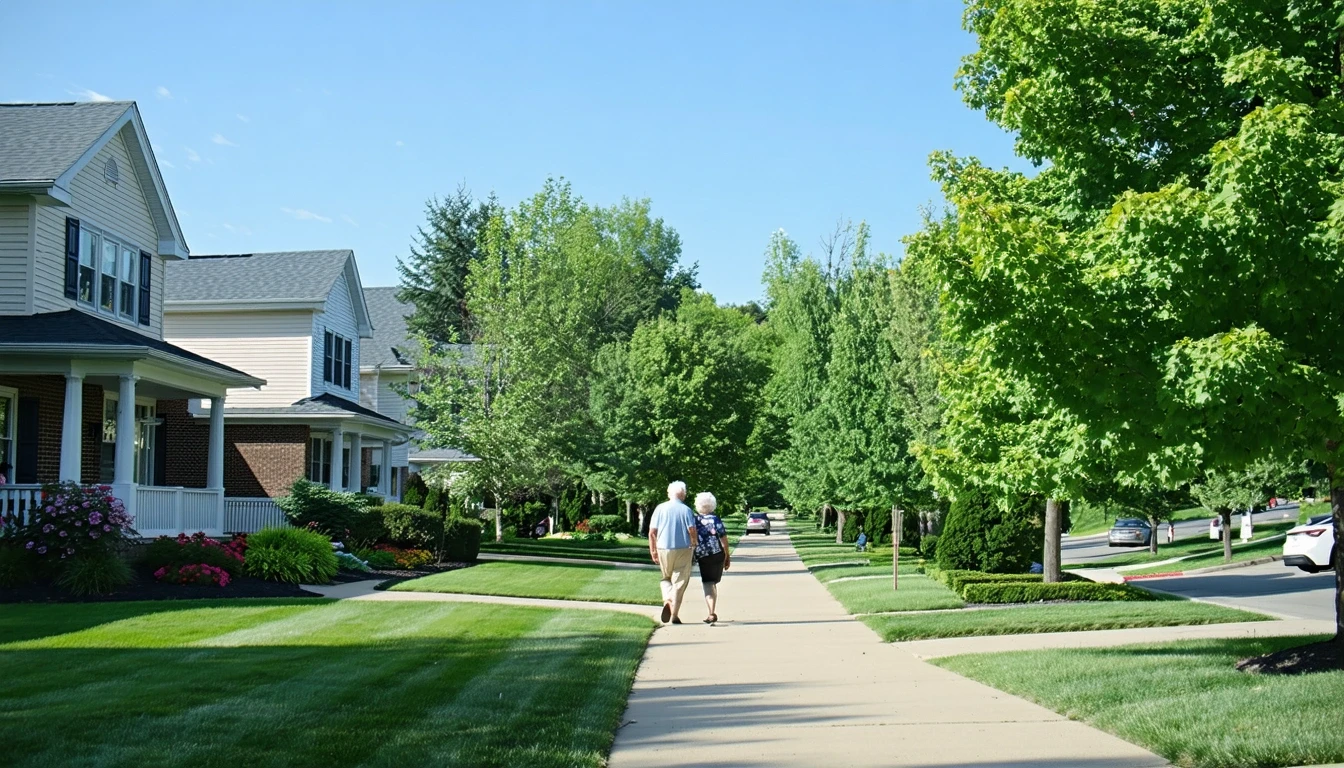
Rochester Hills supports active retirement through outdoor infrastructure rather than age-restricted programming. The city’s park density exceeds regional benchmarks, with water features and green spaces integrated throughout residential areas. For retirees who walk regularly, enjoy seasonal outdoor activities, or value accessible nature without driving to trailheads, this design reduces friction in maintaining active routines. The presence of walkable pockets—areas where pedestrian infrastructure is well-developed relative to road networks—means certain neighborhoods support errands and recreation on foot, reducing reliance on driving for every task.
Grocery access follows a corridor-clustered pattern, with supermarkets and food retailers concentrated along major routes rather than distributed evenly across neighborhoods. This creates variability in convenience: retirees living near these corridors benefit from multiple shopping options within short drives, while those in residential pockets may need to plan trips more deliberately. Grocery delivery services and curbside pickup have become standard offerings, providing alternatives for retirees managing mobility challenges or preferring to minimize driving during winter months.
Transportation options for seniors without personal vehicles are more limited. The area’s infrastructure assumes car ownership, and while ride services operate throughout the region, daily reliance on them for errands, medical appointments, and social activities adds recurring costs that affect retirement budgets. The community’s cycling infrastructure is notably developed, but this serves recreational riders more than seniors using bikes for transportation. Libraries, community centers, and lifelong learning opportunities exist through Oakland County systems and nearby institutions, though accessing them typically requires personal transportation.
Cost of Living for Retirees in Rochester Hills
Housing costs dominate retirement budgets in Rochester Hills, but the structure differs from rental-heavy markets. The median home value of $359,800 reflects a market where most retirees either own outright after downsizing from previous homes or carry manageable mortgages from earlier purchases. For retirees entering the market fresh, this price point sits below coastal and sunbelt competitors but above Midwest small-town alternatives. Condo and townhome options provide lower-maintenance alternatives, though pricing remains tied to the broader housing market.
Property taxes in Michigan operate without the senior exemptions or assessment caps common in states like Florida or Arizona. Oakland County’s millage rates apply uniformly, meaning retirees pay the same effective rates as working families. For a home at the median value, annual property taxes typically run between $7,000 and $9,000 depending on local millage, creating a fixed cost that persists regardless of income changes in retirement. This differs fundamentally from states with homestead exemptions or senior freezes, where tax burden can be managed more actively.
Utility costs reflect Michigan’s seasonal extremes. Electricity rates of 19.52¢/kWh and natural gas prices at $10.02 per MCF translate to heating-dominated winter bills and moderate summer cooling costs. For retirees accustomed to milder climates, the extended heating season represents a cost category that doesn’t scale down easily—smaller homes still require full heating, and energy efficiency improvements offer directional relief rather than elimination of seasonal spikes. Utility assistance programs exist for income-qualified seniors, but median-income retirees typically navigate these costs through budgeting rather than subsidies.
Michigan’s tax treatment of retirement income provides partial relief: Social Security benefits are exempt, and pension income receives deductions for retirees born before 1946, with reduced benefits for younger cohorts. For retirees with substantial IRA or 401(k) distributions, Michigan’s flat income tax applies without additional senior breaks. This creates a mixed picture—better than states that tax all retirement income, less favorable than states with no income tax or full retirement exemptions.
Monthly Retirement Budget in Rochester Hills
Here’s what a typical monthly retirement budget might look like in Rochester Hills:
| Category | Modest Retirement | Comfortable Retirement |
|---|---|---|
| Housing (owned home, taxes/insurance/maintenance) | $950 | $1,400 |
| Healthcare (Medicare supplement, prescriptions, co-pays) | $450 | $650 |
| Food (groceries and occasional dining) | $500 | $750 |
| Transportation (vehicle costs, fuel, maintenance) | $400 | $550 |
| Utilities (electric, gas, water, internet) | $280 | $320 |
| Entertainment & Recreation | $200 | $450 |
| Miscellaneous (personal care, household items, clothing) | $220 | $380 |
| Total Monthly | $3,000 | $4,500 |
Estimates based on average senior spending patterns and local costs. Housing assumes owned home with property taxes, insurance, and maintenance reserves. Healthcare reflects typical Medicare supplement and prescription costs. Actual expenses vary based on health status, lifestyle choices, and housing situation.
Community and Social Opportunities for Retirees
Social infrastructure in Rochester Hills develops through general community organizations rather than age-segregated programming. Faith communities, volunteer networks, and recreational clubs operate across age groups, which some retirees prefer for intergenerational connection and others find less tailored to senior-specific interests. The community’s economic stability supports a range of cultural activities, seasonal events, and hobby groups, though accessing them typically requires self-direction rather than centralized senior programming.
For retirees with family in the region, Rochester Hills offers practical visiting accessibility. The area’s road network connects to Detroit Metro Airport within 45 minutes, and the community’s established residential character provides guest-friendly environments for adult children and grandchildren. The region’s four-season climate creates distinct visiting patterns—summer and fall draw outdoor-oriented visits, while winter months may see reduced frequency from family members unaccustomed to cold-weather travel.
Walking groups and outdoor recreation clubs benefit from the city’s integrated park system and trail networks. The infrastructure supports regular outdoor activity without requiring gym memberships or structured programs, which appeals to self-motivated retirees who prefer informal exercise routines. The community’s cycling infrastructure serves recreational riders, though winter weather limits year-round use. Water features and natural areas provide settings for bird watching, photography, and seasonal observation—low-cost activities that leverage Rochester Hills’s environmental assets.
Aging in Place: Practical Considerations
Aging in place in Rochester Hills depends heavily on neighborhood selection and home design. The walkable pockets identified in the community’s infrastructure allow some retirees to manage daily errands on foot as driving becomes less desirable, but these areas represent portions of the city rather than universal accessibility. For retirees in car-dependent neighborhoods, maintaining independence requires either continued driving capability or willingness to rely on ride services and delivery options for routine needs.
Home modification services operate throughout Oakland County, supporting accessibility improvements like grab bars, ramp installation, and bathroom adaptations. The housing stock skews toward single-family homes built across multiple decades, meaning modification needs and costs vary widely. Retirees purchasing homes specifically for aging in place should evaluate single-level layouts, bathroom configurations, and entry accessibility before buying rather than assuming all properties adapt equally well.
In-home care availability reflects the region’s population density and economic base. Home health aides, physical therapy services, and non-medical companion care operate throughout the area, though costs follow market rates without the competitive pressure of larger metro cores. For retirees planning long-term aging in place, understanding how care costs scale as needs increase matters more than current service availability—the infrastructure exists, but affordability becomes the binding constraint.
Climate considerations affect aging in place beyond comfort preferences. Rochester Hills experiences cold winters with snow and ice, creating seasonal mobility challenges for seniors with balance concerns or limited cold tolerance. Driveways require clearing, walkways demand maintenance, and outdoor activity contracts for several months annually. For retirees accustomed to year-round outdoor routines or those with conditions aggravated by cold and damp weather, the seasonal adjustment represents a quality-of-life factor that compounds over time. Heating costs persist as a fixed seasonal expense, and homes require weatherization and insulation that may not be standard in older housing stock.
Frequently Asked Questions About Retirement in Rochester Hills
What’s the average cost of retirement in Rochester Hills?
Monthly costs for a modest retirement typically run around $3,000, while a comfortable lifestyle approaches $4,500, assuming owned housing. The largest variables are healthcare needs, housing maintenance, and transportation costs. Retirees with paid-off homes and good health can live on less; those with mortgages, significant medical needs, or active travel habits will need more substantial income streams.
How good is healthcare access for seniors?
Rochester Hills provides strong primary care and clinic access locally, with pharmacies and routine medical services distributed throughout the community. However, the absence of a local hospital means emergency care and specialist visits require 15- to 25-minute drives to nearby systems. This works well for healthy retirees with manageable chronic conditions but becomes more burdensome for those requiring frequent specialist care or facing mobility limitations.
Are there active senior communities?
The community supports active retirement through outdoor infrastructure—extensive parks, trails, and water features—rather than age-restricted developments or formal senior programming. Retirees who enjoy self-directed outdoor activities, walking routines, and seasonal recreation find strong support. Those preferring structured senior centers, organized day programs, or age-segregated social activities may find options more limited compared to dedicated retirement communities.
What are the tax implications of retiring in Michigan?
Michigan exempts Social Security benefits and provides pension deductions for retirees born before 1946, with reduced benefits for younger retirees. The state’s flat income tax applies to IRA and 401(k) distributions without additional senior breaks. Property taxes lack senior exemptions or assessment caps, meaning retirees pay the same millage rates as working families. The overall tax burden sits in the middle range—better than states taxing all retirement income, less favorable than no-income-tax states.
Making the Move: Is Rochester Hills Right for Your Retirement?
Rochester Hills delivers measurable value for retirees prioritizing cost structure predictability, outdoor recreation access, and proximity to family in the Detroit metro area. The community’s below-national-average price level, established infrastructure, and integrated park systems create a foundation for active retirement without the premium costs of sunbelt destinations. For retirees comfortable with seasonal weather, willing to travel for hospital care, and seeking a community that supports aging in place through environmental design rather than specialized programming, Rochester Hills aligns well.
The decision hinges on healthcare priorities and climate tolerance. If your retirement vision includes frequent specialist visits, immediate hospital access, or year-round outdoor activity without seasonal interruption, Rochester Hills introduces friction that compounds over time. If you value financial stability, established community character, and outdoor amenities that support daily activity, the city’s tradeoffs favor long-term satisfaction. The community works best for retirees who are relatively healthy, maintain strong social networks or family connections in the region, and prefer authentic community integration over age-segregated environments.
Before committing, spend time in Rochester Hills across seasons. Experience winter conditions firsthand, test drive routes to medical facilities you’d actually use, and explore the grocery corridors that would serve your daily needs. Walk the neighborhoods where you’d consider living to assess whether the walkable pockets align with your preferred location, or whether you’d be in areas requiring full car dependency. Retirement decisions benefit from ground-truth observation more than abstract comparisons—what works on paper may feel different when navigating real streets, real weather, and real distances to the services that shape daily life.
How this article was built: In addition to public economic data, this article incorporates location-based experiential signals derived from anonymized geographic patterns—such as access density, walkability, and land-use mix—to reflect how day-to-day living actually feels in Rochester Hills, MI.