
It’s Sunday evening in Poway, and you’re mapping out the week’s meals. Chicken stir-fry Monday, tacos Wednesday, maybe a pasta night Thursday. You pull up your grocery list: eggs, ground beef, cheese, rice, chicken breasts, bread, milk. Before you head out, you’re doing the math—not just what you need, but where you’ll shop and what that choice means for your budget. In Poway, grocery costs aren’t just about what’s on the shelf. They’re about understanding how this city’s elevated price baseline interacts with your household size, income cushion, and willingness to drive a few extra miles for a better deal.
Poway sits in a region where grocery prices run consistently higher than much of the country, driven by California’s broader cost structure and the regional price environment that touches everything from produce to packaged goods. For households earning near the median income of $135,605 per year, groceries represent a manageable but noticeable line item. For single earners, young professionals, or families stretching a tighter budget, the pressure is sharper. This article breaks down how grocery costs actually feel in Poway, which households notice the squeeze most, and how store choice and shopping habits shape your weekly food spending—without pretending to simulate your exact cart.
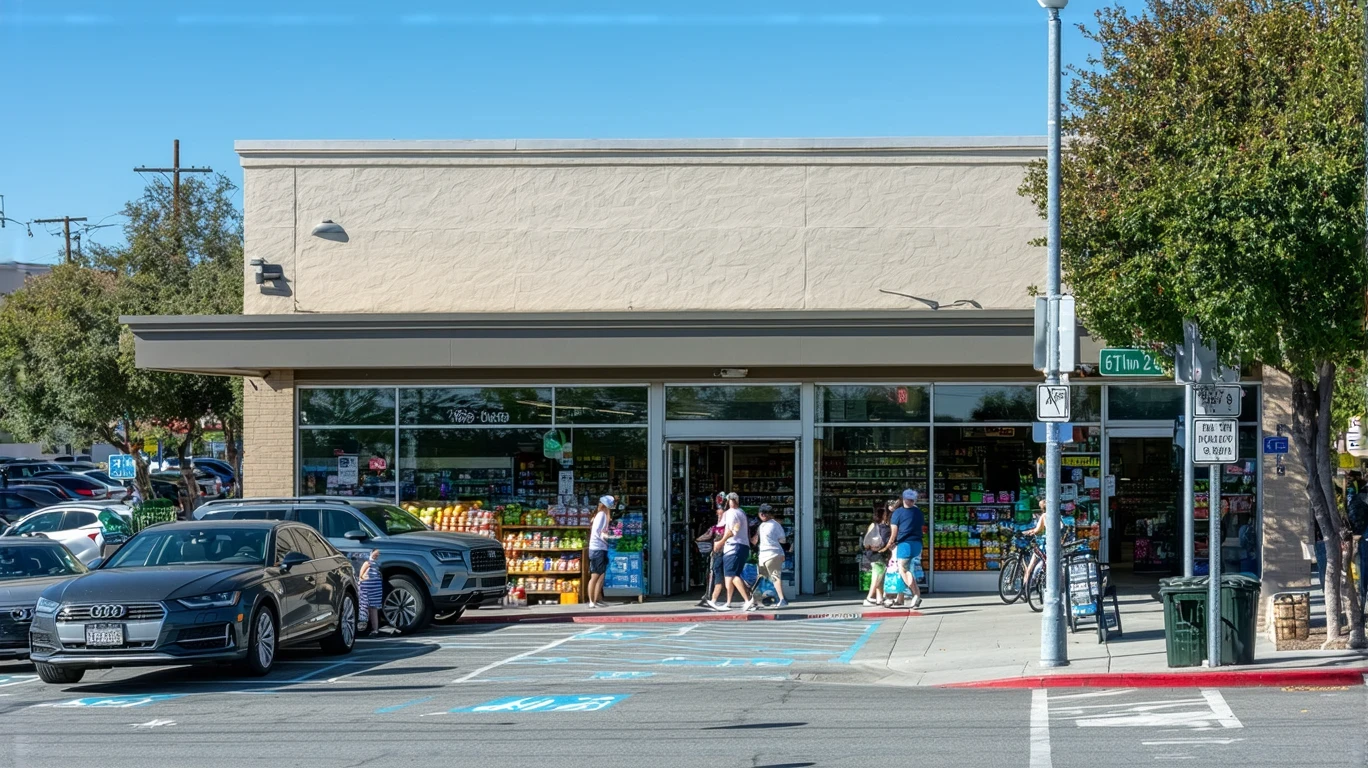
How Grocery Costs Feel in Poway
Grocery prices in Poway reflect the city’s position within a high-cost regional economy. The baseline cost of food here runs well above national averages, a pattern consistent across staple categories—proteins, dairy, produce, and pantry basics. This isn’t about one or two expensive items; it’s a uniform lift that affects every aisle. For a household earning at or above the local median, this premium is absorbable, especially when food spending is spread across two incomes. But for single-income households, recent graduates, or families with multiple dependents, the grocery budget becomes a place where cost discipline matters every week.
Who feels grocery costs most in Poway? Singles and young professionals living alone face the highest per-person food costs, because smaller households lose the economies of scale that come with bulk buying and meal planning for multiple people. A couple splitting grocery duties can buy larger packages, cook in volume, and reduce per-meal costs. Families with children face a different challenge: volume. Even modest per-item premiums multiply quickly when you’re feeding three, four, or five people daily. The regional price baseline doesn’t bend for household size, so larger families either absorb higher absolute spending or become highly strategic about store selection and meal planning.
The experience of grocery shopping in Poway also depends on how you move through the city. Food and grocery options here are corridor-clustered, meaning stores and markets tend to concentrate along main commercial routes rather than being evenly distributed across every neighborhood. For households near those corridors, grocery access is convenient and offers tier choice. For those farther out, each shopping trip involves a deliberate drive, and the decision of where to shop—discount, mid-tier, or premium—becomes a meaningful cost lever. With gas prices at $5.92 per gallon, trip frequency and store proximity start to matter, especially for households making multiple smaller runs each week instead of one consolidated trip.
Grocery Price Signals (Illustrative)
These prices illustrate how staple items tend to compare locally—not a full shopping list. They’re derived estimates based on regional price patterns, useful for understanding relative cost positioning but not precise enough to predict your checkout total. Actual prices vary by store tier, brand choice, sales cycles, and package size.
| Item | Price |
|---|---|
| Bread | $3.24/lb |
| Cheese | $8.56/lb |
| Chicken | $3.64/lb |
| Eggs | $4.20/dozen |
| Ground Beef | $11.99/lb |
| Milk | $7.28/half-gallon |
| Rice | $1.90/lb |
What stands out here is the consistency of the premium. Ground beef, cheese, and milk all sit well above national baseline pricing, while even lower-cost staples like rice and bread carry a noticeable markup. This uniform elevation across categories reflects the regional cost structure, not individual retailer pricing power. It also means that switching from one mid-tier store to another mid-tier competitor won’t dramatically change your total—but switching from mid-tier to discount or premium absolutely will.
These item-level signals also reveal where volume-sensitive households feel the most pressure. Families buying multiple gallons of milk per week, several pounds of chicken, or regular cheese purchases will see these per-unit costs add up quickly. Singles, meanwhile, may find that even small quantities feel expensive when every item carries a regional premium and package sizes don’t scale down proportionally.
Store Choice & Price Sensitivity
In Poway, grocery price pressure varies significantly by store tier, and understanding that difference is one of the most practical cost management tools available. Discount grocers—stores that emphasize private label products, limited selection, and no-frills environments—offer the lowest baseline prices. These stores strip out convenience features and brand variety in exchange for meaningfully lower per-item costs. For households where grocery spending is a binding constraint, discount tier shopping isn’t just thrifty—it’s foundational.
Mid-tier grocers represent the middle ground: recognizable national and regional chains that balance price, selection, and shopping experience. These stores offer broader product variety, more name-brand options, and typically more convenient locations. Prices here run higher than discount stores but lower than premium formats. For median-income households in Poway, mid-tier stores often become the default, offering enough flexibility to accommodate preferences and dietary needs without requiring extreme budget discipline. However, the cost difference between mid-tier and discount is real, and households stretching their income will feel it weekly.
Premium grocers—whether specialty, organic-focused, or high-service formats—charge the highest prices in exchange for curated selection, prepared foods, and a more refined shopping experience. For high-earning couples or households where convenience and quality outweigh cost sensitivity, premium stores are accessible and aligned with lifestyle preferences. But for families managing monthly expenses on a tighter margin, premium pricing can quickly become unsustainable, especially when feeding multiple people.
Store tier choice in Poway isn’t just about individual preference—it’s shaped by access. Because grocery options are corridor-clustered, households located near commercial routes have more tier choices within a short drive. Those farther from main corridors may face a tradeoff: drive farther to access a discount store, or shop closer at a mid-tier or premium option and accept higher per-item costs. With elevated gas prices, that tradeoff isn’t trivial. A household making three trips per week to a distant discount store may erode some of the savings in fuel costs and time, while a household consolidating into one weekly trip gains efficiency.
What Drives Grocery Pressure Here
Grocery cost pressure in Poway is driven by the interaction of regional pricing, household income distribution, and access patterns. The regional price parity index of 179 signals that the baseline cost of goods here runs roughly 79% above the national average. That premium doesn’t come from a single retailer or product category—it’s embedded in the cost structure of operating in this part of California, from distribution and labor costs to real estate and regulatory expenses. Every store, regardless of tier, operates within that elevated baseline.
Income plays a critical moderating role. The median household income of $135,605 per year provides meaningful cushion for many families, allowing grocery costs to remain a manageable share of total spending even when per-item prices run high. But income distribution matters. Households earning below the median—especially single-income renters, service workers, or early-career professionals—experience grocery costs as a much tighter constraint. For these households, the regional premium isn’t an abstraction; it’s a weekly negotiation between what they need and what they can afford.
Household size amplifies cost sensitivity in both directions. Larger families face higher absolute grocery spending simply because they’re feeding more people, and the regional premium multiplies across every meal. Smaller households, particularly singles, face higher per-person costs because they can’t spread fixed purchases—like a loaf of bread or a carton of eggs—across as many meals. Both groups benefit from strategic shopping, but the tactics differ: families gain from bulk buying and meal planning, while singles gain from minimizing waste and choosing smaller package formats when available.
Seasonal variability also influences grocery pressure, though the effect in Poway is more muted than in regions with extreme weather. Produce prices fluctuate with growing seasons and supply chain conditions, and certain proteins see periodic price swings tied to national supply dynamics. Households that build flexibility into their meal planning—substituting based on what’s in season or on sale rather than rigidly sticking to a fixed menu—can smooth out some of this variability. Those who shop the same items every week, regardless of price, will feel the peaks more sharply.
Practical Ways People Manage Grocery Costs
Managing grocery costs in Poway starts with store tier awareness. Households that default to the closest or most familiar store without comparing tier pricing leave money on the table. Shifting even a portion of weekly shopping—staples, pantry items, bulk goods—from mid-tier to discount stores reduces per-item costs without requiring extreme couponing or sacrifice. The key is identifying which items matter most by volume and frequency, then sourcing those strategically.
Meal planning reduces waste and creates intentionality around purchases. Households that plan a week’s worth of meals before shopping avoid impulse buys, reduce duplicate purchases, and use ingredients more completely. This approach works especially well for families, where cooking in volume and repurposing leftovers can stretch each grocery dollar further. Singles benefit too, though the challenge is different: planning smaller portions and choosing recipes that share ingredients across multiple meals prevents spoilage and maximizes value.
Buying in bulk lowers per-unit costs, but only when the household can actually consume the volume before it spoils. Larger families and couples gain the most from bulk buying, particularly for non-perishables like rice, pasta, canned goods, and frozen proteins. Singles and smaller households need to be more selective, focusing bulk purchases on items with long shelf lives or freezer-friendly formats. Bulk buying also requires upfront capital—spending more in one trip to save over time—which not all households can accommodate comfortably.
Shopping sales and seasonal produce introduces flexibility into the grocery routine. Stores cycle promotions weekly, and households that build their meals around what’s discounted rather than what’s habitual can lower costs without compromising nutrition or variety. Seasonal produce tends to be fresher, cheaper, and more abundant, making it a natural anchor for cost-conscious meal planning. This strategy requires adaptability and some cooking confidence, but it’s one of the most effective levers available.
Reducing reliance on prepared foods and convenience items also lowers grocery spending. Pre-cut vegetables, meal kits, rotisserie chickens, and grab-and-go options all carry convenience premiums. Households willing to invest time in meal prep—washing, chopping, cooking from scratch—pay less per meal. The tradeoff is time and effort, which matters differently depending on work schedules, caregiving responsibilities, and cooking skill. For some households, convenience is worth the cost; for others, it’s the first place to cut.
Groceries vs Eating Out (Directional)
The tradeoff between cooking at home and eating out in Poway isn’t just about preference—it’s about cost structure and time pressure. Cooking at home consistently costs less per meal than dining out, even when grocery prices run high. The regional premium affects both groceries and restaurant prices, but the markup on prepared restaurant meals is steeper, especially once tax and tip are included. For households trying to control food spending, home cooking is the foundation.
That said, the calculus isn’t purely financial. Eating out saves time, eliminates meal prep and cleanup, and offers variety that home cooking requires more effort to replicate. For dual-income households with limited evening hours, the convenience of occasional restaurant meals or takeout can be worth the premium. The key is intentionality: treating dining out as a deliberate choice rather than a default when planning falls through. Households that cook most meals at home and dine out selectively maintain the cost benefits of grocery shopping while preserving flexibility for convenience when it matters.
The frequency of dining out also scales cost impact quickly. A household that eats out once a week faces a manageable incremental cost. A household eating out three, four, or five times a week sees restaurant spending rival or exceed their grocery budget, even when choosing mid-tier dining options. For cost-conscious households, reducing dining frequency—or shifting from full meals to occasional takeout or coffee—creates immediate budget relief without eliminating the option entirely.
FAQs About Grocery Costs in Poway (2026)
Is it cheaper to shop in bulk in Poway? Bulk buying lowers per-unit costs, especially for non-perishables and freezer-friendly items, but it requires upfront spending and storage space. Larger families and couples gain the most; singles need to focus on long-shelf-life items to avoid waste.
Which stores in Poway are best for low prices? Discount-tier grocers offer the lowest baseline prices by emphasizing private-label products and streamlined selection. Mid-tier chains balance price and convenience, while premium stores charge more for curated quality and prepared options. Store tier choice is one of the most effective cost levers available.
How much more do organic items cost in Poway? Organic products typically carry a noticeable premium over conventional equivalents, though the gap varies by category and store tier. Households prioritizing organic for specific items—produce, dairy, proteins—can manage costs by mixing organic and conventional purchases rather than converting their entire cart.
How do grocery costs for families in Poway compare to singles? Families face higher absolute spending due to volume, but they benefit from economies of scale through bulk buying and shared meals. Singles experience higher per-person costs because fixed purchases don’t scale down, and smaller package sizes often carry per-unit premiums.
How do households in Poway think about grocery spending when cooking at home? Most households treat grocery spending as a controllable cost lever, using store tier choice, meal planning, and seasonal shopping to manage weekly totals. Cooking at home consistently costs less than dining out, making it the foundation of cost-conscious food budgets, though convenience and time pressure influence how strictly households stick to home cooking.
Does gas price affect grocery shopping decisions in Poway? Yes. With gas at $5.92 per gallon, trip frequency and store proximity matter. Households that consolidate shopping into fewer trips or choose closer stores reduce fuel costs, while those driving farther for discount pricing need to weigh savings against transportation expense.
Are grocery delivery services worth the cost in Poway? Delivery services add fees, tips, and sometimes item markups, raising total costs compared to in-store shopping. For households where time is the binding constraint—busy professionals, parents, caregivers—the convenience may justify the premium. For cost-focused households, in-store shopping remains the lower-cost option.
How Groceries Fit Into the Cost of Living in Poway
Grocery costs in Poway are one piece of a broader cost structure shaped by elevated housing, utilities, and transportation expenses. While food spending is noticeable and requires active management for many households, it’s not the dominant cost driver. Housing—whether rent or ownership—claims the largest share of most household budgets, followed by transportation and utilities. Groceries sit in the middle tier of monthly expenses: meaningful enough to require strategy, but flexible enough to respond to behavioral changes in ways that housing and utilities often aren’t.
For a complete picture of how grocery costs interact with rent, transportation, and other essentials, the Monthly Spending in Poway: The Real Pressure Points article provides the full breakdown. That’s where total budget planning happens. This article exists to explain how grocery prices feel, who feels the pressure most, and which levers actually move the cost needle when you’re standing in the aisle deciding what to buy.
The good news is that grocery spending in Poway is one of the most controllable parts of the cost structure. Store tier choice, meal planning, bulk buying, and seasonal flexibility all offer real cost relief without requiring income changes or lifestyle sacrifice. Households that approach grocery shopping with intentionality—knowing where they shop, what they buy, and how they plan meals—can manage food costs effectively even within a high-cost regional environment. The regional premium is real, but it’s not insurmountable, and the households that treat grocery strategy as a routine part of budgeting consistently come out ahead.
How this article was built: In addition to public economic data, this article incorporates location-based experiential signals derived from anonymized geographic patterns—such as access density, walkability, and land-use mix—to reflect how day-to-day living actually feels in Poway, CA.