
Most people assume utility bills are predictable and stable—just another fixed expense like rent or a car payment. But in Pontiac, MI, that assumption falls apart quickly. Utilities here aren’t fixed; they’re exposure-driven, shaped by Michigan’s long heating season, humid summers, and the age and efficiency of the housing stock. What you pay depends less on the rate structure and more on how your home responds to the weather.
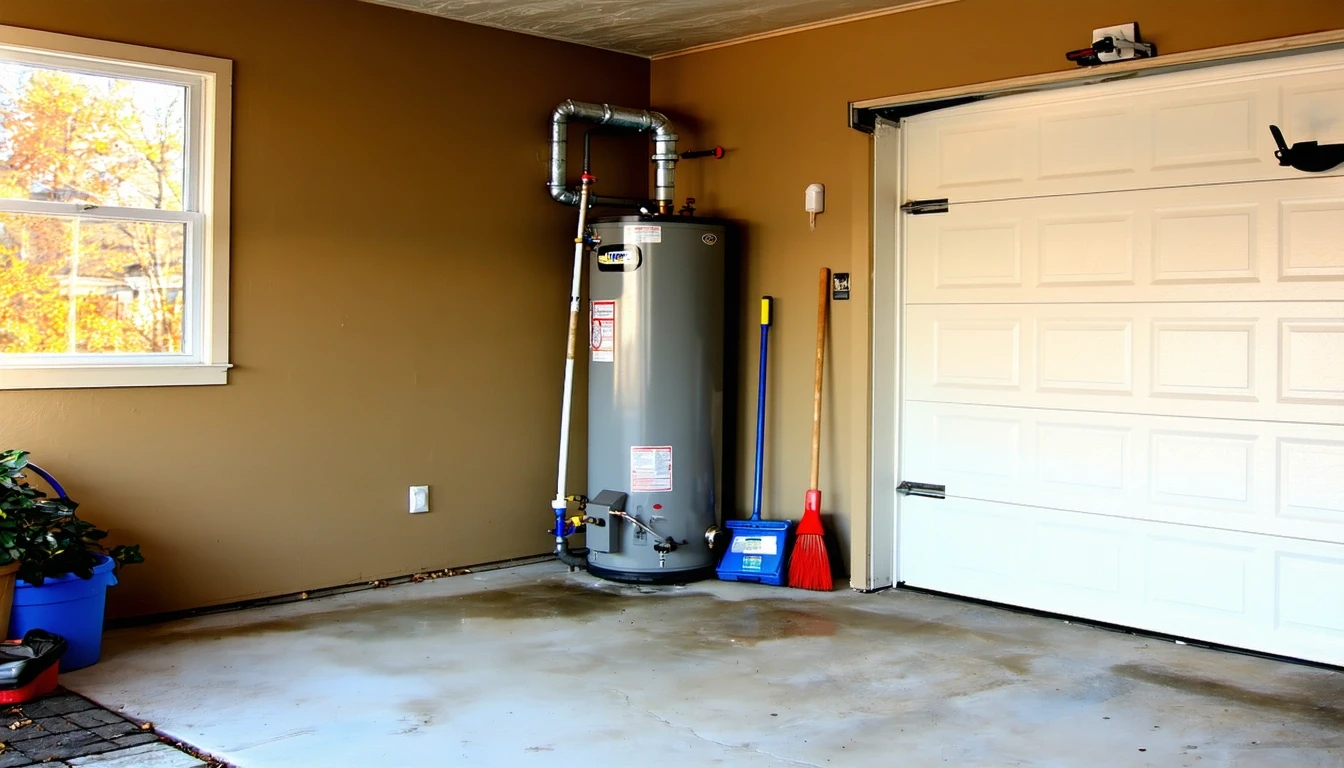
Understanding Utilities in Pontiac
When people talk about the cost of living in Pontiac, utilities often get lumped into a vague “monthly expenses” category. But utilities deserve closer attention because they’re typically the second-largest recurring expense after housing—and unlike rent, they fluctuate based on season, usage, and household behavior. In Pontiac, that variability is pronounced. The city sits in southeast Michigan, where winter heating bills can dominate household budgets for five or six months, and summer cooling adds a secondary spike when humidity climbs.
For most households, utilities include electricity, natural gas, water, trash collection, and recycling. Renters in apartment complexes sometimes find water, trash, or even heat included in their lease, which smooths out monthly volatility. But single-family homeowners and renters in older duplexes typically pay each utility separately, which means they absorb the full seasonal swing. That structure creates budgeting friction: a household that pays $80 for electricity in April might see $180 in August or $220 in January, depending on heating fuel and insulation quality.
For people moving to Pontiac, understanding this seasonal rhythm matters more than knowing an average bill. The question isn’t “what do utilities cost?”—it’s “when do they spike, and what drives the exposure?” Answering that question requires looking at each utility’s role in the household cost structure and how Pontiac’s climate and housing stock shape the load.
Utilities at a Glance in Pontiac
The table below shows how core utility costs typically behave for a mid-size household in a single-family home in Pontiac. Where city-level prices are available in the data feed, they are shown directly. When exact figures are not provided, categories are described qualitatively to reflect how costs are structured and what drives variability.
| Utility | Cost Structure |
|---|---|
| Electricity | Billed at 19.52¢/kWh; usage-sensitive and seasonal |
| Water | Tiered pricing; usage-dependent, often bundled with trash |
| Natural Gas | Priced at $10.02/MCF; winter-driven, heating-dependent |
| Trash & Recycling | Bundled with water or billed separately by provider |
| Total | Seasonal variability driven by electricity and heating |
This table reflects utility cost structure for a mid-size household in a single-family home in Pontiac during 2026. Where exact figures are not provided in the IndexYard data feed, categories are described directionally to reflect how costs behave rather than a receipt-accurate total.
Electricity is billed per kilowatt-hour, and in Pontiac, the rate sits at 19.52¢/kWh. That rate is moderate by Michigan standards, but the real cost driver is usage—how much you run the AC in July, how often the furnace fan cycles in January, and whether your water heater, stove, and dryer are electric or gas. For illustrative context, a household using 1,000 kWh in a month would see a bill around $195 before fees and taxes. But usage swings widely: a well-insulated home with a gas furnace might use 600 kWh in March, while a poorly insulated home with electric baseboard heat could hit 1,400 kWh in February.
Water costs in Pontiac are typically billed on a tiered structure, meaning the more you use, the higher the per-gallon rate climbs. Households with irrigation systems, large families, or older plumbing that leaks can see bills rise quickly during summer months. Many providers bundle water and trash into a single bill, which makes it harder to isolate the cost of water alone—but also means fewer separate payments to track.
Natural gas is the dominant heating fuel in Pontiac, and it’s priced at $10.02 per thousand cubic feet (MCF). Gas bills are highly seasonal: a household might pay $30 in August and $150 in January, depending on furnace efficiency, thermostat settings, and how well the home holds heat. Older homes with original windows and minimal attic insulation tend to burn more gas, which turns the heating season into a sustained cost exposure rather than a one-month spike.
Trash and recycling are often bundled with water service or billed separately by a contracted hauler. Costs are relatively stable month to month, but the billing structure varies by neighborhood and provider. Some HOAs include trash in their fees, which removes the line item entirely for homeowners in those communities.
Electricity is typically the most exposure-sensitive utility in Pontiac, driven more by climate and home efficiency than by base rates.
How Weather Impacts Utilities in Pontiac
Pontiac’s location in southeast Michigan means the city experiences a full four-season climate: cold, snowy winters and warm, humid summers. That seasonal swing drives utility costs in opposite directions depending on the time of year. Winter is the dominant cost season. From November through March, heating demand is relentless. Natural gas furnaces run daily, and even homes with good insulation see elevated bills. Electric heating systems—common in older homes and some apartments—push electricity usage far above summer levels, sometimes doubling or tripling the baseline load.
Summer brings a secondary spike, but it’s shorter and less severe. Air conditioning becomes essential during stretches of high heat and humidity, especially in July and August. Homes without central AC often rely on window units, which are less efficient and can push electric bills higher than expected. Humidity also forces AC systems to run longer cycles to maintain comfort, which increases kilowatt-hour consumption even when outdoor temperatures aren’t extreme.
Spring and fall offer the only real relief. In April, May, September, and October, heating and cooling loads drop to near zero, and utility bills fall to their baseline: just the cost of lighting, appliances, water heating, and refrigeration. Many Pontiac households experience noticeably lower electric bills during these shoulder seasons compared to the peaks in January and July. That seasonal rhythm creates a budgeting challenge: households need to plan for the high-cost months rather than assume the average will hold steady year-round.
How to Save on Utilities in Pontiac
Reducing utility costs in Pontiac requires a mix of behavioral changes, efficiency upgrades, and strategic use of provider programs. The highest-impact strategies target the dominant cost drivers: heating in winter and cooling in summer. Improving insulation, sealing air leaks around windows and doors, and upgrading to a programmable or smart thermostat can all reduce the amount of energy needed to maintain comfort. These changes don’t eliminate the seasonal swing, but they flatten the peaks and reduce exposure during the most expensive months.
Many utility providers in Michigan offer budget billing or equalized payment plans, which spread the annual cost evenly across twelve months. This doesn’t lower the total amount paid, but it eliminates the shock of a $200 heating bill in January followed by a $60 bill in May. For households that struggle with seasonal cash flow, budget billing provides predictability. Some providers also offer rebates for energy-efficient appliances, furnace tune-ups, or insulation upgrades, which can lower long-term usage and reduce bills over time.
Here are additional strategies that work well in Pontiac:
- Enroll in off-peak billing programs if your provider offers time-of-use rates, which reward shifting usage to evenings or weekends.
- Plant shade trees on the south and west sides of your home to reduce cooling load during summer afternoons.
- Seal ductwork in basements and attics to prevent heated or cooled air from escaping before it reaches living spaces.
- Upgrade to LED lighting throughout the home, which lowers electricity usage and reduces heat output in summer.
- Check for local or state incentives for solar panel installation, which can offset electricity costs year-round.
- Run dishwashers and laundry machines with full loads only, and use cold water settings when possible to reduce water heating costs.
- Install low-flow showerheads and faucet aerators to reduce water usage without sacrificing pressure.
🏆 Tip: Check if your provider in Pontiac offers rebates for energy-efficient AC units or heating systems. These programs can cover a portion of the upfront cost and lower your monthly usage for years.
FAQs About Utility Costs in Pontiac
Why are utility bills so high in Pontiac during winter?
Pontiac’s long heating season drives natural gas and electricity usage far above baseline levels from November through March. Older homes with poor insulation or inefficient furnaces see the highest bills, sometimes exceeding $200 per month for heating alone.
Do utility providers in Pontiac offer budget billing or equalized payment plans?
Yes, many providers offer budget billing, which spreads your annual utility cost evenly across twelve months. This eliminates seasonal spikes and makes budgeting easier, though it doesn’t reduce the total amount paid over the year.
How much should a family of four budget for utilities in Pontiac each month?
Budgeting depends on housing type, heating fuel, and season. A single-family home with gas heat might see combined utility costs range from $150 in spring to $300 or more in January. Apartments with some utilities included typically see lower out-of-pocket costs.
Are trash and recycling billed separately in Pontiac or included with water service?
It varies by provider and neighborhood. Many water providers bundle trash and recycling into a single bill, while some areas use contracted haulers that bill separately. HOAs sometimes include trash in their monthly fees.
Does Pontiac offer incentives for solar panels or energy-efficient appliances?
Michigan offers state-level incentives for solar installation, and some utility providers offer rebates for energy-efficient appliances, furnace upgrades, and insulation improvements. Check with your provider or visit state energy program websites for current offers.
How Utilities Fit Into the Cost Structure in Pontiac
Utilities in Pontiac aren’t just a line item—they’re a volatility factor that shapes how households manage cash flow throughout the year. Electricity and natural gas dominate the exposure, with seasonal swings that can double or triple baseline costs during winter heating months. Water and trash are more stable, but they add to the fixed cost base that every household carries regardless of season. Together, these utilities create a cost structure that rewards planning, efficiency, and awareness of when the peaks hit.
For renters, utilities are often partially bundled, which reduces complexity but also limits control. For homeowners, utilities are a direct responsibility and a lever for long-term savings through insulation, equipment upgrades, and behavioral changes. Either way, understanding how utilities behave in Pontiac—and how they interact with housing type, climate, and household size—helps people budget more accurately and avoid surprises when the first heating bill arrives in November.
Utilities are one piece of where your money goes in Pontiac, alongside housing, transportation, and groceries. To see how these categories combine into a complete household budget and where the biggest tradeoffs lie, explore your monthly budget in Pontiac: where it breaks. IndexYard provides the data and context to help you plan for the costs that matter most, whether you’re moving to Pontiac or looking to reduce exposure in the home you already have.
How this article was built: In addition to public economic data, this article incorporates location-based experiential signals derived from anonymized geographic patterns—such as access density, walkability, and land-use mix—to reflect how day-to-day living actually feels in Pontiac, MI.