
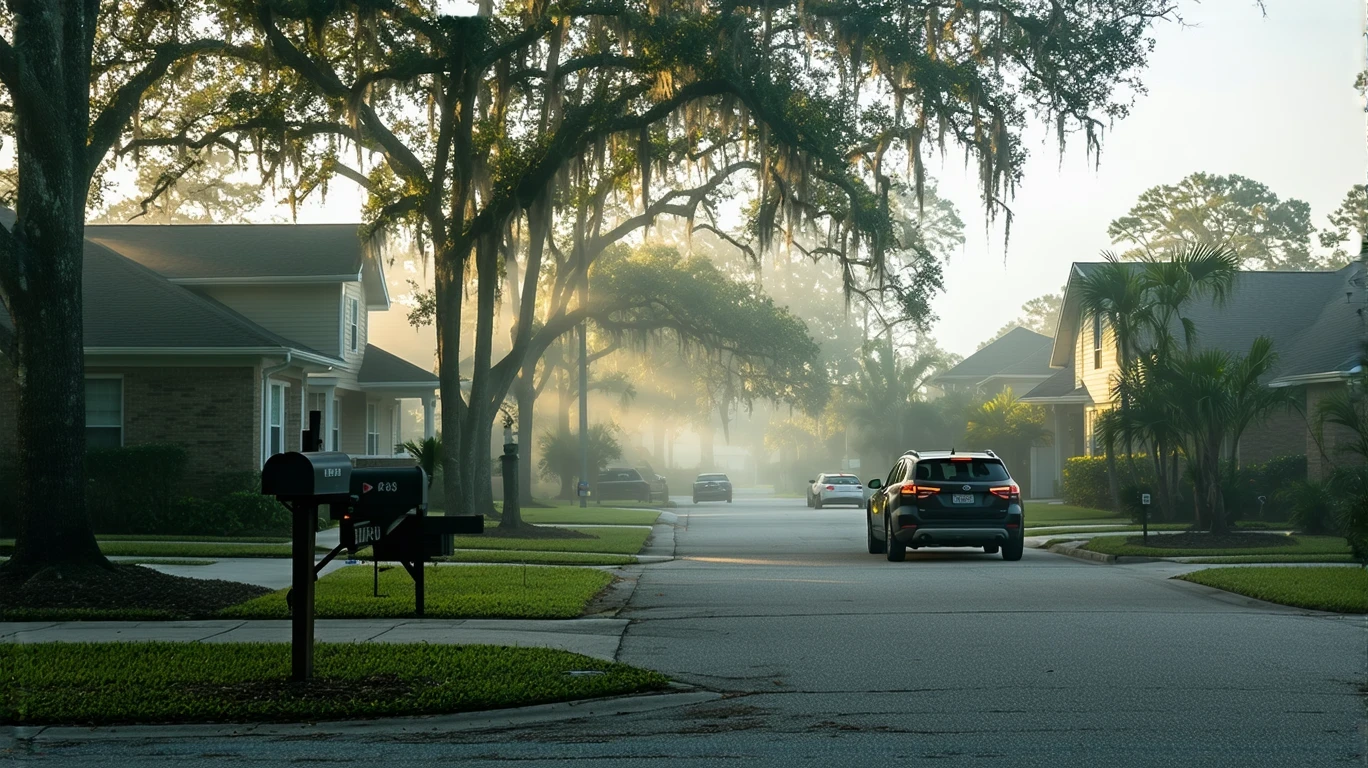
Palm Harbor and Tampa sit in the same metro area but operate on different cost structures. Palm Harbor functions as a quieter, family-oriented suburb with longer commutes and a higher baseline price environment, while Tampa offers urban density, rail transit access, and a college-town energy that comes with its own tradeoffs. The decision between them isn’t about which costs less overall—it’s about which cost pressures a household can absorb and which they can’t.
In 2026, these two cities present a clear contrast: Palm Harbor’s median rent runs $1,567 per month, while Tampa’s sits at $1,422. But Palm Harbor’s median home value is $319,300 compared to Tampa’s $333,200, flipping the advantage depending on whether you’re renting or buying. Add in transportation differences—Palm Harbor residents face a 27-minute average commute with 41.3% experiencing long commutes, while Tampa offers rail transit alongside bus service—and the cost experience diverges sharply based on household type, work location, and daily logistics.
Understanding where cost pressure concentrates in each city helps households decide which structure fits their income, schedule, and priorities. This isn’t a question of cheaper or more expensive—it’s a question of where the friction shows up and who feels it most.
Housing Costs: Entry Barriers and Ongoing Pressure
Housing costs in Palm Harbor and Tampa create opposite challenges depending on whether you’re renting or buying. Palm Harbor’s median gross rent of $1,567 per month runs higher than Tampa’s $1,422, creating more immediate pressure for renters. That difference compounds over a year, but the real impact shows up in how much flexibility remains after housing is covered. Renters in Palm Harbor face a tighter baseline, especially in a price environment where the regional price parity index sits at 126 compared to Tampa’s 103—meaning nearly every other category of spending also costs more in Palm Harbor.
For buyers, the dynamic reverses. Palm Harbor’s median home value of $319,300 sits below Tampa’s $333,200, lowering the entry barrier for those ready to purchase. That gap matters most at the financing stage—down payment requirements, monthly mortgage obligations, and property tax exposure all scale with home value. But ownership in Palm Harbor comes with a different set of ongoing costs: longer commutes, higher gas prices, and a car-dependent layout that makes transportation a non-negotiable budget line. Tampa’s higher home values reflect urban proximity and transit access, which can reduce transportation costs for households able to rely on rail or bus service for daily errands and commuting.
Both cities show mixed building heights and land-use patterns that combine residential and commercial zones, but the experiential texture differs. Palm Harbor’s infrastructure leans toward single-family homes with strong school and playground density, appealing to families prioritizing space and outdoor access. Tampa’s urban form supports more apartment and condo options, with rail transit creating pockets of walkability that reduce car dependency for some households. The housing stock in each city reflects these priorities: Palm Harbor optimizes for family space and quieter neighborhoods, while Tampa optimizes for proximity and access to urban amenities.
Housing takeaway: Renters face lower baseline costs in Tampa, while buyers encounter a lower entry barrier in Palm Harbor. But the ongoing cost structure diverges sharply—Palm Harbor households absorb higher transportation and daily expense pressure due to the elevated price environment, while Tampa households trade higher home values for better transit access and lower baseline prices across most categories. Families prioritizing space and school access may find Palm Harbor’s housing form more aligned with their needs, while singles and couples valuing walkability and transit options may prefer Tampa’s urban density.
Utilities and Energy Costs: Predictability and Seasonal Exposure
Utility costs in Palm Harbor and Tampa follow similar seasonal rhythms—both cities experience hot, humid summers that drive cooling demand—but the cost structure differs in ways that affect predictability and household exposure. Palm Harbor’s electricity rate sits at 15.92¢/kWh, slightly higher than Tampa’s 15.02¢/kWh. That gap feels small on paper, but it compounds over months of high air conditioning usage, especially in larger single-family homes common in Palm Harbor’s housing stock. Tampa’s denser housing mix—more apartments and condos—naturally limits cooling exposure for many households, as smaller square footage and shared walls reduce the energy load.
Natural gas pricing is identical between the cities at $23.62/MCF, but heating demand in Florida remains minimal compared to cooling. The real utility pressure in both cities comes from extended cooling seasons, with air conditioning running from late spring through early fall. Households in older homes or larger floor plans face higher baseline usage regardless of rate differences, and Palm Harbor’s suburban layout skews toward larger homes with more square footage to cool. Tampa’s mix of newer apartments and older urban housing creates more variability—some households benefit from modern efficiency, while others in older buildings face higher usage without the rate advantage.
Utility cost volatility in both cities ties more to usage patterns than rate swings. Households with flexible schedules can shift usage to off-peak hours where time-of-use billing exists, but that requires both awareness and control over when high-draw appliances run. Families with young children or members working from home lose that flexibility, making predictability harder to achieve. In Palm Harbor, the combination of larger homes and higher overall price environment (RPP 126) means utility costs layer onto an already elevated baseline. In Tampa, lower baseline prices (RPP 103) provide more cushion, but urban density can introduce tradeoffs like limited control over building-wide systems in multi-unit housing.
Utility takeaway: Tampa offers slightly lower electricity rates and housing stock that naturally limits cooling exposure for many renters and condo owners, creating more predictable utility costs. Palm Harbor’s higher rates and larger single-family homes increase seasonal volatility, especially for families in older construction. Households sensitive to utility swings—those working from home, managing larger spaces, or living in older buildings—face more exposure in Palm Harbor, while Tampa’s denser housing and lower rates provide more stability for smaller households and apartment dwellers.
Groceries and Daily Expenses: Price Sensitivity and Access Structure
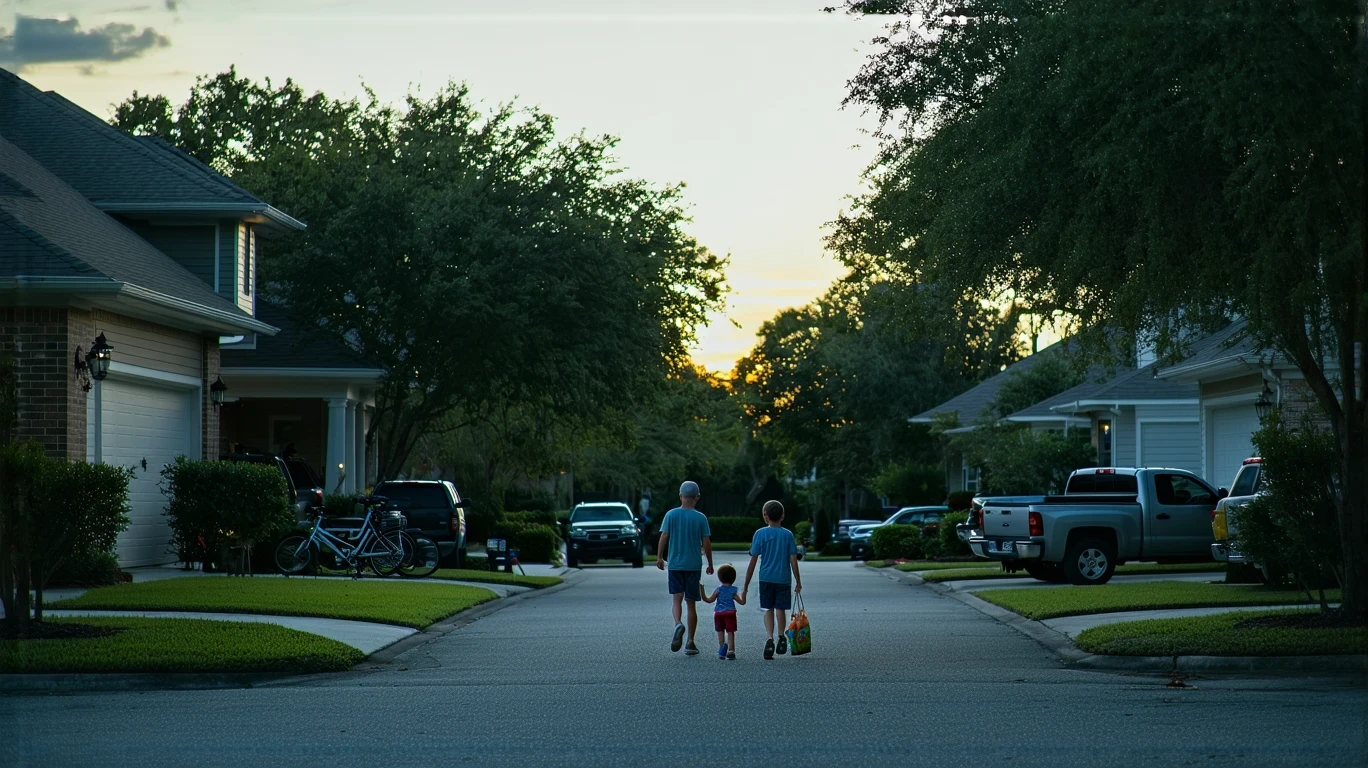
Grocery and daily expense pressure in Palm Harbor and Tampa diverges primarily due to the regional price environment, not dramatic differences in store access or food availability. Palm Harbor’s regional price parity index of 126 means that even when the same grocery chains operate in both cities, the effective cost of filling a cart runs higher. Tampa’s RPP of 103 sits much closer to the national baseline, giving households more purchasing power for the same dollar amount. That difference shows up most clearly for families managing larger grocery volumes—weekly shopping trips, bulk purchases, and household staples all cost more in Palm Harbor, even when buying the same brands at similar stores.
Both cities show corridor-clustered food and grocery accessibility, meaning options concentrate along major roads rather than distributing evenly across neighborhoods. This pattern affects convenience and time costs: households without easy access to a nearby cluster face longer drives for routine errands, adding transportation friction to grocery costs. In Palm Harbor, that friction compounds with higher gas prices ($4.22/gal vs Tampa’s $3.93) and longer average commutes, making consolidated shopping trips more efficient but also more time-intensive. Tampa’s rail transit and denser layout create more opportunities for walkable or transit-accessible grocery runs in certain neighborhoods, though car dependency still dominates for most residents.
Dining out and convenience spending follow the same price environment logic. Coffee shops, takeout, and prepared foods all cost more in Palm Harbor’s elevated price zone, making habitual convenience spending add up faster. For single adults and couples who rely on dining out or grab-and-go meals during busy weeks, Tampa’s lower baseline prices reduce the cumulative impact of those choices. Families cooking at home most nights feel the price difference more acutely in the grocery aisle, where Palm Harbor’s higher RPP affects every category from produce to dairy to pantry staples.
Grocery takeaway: Tampa’s lower regional price environment gives households more flexibility in both grocery spending and convenience purchases, making it easier to absorb occasional dining out or last-minute shopping without budget strain. Palm Harbor’s elevated prices increase cost sensitivity across all food categories, hitting families with larger grocery needs hardest. Households that prioritize cooking at home and bulk shopping face more pressure in Palm Harbor, while those who value access to affordable dining and convenience options may find Tampa’s price structure more forgiving.
Taxes and Fees: Structure and Predictability
Tax and fee structures in Palm Harbor and Tampa share the same state-level framework—Florida has no personal income tax, and both cities operate under similar property tax and sales tax systems—but local differences in housing form and service delivery create distinct cost experiences. Property taxes scale with home values, meaning Tampa’s higher median home value of $333,200 generally translates to higher annual property tax bills for homeowners compared to Palm Harbor’s $319,300 median. But the real variability comes from neighborhood-level factors: HOA fees, special assessments, and service bundling differ widely depending on whether a household lives in a planned community, an older subdivision, or an urban condo building.
Palm Harbor’s suburban layout often includes HOA fees that bundle services like landscaping, trash collection, and shared amenity maintenance. These fees add predictability—households know the monthly cost upfront—but they also create a fixed obligation that doesn’t flex with usage. Some neighborhoods carry higher fees tied to pools, clubhouses, or gated access, while others operate with minimal or no HOA structure. Tampa’s mix of urban condos and older neighborhoods introduces more variability: some buildings include fees that cover utilities or parking, while standalone homes in older parts of the city avoid HOA costs entirely but may face higher individual service bills.
Sales tax affects daily spending across both cities, but the impact scales with overall consumption. Because Palm Harbor operates in a higher price environment (RPP 126), the same sales tax rate applied to more expensive goods and services results in higher absolute tax payments over time. Tampa’s lower baseline prices (RPP 103) mean the same tax rate extracts less from each transaction, providing modest relief for households making frequent purchases. For renters, property taxes remain indirect—embedded in rent—but the cost still flows through. Homeowners face the tax directly, with long-term residents in both cities benefiting from Florida’s Save Our Homes cap, which limits annual assessment increases for primary residences.
Tax and fee takeaway: Tampa homeowners face higher property tax exposure due to elevated home values, while Palm Harbor homeowners benefit from lower median values but often absorb HOA fees that add predictability at the cost of flexibility. Renters in both cities experience property taxes indirectly, but Palm Harbor’s higher rents and elevated price environment mean tax costs embedded in rent likely run higher. Households planning to stay long-term gain more from Florida’s assessment cap, while recent movers face the full current valuation. The primary difference isn’t magnitude—it’s whether cost pressure shows up as a fixed fee (HOA), a scalable tax (property), or an embedded obligation (rent).
Transportation and Commute Reality
Transportation costs in Palm Harbor and Tampa split along two distinct axes: commute friction and transit viability. Palm Harbor residents face an average commute of 27 minutes, with 41.3% experiencing long commutes that extend well beyond that average. Only 7.2% work from home, meaning the vast majority of households absorb daily commute costs in both time and fuel. Gas prices in Palm Harbor sit at $4.22/gal, notably higher than Tampa’s $3.93, and that difference compounds over weekly commutes. A household driving 25 miles round-trip five days a week at 25 MPG burns roughly 5 gallons weekly—an extra $1.45 per week in Palm Harbor, or about $75 annually, before accounting for longer commute distances that many residents face.
Tampa’s transit structure offers a different tradeoff. The city has rail service in addition to bus routes, creating viable car-free or car-light options for households living and working near transit corridors. That access doesn’t eliminate car dependency for most residents—Tampa’s layout still favors driving for many errands and commutes—but it introduces flexibility that Palm Harbor’s bus-only system doesn’t provide. For households able to align housing and work locations with rail access, transportation costs can shift from daily fuel and parking expenses to monthly transit passes, reducing both cost and time unpredictability.
Both cities show walkable pockets with pedestrian infrastructure that exceeds typical suburban car-oriented layouts, but the practical impact differs. In Palm Harbor, walkability concentrates in specific neighborhoods and doesn’t extend to most commute or errand patterns, meaning cars remain essential for daily life. Tampa’s denser urban form and rail access create more opportunities to reduce car trips, though the benefit depends heavily on where a household lives and works. Commute time in Tampa varies widely by neighborhood and job location, but the presence of rail transit at least offers an alternative for some routes, reducing exposure to gas price swings and parking costs.
Cost Structure Comparison
Housing pressure dominates the cost experience in both cities, but the nature of that pressure differs sharply. Renters face higher baseline costs in Palm Harbor, where median rent of $1,567 runs $145 above Tampa’s $1,422. That gap persists month after month, tightening flexibility for households already managing elevated prices across groceries, gas, and daily expenses. Tampa’s lower rent provides more breathing room, especially for single adults and couples who don’t need the larger housing footprint common in Palm Harbor’s family-oriented subdivisions. For buyers, the dynamic flips: Palm Harbor’s lower median home value creates a smaller entry barrier, while Tampa’s higher home values increase upfront costs and property tax exposure over time.
Utilities introduce more volatility in Palm Harbor, where slightly higher electricity rates combine with larger single-family homes to increase cooling costs during Florida’s extended summer season. Tampa’s denser housing stock—more apartments and condos—naturally limits energy exposure for many households, and the lower electricity rate provides modest relief. Families in larger homes feel this difference most acutely, as square footage and older construction amplify seasonal swings. Predictability matters more than absolute cost for many households, and Tampa’s combination of smaller average unit size and lower rates makes utility budgets easier to stabilize.
Transportation patterns matter more in Palm Harbor, where longer commutes, higher gas prices, and limited transit options make car ownership and daily driving non-negotiable. The 27-minute average commute and 41.3% long-commute rate signal that many residents face even longer drives, compounding fuel costs and time pressure. Tampa’s rail transit doesn’t eliminate car dependency, but it creates alternatives for households able to structure their lives around transit corridors. That flexibility reduces exposure to gas price swings and parking costs, shifting transportation from a fixed daily expense to a more controllable variable.
Daily living costs—groceries, dining, household goods—scale with the regional price environment, and Palm Harbor’s RPP of 126 versus Tampa’s 103 means nearly every purchase costs more in Palm Harbor. Families managing larger grocery volumes and frequent household purchases feel this difference most, as the elevated baseline compounds across categories. Tampa’s lower price environment provides more cushion for both planned spending and spontaneous convenience purchases, making it easier to absorb occasional dining out or last-minute shopping without derailing a budget.
The better choice depends on which costs dominate the household. Families prioritizing space, school access, and quieter neighborhoods may find Palm Harbor’s structure worth the higher baseline costs and longer commutes, especially if they’re buying rather than renting. Singles and couples sensitive to rent, transportation flexibility, and daily expense pressure may prefer Tampa’s lower baseline prices and transit access, even with higher home values for those eventually buying. Households sensitive to predictability over magnitude may favor Tampa’s denser housing and lower rates, while those willing to absorb higher costs in exchange for suburban space and family infrastructure may find Palm Harbor a better fit.
How the Same Income Feels in Palm Harbor vs Tampa
Single Adult
For a single adult, rent becomes the first non-negotiable cost, and Tampa’s lower median rent provides immediate relief compared to Palm Harbor’s elevated baseline. Flexibility exists in dining out, entertainment, and convenience spending, but Palm Harbor’s higher regional price environment erodes that flexibility faster—every coffee, takeout meal, and grocery run costs more. Transportation friction differs sharply: Palm Harbor requires a car for nearly all errands and commuting, while Tampa’s rail access creates opportunities to reduce or eliminate car ownership for those living and working near transit. The same gross income stretches further in Tampa because baseline costs—rent, groceries, gas—run lower, leaving more room for discretionary choices or savings.
Dual-Income Couple
A dual-income couple faces different tradeoffs depending on commute patterns and housing priorities. If both partners work in Tampa, living in Palm Harbor introduces long commutes and higher gas costs that consume time and money daily. If one or both work remotely or locally, Palm Harbor’s lower home values create a more accessible entry point for buying, though elevated ongoing costs persist. Flexibility exists in how the couple manages groceries, dining, and household spending, but Palm Harbor’s higher price environment makes convenience spending add up faster. Tampa’s lower rent and proximity to jobs reduce commute friction and baseline costs, but higher home values delay or complicate homeownership for couples prioritizing purchase over renting.
Family with Kids
For families, housing form and school access become non-negotiable first, and Palm Harbor’s strong family infrastructure—both schools and playgrounds meeting density thresholds—aligns with that priority. Space needs push families toward single-family homes, where Palm Harbor’s lower median home value provides a more accessible entry point than Tampa’s higher values. Flexibility disappears quickly in groceries and household goods, where larger volumes and frequent purchases magnify Palm Harbor’s elevated price environment. Commute friction becomes a time cost more than a cash cost: longer drives reduce schedule flexibility and increase logistical complexity for school drop-offs, pickups, and after-school activities. Tampa’s present family infrastructure and lower baseline costs provide relief in daily spending, but the higher home values and lower playground density may not align with families prioritizing outdoor access and suburban space.
Decision Matrix: Which City Fits Which Household?
| Decision factor | If you’re sensitive to this… | Palm Harbor tends to fit when… | Tampa tends to fit when… |
|---|---|---|---|
| Housing entry + space needs | You prioritize lower purchase price and family-oriented housing stock | You’re buying and value lower median home values with strong school and playground access | You’re renting and prefer lower baseline rent with denser housing options near transit |
| Transportation dependence + commute friction | You need flexibility in how you get to work and run errands | You work locally or remotely and can absorb higher gas prices for occasional longer trips | You work in Tampa and can structure your life around rail or bus transit to reduce car dependency |
| Utility variability + home size exposure | You want predictable energy costs and lower seasonal swings | You’re willing to manage larger home cooling costs in exchange for more space | You prefer smaller housing footprints that naturally limit energy exposure and benefit from lower rates |
| Grocery strategy + convenience spending creep | You want lower baseline prices for both planned and spontaneous purchases | You cook at home most nights and can plan consolidated shopping trips despite higher prices | You value affordable dining out and grab-and-go options that don’t strain your budget |
| Fees + friction costs (HOA, services, upkeep) | You want to minimize fixed obligations or prefer bundled predictability | You’re comfortable with HOA fees that bundle services in exchange for maintained amenities | You prefer avoiding HOA fees and managing services individually with more control |
| Time budget (schedule flexibility, errands, logistics) | You need to minimize commute time and errand friction | You have schedule flexibility and can absorb longer commutes in exchange for quieter neighborhoods | You prioritize proximity to work and errands to reduce daily time costs and logistical complexity |
Lifestyle Fit and What It Changes
Palm Harbor and Tampa offer distinct lifestyle textures that indirectly shape cost exposure. Palm Harbor operates as a quieter, family-oriented suburb where daily life revolves around single-family homes, school districts, and recreational amenities like parks and playgrounds. The city’s strong family infrastructure—both schools and playgrounds meeting density thresholds—supports households prioritizing outdoor space and child-friendly environments. Water features and moderate park density provide access to outdoor recreation, though reaching most amenities requires a car. The suburban layout favors households with flexible schedules who can absorb longer commutes in exchange for more space and a slower pace.
Tampa’s urban density and college-town energy create a different rhythm. Rail transit access and walkable pockets near downtown and university areas support car-light lifestyles for some residents, reducing transportation costs and time friction. The city’s mixed building heights and land-use patterns combine residential and commercial zones, making errands and dining more accessible on foot or via transit in certain neighborhoods. Hospital access and pharmacy availability match Palm Harbor’s, but the urban form introduces more variability in housing stock—older buildings, newer apartments, and condos create a wider range of utility exposure and maintenance obligations. For households valuing proximity to cultural amenities, nightlife, and urban conveniences, Tampa’s layout aligns better with those priorities.
Lifestyle differences affect costs indirectly but meaningfully. Palm Harbor’s car-dependent layout increases transportation expenses but provides more housing space per dollar for buyers, making it easier for families to find yards, garages, and room to grow. Tampa’s denser layout reduces transportation costs for households near transit but often comes with smaller living spaces and higher home values. Palm Harbor’s average commute of 27 minutes reflects the tradeoff between suburban quiet and job access, while Tampa’s rail transit creates opportunities to avoid that time cost for some routes. Palm Harbor’s 41.3% long-commute rate signals that many residents travel well beyond the average, adding both time and fuel costs to daily life.
Recreation and outdoor access differ in texture rather than availability. Palm Harbor’s water features and park density support boating, fishing, and waterfront activities common in Florida’s Gulf Coast communities. Tampa’s urban parks and waterfront areas provide similar access but within a denser, more developed context. Families prioritizing outdoor play space and quieter streets may find Palm Harbor’s layout more aligned with their needs, while singles and couples valuing walkable dining, entertainment, and cultural options may prefer Tampa’s urban energy. Both cities benefit from Florida’s year-round warm climate, though the extended cooling season increases utility costs for all households regardless of location.
Frequently Asked Questions
Is it cheaper to rent in Palm Harbor or Tampa in 2026?
Tampa offers lower median rent at $1,422 per month compared to Palm Harbor’s $1,567, creating less baseline housing pressure for renters. That difference persists month after month and compounds with Palm Harbor’s higher regional price environment, which increases costs across groceries, gas, and daily expenses. Renters in Tampa gain more flexibility in their budgets, while those in Palm Harbor absorb higher costs in exchange for quieter neighborhoods and stronger family infrastructure.
Which city has lower home prices for buyers in 2026?
Palm Harbor’s median home value of $319,300 sits below Tampa’s $333,200, lowering the entry barrier for buyers. That gap affects down payment requirements, monthly mortgage obligations, and property tax exposure. But ongoing costs differ: Palm Harbor’s higher price environment and longer commutes increase transportation and daily expenses, while Tampa’s lower baseline prices and transit access reduce some of those pressures even with higher home values.
How do commute costs compare between Palm Harbor and Tampa in 2026?
Palm Harbor residents face an average commute of 27 minutes with 41.3% experiencing long commutes, and gas prices run higher at $4.22/gal compared to Tampa’s $3.93. Tampa offers rail transit in addition to bus service, creating alternatives for households living and working near transit corridors. Palm Harbor’s car-dependent layout makes daily driving non-negotiable, increasing both fuel costs and time pressure, while Tampa’s transit access provides flexibility that can reduce transportation expenses for some households.
Do groceries and everyday expenses cost more in Palm Harbor or Tampa in 2026?
Palm Harbor operates in a higher regional price environment with an RPP of 126 compared to Tampa’s 103, meaning nearly every purchase—groceries, dining, household goods—costs more in Palm Harbor. That difference compounds for families managing larger grocery volumes and frequent shopping trips. Tampa’s lower baseline prices provide more cushion for both planned spending and spontaneous convenience purchases, making it easier to absorb occasional dining out or last-minute errands without budget strain.
Which city is better for families with kids in 2026?
Palm Harbor shows strong family infrastructure with both schools and playgrounds meeting density thresholds, aligning with families prioritizing outdoor space and child-friendly neighborhoods. Tampa offers present family infrastructure with schools meeting thresholds but playground density below the low threshold, creating less outdoor play access. Palm Harbor’s lower home values make buying more accessible for families, though higher ongoing costs in commuting and daily expenses persist. Tampa’s lower rent and baseline prices reduce cost pressure for families renting, but higher home values complicate homeownership. The better fit depends on whether a family prioritizes space and school access (Palm Harbor) or lower baseline costs and urban proximity (Tampa).
Conclusion
Palm Harbor and Tampa present fundamentally different cost structures, and the right choice depends on which pressures a household can absorb and which they can’t. Palm Harbor concentrates cost exposure in higher baseline prices, longer commutes, and car dependency, but offers lower home values, stronger family infrastructure, and quieter suburban neighborhoods. Tampa distributes pressure differently: lower rent and baseline prices reduce daily cost friction, rail transit creates flexibility for some households, but higher home values increase the barrier to ownership and urban density introduces tradeoffs in space and housing form.
For renters, Tampa’s lower median rent and reduced price environment provide immediate relief and more budget flexibility. For buyers, Palm Harbor’s lower home values create a more accessible entry point, though ongoing costs remain elevated. Families prioritizing school access, outdoor space, and suburban quiet may find Palm Harbor worth the higher costs and longer commutes, while singles and couples valuing walkability, transit access, and lower daily expenses may prefer Tampa’s urban structure. Neither city is universally cheaper—each fits different households based on where cost pressure concentrates and which tradeoffs align with income, schedule, and priorities.
How this article was built: In addition to public