
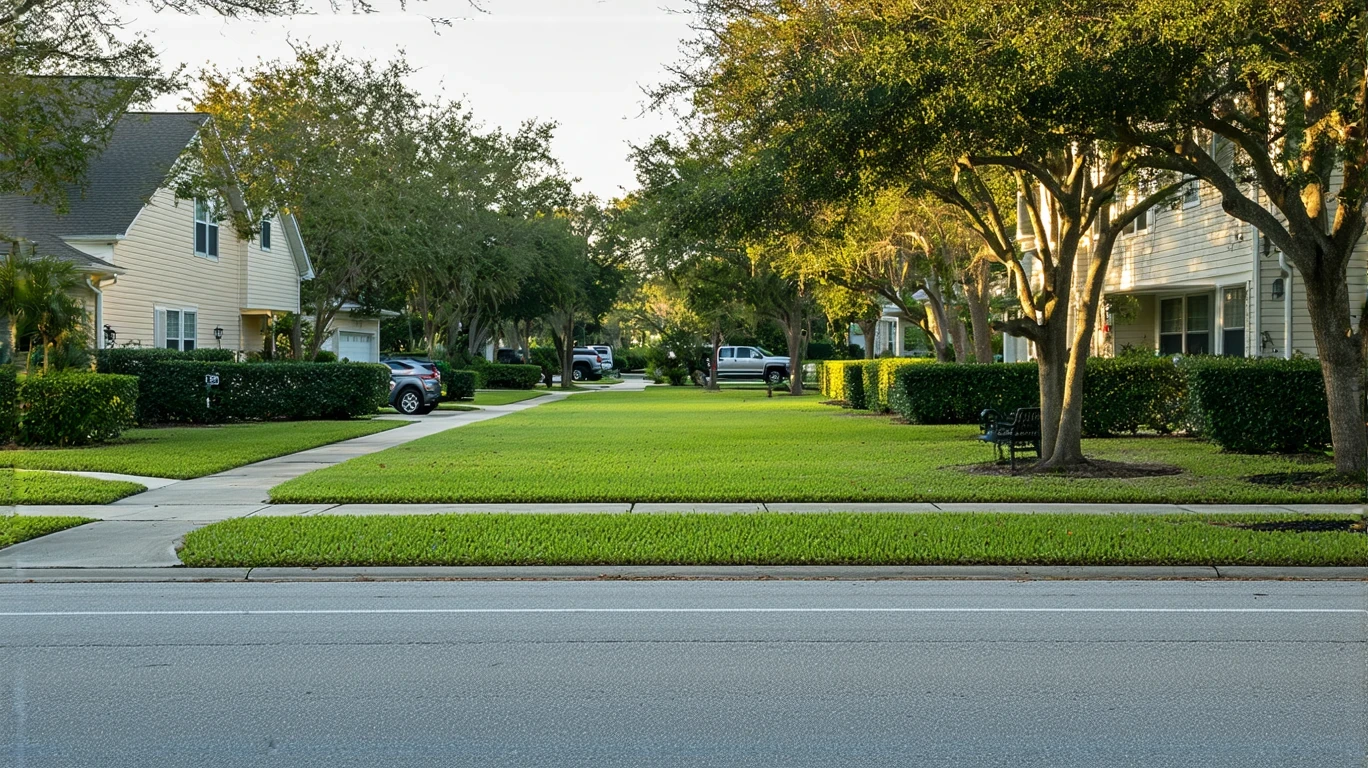
Median household income in Brandon sits at $71,156 per year, while New Port Richey reports $42,254 per year—but that gap doesn’t tell you which city actually fits your budget in 2026. Both communities sit within the Tampa metro, share similar humid subtropical exposure, and rely heavily on cars for daily life. Yet the way cost pressure shows up differs sharply: New Port Richey concentrates financial friction in transportation and ongoing logistics, while Brandon front-loads costs into housing entry and limits flexibility for families managing school-age children. The decision isn’t about which place costs less overall—it’s about which cost structure aligns with how your household earns, spends, and moves through the day.
These two cities attract overlapping household types—young professionals weighing commute tradeoffs, families seeking space without sacrificing access, and dual-income couples navigating the tension between housing size and transportation time. New Port Richey offers lower entry barriers for renters and first-time buyers, but that affordability comes with higher fuel exposure and moderate pedestrian infrastructure. Brandon delivers more walkable pockets and lower gas prices, but commands significantly higher rent and home values while showing limited playground and school density. Neither city dominates across all categories; each imposes a distinct cost rhythm that favors different household priorities.
This comparison explains where cost pressure concentrates in each city, how those differences affect single adults, couples, and families, and which structural tradeoffs matter most when choosing between New Port Richey and Brandon in 2026. We focus on mechanisms—how costs behave, where volatility hides, and what flexibility exists—not on totals or winner declarations.
Housing Costs
New Port Richey reports a median home value of $139,500 and median gross rent of $1,095 per month, while Brandon shows a median home value of $266,400 and median gross rent of $1,570 per month. These figures reflect fundamentally different housing markets within the same metro: New Port Richey offers lower entry barriers for both renters and buyers, making it accessible to households with tighter income constraints or those prioritizing housing affordability over other cost categories. Brandon’s higher housing costs signal a market oriented toward dual-income households and buyers willing to absorb front-loaded expenses in exchange for different neighborhood characteristics.
For renters, the difference in median gross rent shapes monthly cash flow significantly. New Port Richey’s rental market allows more breathing room for households managing transportation costs, utilities, and day-to-day expenses, while Brandon’s rental market demands more predictable, higher income streams. Renters in Brandon face less flexibility to absorb unexpected costs elsewhere in the budget, as housing obligations claim a larger share of gross income. Renters in New Port Richey gain more control over discretionary spending but may encounter older housing stock with higher utility exposure or maintenance friction.
For prospective buyers, the gap in median home values translates directly into down payment requirements, mortgage approval thresholds, and ongoing property tax obligations. New Port Richey’s lower home values reduce the barrier to homeownership, making it viable for first-time buyers or single-income households. Brandon’s higher home values require more substantial savings, stronger credit profiles, and tolerance for larger monthly obligations. Buyers in Brandon may access newer construction with better energy efficiency, but they sacrifice flexibility in other spending categories. Buyers in New Port Richey retain more budget capacity for transportation, utilities, or lifestyle spending, but may face higher maintenance costs or slower equity growth depending on neighborhood dynamics.
| Housing Type | New Port Richey | Brandon |
|---|---|---|
| Median Home Value | $139,500 | $266,400 |
| Median Gross Rent | $1,095/month | $1,570/month |
First-time buyers sensitive to entry barriers and down payment requirements will find New Port Richey more accessible, while buyers prioritizing newer housing stock or neighborhoods with established amenities may justify Brandon’s higher costs. Renters managing variable income or building savings face less housing-driven pressure in New Port Richey, while renters in Brandon must maintain more predictable cash flow to meet higher monthly obligations. Families seeking space without stretching budgets benefit from New Port Richey’s lower housing costs, but families prioritizing walkable pockets or specific school access may find Brandon’s structure worth the premium despite limited family infrastructure density.
Housing takeaway: New Port Richey imposes lower entry barriers and ongoing housing obligations, favoring households that prioritize affordability and flexibility over neighborhood density. Brandon front-loads cost pressure into housing, requiring higher income stability but delivering access to walkable pockets and newer construction. Households sensitive to down payment size, monthly rent predictability, or mortgage approval thresholds will feel these differences most acutely.
Utilities and Energy Costs
New Port Richey’s electricity rate sits at 15.02¢/kWh, while Brandon’s rate reaches 15.70¢/kWh. Natural gas pricing shows a wider gap: New Port Richey reports $23.62/MCF, compared to Brandon’s $32.82/MCF. Both cities experience Florida’s humid subtropical climate, which drives extended cooling seasons and minimal heating demand. The primary utility cost driver in both locations is air conditioning, with cooling needs dominating from late spring through early fall. Natural gas usage remains limited to water heating and cooking in most households, as central heating rarely runs for extended periods.
The difference in electricity rates affects households differently depending on home size, age, and occupancy patterns. Larger single-family homes with older HVAC systems or poor insulation face higher baseline usage, amplifying the impact of rate differences. Apartments and newer townhomes with modern cooling systems and shared wall construction reduce per-household cooling loads, making rate differences less pronounced. Households in New Port Richey benefit from slightly lower electricity rates, but older housing stock may offset that advantage through higher consumption. Households in Brandon face marginally higher electricity rates but may access newer construction with better energy efficiency, reducing overall exposure despite the rate premium.
Natural gas cost differences matter most for households with gas water heaters or gas ranges, though usage volumes remain modest in both cities due to limited heating demand. New Port Richey’s lower natural gas price provides a small advantage for households using gas appliances, while Brandon’s higher natural gas price adds incremental cost pressure for similar usage patterns. The gap becomes more noticeable for larger families running multiple showers daily or households cooking frequently with gas ranges. Single adults and couples with electric water heaters and induction or electric cooktops avoid natural gas exposure entirely, making this cost difference irrelevant to their utility profiles.
Utility cost volatility in both cities stems primarily from cooling intensity during peak summer months, when temperatures regularly reach the 90s and humidity drives “feels-like” temperatures even higher. Households that maintain lower thermostat settings, run cooling around the clock, or occupy poorly insulated homes experience sharp seasonal spikes. Households that tolerate warmer indoor temperatures, use ceiling fans strategically, or occupy well-insulated apartments see more predictable utility bills year-round. The structural difference between the cities lies less in rates and more in housing stock age and form: New Port Richey’s older single-family homes tend to impose higher cooling loads, while Brandon’s mix of newer construction and apartments offers more opportunities for efficiency.
Utility takeaway: New Port Richey offers slightly lower electricity and natural gas rates, but older housing stock may drive higher consumption that offsets rate advantages. Brandon’s marginally higher rates pair with access to newer, more efficient housing, reducing volatility for households in modern construction. Households in larger, older single-family homes face more utility exposure in New Port Richey, while households in apartments or newer townhomes experience more predictable costs in Brandon. Cooling dominates utility spending in both cities, making home age and insulation quality more influential than rate differences alone.
Groceries and Daily Expenses
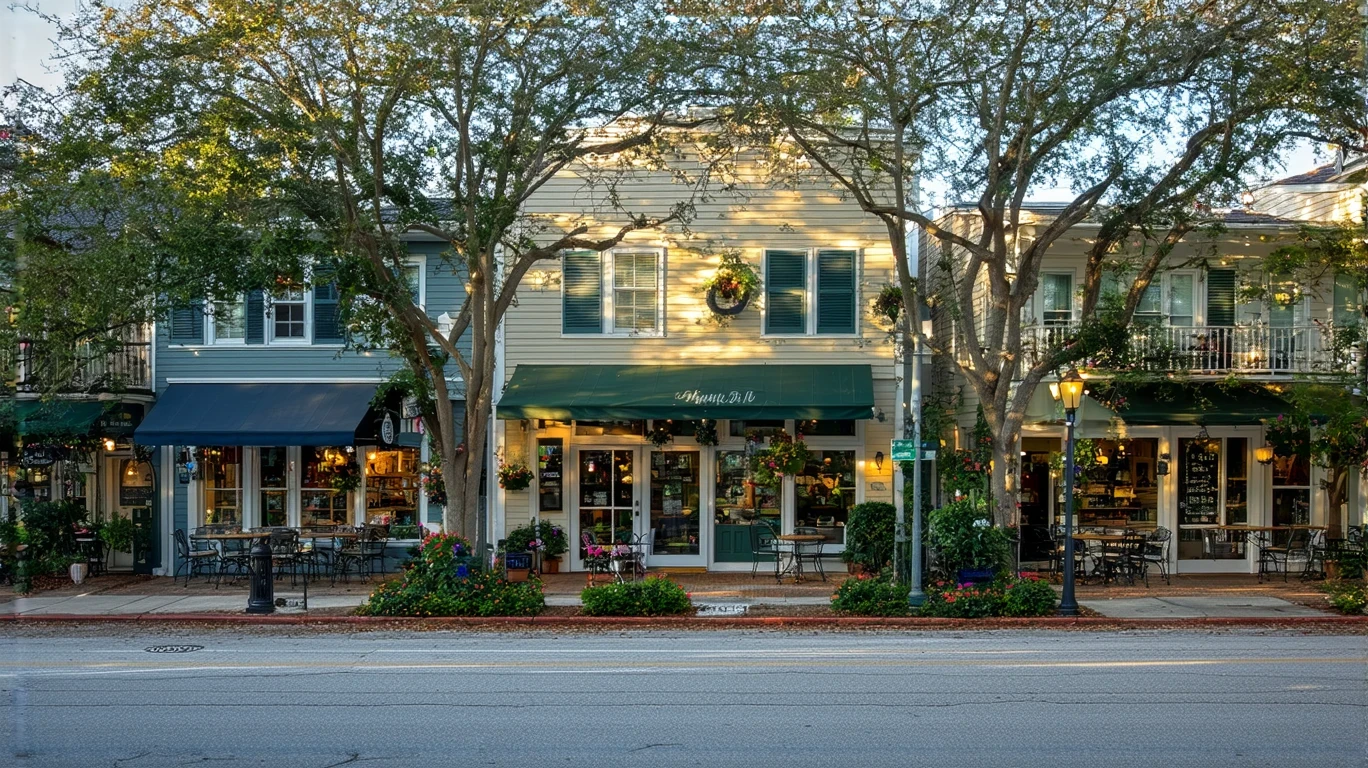
Both New Port Richey and Brandon fall within the same regional price parity zone, meaning grocery staples, household goods, and everyday spending face similar baseline pricing. The meaningful differences emerge not from price levels but from access patterns, store concentration, and how households navigate daily errands. New Port Richey shows corridor-clustered food and grocery density, with options concentrated along major roadways rather than distributed evenly across neighborhoods. Brandon exhibits the same corridor-clustered pattern, but pairs it with higher grocery density overall and walkable pockets that reduce car dependency for some errands.
Households prioritizing discount grocers and bulk shopping find similar access in both cities, as big-box retailers and regional chains serve the Tampa metro broadly. The difference lies in convenience: New Port Richey’s moderate pedestrian infrastructure and car-oriented layout mean most grocery trips require driving, even for nearby stores. Brandon’s walkable pockets allow some households—particularly those in denser residential areas—to walk or bike to grocery stores, coffee shops, or convenience retailers, reducing transportation friction and enabling more frequent, smaller shopping trips. This access difference doesn’t change grocery prices, but it shifts how households manage time, fuel, and planning.
Dining out and prepared food spending patterns differ more by household behavior than by city-level pricing. Both cities offer a mix of chain restaurants, local diners, and fast-casual options clustered along commercial corridors. Households that cook most meals at home face similar grocery costs in both locations, with staples like bread, eggs, chicken, and milk priced within regional norms. Households that rely heavily on takeout, delivery, or restaurant meals encounter similar pricing but different access friction: New Port Richey’s car-dependent layout adds time and fuel costs to dining out, while Brandon’s walkable pockets reduce that friction for households living near commercial clusters.
Single adults and couples with flexible schedules and smaller grocery volumes benefit from Brandon’s walkable pockets, as they can run quick errands without driving and avoid the planning burden of weekly bulk trips. Families managing larger grocery volumes and multiple dependents find New Port Richey’s lower housing costs free up budget capacity for groceries, even if every trip requires a car. Households sensitive to convenience spending creep—frequent coffee runs, impulse takeout, last-minute pharmacy trips—face more friction in New Port Richey’s car-oriented layout, which naturally limits spontaneous spending. Households in Brandon’s walkable pockets encounter more opportunities for convenience spending, which can erode budgets if not managed intentionally.
Grocery takeaway: Grocery prices and daily expense baselines remain similar across both cities, but access patterns and transportation friction shape how households experience those costs. New Port Richey’s car-dependent layout imposes planning discipline and reduces convenience spending, while Brandon’s walkable pockets lower errands friction but increase exposure to impulse purchases. Families prioritizing bulk shopping and predictable routines face similar costs in both cities, while single adults and couples valuing walkable access find Brandon’s structure more convenient despite higher housing costs.
Taxes and Fees
Both New Port Richey and Brandon operate under Florida’s state tax structure, which eliminates state income tax but relies heavily on property taxes, sales taxes, and local fees to fund municipal services. Property tax obligations in both cities depend on assessed home values, millage rates set by local jurisdictions, and any applicable homestead exemptions. New Port Richey’s lower median home value of $139,500 translates into lower absolute property tax bills for homeowners, even if millage rates remain comparable to Brandon. Brandon’s higher median home value of $266,400 drives higher property tax obligations, which become a significant ongoing cost for homeowners and an indirect cost for renters through landlord pass-through.
Sales tax applies uniformly across the Tampa metro, affecting both cities equally for most purchases. The structural difference lies in how property taxes and local fees interact with housing costs: homeowners in New Port Richey face lower property tax bills due to lower home values, freeing up budget capacity for other expenses. Homeowners in Brandon absorb higher property tax obligations as part of the front-loaded cost structure that defines the city’s housing market. Renters in both cities experience property taxes indirectly, as landlords incorporate those costs into rent pricing, but the effect is more pronounced in Brandon due to higher property values.
Local fees—including trash collection, water and sewer charges, stormwater fees, and any applicable HOA dues—vary by neighborhood and housing type rather than by city-level policy. Single-family homeowners in both cities typically pay for trash, water, and sewer separately, with costs influenced by usage, service provider, and local infrastructure. Apartment and townhome renters often see these fees bundled into rent, reducing billing complexity but limiting visibility into cost components. HOA fees appear more frequently in newer developments and planned communities, which are more common in Brandon’s housing stock. These fees can range from modest monthly charges covering landscaping and common area maintenance to more substantial assessments funding amenities like pools, fitness centers, or security.
Homeowners planning to stay several years in New Port Richey benefit from lower property tax obligations and more predictable fee structures, as older neighborhoods tend to have established service costs and fewer special assessments. Homeowners in Brandon face higher property taxes and more variable fee exposure, particularly in newer developments with active HOAs and evolving infrastructure needs. Renters in New Port Richey encounter lower indirect tax exposure through rent pricing, while renters in Brandon absorb higher property tax pass-through as part of elevated monthly obligations. Long-term residents in both cities gain stability through Florida’s homestead exemption and Save Our Homes cap, which limits annual assessed value increases for primary residences, but new buyers and recent movers face full market-rate assessments.
Taxes and fees takeaway: New Port Richey’s lower home values drive lower property tax obligations, reducing ongoing costs for homeowners and indirect exposure for renters. Brandon’s higher home values impose higher property taxes, which compound the city’s front-loaded cost structure. HOA fees and local service charges vary more by neighborhood and housing type than by city, but Brandon’s newer developments introduce more fee variability. Homeowners prioritizing long-term affordability and predictable obligations favor New Port Richey’s structure, while homeowners willing to absorb higher taxes for access to walkable pockets and newer amenities justify Brandon’s cost profile.
Transportation & Commute Reality
New Port Richey reports an average commute time of 29 minutes, with 16.2% of workers working from home and 40.6% facing long commutes. Brandon shows an average commute time of 28 minutes, with 7.8% working from home and 44.0% experiencing long commutes. Both cities function as car-dependent suburban communities within the Tampa metro, with most residents driving to work, errands, and daily activities. The structural difference lies not in commute duration but in fuel exposure and infrastructure texture: New Port Richey’s gas price sits at $3.72/gal, while Brandon’s reaches $2.78/gal—a gap that compounds over time for households driving frequently.
New Port Richey’s mixed pedestrian infrastructure supports moderate walkability in certain neighborhoods, but the city remains primarily car-oriented for most daily needs. Bus service exists, providing basic transit access, but frequency and coverage limit its utility for commuters or households managing complex schedules. Households in New Port Richey rely on personal vehicles for nearly all trips, making fuel costs a consistent, unavoidable expense. The higher gas price amplifies transportation costs for single-car households driving long distances and dual-car households managing multiple commutes. Households working from home partially or fully reduce fuel exposure, but those commuting daily face sustained cost pressure from New Port Richey’s elevated gas prices.
Brandon’s walkable pockets and higher pedestrian-to-road ratio create opportunities for car-free errands in specific neighborhoods, particularly for households living near commercial corridors. The city’s bus service provides similar baseline transit access as New Port Richey, but the presence of some cycling infrastructure and better pedestrian density allows more flexibility for short trips. Brandon’s lower gas price reduces ongoing fuel costs for households commuting by car, offsetting some of the city’s higher housing obligations. Households managing long commutes—which affect 44.0% of workers—benefit meaningfully from Brandon’s lower fuel costs, as the savings accumulate with each tank of gas.
Single adults and couples with flexible work arrangements or remote roles experience less transportation cost pressure in both cities, as reduced commute frequency lowers fuel consumption and vehicle wear. Families managing multiple school runs, extracurricular activities, and errands face higher transportation exposure in New Port Richey due to elevated gas prices and limited walkability. Families in Brandon encounter similar car dependency for most trips but benefit from lower fuel costs and occasional walkable alternatives for quick errands. Households prioritizing time over cash costs may find New Port Richey’s slightly shorter average commute and higher work-from-home percentage appealing, while households prioritizing fuel savings and walkable access favor Brandon’s structure despite higher housing costs.
Transportation takeaway: New Port Richey imposes higher fuel costs and moderate pedestrian infrastructure, concentrating transportation pressure on households driving frequently. Brandon offers lower gas prices and walkable pockets, reducing fuel exposure and providing occasional car-free alternatives. Households managing long commutes or multiple daily trips feel transportation cost differences most acutely, with Brandon’s lower fuel costs offsetting some of its housing premium. Households working from home or driving infrequently face similar transportation costs in both cities, making housing and lifestyle factors more decisive.
Cost Structure Comparison
Housing dominates the cost experience differently in each city. New Port Richey’s lower home values and rent levels reduce entry barriers and ongoing obligations, allowing households to allocate more budget capacity toward transportation, utilities, and discretionary spending. Brandon’s higher housing costs front-load financial pressure, requiring more predictable income streams and leaving less flexibility for other categories. Households sensitive to down payment size, mortgage approval thresholds, or monthly rent predictability experience these differences most directly. Renters and first-time buyers find New Port Richey’s structure more accessible, while established dual-income households and buyers prioritizing walkable neighborhoods justify Brandon’s housing premium.
Utilities introduce more volatility in New Port Richey due to older housing stock and slightly lower rates that don’t fully offset higher consumption. Brandon’s marginally higher electricity and natural gas rates pair with access to newer, more efficient construction, reducing seasonal spikes for households in modern apartments or townhomes. Households in larger, older single-family homes face more utility exposure in New Port Richey, while households in newer construction experience more predictable costs in Brandon. The difference matters most for families managing larger homes and higher cooling loads, as single adults and couples in smaller units encounter similar utility costs regardless of city.
Transportation patterns matter more in New Port Richey, where higher gas prices and car dependency compound into sustained fuel exposure. Brandon’s lower gas prices and walkable pockets reduce transportation costs for households managing long commutes or frequent errands. Households driving daily feel Brandon’s fuel savings accumulate meaningfully over months, while households working from home or driving infrequently see minimal transportation cost differences. The structural tradeoff becomes clear: New Port Richey offers housing affordability but imposes higher transportation costs, while Brandon demands higher housing obligations but reduces fuel exposure and occasional errands friction.
Groceries and daily expenses remain similar across both cities, as regional pricing and store access follow metro-wide patterns. The difference lies in convenience friction: New Port Richey’s car-oriented layout imposes planning discipline and reduces impulse spending, while Brandon’s walkable pockets lower errands friction but increase exposure to convenience purchases. Families managing bulk shopping and predictable routines face similar grocery costs in both cities, while single adults and couples valuing walkable access find Brandon’s structure more convenient despite higher housing costs.
Taxes and fees follow Florida’s property-tax-heavy structure in both cities, but New Port Richey’s lower home values drive lower property tax obligations, reducing ongoing costs for homeowners and indirect exposure for renters. Brandon’s higher home values impose higher property taxes, compounding the city’s front-loaded cost structure. HOA fees and local service charges vary more by neighborhood than by city, but Brandon’s newer developments introduce more fee variability and potential special assessments.
The decision between New Port Richey and Brandon depends on which costs dominate your household’s financial rhythm. Households sensitive to housing entry barriers and ongoing obligations may prefer New Port Richey’s lower rent and home values, accepting higher transportation costs and moderate walkability. Households prioritizing fuel savings, walkable pockets, and newer construction may justify Brandon’s higher housing costs, particularly if long commutes or frequent driving make lower gas prices meaningful. For families managing school-age children, New Port Richey’s playground density and lower housing costs provide more flexibility, while Brandon’s limited family infrastructure and higher housing obligations create friction despite walkable pockets. The better choice is less about price and more about predictability, flexibility, and which cost pressures align with how your household earns, spends, and moves through daily life.
How the Same Income Feels in New Port Richey vs Brandon
Single Adult
Housing becomes the first non-negotiable cost, and New Port Richey’s lower rent allows more breathing room for transportation, utilities, and discretionary spending. Brandon’s higher rent claims a larger share of gross income, leaving less flexibility for unexpected expenses or lifestyle spending. New Port Richey’s car dependency and higher gas prices add ongoing friction, while Brandon’s walkable pockets and lower fuel costs reduce transportation pressure. Flexibility exists in New Port Richey through lower housing obligations, while flexibility disappears in Brandon as rent obligations dominate the budget. The role of commute friction matters less for remote workers but compounds for daily commuters, with Brandon’s lower gas prices offsetting some of its housing premium.
Dual-Income Couple
Housing costs in New Port Richey allow both partners to contribute to savings or discretionary spending without stretching budgets, while Brandon’s higher rent or mortgage obligations require more predictable dual-income streams. New Port Richey’s higher gas prices affect households managing two commutes, while Brandon’s lower fuel costs and walkable pockets reduce transportation friction for errands and occasional car-free trips. Flexibility exists in New Port Richey through lower housing entry barriers and more budget capacity for utilities or lifestyle spending, while flexibility disappears in Brandon as housing obligations leave less room for volatility. The role of housing form matters more in Brandon, where newer apartments and townhomes reduce utility exposure, while New Port Richey’s older single-family homes introduce more seasonal cost variability.
Family with Kids
Housing costs in New Port Richey allow families to access more space without sacrificing budget capacity for groceries, utilities, or transportation, while Brandon’s higher housing costs compress flexibility for families managing multiple dependents. New Port Richey’s playground density and moderate family infrastructure support school-age children, while Brandon’s limited family infrastructure creates friction despite walkable pockets. Flexibility exists in New Port Richey through lower housing obligations and more predictable fee structures, while flexibility disappears in Brandon as higher rent, property taxes, and potential HOA fees claim more of the household budget. The role of car dependence matters more in New Port Richey, where multiple school runs and extracurricular activities compound fuel exposure, while Brandon’s lower gas prices and occasional walkable errands reduce transportation pressure despite higher housing costs.
Decision Matrix: Which City Fits Which Household?
| Decision factor | If you’re sensitive to this… | New Port Richey tends to fit when… | Brandon tends to fit when… |
|---|---|---|---|
| Housing entry + space needs | Down payment size, monthly rent predictability, mortgage approval thresholds | You prioritize lower entry barriers and ongoing obligations over walkability | You can absorb higher front-loaded costs for access to walkable pockets and newer construction |
| Transportation dependence + commute friction | Fuel costs, car dependency, commute frequency | You work from home or drive infrequently, reducing fuel exposure | You manage long commutes or frequent driving, making lower gas prices meaningful |
| Utility variability + home size exposure | Seasonal cooling spikes, home age, insulation quality | You occupy smaller units or tolerate warmer indoor temperatures to control costs | You prioritize newer construction with better energy efficiency to reduce volatility |
| Grocery strategy + convenience spending creep | Errands friction, impulse purchases, planning discipline | You prefer bulk shopping and predictable routines that limit spontaneous spending | You value walkable access for quick errands despite exposure to convenience purchases |
| Fees + friction costs (HOA, services, upkeep) | Property taxes, HOA dues, special assessments | You prioritize lower property taxes and predictable fee structures in older neighborhoods | You accept higher property taxes and potential HOA fees for access to newer amenities |
| Time budget (schedule flexibility, errands, logistics) | Commute duration, errands friction, car-free alternatives | You tolerate car dependency and moderate walkability for lower housing costs | You value walkable pockets and occasional car-free errands despite higher housing obligations |
Lifestyle Fit
New Port Richey and Brandon both function as suburban communities within the Tampa metro, offering low-rise housing, mixed residential and commercial land use, and access to parks and water features. New Port Richey’s moderate pedestrian infrastructure supports walking in certain neighborhoods, but most daily activities require a car. The city’s corridor-clustered grocery and food access concentrates options along major roadways, making errands car-dependent for most residents. Playground density and moderate family infrastructure support households with school-age children, while clinics provide routine healthcare access without a hospital presence. The city’s bus service offers basic transit, but frequency and coverage limit its utility for complex schedules or multi-stop trips.
Brandon’s walkable pockets and higher pedestrian-to-road ratio create more opportunities for car-free errands in specific neighborhoods, particularly near commercial corridors. The city’s corridor-clustered grocery access mirrors New Port Richey’s pattern, but higher overall grocery density and some cycling infrastructure reduce transportation friction for households living near stores. Brandon’s limited family infrastructure—lower school and playground density—creates friction for families managing school-age children, despite the city’s higher housing costs and walkable pockets. Clinics provide routine healthcare access, and bus service offers baseline transit, but car dependency remains the norm for most residents.
Both cities benefit from Florida’s year-round outdoor recreation opportunities, with parks, water features, and proximity to Gulf Coast beaches supporting active lifestyles. New Port Richey’s water features and moderate park density provide accessible green space, while Brandon’s similar park density and water presence offer comparable outdoor access. The lifestyle tradeoff becomes clear: New Port Richey offers lower housing costs and moderate family infrastructure, making it accessible for families and first-time buyers willing to accept car dependency and higher fuel costs. Brandon delivers walkable pockets and lower gas prices, appealing to single adults, couples, and dual-income households prioritizing pedestrian access and newer construction despite higher housing obligations and limited family infrastructure.
New Port Richey’s median household income of $42,254 per year reflects a community oriented toward affordability and accessibility, while Brandon’s $71,156 per year signals a market serving dual-income households and established professionals. Both cities show low unemployment rates—3.7% in New Port Richey and 3.4% in Brandon—indicating stable local job markets within the broader Tampa metro economy. Work-from-home rates differ meaningfully: 16.2% in New Port Richey compared to 7.8% in Brandon, suggesting New Port Richey attracts more remote workers or flexible-schedule