
“It’s close enough to Houston that you can get to anything, but far enough out that you actually have a yard and don’t feel like you’re stacked on top of your neighbors. Just know you’re driving everywhere.”
Missouri City occupies a particular emotional space in the Houston metro: it promises suburban breathing room, diversity, and relative affordability without the intensity of inner-loop life. But that promise comes with tradeoffs that shape daily routines, household logistics, and long-term satisfaction in ways that aren’t always obvious until you’re living them.
Understanding whether Missouri City feels like a good fit requires looking past the marketing and into the texture of everyday life—how people actually move through their days, what they celebrate, and what quietly wears on them over time.
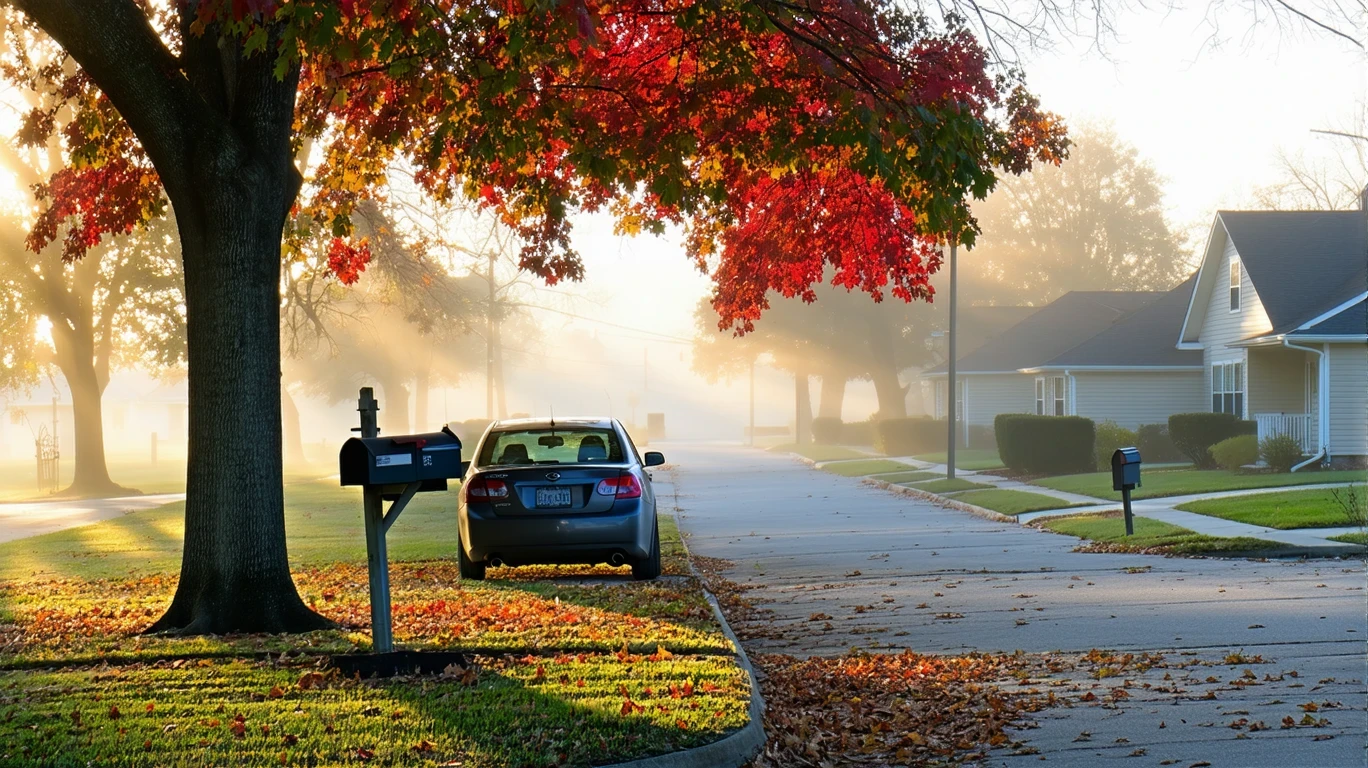
What It Actually Feels Like to Live Here
Missouri City tends to reward people who value space, community diversity, and proximity to Houston’s job market while accepting car dependency and planning friction as part of the deal. The city’s emotional tone is shaped by a few recurring tensions:
Space and affordability vs. amenity density. Residents appreciate larger homes and yards compared to inner Houston, but that space comes at the cost of walkable access to daily needs. Food and grocery options cluster along specific corridors rather than spreading throughout neighborhoods, which means errands require intentional trips and time behind the wheel.
Diversity and community pride vs. infrastructure gaps. Missouri City’s demographic mix is a genuine point of pride for many residents, creating a welcoming feel that stands out in the region. But that community strength doesn’t always translate into the kind of family infrastructure—playgrounds, schools, parks—that households expect in a suburban setting. Density falls below typical thresholds, creating logistical challenges for parents managing multiple kids’ activities.
Houston access vs. commute fatigue. The city’s location offers real access to Houston’s economy and culture, but daily commutes add up. Traffic patterns and distance create time costs that shape household decisions about work, childcare, and social life.
People who feel at home here tend to prioritize home environment over neighborhood walkability, value diversity as a lived experience rather than a talking point, and build routines around driving without resentment. Those who struggle often came expecting urban-style convenience or underestimated how much time they’d spend in the car managing household logistics.
What People Are Talking About Online
Public discussion in Missouri City circles around a few persistent themes: growth, commute stress, community identity, and the search for local character beyond chain retail.
On neighborhood-focused platforms and local social media, residents frequently express pride in the city’s diversity and family-friendly reputation, but also frustration with traffic congestion and limited dining or entertainment options that don’t require a drive. The tone is rarely angry—more often it’s a kind of affectionate exasperation, the voice of people who chose the city intentionally but wish certain things worked better.
Common refrains include:
“We love the neighborhood and the people, but I swear we spend half our lives in the car just getting to normal stuff.”
“It’s one of the most diverse suburbs you’ll find, and that actually matters day-to-day. It’s not just a statistic.”
“I wish there were more local spots—coffee shops, parks, places you could just walk to. Everything here is a drive and a parking lot.”
Growth is a recurring topic, with mixed feelings. Some residents welcome new development as a sign of investment and improvement; others worry about losing the community feel or worsening traffic. The conversation rarely splits into clear pro- or anti-growth camps—it’s more about managing change without losing what people valued in the first place.
How Local Coverage Frames the City
Local news and community coverage tend to frame Missouri City through a few recurring lenses: suburban growth and development, regional identity within the Houston metro, infrastructure and transportation challenges, and community events that reinforce the city’s diverse character.
Typical coverage themes include:
- “Community Celebrates Cultural Events and Diversity”
- “Residents Weigh Growth Against Traffic and Crowding”
- “New Retail and Dining Developments Arrive Along Major Corridors”
- “Families Navigate School Choices and Commute Tradeoffs”
- “City Explores Infrastructure Improvements as Population Grows”
The tone is generally constructive but not uncritical. Coverage acknowledges both the appeal of suburban life and the friction points that come with it—commute times, limited walkability, the challenge of maintaining community cohesion as the city expands. There’s an underlying sense that Missouri City is still defining itself, caught between bedroom community and independent suburban hub.
What Reviews and Public Perception Reveal
On platforms where residents and visitors share experiences—Google reviews, neighborhood apps, local forums—Missouri City’s perception splits along predictable lines based on what people were hoping to find.
What tends to delight: People who wanted suburban space, diversity, and a family-oriented environment often find exactly that. They praise the sense of community, the relative affordability compared to inner Houston or Sugar Land, and the ability to get a larger home with a yard. Parents appreciate the schools and parks that do exist, even if they wish there were more.
What tends to disappoint: Those expecting walkable neighborhoods, abundant local dining, or easy non-car access to daily needs hit friction quickly. The car dependency isn’t theoretical—it’s a daily reality that shapes everything from grocery runs to social plans. People who moved from denser urban areas or walkable suburbs elsewhere often express surprise at how much driving is required for routine tasks.
Neighborhood variation: Newer planned developments tend to offer more cohesive amenities and aesthetic consistency, while older pockets of the city feel more established but sometimes less polished. The experience can vary significantly depending on which part of Missouri City you land in, though the car-dependent structure remains consistent throughout.
Healthcare access gets mixed feedback. Clinics and pharmacies handle routine needs locally, but hospital care requires travel, which can feel limiting for families with young children or aging parents.
How Missouri City Compares to Nearby Alternatives
| Dimension | Missouri City | Sugar Land | Pearland |
|---|---|---|---|
| Overall Vibe | Diverse, family-oriented, car-dependent with moderate walkability pockets | Polished, affluent, master-planned with strong amenities | Growing, mixed suburban-commercial, moderate density |
| Community Feel | Welcoming diversity, strong cultural identity | Established, professional, family-focused | Evolving, younger demographic, less defined identity |
| Walkability | Limited; errands clustered along corridors | Better in planned sections, still car-oriented overall | Minimal; heavily car-dependent |
| Affordability | Moderate; more accessible than Sugar Land | Higher cost, premium positioning | Comparable to Missouri City, slight variation by area |
| Commute Tradeoff | Distance to Houston jobs, traffic exposure | Similar commute challenges, slightly better infrastructure | Longer commute to central Houston, heavy freeway reliance |
The comparison isn’t about declaring a winner—it’s about matching expectations to reality. If you value diversity and want more home for your money without the premium price tag of Sugar Land, Missouri City delivers. If you prioritize polished amenities, master-planned cohesion, and don’t mind paying more, Sugar Land might feel more aligned. If you’re looking for newer development and don’t mind a longer commute, Pearland offers similar suburban structure with a different growth trajectory.
All three require accepting car dependency and commute time as part of the deal. The question is which tradeoffs feel worth it for your household’s priorities.
Voices from Different Life Stages
“We moved here from an apartment in Montrose, and the space is incredible. But I do miss being able to walk to dinner or grab coffee without planning a whole outing.”
— Young professional, recently relocated
“The diversity here is real, not performative. Our kids go to school with families from all over, and that matters to us more than having a fancy town center.”
— Parent of two elementary-age children
“It’s a solid suburb if you’re okay with driving everywhere. I work from home, so the commute doesn’t hit me, but my partner spends over an hour each way and it’s wearing.”
— Remote worker, married to Houston commuter
“I’ve been here twenty years and watched it grow. It’s better in some ways—more options, more investment—but the traffic is worse and it feels less like a small town.”
— Long-time resident
“We chose Missouri City for the schools and the yard, and we got both. But finding a park that’s actually close and well-maintained? That’s been harder than expected.”
— Parent of preschooler
“If you’re looking for nightlife or walkable neighborhoods, this isn’t it. But if you want a safe, diverse place to raise kids with reasonable housing tradeoffs, it works.”
— Family with teenagers
“Honestly, it’s fine. Not exciting, not terrible. You get space, you drive a lot, you make it work. Just don’t expect it to feel urban.”
— Retiree, downsized from larger home
The Day-to-Day Reality of Getting Around
One of the most defining aspects of life in Missouri City is how people actually move through their daily routines. The city’s structure—moderate pedestrian infrastructure in some areas, but errands and services clustered along specific corridors—means that even short trips often require a car.
Bus service exists, but it functions more as a lifeline for specific populations than a practical alternative for most households managing work, school, and errands. The mixed building heights and presence of both residential and commercial land use suggest some walkable potential, but in practice, the distances between home and daily needs create friction that adds up over time.
For families, this structure translates into logistical complexity. School drop-offs, grocery runs, extracurricular activities, and healthcare appointments all require separate car trips, often along congested routes during peak hours. The time cost isn’t just about distance—it’s about the cumulative burden of managing a household when nothing is truly nearby.
People who thrive here tend to build routines that accept this reality: they batch errands, plan trips strategically, and don’t resent the time spent driving. Those who struggle often underestimated how much the car dependency would shape their daily experience, especially if they’re coming from denser, more walkable environments.
How this article was built: In addition to public economic data, this article incorporates location-based experiential signals derived from anonymized geographic patterns—such as access density, walkability, and land-use mix—to reflect how day-to-day living actually feels in Missouri City, TX.
Does Missouri City Feel Like a Good Fit?
Missouri City doesn’t ask you to love everything about it—it asks whether you can live comfortably with its particular set of tradeoffs.
This tends to work for: Families seeking suburban space and diversity near Houston’s job market, households comfortable with car-dependent routines, people who prioritize home environment and community over walkability, and those looking for relative affordability compared to inner Houston or premium suburbs.
This tends to frustrate: Walkability seekers, urbanists expecting mixed-use texture, households trying to minimize commute time, and people who value dense, immediate access to amenities and services.
The city’s emotional profile is shaped by what it offers—space, diversity, community—and what it requires in return: time in the car, planning friction, and acceptance of infrastructure gaps. Whether that exchange feels fair depends entirely on what you’re optimizing for.
If you’re still weighing whether Missouri City aligns with your priorities, it’s worth exploring how the cost structure plays out day-to-day, what the lifestyle requirements actually demand, and how housing options shape your long-term flexibility.
The perspectives shown reflect commonly expressed local sentiment and recurring themes in public discussion, rather than individual accounts.