
“I tried the bus for a few weeks when my car was in the shop,” a Missouri City resident told me recently. “It got me to work, but groceries on the way home? Picking up my kid? That’s when I realized why everyone here drives.”
That’s the transportation reality in Missouri City: it’s a place where what a budget has to handle includes car ownership for most households, not because transit doesn’t exist, but because daily life here is structured around driving. Understanding how people actually get around—and who can make transit work—matters as much as knowing rent or home prices.
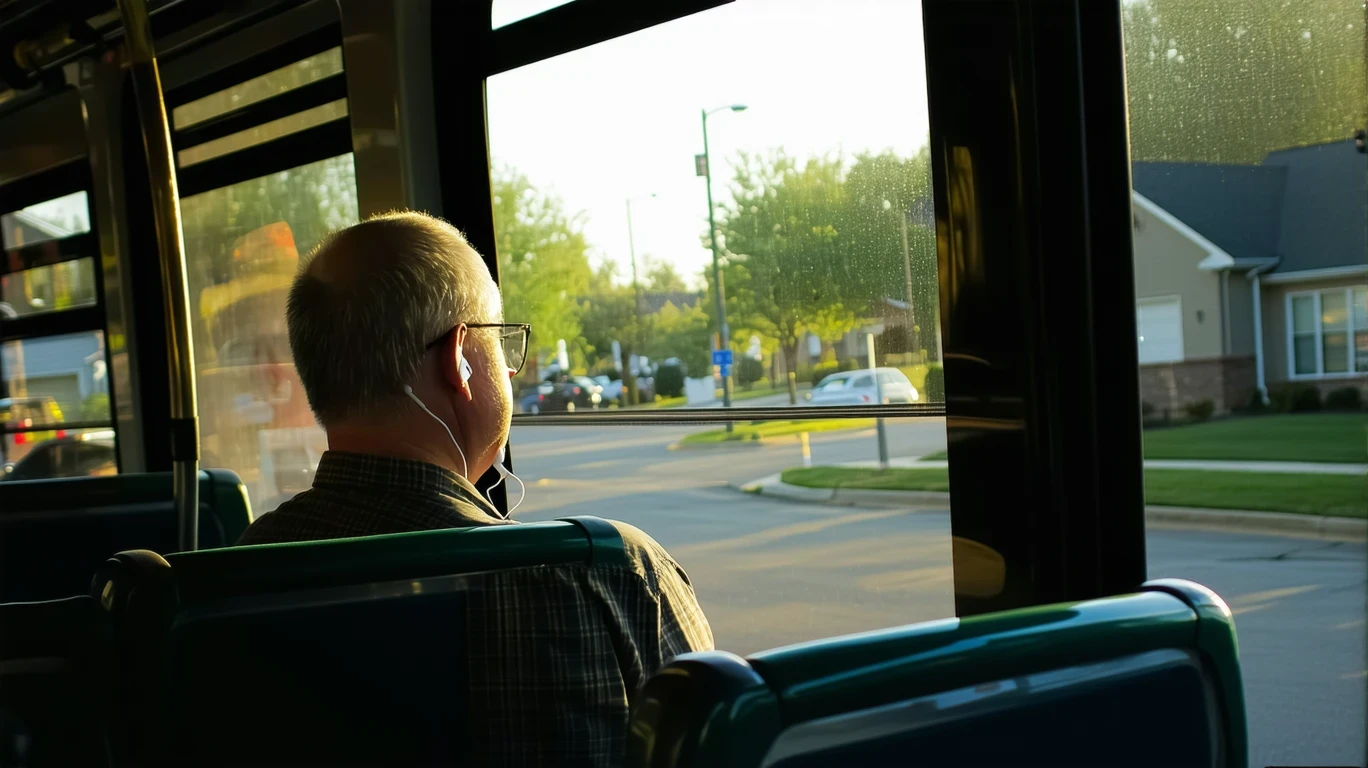
How People Get Around Missouri City
Missouri City sits southwest of Houston, part of the broader metro sprawl where development followed highways, not rail lines. The result is a car-first environment with moderate pedestrian infrastructure in pockets and bus service that connects key corridors but doesn’t blanket the city. Most households here own at least one vehicle, and many own two.
The layout reflects suburban growth patterns: residential neighborhoods branch off main roads, commercial activity clusters along corridors, and distances between home, work, school, and errands often exceed comfortable walking range. Sidewalks exist in many areas, and some streets support casual walking or jogging, but the pedestrian-to-road ratio sits in a middle band—enough to move around your immediate block, not enough to replace a car for daily logistics.
Newcomers often underestimate how much driving shapes routine decisions here. It’s not that Missouri City lacks infrastructure; it’s that the infrastructure assumes car access as the baseline.
Public Transit Availability in Missouri City
Public transit in Missouri City often centers around systems such as METRO, Houston’s regional transit authority, which operates bus routes connecting Missouri City to Houston’s core employment centers and surrounding areas. Coverage exists, but it’s corridor-focused rather than comprehensive.
Bus service works best for residents living near major thoroughfares with direct routes into Houston or to regional job hubs. If your commute aligns with an established route and your schedule fits the service window, transit becomes a viable option. But if you live outside those corridors, or if your day involves multiple stops—dropping kids at school, picking up groceries, running errands—bus service quickly becomes impractical.
Transit here plays a supplemental role. It connects Missouri City to the broader metro, but it doesn’t replace the need for a car in most households. Late hours, weekend frequency, and coverage in residential pockets remain limited. For families managing school pickups, activities, and weekend errands, the car stays essential.
Driving & Car Dependence Reality
Driving isn’t just common in Missouri City—it’s the default. The city’s layout, with residential areas spreading out from commercial corridors and limited density, makes car ownership a practical necessity for most households. Parking is abundant and typically free, which removes one of the friction points that makes driving costly or inconvenient in denser urban cores.
Commutes here often involve highway driving, whether you’re heading into Houston for work or navigating between Missouri City’s neighborhoods and retail areas. The road network supports this: major routes like Highway 6 and the Sam Houston Tollway provide access, but they also mean that commute times and fuel costs become part of the household calculus.
For families, driving offers flexibility that transit can’t match. You can chain trips—school drop-off, grocery run, picking up a prescription—without waiting for transfers or adjusting to fixed schedules. That control comes with exposure to fuel price swings (currently around $3.84 per gallon), maintenance costs, and the time spent behind the wheel, but most households here accept that tradeoff as part of living in a car-oriented suburb.
Commuting Patterns & Daily Mobility
Commuting in Missouri City typically means driving, either to jobs within the city or to employment centers in Houston and surrounding areas. The commute structure varies: some residents work locally and keep trips short, while others absorb longer drives into Houston’s core or to industrial and commercial zones scattered across the metro.
Because Missouri City sits within a sprawling metro area, commute patterns aren’t uniform. A household working in Houston’s Medical Center faces a different daily reality than one with jobs in nearby Stafford or Sugar Land. Proximity to major highways becomes a key factor in how much time and fuel a commute consumes.
For households with two working adults, the logistics multiply. If both partners commute in different directions, or if one works traditional hours while the other has shift work, the flexibility of driving becomes non-negotiable. Transit works for single-destination, predictable commutes, but it struggles with the variability that defines many households’ daily routines.
Who Transit Works For — and Who It Doesn’t
Transit in Missouri City fits a specific profile: individuals or households with straightforward, single-destination commutes along established bus corridors. If you live near a bus route, work in a Houston area served by that route, and maintain a schedule that aligns with service hours, transit can reduce your transportation costs and eliminate the need for a second car.
Renters in corridor-clustered areas—where food, grocery, and some services sit within walking or short bus distance—have the best chance of making transit work as part of a broader mobility strategy. For them, the bus handles the commute, and nearby commercial options reduce the need for frequent driving.
Transit doesn’t work well for families managing multiple daily stops, households in neighborhoods outside bus coverage, or workers with non-traditional hours. School pickups, extracurricular activities, weekend errands, and evening shifts all push households back toward car dependence. The infrastructure supports some transit use, but it doesn’t support a car-free lifestyle for most.
Transportation Tradeoffs in Missouri City
Choosing between transit and driving in Missouri City isn’t about affordability alone—it’s about control, predictability, and how your household’s daily logistics actually work.
Transit offers lower direct costs: no fuel, no maintenance, no insurance. But it requires alignment. Your home, your job, and your daily routine need to fit the available routes and schedules. When they do, transit reduces financial exposure and frees up time you’d otherwise spend driving. When they don’t, transit adds friction—longer trip times, limited flexibility, and the need to plan around fixed schedules.
Driving offers control. You leave when you want, stop where you need to, and handle multi-stop days without waiting for transfers. That flexibility comes with ongoing costs—fuel, maintenance, insurance, and depreciation—but it also removes the constraints that make transit impractical for many households here.
The tradeoff isn’t binary. Some households use both: one adult drives, the other takes the bus. Others drive most days but use transit for specific commutes. The key is understanding which pattern fits your household’s actual needs, not which one sounds better in theory.
FAQs About Transportation in Missouri City (2026)
Is public transit usable for daily commuting in Missouri City?
Yes, if your commute aligns with available bus routes and your schedule fits service hours. Transit works best for single-destination commutes into Houston or along major corridors. It’s less practical for multi-stop days or households outside bus coverage areas.
Do most people in Missouri City rely on a car?
Yes. The city’s layout, residential spread, and limited transit coverage make car ownership the norm. Most households own at least one vehicle, and many own two to manage work, school, and errands.
Which areas of Missouri City are easiest to live in without a car?
Areas near bus corridors with nearby commercial clusters offer the best chance of reducing car dependence. Even there, most households find a car necessary for errands, family logistics, and flexibility.
How does commuting in Missouri City compare to nearby cities?
Missouri City shares the car-oriented commute pattern common across Houston’s suburbs. Proximity to highways and distance from Houston’s core shape commute length and fuel exposure, but the reliance on driving is consistent across the region.
Can you get by with one car in Missouri City?
Some households do, especially if one partner works from home, uses transit, or has a schedule that allows car-sharing. For most families with two working adults and children, two cars remain the practical default.
How Transportation Fits Into the Cost of Living in Missouri City
Transportation isn’t just a line item—it’s a structural factor that shapes where you can live, how much time you spend commuting, and how much flexibility your household retains. In Missouri City, that structure leans heavily toward car ownership, which means fuel, insurance, and maintenance become recurring costs that interact with housing choice and income.
Because the city’s layout and transit coverage assume car access, households here face a different set of tradeoffs than those in transit-rich urban cores. You gain space, parking, and control, but you absorb the ongoing costs of driving. For families, that tradeoff often makes sense—especially when housing costs remain more manageable than in denser areas closer to Houston.
If you’re planning a move to Missouri City, factor transportation into your decision early. Understand your commute, know where bus routes run, and be realistic about how your household’s daily logistics will actually work. The city offers a suburban quality of life with access to Houston’s job market, but that access comes with the expectation that you’ll drive to reach it.
How this article was built: In addition to public economic data, this article incorporates location-based experiential signals derived from anonymized geographic patterns—such as access density, walkability, and land-use mix—to reflect how day-to-day living actually feels in Missouri City, TX.