
For many households in Miramar, the shock of a $250 summer electric bill isn’t an anomaly—it’s the seasonal reality of living in South Florida’s extended cooling season. Understanding how utility expenses behave in Miramar helps residents budget for the months when air conditioning runs nearly around the clock, and when smaller line items like water and trash add steady, predictable costs to the monthly total.
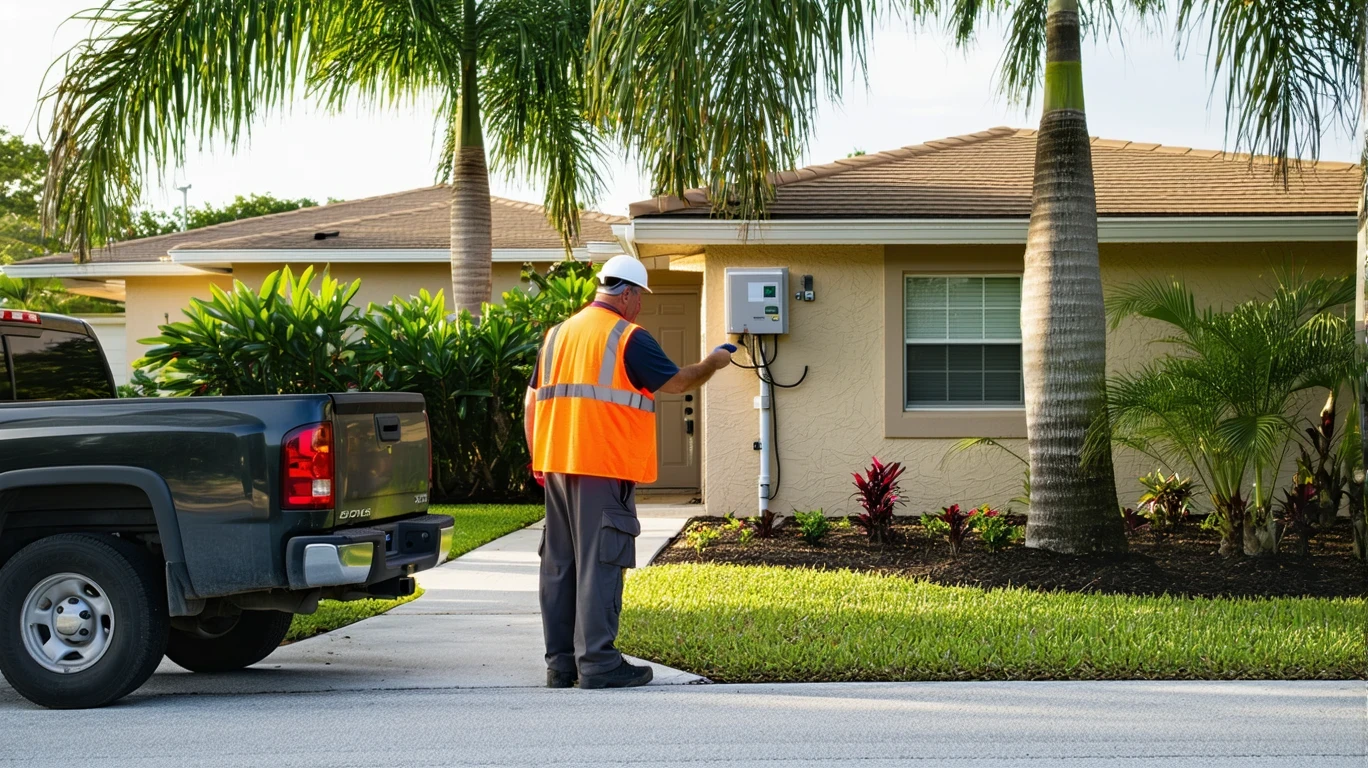
Understanding Utilities in Miramar
Utility costs in Miramar represent the second-largest recurring expense for most households after housing, yet they behave very differently depending on home type, efficiency, and seasonal exposure. Unlike rent or a mortgage payment, utilities fluctuate month to month based on weather, usage habits, and billing structures that reward—or penalize—peak consumption. For families moving to Miramar from cooler climates or denser urban areas where utilities were often bundled into rent, the shift to direct billing and summer cooling intensity can feel abrupt.
In Miramar, the core utility categories include electricity, water, natural gas, and trash and recycling services. Electricity dominates the budget, especially during the long stretch from May through October when daytime heat and humidity keep air conditioning systems cycling constantly. Water is typically billed on tiered usage rates, meaning higher consumption triggers higher per-unit costs. Natural gas, where available, plays a minor role in most Miramar homes—heating demand is rare, and many properties rely on electric water heaters and ranges. Trash and recycling fees are often bundled with water service or included in homeowners association dues, depending on neighborhood structure.
For renters in apartment complexes, water, trash, and sometimes even basic cable or internet may be included in the lease, simplifying budgeting but obscuring the true cost structure. Single-family homeowners and townhome residents, by contrast, receive separate bills for each utility and face the full seasonal swings. This difference matters when comparing housing options: an apartment with utilities included may appear more expensive on paper, but it also caps exposure to summer spikes and eliminates the need to manage multiple provider accounts.
Utilities at a Glance in Miramar
The table below shows how core utility costs typically behave for a mid-size household in a single-family home in Miramar. Where city-level prices are available in the data feed, they are shown directly. When exact figures are not provided, categories are described qualitatively to reflect how costs are structured and what drives variability.
| Utility | Cost Structure |
|---|---|
| Electricity | ~$159/month (illustrative, 1,000 kWh at 15.92¢/kWh) |
| Water | Tiered pricing; usage-dependent |
| Natural Gas | $23.62/MCF; minimal heating demand |
| Trash & Recycling | Often bundled with water or HOA |
| Total | Seasonal variability driven by electricity and cooling exposure |
This table reflects utility cost structure for a mid-size household in a single-family home in Miramar during 2026. Where exact figures are not provided in the IndexYard data feed, categories are described directionally to reflect how costs behave rather than a receipt-accurate total.
Electricity is billed per kilowatt-hour, and in Miramar’s climate, monthly usage can easily double or triple during peak summer compared to mild winter months. The rate itself—15.92¢/kWh—sits close to the Florida average, meaning cost exposure comes primarily from volume, not price. Homes with older air conditioning units, poor insulation, or west-facing windows see the highest bills, while newer construction with energy-efficient HVAC systems and programmable thermostats can stay closer to baseline usage even in July and August.
Water costs in Miramar are structured around tiered usage, meaning the first block of gallons costs less per unit than subsequent blocks. Households that irrigate lawns, fill pools, or run multiple loads of laundry daily will hit higher tiers and see costs rise accordingly. Many neighborhoods in Miramar include landscaping and irrigation as part of HOA services, which shifts some water expense into association dues rather than direct utility bills.
Natural gas plays a limited role in most Miramar households. Heating demand is minimal—most winters require only occasional furnace use, if any—and many homes rely entirely on electric appliances. Where natural gas is available, it’s typically used for water heaters or cooking ranges, resulting in low, stable monthly charges outside of rare cold snaps.
Trash and recycling services are often bundled with water billing or included in HOA fees, particularly in planned communities and townhome developments. For single-family homes outside HOA coverage, trash service is billed separately, usually as a flat monthly fee with options for additional bins or bulk pickup. Costs are predictable and low relative to other utilities, but the billing entity and payment method vary widely by neighborhood.
How Weather Impacts Utilities in Miramar
Miramar’s subtropical climate creates a utility cost profile that is heavily skewed toward cooling. Summer heat and humidity dominate the calendar from late spring through early fall, with daytime highs regularly pushing into the low 90s and overnight lows offering little relief. Air conditioning isn’t optional—it’s the baseline condition for maintaining livable indoor temperatures, and for most households, it’s the single largest driver of monthly electric bills. Many Miramar residents experience electric costs that are 50% to 100% higher in July compared to February, even when rates remain constant.
Winter in Miramar brings mild, dry conditions that reduce cooling demand and occasionally eliminate it entirely. Heating needs are rare and brief—most years see only a handful of nights cold enough to justify turning on a furnace, and even then, usage is measured in hours rather than days. This creates a sharp seasonal contrast: winter utility bills often represent the floor of annual spending, while summer bills represent the ceiling. The gap between the two can be jarring for households new to the region or unfamiliar with the intensity of Florida’s cooling season.
One regional quirk that affects Miramar utility costs is the combination of heat and humidity, which forces air conditioning systems to work harder to remove moisture from indoor air, not just lower temperature. This dehumidification load increases energy consumption beyond what dry-heat climates experience at similar temperatures. Homes with poor ventilation, older ductwork, or undersized AC units face even steeper costs, as systems run longer cycles to achieve the same comfort level. Conversely, homes with ceiling fans, shade trees, and reflective roofing materials can reduce cooling demand without sacrificing indoor comfort.
How to Save on Utilities in Miramar
Reducing utility costs in Miramar starts with controlling electricity exposure, since cooling dominates the budget for most of the year. Programmable or smart thermostats allow households to raise temperatures during work hours and pre-cool before peak evening rates, reducing both usage and demand charges. Ceiling fans extend the comfort range of higher thermostat settings by improving air circulation, and blackout curtains or reflective window film block solar heat gain during the hottest part of the day. These measures don’t eliminate cooling costs, but they flatten the peaks and reduce the intensity of summer bill spikes.
Many utility providers in South Florida offer time-of-use billing programs that charge lower rates during off-peak hours, typically overnight and on weekends. Households that can shift laundry, dishwashing, and water heating to these windows can lower their effective cost per kilowatt-hour without reducing total usage. Some providers also offer budget billing plans that average costs across the year, smoothing out seasonal swings and making monthly expenses more predictable—though this doesn’t reduce total annual spending, it does simplify cash flow planning.
- Enroll in off-peak or time-of-use billing programs to take advantage of lower overnight rates
- Install a programmable thermostat and raise cooling setpoints by 2–3 degrees during unoccupied hours
- Plant shade trees on south- and west-facing sides of the home to reduce solar heat gain
- Seal ductwork and add attic insulation to reduce cooling loss in older homes
- Check for utility rebates on high-efficiency air conditioning units, water heaters, and appliances
- Switch to LED lighting throughout the home to reduce both electric load and heat output
- Use ceiling fans to extend the comfort range of higher thermostat settings
🏆 Tip: Check if your provider in Miramar offers rebates for energy-efficient AC units or heating systems—many South Florida utilities provide incentives for SEER-rated upgrades that can offset installation costs.
FAQs About Utility Costs in Miramar
Why are utility bills so high in Miramar during the summer?
Miramar’s extended cooling season and high humidity force air conditioning systems to run nearly continuously from May through October, which drives electric usage well above winter baselines. Homes with older AC units or poor insulation see the steepest increases, often doubling or tripling their off-season bills.
What is the average monthly electric bill for an apartment in Miramar compared to a single-family home?
Apartments typically use less electricity due to smaller square footage, shared walls that reduce heat gain, and central HVAC systems that are often more efficient than individual home units. Single-family homes, especially those with pools, large yards, or west-facing exposure, tend to see significantly higher cooling costs during peak months.
Do HOAs in Miramar usually include trash or water in their fees?
Many planned communities and townhome developments in Miramar bundle trash, recycling, and sometimes water or irrigation into monthly HOA dues. Single-family homes outside HOA coverage typically receive separate bills for each utility, though this varies by neighborhood and service provider.
How does seasonal weather affect monthly utility bills in Miramar?
Summer heat and humidity create the highest utility costs of the year, with electric bills often peaking in July and August. Winter months bring mild temperatures and minimal heating demand, resulting in the lowest annual bills. The seasonal swing can be dramatic—many households see costs drop by half or more between summer and winter.
Does Miramar offer incentives for solar panels or energy-efficient appliances?
Florida provides state-level incentives for solar installations, including property tax exemptions and net metering programs that credit excess generation back to the grid. Some local utilities also offer rebates for high-efficiency air conditioning units, water heaters, and insulation upgrades, though availability and amounts vary by provider and funding cycle.
How Utilities Fit Into the Cost Structure in Miramar
Utilities in Miramar function as both a predictable baseline expense and a source of seasonal volatility. Unlike housing costs, which remain fixed month to month, utility bills respond directly to weather, usage habits, and home efficiency. This makes them one of the few major household expenses where residents retain meaningful control—better insulation, smarter thermostat settings, and off-peak usage can all reduce costs without requiring a move or a lifestyle change. For households evaluating [What Costs People Most in Miramar (and Why)](/miramar-fl/cost-overview/), utilities represent a category where small investments in efficiency can yield ongoing savings.
The structure of utility costs also varies significantly by housing type. Renters in apartments with bundled utilities face simpler budgeting but less control over usage and rates. Single-family homeowners shoulder the full seasonal swings but can also capture the benefits of efficiency upgrades, solar installations, and provider incentives. Townhome residents often fall somewhere in between, with HOA-managed services reducing billing complexity while still exposing households to usage-based charges for electricity and water. Understanding these differences helps clarify why two households with similar incomes may experience very different utility burdens depending on where and how they live.
For families planning [What a Budget Has to Handle in Miramar](/miramar-fl/monthly-budget/), utilities should be modeled as a variable expense with a known seasonal pattern rather than a fixed line item. Summer months will test the upper end of the range, while winter months offer a reprieve. Households that budget based on average annual costs—rather than winter lows—will avoid the cash flow strain that comes with July and August bills. Those who can shift discretionary spending away from peak utility months, or who build a small reserve during low-cost winter months, gain flexibility and reduce financial stress during the hottest part of the year.
How this article was built: In addition to public economic data, this article incorporates location-based experiential signals derived from anonymized geographic patterns—such as access density, walkability, and land-use mix—to reflect how day-to-day living actually feels in Miramar, FL.