
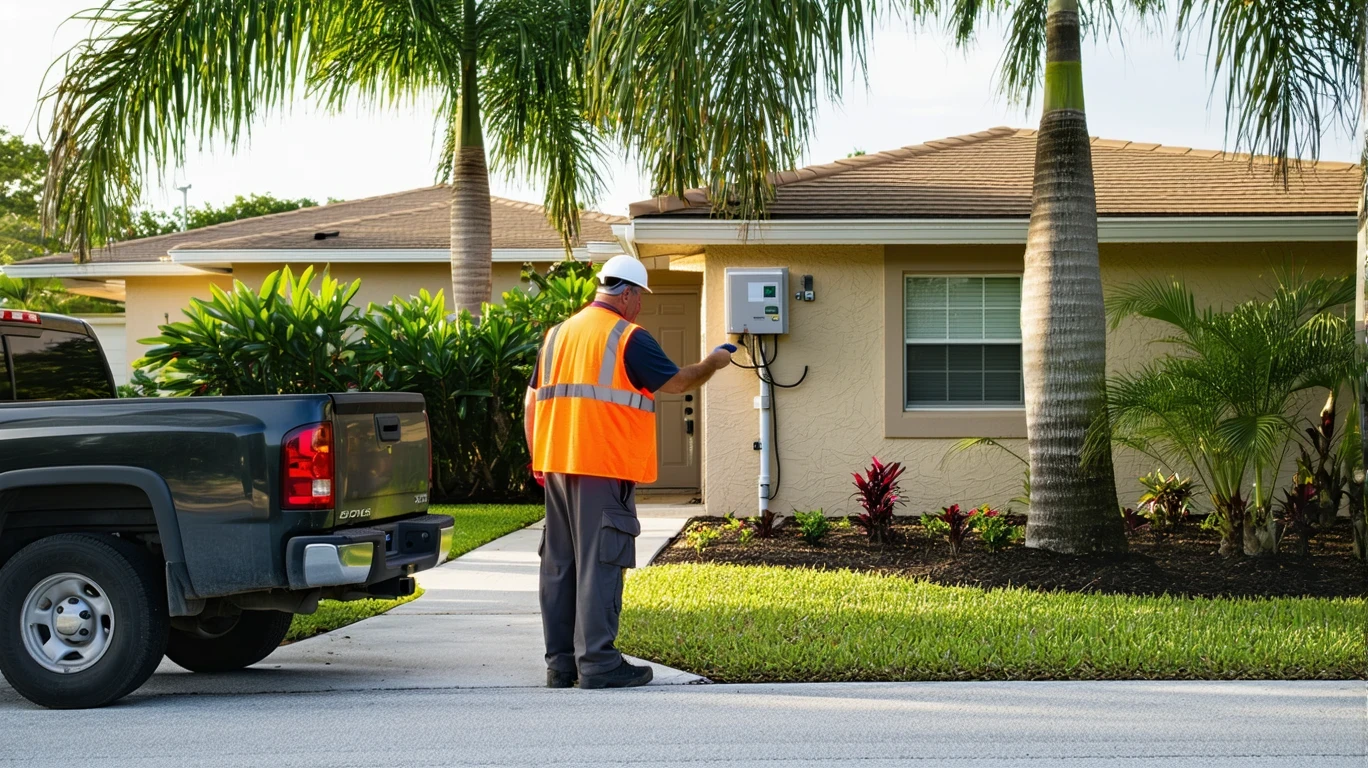
Understanding Utilities in Miramar
Many people believe that utility costs in Miramar, FL are sky-high due to the tropical climate and year-round air conditioning needs. However, the truth is that while cooling does drive up electric bills, Miramar’s utility costs are actually quite close to the national average. In 2025, a typical household in Miramar spends between $200 and $300 per month on core utilities like electricity, water, natural gas, and trash service.
For residents and new movers alike, understanding the utilities cost in Miramar is crucial for smart budgeting. Utilities are often the second-largest monthly expense after housing, accounting for 5–10% of a household’s take-home pay. While renters in apartments may have some utilities included, most homeowners in Miramar are responsible for the full suite of electric, water, gas, trash, and recycling bills.
One quick stat: The average household in Miramar spends around $250/month on utilities in 2025, though this can vary from $150 for a small apartment to over $400 for a large single-family home.
Monthly Utility Estimates for Miramar
To help you plan, here’s a breakdown of typical monthly utility costs for a mid-size household in a single-family home in Miramar. Keep in mind that actual bills will vary based on your specific usage, home size, and neighborhood.
| Electricity | $135 |
| Water | $60 |
| Natural Gas | $45 |
| Trash & Recycling | $25 |
| Total | $265 |
Estimates reflect a mid-size household in a single-family home in 2025. Actual bills vary by household size, season, and neighborhood.
Electricity often accounts for nearly half of the monthly utility bill in Miramar. At an average rate of 13.5¢/kWh, a household using 1,000 kWh per month would pay around $135. However, summer bills can easily double as air conditioners work overtime to combat the heat and humidity.
Water costs in Miramar typically fall between $20 and $100 per month, depending on your usage tier, irrigation needs, and sewer fees. The average household using 5,000 gallons would pay around $60/month.
For homes with natural gas, bills often run $30–$60 for general cooking and hot water use. However, winter heating can push monthly costs to $80–$120 as furnaces click on. Miramar’s mild winters keep heating loads lower than in Northern states.
Trash and recycling in Miramar are sometimes included in city services or HOA dues, but standalone bills typically range from $15–$40 per month. We use a $25 midpoint for estimation, but your specific neighborhood may vary.
Methodology: Where available, estimates use 2025 local rates from sources such as the EIA, Census Bureau, and municipal utilities (electricity, gas, water, trash). Electricity assumes ~1,000 kWh/month; gas assumes ~50 therms off-peak; water assumes ~5,000 gallons. Actual bills vary by season, household size, home efficiency, and neighborhood.
How Weather Impacts Utilities in Miramar
Miramar’s tropical climate means air conditioners run most of the year, driving electric bills higher in summer and shoulder months. Many households see cooling costs rise 30–50% from June through September compared to the milder spring period. Humidity also takes a toll, making AC systems work harder to wring moisture from the air.
Winter heating costs are relatively low thanks to Miramar’s warm January lows around 60 °F. While Northern transplants may switch on the heat, most homes can get by with windows open on cooler days. For households with gas furnaces, expect to use 80–120 therms per month during the short winter season from December to February.
One regional quirk: The combination of heat, humidity, and irrigation can cause water bills to spike in summer, too. Miramar’s tiered water rates mean the price per gallon rises sharply above certain usage thresholds. Watering the lawn a few extra times can lead to an unwelcome surprise when the bill arrives.
How to Save on Utilities in Miramar
While utility costs are a fact of life, there are plenty of ways for savvy Miramar residents to trim their bills. Start by taking advantage of off-peak and seasonal billing options from your local electric and gas providers. Many offer discounted rates for shifting usage to low-demand hours.
Upgrading to energy-efficient appliances and installing a smart thermostat can also yield major savings, especially with cooling accounting for such a large share of the bill. Look for local incentives and rebates to offset the upfront cost.
Other utility savings tips for Miramar:
- Install solar panels to harness South Florida’s abundant sunshine
- Plant shade trees near your home’s sunny walls and windows
- Add insulation to keep conditioned air inside
- Fix leaky faucets and irrigation systems to conserve water
- Opt into budget billing to equalize costs across the year
🏆 Tip: Check if your provider in Miramar offers rebates for energy-efficient AC units or heating systems. An upgrade could pay for itself in just a few years.
FAQs About Utility Costs in Miramar
What is the average monthly electric bill for an apartment in Miramar compared to a single-family home?
In 2025, apartments in Miramar typically see electric bills around $80–$120 per month, while single-family homes usually pay $130–$250. The difference comes down to square footage, cooling needs, and the efficiency of windows and insulation.
Do HOAs in Miramar usually include trash or water in their fees?
It varies by community, but most HOAs in Miramar roll trash and recycling into their monthly dues. Water and sewer are more commonly billed separately to each homeowner based on individual meter readings. Always ask for a breakdown of what utilities are included before buying into an HOA property.
How much should a family of four budget for utilities in Miramar each month?
In 2025, a family of four living in a typical Miramar home should plan on spending $300–$450 per month for electricity, water, natural gas, trash, and recycling combined. Cooling will be the biggest component, so upgrading to an efficient AC system can help keep costs under control.
How does seasonal weather affect monthly utility bills in Miramar?
Miramar’s long, hot summers cause electric bills to soar from June through September as air conditioners battle the heat and humidity. Winter heating costs are milder, but expect a bump in natural gas or electric use on the chilliest days from December to February. Water bills may also rise in summer if you have an irrigation system running overtime.
Does Miramar offer incentives for solar panels or energy-efficient appliances?
Yes! Miramar and its utility partners offer a range of rebates and tax credits for upgrading to more efficient AC units, heat pumps, insulation, windows, and major appliances. Homeowners can also get discounts for installing rooftop solar panels to harness the Florida sunshine. Check with your local providers for the latest offers in 2025.
Smarter Utility Planning in Miramar
For most households in Miramar, electricity and cooling will be the biggest utility cost drivers, followed by water and irrigation in the hot summer months. Expect to budget around $250 per month for the utility basics in 2025, with apartments and condos on the lower end and large single-family estates on the higher end.
Of course, utilities are just one piece of the overall cost of living in Miramar. Housing, transportation, food, healthcare, and other necessities also play a major role. That’s why it’s so important to understand the full picture before making a move.
At IndexYard, our detailed cost of living guides for Miramar and other South Florida cities can help you plan a budget that fits your lifestyle and goals. We dive deep into the numbers behind housing costs, property taxes, transportation options, and more. Plus, our neighborhood-level data can help you find the perfect spot to call home.
Ready to take control of your budget and make a smart move in 2025? Explore our Miramar Cost of Living and Miramar Housing Costs guides to start planning today.