
You’re standing in a coffee shop in Mesa, scrolling through apartment listings, and you ask the person next to you: “Will I actually like living here?” They pause, smile a little, and say, “Depends what you’re running from — and what you’re hoping to find.”
That’s Mesa in a sentence. It’s a city that rewards people who want suburban comfort without total isolation, who appreciate proximity to Phoenix without living in it, and who value outdoor access and practical amenities over nightlife and cultural buzz. But it frustrates those who expect consistent urban texture, walkable everything, or a strong independent identity separate from the metro sprawl.
This article translates the emotional tone of living in Mesa through the lens of public discussion — the recurring themes, tradeoffs, and alignment questions that show up again and again in local conversation. It’s not about proving Mesa is “happy” or “unhappy.” It’s about helping you predict whether the things that delight some people here will delight you — or drive you quietly crazy.
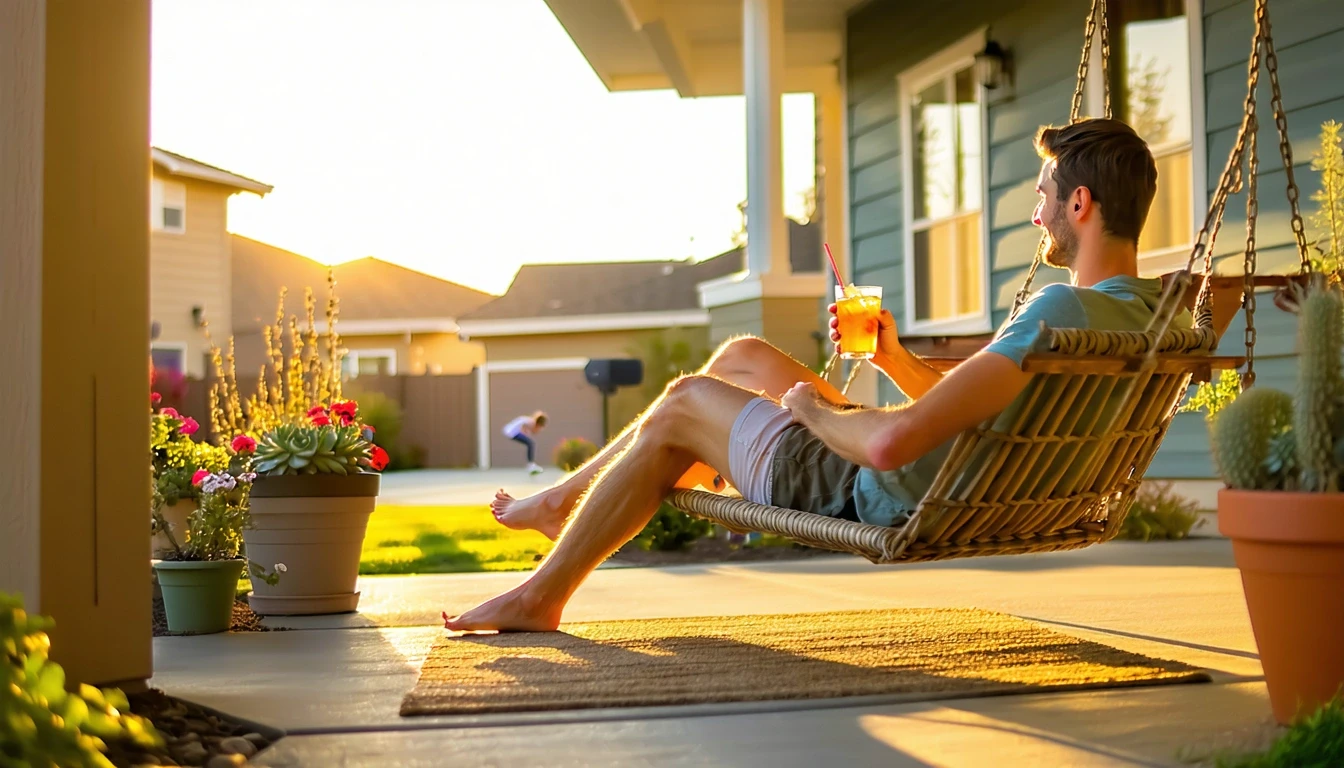
The Emotional Landscape of Mesa
Mesa sits in an interesting tension: it’s Arizona’s third-largest city by population, but it doesn’t feel like a big city to most people who live here. It feels like a sprawling suburb with pockets of density, a place where you can find walkable corridors and light rail access if you know where to look, but where most daily life still assumes you own a car.
What tends to feel rewarding here is the combination of affordability (relative to Scottsdale or central Phoenix), access to parks and outdoor recreation, and the presence of both family-oriented amenities and retirement-friendly infrastructure. People who wanted “a house with a yard, decent schools nearby, and hiking within reach” often feel like Mesa delivered exactly what they expected.
What tends to feel limiting is the lack of a cohesive downtown identity, the uneven walkability across neighborhoods, and the sense that Mesa is still figuring out what it wants to be as it grows. People who moved here hoping for vibrant street life, independent coffee shops on every corner, or a strong arts and culture scene often feel like they’re driving to Tempe or Phoenix for those experiences instead.
The kinds of people who feel “at home” here are often families seeking space and stability, retirees drawn to the climate and healthcare access, and remote workers who value lower housing tradeoffs and don’t need to commute daily. The kinds of people who feel restless are often young professionals craving density and spontaneity, urbanists expecting transit-oriented living citywide, and anyone who thought “third-largest city in Arizona” meant “urban energy.”
Social Media Buzz in Mesa
Public discussion in Mesa tends to circle around a few recurring themes: growth and change, Phoenix comparisons, frustration with traffic and infrastructure, pride in outdoor access, and debate over what the city’s identity should be.
On platforms like Reddit and local Facebook groups, you’ll see conversations that reflect both defensive pride and self-aware critique. People talk about Mesa as a place that’s “underrated” and “better than people think,” but also as a place that’s “still catching up” and “not quite there yet.”
Here’s the emotional range you tend to see:
“I love that I can afford a house here and still get to Tempe in 20 minutes. Mesa gets a bad rap, but it’s honestly pretty solid if you’re not expecting Brooklyn.”
“It’s fine if you have a car and a family. If you’re single and want to walk to dinner and drinks, you’re going to feel isolated.”
“The parks here are actually great. I take my kids to the Riverview Park area all the time. It’s not all strip malls.”
The tone is rarely extreme. It’s more often a mix of pragmatic acceptance and mild frustration — people who feel like Mesa works for them enough, but who also feel like it could be more than it is.
Local News Tone
Local coverage of Mesa tends to frame the city through the lens of growth, infrastructure projects, and community debate over development. The tone is rarely celebratory or alarmist; it’s more often procedural and forward-looking, focused on what’s being built, what’s being planned, and how residents are responding.
Here are the kinds of topic buckets that tend to appear:
- “Community Debates What Growth Should Look Like”
- “New Amenities Arrive as Suburban Identity Evolves”
- “Residents Weigh Convenience Against Neighborhood Character”
- “Transit Expansion Brings Questions About Future Density”
- “Outdoor Recreation Remains a Draw as Population Grows”
The framing tends to emphasize Mesa as a city in transition — no longer a sleepy suburb, not yet a fully realized urban center, and caught between competing visions of what it should become. That ambiguity shows up in how people talk about living here: some see potential, others see confusion.
Review-Based Public Perception
On platforms like Google Reviews, Yelp, and Nextdoor-style community boards, Mesa’s public perception tends to split along expectation lines. People who wanted suburban comfort and practical amenities tend to leave positive reviews. People who wanted urban texture and walkable spontaneity tend to leave lukewarm or mildly disappointed ones.
Praise often centers on:
- Access to parks, trails, and outdoor recreation
- Affordability compared to Scottsdale and central Phoenix
- Family-friendly amenities and school options
- Healthcare access, especially for retirees
- Pockets of walkability and light rail connectivity in certain areas
Complaints often focus on:
- Inconsistent walkability — “you can walk in some areas, but most of the city still feels car-dependent”
- Lack of nightlife and cultural venues compared to Tempe
- Traffic congestion on major corridors during peak hours
- Generic commercial development and chain-heavy retail
- Uneven neighborhood character — newer planned areas feel sterile, older pockets feel dated
The recurring emotional note is expectation matching. People who moved here for space, sun, and savings tend to feel satisfied. People who moved here hoping for urban energy tend to feel like they’re constantly driving somewhere else to find it.
Comparison to Nearby Cities
| Dimension | Mesa | Tempe | Gilbert |
|---|---|---|---|
| Overall Vibe | Suburban with urban pockets, still finding identity | College-town energy, walkable core, younger feel | Family-focused, planned, polished suburban comfort |
| Walkability | Present in corridors, absent in most neighborhoods | Strong near ASU, mixed elsewhere | Low overall, designed for cars and families |
| Nightlife & Dining | Limited, chain-heavy, improving slowly | Vibrant near campus, diverse options | Family dining, breweries, very suburban |
| Affordability | More accessible than Tempe or Scottsdale | Higher costs near ASU, competitive elsewhere | Higher home prices, newer construction premium |
| Community Feel | Quieter, older demographic, retirement presence | Younger, transient, student-influenced | Family-centric, HOA-managed, very tidy |
If you’re deciding between these three, here’s the alignment logic: If you want affordability and outdoor access without needing nightlife, Mesa often feels like the right compromise. If you want walkable energy and don’t mind paying more, Tempe tends to win. If you want a polished, family-first suburban experience and can afford the premium, Gilbert delivers that consistently.
Mesa sits in the middle — less expensive than Tempe, less polished than Gilbert, and still figuring out whether it wants to lean into urban density or double down on suburban comfort. That ambiguity is either frustrating or freeing, depending on what you value.
What Locals Are Saying
Young professional, moved from California:
“I thought Mesa would be cheaper Phoenix with better weather. It’s cheaper, sure, but it’s not really Phoenix. It’s more like a sprawling suburb that happens to have light rail in a few spots. I end up driving to Tempe most weekends.”
Family with two kids, relocated from the Midwest:
“We love it here. The parks are great, the schools are solid, and we got way more house than we could afford in Scottsdale. It’s not flashy, but it works for us.”
Retiree, moved from Colorado:
“Mesa has everything I need — good healthcare, plenty of sunshine, and easy access to hiking. It’s quiet without being isolated. I don’t miss the snow at all.”
Remote worker, single, early 30s:
“It’s fine if you work from home and don’t need a social scene. I like the cost and the outdoor access, but I feel like I’m always driving somewhere else to meet people or do anything interesting.”
Long-time local, grew up here:
“Mesa’s changing fast. Some of it’s good — better restaurants, more things to do. But it’s also losing some of the quiet, small-town feel it used to have. I’m not sure what it’s becoming.”
Newcomer from Phoenix, renting near downtown Mesa:
“I was surprised by how walkable my neighborhood is. I can get to coffee, groceries, and the light rail without driving. But you have to know where to look — most of Mesa isn’t like this.”
Parent of college student:
“We moved here to be near our daughter at ASU, but we didn’t want to live in Tempe. Mesa feels calmer and more affordable, and the commute to campus isn’t bad.”
Does Mesa Feel Like a Good Fit?
Mesa doesn’t ask you to fall in love with it. It asks you to decide whether its tradeoffs align with your priorities.
This tends to work for people who value affordability over excitement, who want outdoor access without sacrificing healthcare and grocery convenience, and who don’t mind driving to Tempe or Phoenix when they want urban energy. It works for families seeking space and stability, retirees drawn to the climate and practical amenities, and remote workers who can build their social life intentionally rather than stumbling into it on the street.
This tends to frustrate people who expect consistent walkability, who want nightlife and cultural institutions within walking distance, and who thought “third-largest city in Arizona” meant “urban core.” It frustrates young professionals seeking spontaneity, urbanists who don’t want to own a car, and anyone who finds suburban sprawl emotionally draining.
Mesa is a city caught between identities — suburban roots, urban ambitions, and a population that includes both retirees seeking quiet and young families seeking opportunity. That tension shapes the emotional experience of living here. Some people find it frustrating. Others find it freeing.
If you’re still figuring out whether Mesa fits your life, consider exploring where money goes each month and what drives quality of life in practical terms. The numbers and the vibe tell different parts of the same story — and both matter when you’re deciding whether to stay.
How this article was built: In addition to public economic data, this article incorporates location-based experiential signals derived from anonymized geographic patterns—such as access density, walkability, and land-use mix—to reflect how day-to-day living actually feels in Mesa, AZ.
The perspectives shown reflect commonly expressed local sentiment and recurring themes in public discussion, rather than individual accounts.