
Before you calculate a mortgage payment in Littleton, CO, consider what doesn’t show up in the loan estimate: property taxes on a $552,100 median home value, utility bills driven by Colorado’s temperature swings, maintenance on aging housing stock, and HOA fees that vary widely across neighborhoods. These hidden costs often add 40–60% to the base housing expense, and in Littleton—where the regional price parity sits 47% above the national baseline—each one carries more weight than in lower-cost markets.
This article breaks down what shapes the cost of living in Littleton, focusing on the structural differences between renting and owning, how local conditions affect long-term exposure, and which housing costs remain predictable versus volatile over time.
The Housing Market in Littleton Today
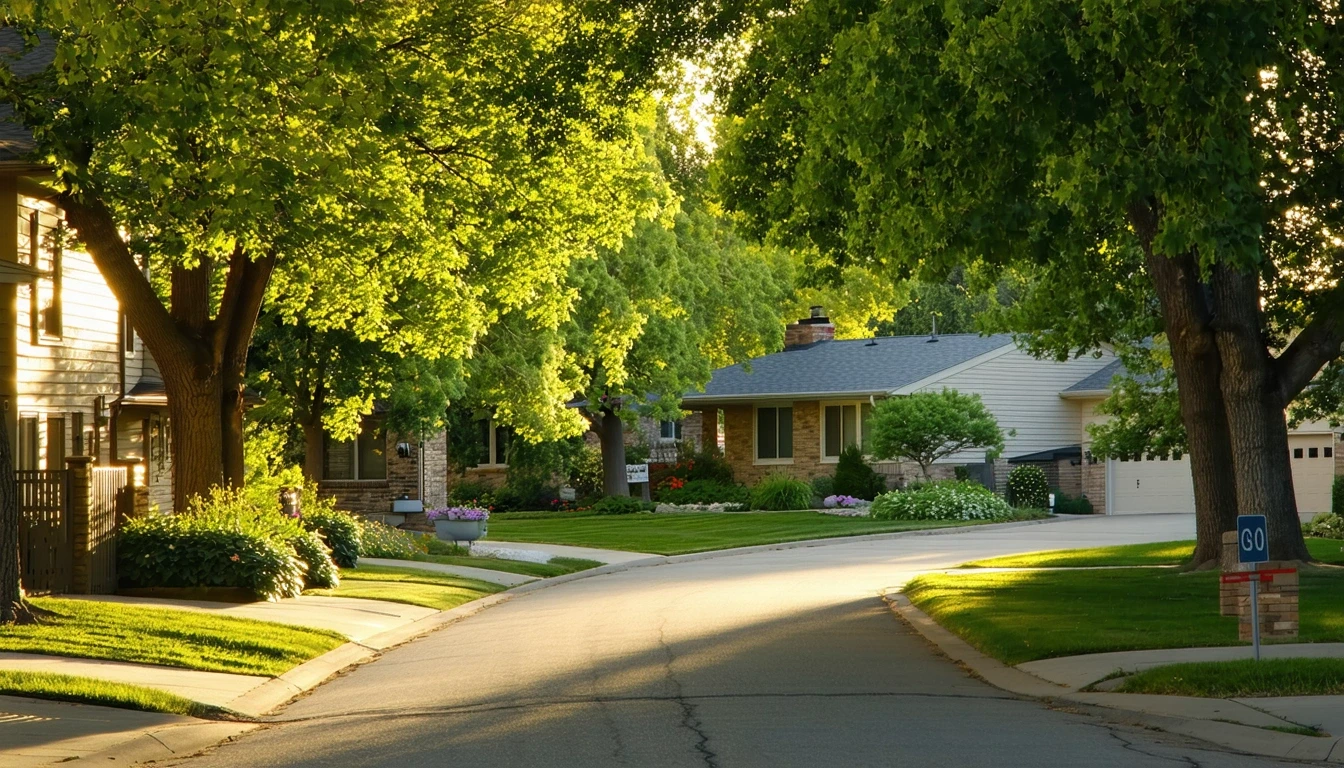
Littleton’s housing market reflects its position as an established Denver suburb with walkable pockets, rail access, and strong outdoor amenities. The $552,100 median home value positions it well above the national median, driven by proximity to Denver, access to light rail, and integrated park systems that exceed density thresholds. Households moving from lower-cost regions often underestimate how the elevated baseline affects not just purchase price, but every downstream ownership cost—insurance, taxes, maintenance, and utilities all scale with home value and regional price levels.
What distinguishes Littleton from other Denver-area suburbs is the variation in urban form. Mixed building heights and land use mean housing stock ranges from low-rise single-family neighborhoods to denser corridors near transit. This creates meaningful cost differences within the city: homes near rail stations and commercial corridors command premiums for walkability, while properties farther from these amenities may offer lower entry costs but higher transportation expenses. The pedestrian-to-road ratio exceeds high thresholds in parts of the city, meaning some households can reduce car dependency—but that benefit concentrates in specific neighborhoods, not citywide.
Newcomers also misjudge the climate’s effect on housing costs. Littleton’s elevation and continental climate bring cold winters and warm summers, creating year-round utility exposure. Heating dominates winter bills, cooling drives summer costs, and the natural gas price of $10.57 per MCF combined with an electricity rate of 16.79¢/kWh means households face above-average energy expenses regardless of housing type.
Renting in Littleton
The median gross rent of $1,554 per month reflects moderate pressure relative to the $90,273 median household income, but rental experience varies significantly by location. Food and grocery access clusters along commercial corridors, meaning renters in these areas enjoy shorter errand trips and less reliance on a car for daily needs. Those in quieter residential pockets gain access to parks and green space—Littleton’s park density exceeds high thresholds—but may face longer drives for groceries, pharmacies, and services.
Rental housing in Littleton includes both apartment complexes and single-family homes, and the cost behavior differs. Apartments near transit and commercial corridors typically bundle some utilities and shift maintenance responsibility to landlords, reducing volatility but limiting control. Single-family rentals offer more space and often include yards, but tenants usually pay all utilities separately and face exposure to Colorado’s heating and cooling seasons without the ability to make efficiency upgrades.
Renters also navigate a market shaped by Denver’s broader housing demand. Littleton’s rail access makes it attractive to commuters, which supports rental prices but also creates competition for units near stations. Households prioritizing walkability and transit access should expect to pay premiums, while those willing to drive for errands may find more affordable options in less connected neighborhoods.
Owning a Home in Littleton
Ownership in Littleton means absorbing costs that renters avoid: property taxes on a $552,100 median home, insurance premiums that reflect regional risk and replacement costs, and maintenance expenses that scale with home age and climate exposure. The regional price parity of 147 (47% above the national baseline) affects all of these—contractors, materials, and services cost more here than in lower-cost markets, so even routine repairs carry elevated price tags.
Property taxes represent one of the largest ongoing ownership costs, and while the exact rate isn’t provided in available data, the high median home value ensures a substantial annual bill. Colorado’s property tax structure includes assessment limits and voter-approved mill levies, but these don’t eliminate exposure—they just shift the timing and predictability of increases. Owners should expect taxes to rise over time, though the trajectory depends on local funding decisions and state-level policy changes.
HOA fees add another layer of cost variability. Some Littleton neighborhoods have no HOA, while others charge monthly fees that cover landscaping, snow removal, amenities, or exterior maintenance. These fees are not optional, and they typically increase annually. Buyers evaluating total ownership cost must verify HOA obligations before closing, as fees can add hundreds of dollars per month to housing expenses.
Maintenance and repair costs also behave differently in Littleton than in milder climates. Freeze-thaw cycles stress foundations, roofs, and driveways. HVAC systems work year-round—furnaces in winter, air conditioning in summer—leading to faster wear and higher replacement costs. Homes with older windows, insulation, or heating systems face elevated utility bills until upgrades are made, and those upgrades themselves cost more due to regional labor and material pricing.
Ownership does provide control that renters lack: the ability to install programmable thermostats, upgrade insulation, or switch to more efficient appliances. These changes reduce long-term utility exposure, but they require upfront capital and time to pay off. Renters can’t make these investments, so they remain exposed to the landlord’s efficiency choices and the building’s existing infrastructure.
Apartment vs House in Littleton — Cost Behavior Comparison
| Expense Category | Apartment | House |
|---|---|---|
| Heating & Cooling | Lower total usage due to smaller square footage and shared walls; some units include heat or have master-metered gas | Higher exposure due to larger space and standalone structure; full responsibility for natural gas and electric bills year-round |
| Water & Sewer | Often included in rent or billed as flat fee; no irrigation responsibility | Billed separately; includes irrigation for landscaping during dry months |
| Exterior Maintenance | Covered by landlord or HOA; no direct cost or time burden | Owner handles or pays for roof, siding, driveway, and yard work; freeze-thaw cycles accelerate wear |
| Snow Removal | Managed by property or HOA; no equipment or labor cost | Owner responsibility; requires equipment, time, or contractor expense during winter months |
| Parking | May require separate fee for covered or reserved space; street parking often limited | Typically includes garage or driveway; no recurring fee |
Why these categories differ in Littleton: The continental climate drives heating and cooling costs year-round, and houses face higher exposure due to size and standalone construction. Freeze-thaw cycles and snow accumulation create maintenance and removal burdens that apartments offload to landlords or HOAs. Water costs include irrigation during dry months, which affects houses with yards but not apartments. Categories like trash, internet, and renter’s insurance were excluded because they don’t vary meaningfully by housing type in this market.
Utilities & Upkeep Differences
Utility exposure in Littleton is shaped by climate, not just housing type. Winter heating and summer cooling create year-round demand, and the natural gas price of $10.57 per MCF combined with an electricity rate of 16.79¢/kWh means both seasons carry noticeable costs. Houses face the highest exposure due to square footage and standalone construction—heat loss through walls, roofs, and windows is greater than in apartments with shared walls and smaller footprints.
Apartments reduce utility volatility by design. Smaller units require less energy to heat and cool, and many buildings include water, sewer, or trash in the rent. Some older complexes still use master-metered natural gas, meaning tenants pay a flat fee or nothing at all for heat. However, tenants have no control over efficiency—if the building has old windows, poor insulation, or an outdated HVAC system, they absorb the cost without the ability to upgrade.
Houses offer control but demand capital. Owners can install programmable thermostats, upgrade insulation, replace windows, or switch to high-efficiency furnaces and air conditioners. These changes reduce long-term exposure, but the upfront cost is substantial, and the payoff timeline depends on usage patterns and energy prices. Homes with older infrastructure face a choice: accept higher bills or invest thousands in efficiency improvements.
Maintenance costs also differ. Apartments shift responsibility to landlords—when a furnace fails or a water heater leaks, the tenant calls management. Homeowners pay for repairs themselves, and in Littleton’s climate, those repairs come more frequently. Freeze-thaw cycles crack driveways and foundations. Snow and ice stress roofs and gutters. HVAC systems that run year-round wear out faster than in milder climates. The regional price parity of 147 means contractors and materials cost more here than in lower-cost markets, so even routine repairs carry elevated price tags.
Rent vs Buy: Long-Term Exposure in Littleton
The rent-versus-buy decision in Littleton is not a savings calculation—it’s a tradeoff between predictability and control. Renters face annual lease renewals, and while rent increases are common, the landlord absorbs property tax changes, insurance hikes, and major repairs. Owners lock in a mortgage payment (if fixed-rate), but they also inherit every other cost: taxes that rise over time, insurance premiums that adjust with risk and replacement costs, and maintenance expenses that scale with home age and climate exposure.
Renting offers flexibility and limits downside risk. If a furnace fails in winter, the landlord pays for replacement. If property taxes spike due to a mill levy increase, the owner absorbs it—not the tenant. Renters also avoid the upfront capital required for a down payment, closing costs, and immediate repairs, which in Littleton’s market can easily exceed $100,000 before the first mortgage payment.
Ownership provides stability and control, but it concentrates risk. A fixed-rate mortgage payment doesn’t change, but property taxes, insurance, and utilities do. Owners can reduce long-term utility costs by upgrading insulation, windows, or HVAC systems, but those upgrades require capital and years to pay off. They can also benefit from home value appreciation, but that gain is only realized when selling—and it comes with transaction costs, maintenance history, and market timing risk.
In Littleton specifically, ownership makes the most sense for households that value control, plan to stay long enough to absorb transaction costs, and have the capital to handle maintenance and efficiency upgrades. Renters who prioritize flexibility, want to avoid climate-driven repair costs, or plan to move within a few years often come out ahead by avoiding ownership’s long-tail expenses.
Neither choice is universally better. The right answer depends on how much volatility a household can absorb, how long they plan to stay, and whether they value control over cost predictability.
FAQs About Housing Costs in Littleton
How much do property taxes add to homeownership costs in Littleton?
Property taxes scale with the $552,100 median home value and are determined by local mill levies, which vary by district and voter-approved funding measures. While exact rates aren’t provided here, the high home value ensures a substantial annual bill—often several thousand dollars. Colorado’s assessment structure includes limits, but taxes still rise over time as home values increase and districts adjust levies.
Are utilities higher in Littleton apartments or houses?
Houses face higher total utility costs due to larger square footage and standalone construction, which increases heating and cooling exposure. Apartments benefit from smaller footprints and shared walls, and some include water, sewer, or heat in the rent. However, tenants in older buildings with poor insulation may still face elevated bills without the ability to make efficiency upgrades.
Does Littleton’s rail access reduce the need for a car?
Rail access and walkable pockets in parts of Littleton allow some households to reduce car dependency for commutes and errands, but this benefit concentrates near transit stations and commercial corridors. Households in quieter residential areas still need a car for groceries, services, and daily errands, as food and grocery access clusters rather than spreading evenly across the city.
How does climate affect maintenance costs in Littleton?
Littleton’s continental climate brings freeze-thaw cycles that crack driveways and foundations, snow and ice that stress roofs and gutters, and year-round HVAC use that accelerates system wear. Homeowners face more frequent repairs than in milder climates, and the regional price parity of 147 means contractors and materials cost more here than in lower-cost markets.
Is renting or buying better for long-term costs in Littleton?
Neither is universally better. Renting limits exposure to property tax increases, major repairs, and maintenance costs, but offers no control over efficiency or long-term housing stability. Buying locks in a mortgage payment and allows efficiency upgrades, but concentrates risk through taxes, insurance, and climate-driven repair costs. The right choice depends on how long you plan to stay, how much volatility you can absorb, and whether you value control over predictability.
Making Housing Choices in Littleton
Housing costs in Littleton extend well beyond the rent check or mortgage payment. The $552,100 median home value and 147 regional price parity elevate every downstream expense—taxes, insurance, utilities, and maintenance all cost more here than in lower-cost markets. Renters gain predictability and avoid repair risk, but they also surrender control over efficiency and face annual lease renewals in a market shaped by Denver’s broader housing demand. Owners lock in a mortgage payment and gain the ability to reduce long-term utility costs, but they also inherit every property tax increase, insurance adjustment, and climate-driven repair.
Littleton’s walkable pockets, rail access, and integrated park systems create variation in housing experience. Households near transit and commercial corridors can reduce car dependency and enjoy shorter errand trips, but they pay premiums for that convenience. Those in quieter residential areas gain access to green space and lower entry costs, but face longer drives for groceries and services. The mixed urban form means housing cost behavior varies by neighborhood, not just by housing type.
For a clearer picture of your monthly budget in Littleton, including how transportation and utilities interact with housing choices, explore the breakdown of where money goes each month. And if you’re planning pods vs trucks: which move is best for you?, understanding the full cost structure before committing to a lease or purchase will help you avoid surprises once you arrive.
How this article was built: In addition to public economic data, this article incorporates location-based experiential signals derived from anonymized geographic patterns—such as access density, walkability, and land-use mix—to reflect how day-to-day living actually feels in Littleton, CO.