
Is Lewisville the kind of place you grow roots—or just pass through? That question cuts to the heart of what living here feels like. Lewisville sits in the Dallas–Fort Worth metro with a foot in two worlds: it offers suburban space and family-friendly infrastructure, but it’s also close enough to Dallas to make commuting viable—especially with rail transit running through town. The tension isn’t whether Lewisville is “good” or “bad.” It’s whether the tradeoffs match what you need. People who want breathing room, parks for kids, and a train option tend to feel at home. People who expect walkable errands, dense nightlife, or evenly distributed amenities tend to feel the gaps.
The Emotional Landscape of Lewisville
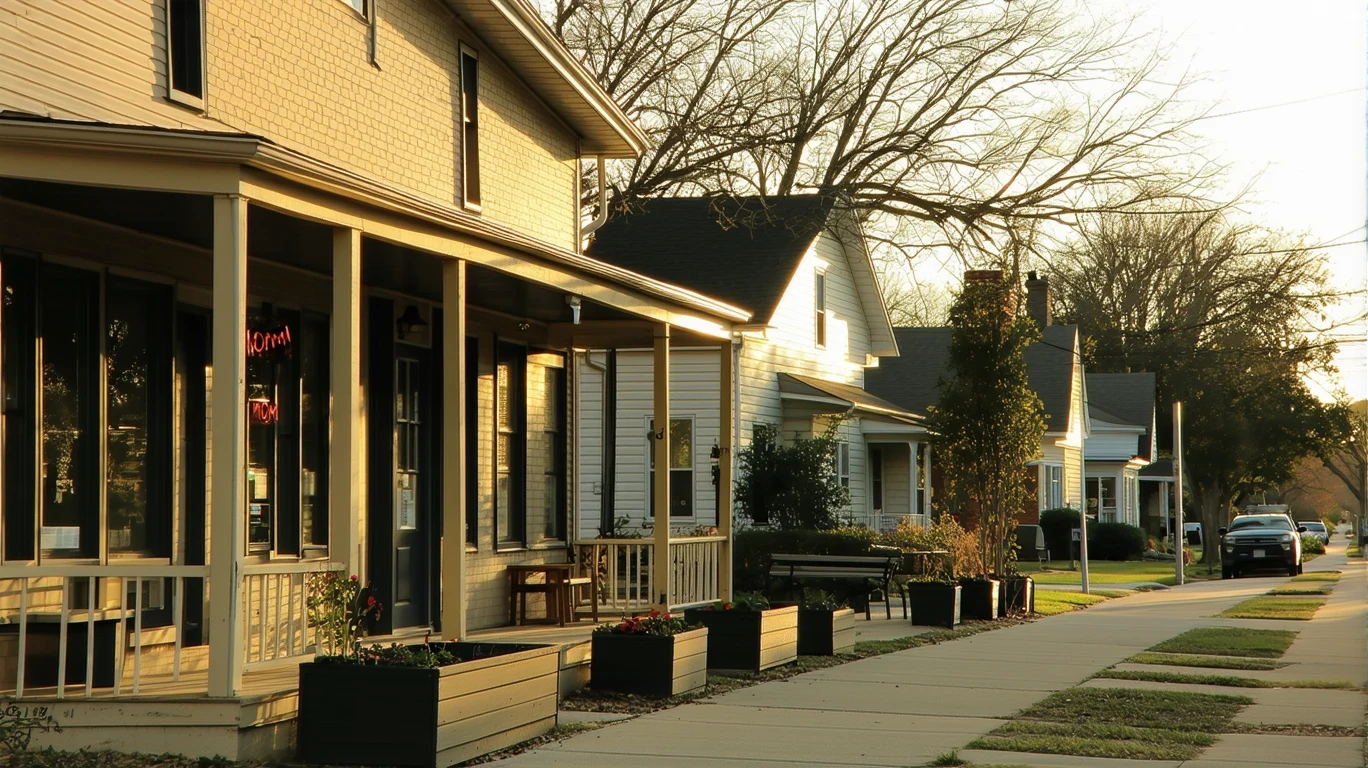
Lewisville’s vibe reflects a suburb in transition. It’s not a sleepy bedroom community, but it’s not trying to be urban, either. The city has rail service, which sets it apart from many comparable suburbs, and that access to Dallas reshapes how people think about commuting and convenience. At the same time, errands and daily services cluster along certain corridors rather than spreading evenly across neighborhoods. That means some residents enjoy quick access to groceries, coffee, and shopping, while others plan their trips more deliberately.
Families often highlight the outdoor infrastructure—playgrounds are plentiful, and parks offer space to let kids roam. But school density is lower than playground density, which sometimes surprises newcomers who assume the two go hand in hand. The result is a family-friendly feel that leans on recreation and outdoor play more than on hyper-local school walkability.
Growth is a recurring theme in how people describe Lewisville. New development brings amenities and variety, but it also shifts the character of neighborhoods. Long-time residents sometimes express nostalgia for a quieter version of the city, while newcomers appreciate the expanding options. Neither perspective is wrong—they’re just processing different versions of the same place.
Social Media Buzz in Lewisville
On platforms like Reddit, Facebook groups, and X, Lewisville residents tend to discuss the city in terms of access and tradeoffs rather than absolutes. The tone is pragmatic, sometimes protective, occasionally frustrated—but rarely indifferent.
“It’s not the kind of place where you walk to everything, but having the train makes a huge difference if you work in Dallas. You’re not stuck in your car for every single thing.”
“We moved here for the parks and the space. The playgrounds are great, and my kids are outside constantly. But if you’re looking for walkable coffee shops and boutiques on every corner, that’s not what this is.”
“Lewisville is growing fast, and that’s both good and annoying. More restaurants, sure—but also more traffic and less of that small-town feel we used to have.”
Recurring conversation categories include commute strategies, where to find specific services, how new development is changing neighborhoods, and whether the city feels more like a suburb or a small town. The emotional tone is often one of negotiation: people weighing what they gain against what they give up.
Local News Tone
Local coverage of Lewisville tends to frame the city through the lens of growth, infrastructure, and community identity. Headlines and story angles often reflect the tension between expansion and preservation, convenience and character. Here are a few topic buckets that capture the recurring themes:
- “New Retail and Dining Options Arrive as City Expands”
- “Residents Weigh Convenience Against Neighborhood Quiet”
- “Transit Access Sets Lewisville Apart in Suburban Landscape”
- “Community Debates What Growth Should Look Like”
- “Outdoor Amenities Draw Families Seeking Space and Play”
The framing is rarely celebratory or alarmist. Instead, it tends to acknowledge complexity: growth brings opportunity and friction, transit access offers freedom and crowds, new development creates variety and displacement. The tone suggests a city still figuring out its identity as it scales up.
Review-Based Public Perception
On platforms like Google Reviews, Yelp, and Nextdoor-style forums, Lewisville’s public perception splits along expectation lines. People who wanted suburban comfort with metro access tend to express satisfaction. People who expected urban texture or evenly distributed walkability tend to express disappointment.
Praise often centers on outdoor space, family infrastructure, and the presence of rail transit. Parents appreciate the playgrounds and parks. Commuters appreciate not being entirely car-dependent. Residents who value a mix of residential and commercial land use note that it exists, even if it’s not everywhere.
Complaints often focus on errand friction and uneven convenience. Grocery stores, coffee shops, and services cluster along certain corridors, which means some neighborhoods require more planning for daily tasks. People who moved from denser cities sometimes feel the absence of spontaneous walkability—the ability to step outside and find what you need without a trip.
Neighborhood variation plays a role, too. Newer planned areas tend to offer more immediate access to amenities and modern infrastructure, while older pockets feel quieter and more established but sometimes farther from services. Neither is better—it’s about which tradeoff fits your rhythm.
Comparison to Nearby Cities
| Dimension | Lewisville | Flower Mound | Carrollton |
|---|---|---|---|
| Transit Access | Rail service to Dallas | Car-dependent, no rail | Rail service, closer to Dallas core |
| Errand Convenience | Corridor-clustered, mixed access | Spread out, requires planning | More evenly distributed options |
| Family Infrastructure | High playground density, parks integrated | Strong parks, quieter feel | Dense schools and playgrounds |
| Growth Pace | Active development, evolving identity | Slower growth, established character | Steady growth, more urban edge |
| Overall Vibe | Suburban with metro connection | Quiet suburban, family-focused | Suburban transitioning toward density |
Lewisville sits between Flower Mound’s quieter, more car-dependent suburban feel and Carrollton’s denser, more urbanizing character. If you want space and parks but also value the option to take a train into Dallas, Lewisville offers that balance. If you prioritize absolute quiet and don’t need transit, Flower Mound might feel more settled. If you want tighter proximity to Dallas and more distributed walkability, Carrollton might fit better. None of these cities is objectively superior—they’re solving for different priorities.
What Locals Are Saying
“We chose Lewisville because we wanted a yard and good parks for the kids, but we didn’t want to be completely cut off from Dallas. The train makes it possible to work downtown without the two-hour round-trip drive.”
“It’s a nice place to raise a family, but you have to know where things are. Some neighborhoods are close to everything; others feel more isolated. It’s not the kind of place where you just wander out and discover something new every day.”
“I moved here from a walkable city, and the adjustment was real. You need a car for almost everything, even though there are pockets where you can walk a bit. It’s not bad—it’s just different from what I expected.”
“Lewisville is growing so fast. Ten years ago it felt smaller and quieter. Now there’s more to do, but it also feels busier and less personal. I’m not sure if that’s progress or just change.”
“The playgrounds here are fantastic. We’re outside constantly, and the parks are well-maintained. That was a huge selling point for us, and it’s lived up to expectations.”
“If you work in Dallas and want suburban space, this is a solid option. But if you’re expecting a vibrant downtown or a walkable main street, you’ll be disappointed. It’s more about access than atmosphere.”
“I’ve been here my whole life, and it’s definitely changed. More people, more traffic, more development. Some of it’s good—better restaurants, more options. Some of it’s hard to watch, especially when familiar places disappear.”
Does Lewisville Feel Like a Good Fit?
Lewisville tends to work for people who want suburban space and family-friendly infrastructure without giving up metro access entirely. The presence of rail transit makes it a practical choice for Dallas commuters who don’t want to be locked into car-only life. Families who prioritize outdoor play, parks, and room to breathe often feel at home here. People who value having options—both residential quiet and the ability to reach the city—tend to appreciate the balance.
Lewisville tends to frustrate people who expect evenly distributed walkability, dense nightlife, or the ability to run all their errands on foot. It also challenges long-time residents who preferred the quieter, slower version of the city before recent growth. If you need urban texture, spontaneous discovery, or a strong sense of established community identity, the tradeoffs here might feel too steep.
The city’s emotional profile is one of negotiation: space vs. density, growth vs. character, convenience vs. planning. It’s not a place that tries to be everything. It’s a place that offers specific advantages—rail access, outdoor infrastructure, proximity to Dallas—and asks whether those advantages outweigh the gaps. If they do, Lewisville can feel like exactly the right fit. If they don’t, it can feel like a compromise you didn’t want to make.
For more insight into how daily expenses shape life in Lewisville, explore Your Monthly Budget in Lewisville: Where It Breaks. If you’re weighing whether the city’s amenities and infrastructure align with your needs, Can You Feel Comfortable in Lewisville on Your Income? offers a deeper look. And if you’re navigating the tradeoffs of housing in Lewisville, that guide breaks down what you get and what you give up.
How this article was built: In addition to public economic data, this article incorporates location-based experiential signals derived from anonymized geographic patterns—such as access density, walkability, and land-use mix—to reflect how day-to-day living actually feels in Lewisville, TX.
The perspectives shown reflect commonly expressed local sentiment and recurring themes in public discussion, rather than individual accounts.