
Lenexa, KS vs. Leawood, KS: Cost of Living Face-Off (2025)
When it comes to choosing between the Kansas City suburbs of Lenexa and Leawood, cost of living is often a deciding factor for relocating families, homebuyers, and renters. Both cities offer attractive amenities and quality of life, but which one fits your budget in 2025? Let’s dive into a detailed cost comparison to see whether Lenexa or Leawood comes out ahead.
As two of the most desirable suburbs in the Kansas City metro area, Lenexa and Leawood appeal to residents seeking family-friendly neighborhoods, good schools, and convenient access to the city. However, their cost of living profiles reveal some notable differences that can sway your decision. From housing expenses to everyday costs, we’ll break down where you can expect to save or spend more in each city.
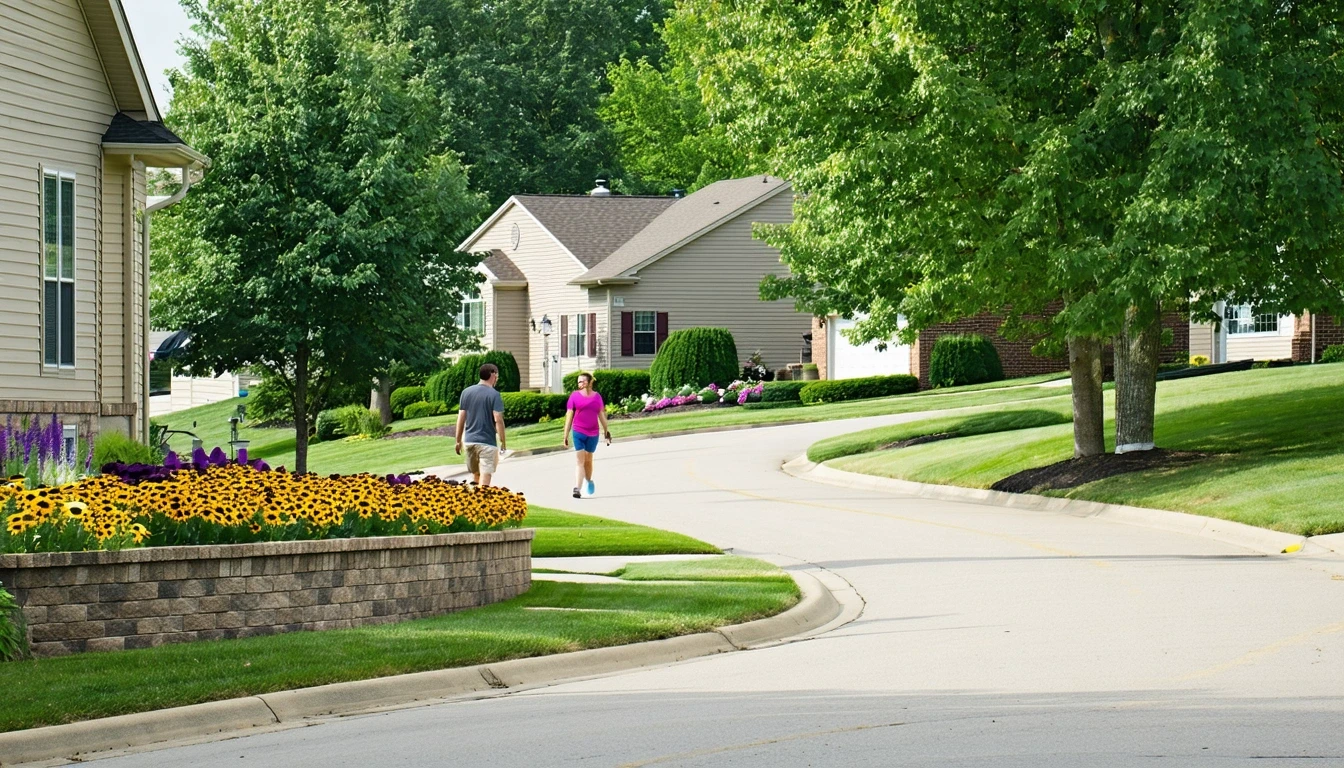
Housing Costs: Lenexa Offers More Affordable Options
Housing is typically the biggest expense in any household budget, and it’s where Lenexa and Leawood diverge the most. Lenexa tends to have lower home prices and a wider range of affordable options compared to Leawood.
In 2025, the median home price in Lenexa hovers around $350,000 for a single-family house, while Leawood’s median reaches $500,000 or higher. This gap reflects Leawood’s reputation for luxury homes and upscale neighborhoods. Lenexa, on the other hand, offers more diversity in its housing stock, with a mix of starter homes, mid-range properties, and some higher-end options.
For renters, a typical two-bedroom apartment in Lenexa runs about $1,300 per month, whereas a similar unit in Leawood often exceeds $1,600. The rental market in Lenexa is also more robust, with a greater variety of apartments, townhomes, and single-family homes available for lease.
| Housing Type | Lenexa | Leawood |
|---|---|---|
| Median Home Price | $350,000 | $500,000+ |
| 2BR Apartment Rent | $1,300 | $1,600+ |
| 3BR House Rent | $1,800 | $2,200+ |
These housing cost differences can have a significant impact on your monthly budget. A family purchasing a home in Lenexa could potentially save hundreds of dollars per month on their mortgage compared to a similar property in Leawood. For young professionals or couples, renting in Lenexa often allows for more breathing room in their budgets.
When it comes to housing costs, Lenexa emerges as the clear winner for affordability. The lower prices and wider selection give residents more options to find a home that fits their needs and budget.
Utility Bills: Newer Homes in Leawood Offer Savings
Utility costs are another important consideration when comparing the cost of living between cities. In Lenexa and Leawood, residents can expect to pay around $150 to $250 per month for basic utilities like electricity, gas, water, and sewer, depending on the size and age of their home.
One factor that can influence utility bills is the age of the housing stock. Leawood has a higher proportion of newer homes built with energy-efficient features, which can help keep utility costs down. Older homes in Lenexa may have higher heating and cooling bills due to less efficient systems and insulation.
However, both cities offer energy-saving programs and rebates to help residents manage their utility expenses. Lenexa and Leawood participate in Kansas City Power & Light’s energy efficiency initiatives, which provide discounts on upgrades like insulation, air sealing, and high-efficiency appliances.
While utility costs can vary depending on individual households, Leawood may have a slight edge overall due to its newer, more energy-efficient homes. But with proactive energy-saving measures, residents in both cities can keep their utility bills in check.
Groceries and Daily Expenses: Comparable Costs, More Options in Lenexa
When it comes to everyday expenses like groceries, dining out, and household goods, Lenexa and Leawood offer similar costs overall. A typical family of four can expect to spend around $800 to $1,000 per month on groceries in either city, while a single person’s food budget might range from $300 to $400.
However, Lenexa does have an advantage in terms of grocery store options. The city has a wider variety of supermarkets, including discount stores like Aldi and Walmart Neighborhood Market, which can help shoppers save on staples. Leawood’s grocery scene is more limited, with a focus on higher-end stores like Whole Foods and Hen House Market.
For dining out, both cities have a mix of chain restaurants and local eateries at various price points. A meal for two at a mid-range restaurant typically runs about $50 to $60 in Lenexa and Leawood. However, Lenexa’s larger size means it has a more diverse restaurant selection, with more affordable fast-casual options.
Overall, grocery and daily expenses are relatively comparable between Lenexa and Leawood. But for budget-conscious shoppers, Lenexa may offer more opportunities to save with its broader range of stores and restaurants.

Taxes and Fees: Property Taxes Higher in Leawood
Taxes and municipal fees can add up and impact the overall cost of living in a city. In Lenexa and Leawood, the most significant difference lies in property taxes.
Leawood has a higher property tax rate than Lenexa, with homeowners paying an average of 1.35% of their home’s assessed value annually, compared to Lenexa’s 1.28% rate. For a $400,000 home, that equates to a difference of about $280 per year in property taxes.
Sales tax rates are identical in both cities at 9.13%, which includes state, county, and city taxes. However, Leawood has slightly higher municipal fees for services like trash collection and water, which can add $10 to $20 per month to household bills.
For renters, these tax and fee differences may have less of a direct impact, as they are often built into the cost of rent. But for homeowners and those considering buying a home, Lenexa’s lower property taxes can result in meaningful savings over time.
Cost of Living Summary: Lenexa Offers Overall Savings
| Cost Category | Lenexa | Leawood |
|---|---|---|
| Housing | $1,500 | $2,000+ |
| Utilities | $200 | $180 |
| Groceries | $800 | $850 |
| Transportation | $300 | $300 |
| Taxes | $500 | $600+ |
| Misc. | $400 | $450 |
| Estimated Monthly Total | $3,700 | $4,380+ |
Estimates reflect 2025 costs for a mid-size household (2-bedroom apartment or 3-bedroom home) using published national data and regional benchmarks. Actual expenses will vary with household size, lifestyle, and neighborhood.
When looking at the overall cost of living picture, Lenexa comes out ahead as the more affordable option. The lower housing costs, combined with slightly lower taxes and fees, can result in significant monthly savings for many households.
Based on the estimates above, a typical family could save around $600 or more per month by choosing to live in Lenexa over Leawood. For a young professional or couple, the savings might be closer to $300 to $400 per month. Over the course of a year, those savings can add up to a sizable amount that could be put toward other financial goals.
Lifestyle Considerations: Balancing Cost and Amenities
While cost is a major factor in deciding where to live, it’s also important to consider the lifestyle amenities and quality of life each city offers. Lenexa and Leawood both have their own unique character and appeal.
Lenexa is known for its strong sense of community, with numerous parks, trails, and recreational facilities. The city’s Old Town district offers a charming, walkable area with local shops and restaurants. Lenexa also boasts excellent public schools and a convenient location near major highways and employers.
Leawood, on the other hand, is often associated with a more upscale, suburban lifestyle. The city has a reputation for high-end shopping and dining, with popular destinations like Town Center Plaza and Park Place. Leawood also has top-rated schools and beautiful neighborhoods with manicured lawns and tree-lined streets.
Ultimately, the choice between Lenexa and Leawood comes down to balancing your budget with your lifestyle priorities. If cost is the primary concern, Lenexa offers a more affordable option without sacrificing quality of life. But if you’re willing to pay a premium for Leawood’s upscale amenities and prestige, it may be worth the extra expense.
Frequently Asked Questions
Is Lenexa more affordable than Leawood in 2025?
Yes, Lenexa tends to be more affordable than Leawood across multiple cost categories, especially housing. A typical family could save $600 or more per month by choosing Lenexa over Leawood.
Are rental prices lower in Lenexa or Leawood?
Rental prices are generally lower in Lenexa compared to Leawood. A two-bedroom apartment in Lenexa averages around $1,300 per month, while a similar unit in Leawood often exceeds $1,600.
How do grocery costs compare between Lenexa and Leawood?
Grocery costs are relatively similar between the two cities, but Lenexa offers a wider variety of stores, including discount options like Aldi, which can help shoppers save on staples.
Are property taxes higher in Leawood than in Lenexa?
Yes, Leawood has a higher property tax rate than Lenexa. Homeowners in Leawood pay an average of 1.35% of their home’s assessed value annually, compared to 1.28% in Lenexa.
What is the average monthly cost of living for a family of four in Lenexa vs. Leawood?
Based on 2025 estimates, a family of four can expect to spend around $3,700 per month in Lenexa, compared to $4,380 or more in Leawood. These totals include housing, utilities, groceries, transportation, taxes, and miscellaneous expenses.
Conclusion
When comparing the cost of living between Lenexa and Leawood in 2025, Lenexa emerges as the more budget-friendly choice. With lower housing costs, more affordable grocery and dining options, and slightly lower taxes, Lenexa offers opportunities to save without sacrificing quality of life.
However, Leawood’s upscale amenities and prestigious reputation may still appeal to those willing to pay a premium. Its newer homes and high-end shopping and dining scene contribute to a luxurious suburban lifestyle.
Ultimately, the decision between Lenexa and Leawood depends on your individual priorities and financial situation. Creating a monthly budget based on your income and expenses can help you determine which city aligns best with your goals. By carefully considering the cost of living factors and lifestyle tradeoffs, you can make an informed choice about where to call home in the Kansas City area.