
“I thought I could ditch the car when I moved here—there’s a bus stop right by my apartment. Turns out the route doesn’t run late enough for my shift, and the grocery store I actually use isn’t on the line. So now I drive everywhere anyway.”
That’s the transportation reality in Lake Forest, California: a suburban city where transportation options in Lake Forest exist on paper but don’t always line up with how people actually live. You’ll find bus service, bike lanes, and pockets where walking works—but for most households, the car remains the primary tool for getting through the day. Understanding how mobility works here means recognizing where transit fits, where it falls short, and how Lake Forest’s layout shapes your daily routine before you commit to living here.
How People Get Around Lake Forest
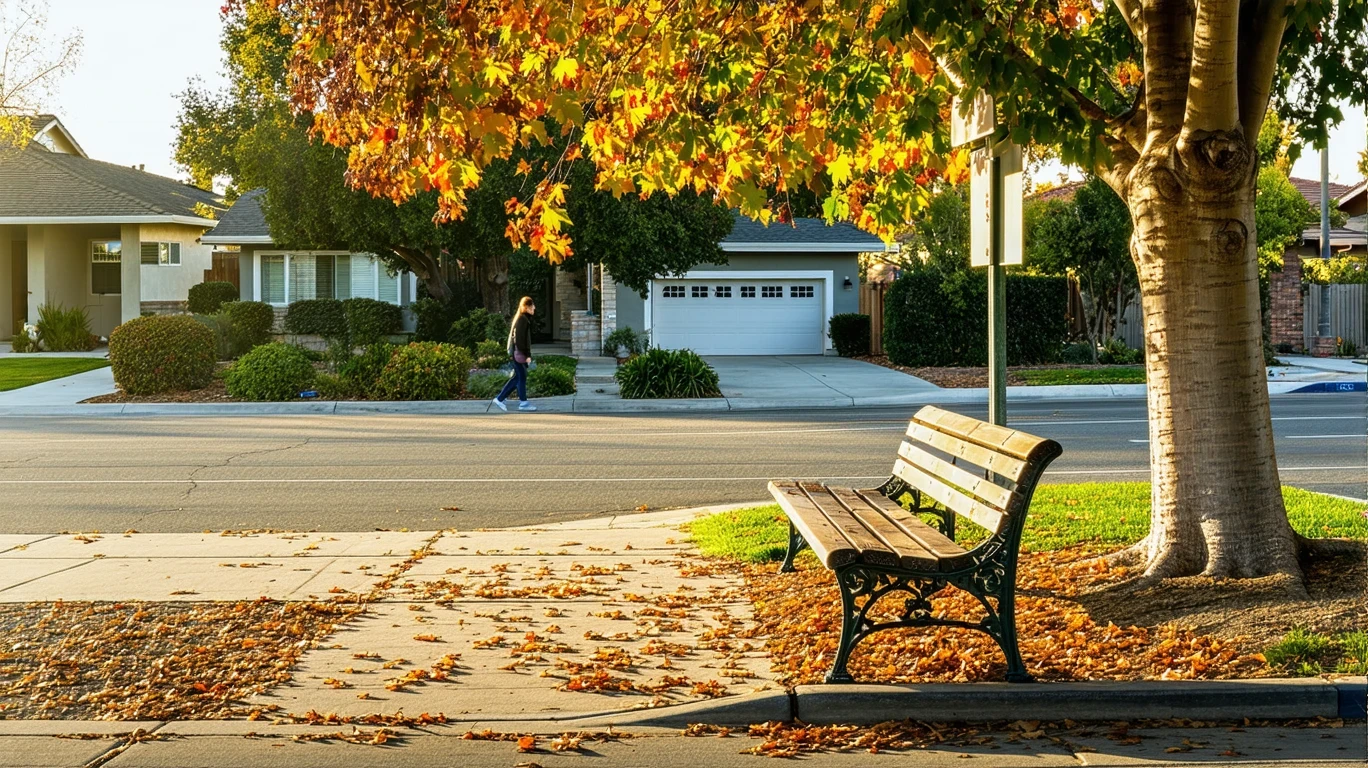
Lake Forest is a car-first city with selective alternatives. The dominant pattern is driving: most residents rely on a personal vehicle for work commutes, errands, school runs, and weekend trips. But the city isn’t uniformly car-dependent. Certain corridors and neighborhoods support walking and biking better than others, and bus service does exist—though it serves a narrow slice of daily trips rather than replacing the need for a car entirely.
What newcomers often misunderstand is that Lake Forest’s suburban layout creates pockets of accessibility rather than citywide walkability. You might live near a commercial strip where you can walk to the grocery store, pharmacy, and a few restaurants—but your job, your kids’ school, or your gym might still require a 15-minute drive. The infrastructure supports some car-free errands in specific zones, but it doesn’t eliminate driving as the baseline expectation.
The city’s development pattern—residential neighborhoods clustered around commercial corridors—means that your transportation experience depends heavily on where you live. Renters near mixed-use areas have more flexibility. Homeowners in residential-only subdivisions have less. And anyone whose daily routine extends beyond a single neighborhood will almost certainly need a car to make it work.
Public Transit Availability in Lake Forest
Public transit in Lake Forest centers around bus service. The city is served by systems such as the Orange County Transportation Authority (OCTA), which operates routes connecting Lake Forest to nearby employment centers, retail hubs, and regional transit nodes. But the role transit plays here is limited: it works best for commuters traveling along major corridors during peak hours, and it tends to fall short for anyone whose schedule, destination, or household logistics don’t align with fixed routes and timetables.
Bus service in Lake Forest is most useful for residents living near commercial corridors where routes run frequently enough to support predictable commuting. If you work in Irvine, Mission Viejo, or another nearby city along a bus line, and your schedule matches the service window, transit can reduce your reliance on driving. But coverage is uneven. Residential neighborhoods away from main roads often lack direct service, and evening or weekend frequencies drop off sharply, making transit impractical for shift workers, parents managing after-school pickups, or anyone running errands outside standard hours.
There is no rail service in Lake Forest. The nearest Metrolink station is in Laguna Niguel, several miles away, which means accessing regional rail requires a car, a bus transfer, or a rideshare—adding friction that most residents choose to avoid. For households used to metro or light rail systems in other cities, the absence of rail here is a meaningful gap. It limits your ability to bypass traffic, reduces options for long-distance commuting, and reinforces the car as the default tool for nearly every trip.
Driving & Car Dependence Reality
Driving is necessary for daily life in Lake Forest. Even if you live in a walkable pocket and work along a bus route, you’ll still need a car for trips that fall outside those narrow lanes: medical appointments, weekend errands, visiting friends in neighboring cities, or handling anything that requires flexibility in timing or destination. The city’s layout—low-density residential zones separated from commercial and employment centers—means that most households can’t function without at least one vehicle, and many families need two.
Parking is generally available and free in most contexts. Residential neighborhoods offer driveways and garages; shopping centers and office parks provide surface lots. Unlike denser urban areas where parking scarcity adds cost and stress, Lake Forest’s suburban form makes car ownership logistically straightforward. But that convenience comes with exposure: at $5.83 per gallon, fuel costs in California are among the highest in the country, and households that drive frequently feel that pressure in their monthly spending.
Sprawl also shapes how much you drive. If your job, your kids’ school, your gym, and your grocery store are all in different directions, you’ll rack up miles quickly. Lake Forest’s geography doesn’t concentrate destinations the way a denser city does, so even short trips add up over the course of a week. And because public transit doesn’t cover most of those routes, there’s no practical way to reduce driving without restructuring where you live, work, or send your kids to school.
Commuting Patterns & Daily Mobility
Commuting in Lake Forest typically means driving to a job in another city. Many residents work in Irvine, Mission Viejo, or elsewhere in Orange County, and the commute structure reflects that: single-destination trips on highways or arterial roads, often during peak traffic hours. The flexibility of driving allows you to leave when you need to and take the most direct route, but it also means you’re exposed to congestion, fuel costs, and the time cost of sitting in traffic.
Some residents structure their commutes around bus service, particularly those working along major corridors where routes run reliably during weekday mornings and evenings. But transit commuting in Lake Forest is the exception, not the rule. Most people drive because their job, their schedule, or their household responsibilities don’t align with fixed transit routes. Parents managing school drop-offs, workers with irregular hours, and anyone whose job requires a car during the day all default to driving.
Daily mobility here also involves multi-stop trips: picking up kids, stopping at the store, running an errand on the way home. That kind of trip chaining is difficult to manage without a car. Bus routes don’t accommodate detours, and walking or biking between dispersed destinations isn’t practical given the distances involved. So even households that could theoretically use transit for commuting often choose to drive because it’s the only way to handle the full logistics of the day.
Who Transit Works For — and Who It Doesn’t
Public transit in Lake Forest works best for a narrow group: renters or workers living near commercial corridors, commuting to jobs along established bus routes, with schedules that match service hours. If you’re a single commuter working standard hours in Irvine or Mission Viejo, and you live within walking distance of a bus stop, transit can be a viable option. It won’t eliminate the need for a car entirely—you’ll still need one for errands, weekend trips, and anything off-route—but it can reduce how often you drive.
Transit doesn’t work well for families with kids. School schedules, after-school activities, and the need to manage multiple stops in a single trip all require the flexibility that only a car provides. It also doesn’t work for shift workers, anyone with evening or weekend commitments, or residents living in neighborhoods without direct bus access. And it doesn’t work for homeowners in residential-only pockets, where the nearest transit stop might be a mile away and the nearest grocery store even farther.
The difference between core and peripheral neighborhoods matters here. If you’re near El Toro Road or Lake Forest Drive, you’re closer to bus routes and commercial services. If you’re deeper into a residential subdivision, you’re functionally car-dependent regardless of your preferences. The city’s infrastructure creates selective accessibility, and whether transit is even an option depends on where you choose to live.
Transportation Tradeoffs in Lake Forest
Choosing between transit and driving in Lake Forest isn’t about optimizing cost—it’s about matching your transportation tool to your actual daily needs. Transit offers lower direct costs and reduces exposure to fuel price swings, but it comes with schedule constraints, limited coverage, and the inability to handle multi-stop trips or off-peak errands. Driving offers maximum flexibility, control over timing, and the ability to manage complex household logistics, but it exposes you to high fuel costs and the time burden of traffic.
For most households, the tradeoff resolves in favor of driving because the alternatives don’t cover enough of what daily life requires. You might be able to take the bus to work, but if you need to pick up your kids, stop at the store, and make it to an evening appointment, you’ll end up driving anyway. And once you own a car for those trips, the marginal cost of driving to work instead of taking the bus often feels negligible compared to the convenience gained.
The real tradeoff isn’t transit versus driving—it’s proximity versus space. If you live close to work, close to schools, and close to the services you use most often, you can reduce how much you drive even if you still own a car. If you prioritize a larger home or a quieter neighborhood farther from commercial corridors, you’ll drive more, and transportation will take up more of your time and budget. Lake Forest’s layout doesn’t eliminate that tradeoff; it just makes the car the default answer for most households.
FAQs About Transportation in Lake Forest (2026)
Is public transit usable for daily commuting in Lake Forest?
Public transit is usable for some commuters, particularly those living near bus routes and working along major corridors in Irvine or Mission Viejo during standard weekday hours. But coverage is limited, evening and weekend service is sparse, and most households still need a car for errands, school runs, and trips outside the bus network. Transit can reduce driving frequency for a narrow group, but it rarely eliminates the need for a car entirely.
Do most people in Lake Forest rely on a car?
Yes. The vast majority of residents rely on a car for daily transportation. Lake Forest’s suburban layout, dispersed destinations, and limited transit coverage make driving the most practical option for commuting, errands, and household logistics. Even residents who live near walkable pockets or bus routes typically own at least one vehicle to handle trips that fall outside those narrow zones.
Which areas of Lake Forest are easiest to live in without a car?
Areas near commercial corridors—particularly along El Toro Road and Lake Forest Drive—offer the most walkable access to grocery stores, restaurants, and services. Residents in these zones can handle some daily errands on foot or by bike, and they’re closer to bus stops for commuting. But even in these areas, most households still need a car for trips outside the immediate neighborhood, including work commutes, school runs, and errands in other parts of the city.
How does commuting in Lake Forest compare to nearby cities?
Lake Forest’s commute reality is similar to other Orange County suburbs: car-dependent, with limited transit alternatives and moderate exposure to traffic during peak hours. Compared to denser cities with rail access or more comprehensive bus networks, Lake Forest offers less flexibility for non-drivers. Compared to more sprawling or isolated suburbs, it offers slightly better walkability in select pockets and bus service along major routes—but the car remains the baseline expectation across the region.
Does Lake Forest have bike infrastructure?
Yes. Lake Forest has notable bike infrastructure, including bike lanes and paths that connect residential neighborhoods to commercial areas and parks. The bike-to-road ratio is relatively high, meaning cycling is more viable here than in many comparable suburbs. But biking works best for short trips within a single area—commuting by bike to a job in another city, or running errands across dispersed destinations, is less practical given distances and traffic conditions.
How Transportation Fits Into the Cost of Living in Lake Forest
Transportation in Lake Forest isn’t just a line item—it’s a structural factor that shapes where you live, how you spend your time, and how much flexibility you have in managing daily life. The city’s car-first layout means that most households need at least one vehicle, and many need two, which creates ongoing exposure to fuel costs, insurance, maintenance, and the time burden of driving. At $5.83 per gallon, fuel costs in California are high enough to matter, especially for households commuting long distances or managing multiple daily trips.
But transportation also affects housing decisions. Living closer to work, schools, and services reduces how much you drive, which can offset higher rent or mortgage costs in more accessible neighborhoods. Living farther out might lower your housing cost, but it increases your transportation burden—not just in dollars, but in time and logistics. The tradeoff between proximity and space is one of the most important decisions you’ll make when choosing where to live in Lake Forest, and it’s one that plays out every day in how you structure your routine.
If you’re trying to understand how transportation fits into your overall budget, the Monthly Spending in Lake Forest: The Real Pressure Points article provides the numeric context for how fuel, insurance, and other transportation costs interact with housing, utilities, and other expenses. But the bigger picture is this: transportation in Lake Forest is less about optimizing a single cost and more about choosing a mobility pattern that matches your household’s needs, your work situation, and your tolerance for driving. The city offers selective alternatives—bus service, bike lanes, walkable pockets—but for most people, the car remains the tool that makes daily life work.
How this article was built: In addition to public economic data, this article incorporates location-based experiential signals derived from anonymized geographic patterns—such as access density, walkability, and land-use mix—to reflect how day-to-day living actually feels in Lake Forest, CA.
—