
“Lake Forest feels like the Orange County suburb that actually delivers on the ‘planned community’ promise—clean, safe, parks everywhere—but you pay for it, and if you’re looking for spontaneity or grit, you won’t find it here.”
That sentiment captures the emotional core of life in Lake Forest: a city that rewards those who value structure, predictability, and family-friendly infrastructure, but can feel limiting to anyone craving urban texture, cultural diversity, or affordable entry. Understanding whether Lake Forest feels like home depends less on what the city offers and more on what you need it to be.
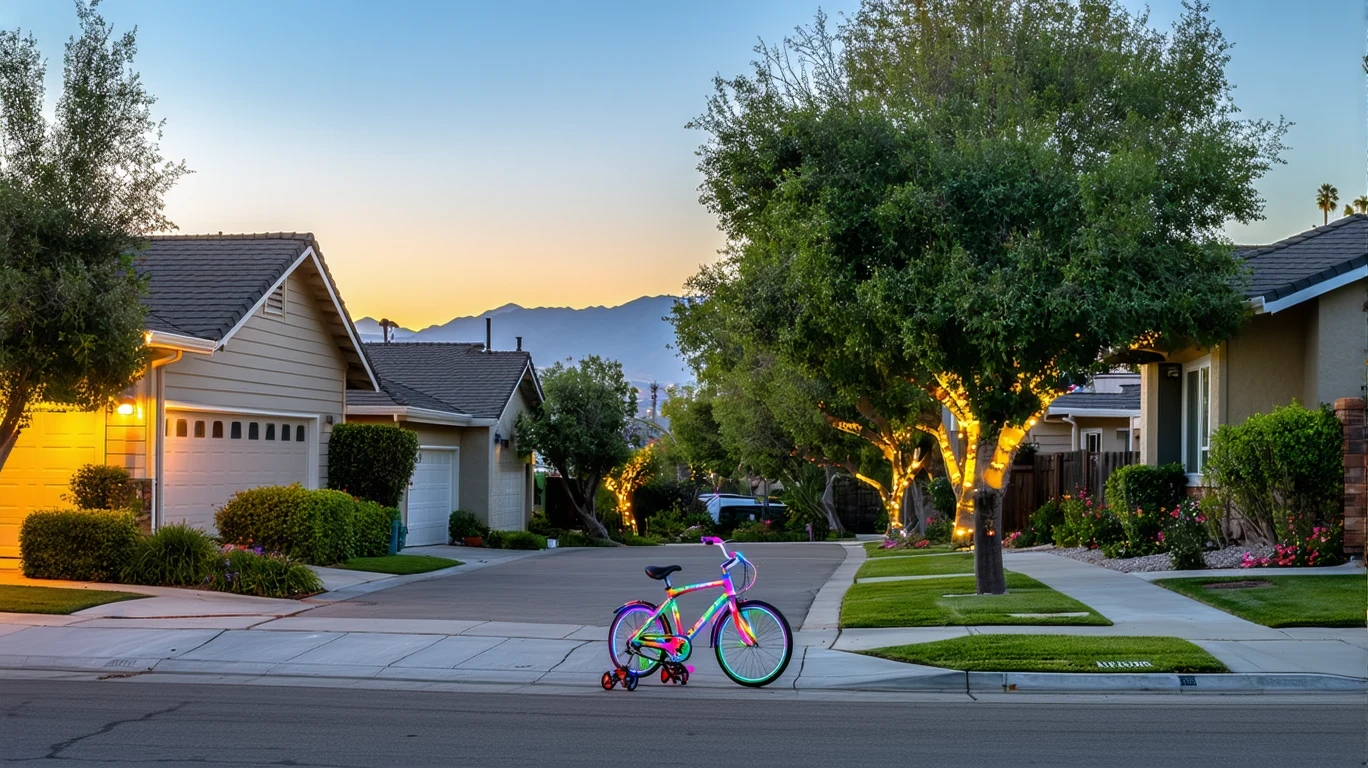
The Emotional Landscape of Lake Forest
Lake Forest sits in the heart of Orange County, and its vibe reflects the tradeoffs of that location: high costs, polished surroundings, and a strong tilt toward families and dual-income households. The city’s design emphasizes parks, schools, and accessible daily errands, with walkable pockets that surprise newcomers expecting pure car dependency. But the infrastructure that makes errands convenient doesn’t extend to transit—bus service exists, but most residents rely on cars for commuting and longer trips.
What tends to feel rewarding here is the reliability: neighborhoods are well-kept, grocery stores and food options are plentiful, and green space is woven throughout the city. Families with school-age children often describe Lake Forest as a place where logistics feel manageable—playgrounds, schools, and parks are accessible without constant driving, and the community infrastructure supports the rhythms of raising kids.
What tends to feel irritating is the cost-to-character ratio. Housing pressure is real—median home values and rents reflect Orange County premiums—and some residents feel the price doesn’t match the cultural or experiential depth they expected. The city’s planned community roots create a sense of order, but also a certain sameness that can feel sterile to those seeking spontaneity, nightlife, or neighborhood quirks.
People who feel “at home” here tend to prioritize safety, schools, and suburban predictability over walkability to bars, late-night options, or cultural variety. People who feel “restless” often describe Lake Forest as too quiet, too homogenous, or too expensive for what it delivers emotionally.
Social Media Buzz in Lake Forest
Public discussion about Lake Forest tends to cluster around a few recurring themes: pride in the city’s family-friendly design, frustration with housing costs, and debate over whether the community feels vibrant or bland.
On platforms where locals gather, you’ll see affection for the parks and trails, especially among parents who appreciate how easy it is to get kids outside. There’s also frequent mention of grocery accessibility and the convenience of running errands without battling traffic or scarcity. But that pride is often tempered by cost complaints—residents acknowledge the quality of life but question whether it justifies the financial pressure, especially for renters or single-income households.
“It’s a great place to raise kids, but I sometimes feel like I’m paying Irvine prices for a quieter, less interesting version of Irvine.”
“The parks here are legitimately amazing. We can walk to three different ones, and they’re always clean and full of families. That’s worth a lot.”
“If you’re young and single, Lake Forest can feel like a ghost town after 9 PM. It’s not built for spontaneity.”
The tone is rarely angry—more often, it’s a kind of resigned pragmatism. People recognize the tradeoffs they’ve made and either accept them or start looking elsewhere.
Local News Tone
Coverage of Lake Forest tends to frame the city through the lens of growth, amenity expansion, and community identity. The city is often discussed in terms of what’s being added—new retail, updated parks, housing developments—and how those changes fit (or don’t fit) the expectations of long-time residents.
Common headline-style themes include:
- “Community Debates What Growth Should Look Like”
- “New Retail and Dining Options Arrive in Planned Districts”
- “Residents Weigh Convenience Against Suburban Quiet”
- “Parks and Trails Remain Central to City Identity”
- “Housing Costs Shape Who Can Afford to Stay”
The framing is generally neutral to positive, with occasional tension around affordability and whether new development enhances or dilutes the community’s character. There’s less focus on crime or infrastructure failure and more on incremental change and quality-of-life maintenance.
Review-Based Public Perception
On platforms where residents rate their experience, Lake Forest tends to earn praise for cleanliness, safety, and family infrastructure—and mild criticism for lack of character, limited nightlife, and high costs.
What delights people who wanted suburban comfort: the parks, the school quality, the ease of grocery shopping, and the general sense of order. Families moving from denser or grittier areas often describe Lake Forest as a relief—a place where they can relax into routines without constant friction.
What disappoints people who wanted texture, walkability, or variety: the limited dining scene, the lack of late-night options, the feeling that every neighborhood looks similar, and the sense that the city’s design prioritizes cars despite pockets of walkability. Some residents also note the absence of a local hospital, which means more serious healthcare needs require travel.
Neighborhood variation exists—newer planned areas tend to feel more polished and amenity-rich, while older pockets offer slightly more character and lower costs—but the differences are subtle. Most of Lake Forest reads as cohesive and intentional, which is either comforting or monotonous depending on what you value.
Comparison to Nearby Cities
| Dimension | Lake Forest | Irvine | Mission Viejo |
|---|---|---|---|
| Overall Vibe | Family-focused, quiet, accessible errands | Polished, corporate, highly planned | Established suburban, slightly older feel |
| Walkability | Pockets of walkable infrastructure | Strong in planned districts | Limited, car-oriented |
| Dining & Nightlife | Limited, family-oriented | More variety, still suburban | Quiet, chain-dominated |
| Cost Pressure | High, but slightly below Irvine | Very high across the board | High, similar to Lake Forest |
| Parks & Outdoor Access | Excellent, integrated throughout | Excellent, highly maintained | Strong, trail-focused |
Lake Forest sits between Irvine’s corporate polish and Mission Viejo’s established suburban calm. If you value Irvine’s planning and amenities but want slightly lower costs and less corporate energy, Lake Forest may feel like a better fit. If you prefer Mission Viejo’s mature neighborhoods and trail access but want better grocery accessibility and walkable pockets, Lake Forest offers that trade. None of these cities will satisfy someone seeking urban intensity, cultural diversity, or nightlife—but within the Orange County suburban spectrum, Lake Forest carves out a niche for families who want order, parks, and accessible errands without paying absolute top dollar.
What Locals Are Saying
“We moved here from LA for the schools and the parks, and on that front, Lake Forest delivers. My kids can bike to school, we have three parks within walking distance, and I don’t worry about safety. But I do miss having interesting restaurants or live music nearby.” — Parent of two, moved from Los Angeles
“The cost-to-vibe ratio doesn’t make sense to me. I’m paying almost as much as I would in Irvine, but there’s way less to do here. It’s clean and safe, sure, but it feels like paying luxury prices for a basic product.” — Renter, late 20s
“I love how easy it is to run errands here. Grocery stores, pharmacies, coffee—it’s all accessible without feeling like I’m in a crowded mall. That convenience is underrated.” — Remote worker, early 30s
“Lake Forest is perfect if you’re raising a family and you value predictability. It’s not perfect if you want spontaneity or cultural variety. I’ve made peace with that tradeoff.” — Long-time resident, parent of three
“The lack of a hospital is a real limitation. For routine stuff, it’s fine—clinics are easy to access. But for anything serious, you’re driving to Irvine or Mission Viejo, and that adds stress.” — Retiree, health-conscious
“If you’re looking for nightlife or a dating scene, this is not your city. But if you’re past that phase and you want a place where you can settle in and focus on family or work, it’s solid.” — Married professional, no kids yet
“The parks here are genuinely great. I run the trails most mornings, and they’re always clean, well-maintained, and full of people who care about the community. That’s not nothing.” — Fitness enthusiast, mid-30s
Does Lake Forest Feel Like a Good Fit?
Lake Forest works best for families and dual-income households who prioritize structure, safety, and accessible daily logistics over cultural texture or nightlife. The city’s infrastructure supports the rhythms of raising children—schools, parks, and grocery stores are plentiful and easy to reach, and the overall environment feels predictable and low-friction. For people in that life stage, the city’s design can feel like a relief.
It tends to frustrate singles, young professionals, and anyone seeking spontaneity, diversity, or urban energy. The cost of entry is high, and the emotional payoff depends entirely on whether you value what Lake Forest delivers: order, greenery, and family-friendly convenience. If you’re paying Orange County prices hoping for vibrant street life, late-night options, or cultural variety, you’ll likely feel shortchanged.
The city’s walkable pockets and strong errands accessibility set it apart from purely car-dependent suburbs, but transit limitations mean most residents still rely on cars for commuting and longer trips. The absence of a local hospital also means healthcare depth is limited to routine care, which may matter more as households age.
Ultimately, Lake Forest feels like a place built for a specific kind of life—and if that life matches yours, the city can feel like exactly what you needed. If it doesn’t, the mismatch will show up quickly, and the financial pressure will make it harder to justify staying. Before committing, it’s worth exploring what drives quality of life for you personally, and whether Lake Forest’s particular blend of suburban order and limited spontaneity aligns with how you actually want to live.
How this article was built: In addition to public economic data, this article incorporates location-based experiential signals derived from anonymized geographic patterns—such as access density, walkability, and land-use mix—to reflect how day-to-day living actually feels in Lake Forest, CA.
The perspectives shown reflect commonly expressed local sentiment and recurring themes in public discussion, rather than individual accounts.